
A shorter newsletter this week, about an issue that has been dominating the headlines, before regular service (with music) resumes next week.
In 2014, there were around 413 million Indians who belonged to Gen Z; back then, they were between the ages of 2 and 17 years (using the widely accepted categorisation of anyone born between 1997 and 2012 as Gen Z).
By 2019, around 130 million of this generation were adults aged between 18 and 22 years, and therefore eligible to vote (for the first time).
By 2024, around 250 million of this generation were adults aged between 18 and 27.
And by 2029, around 380 million of them will be adults aged between 18 and 32.
By 2029, Gen Z will account for the largest voting proportion (a fourth) of India’s population, estimated at 1.5 billion then.
Overall, this segment of the population will be marginally smaller than Gen Alpha (those born in 2013 or later and hence not of voting age in 2029), and marginally larger than Millennials, those born between 1981 and 1996, who will, at that point in time, each account for around a fourth of India’s people.
Gen X, those born between 1965 and 1980, will account for a little less than a fifth of the population. And boomers will account for the rest.
These numbers, extrapolations based on the UN World Population Prospects, are important.
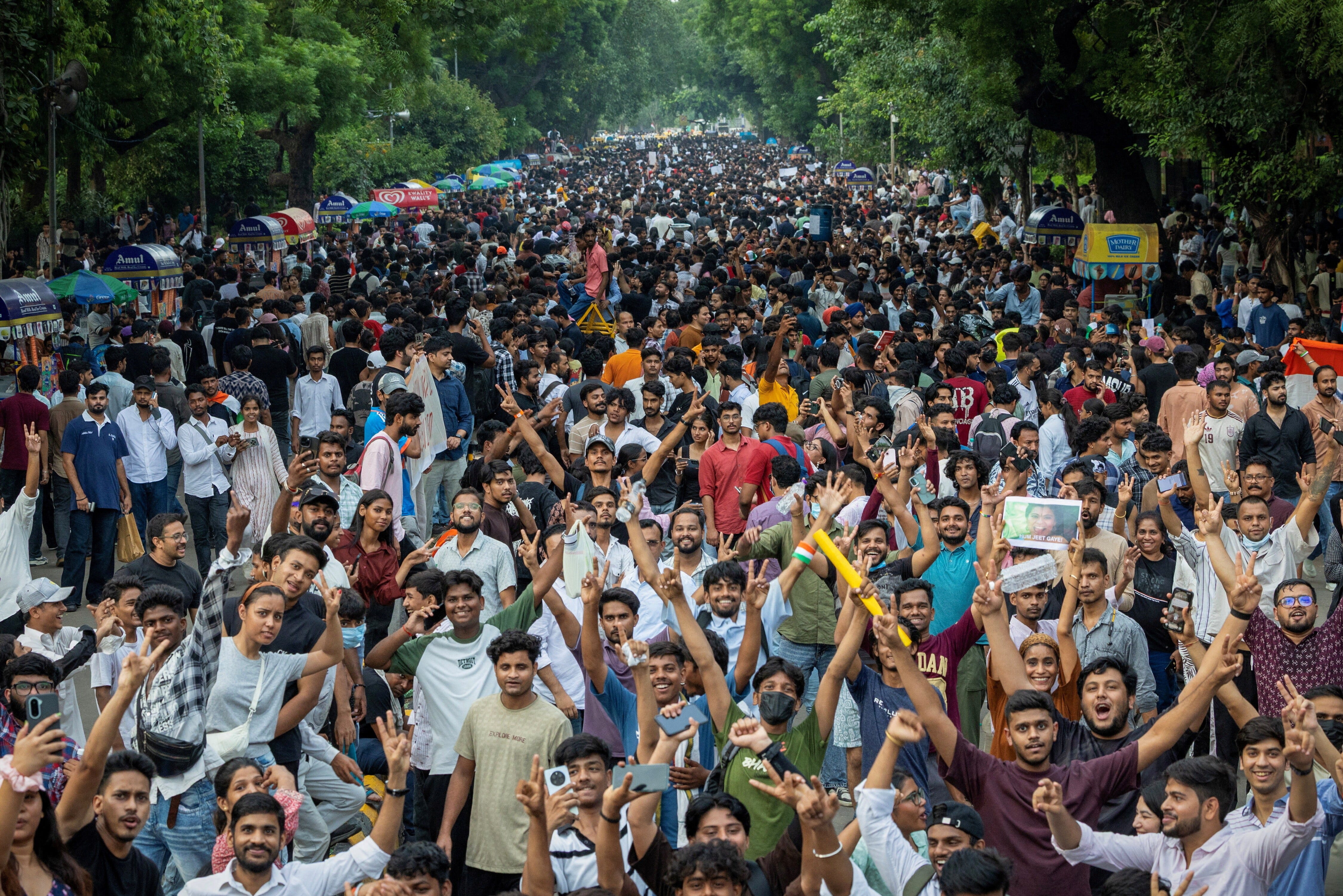
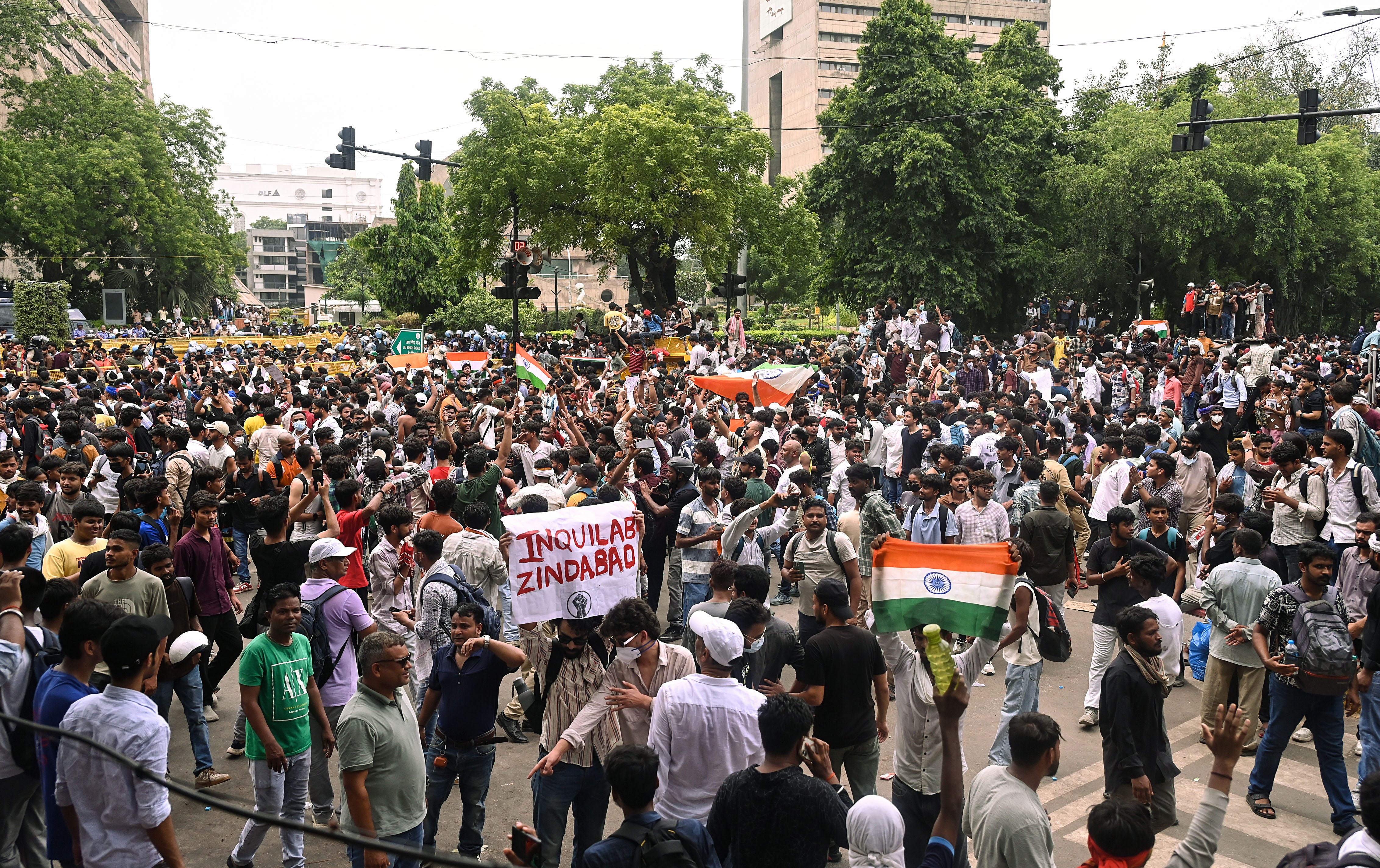
They are important electorally, though not in the simplistic manner in which some analysts believe they are. Following the protests in Delhi and elsewhere by young people seeking the removal of Union education minister Dharmendra Pradhan and reforms in national admission tests to colleges — the government had to eventually give in — these analysts see Gen Z as the force that can stop the Bharatiya Janata Party’s electoral juggernaut. The problem with such analyses is that it sees Gen Z as a homogenous group, which it is not. It likely has as many people who support the BJP as oppose it.
Still, Gen Z is important electorally — and, in general, not happy. Gen X benefitted from the post-liberalization boom in services. The Millennials gained the most from the start-up boom. Both grew wealthy (if not rich) from the real estate and stock market booms. In contrast, Gen Z is made up of junior- and middle-level employees (the oldest among this cohort), if they are still not looking for jobs or studying or hoping to get into a good college (the youngest). And standing in 2026, they can be forgiven for thinking that they have missed the good times — the job and education markets have been roiled by AI, and the real estate and stock markets are moribund. Worse, as many of Gen Z lack skills as lack opportunities (which makes it worse, because even if opportunities existed, these young people would not be able to benefit from them).
The resultant angst can’t be sated through doles and handouts, vented through religious processions or celebrations (such as the ongoing kanwar yatra in parts of North India), or mollified through promises of a better tomorrow.
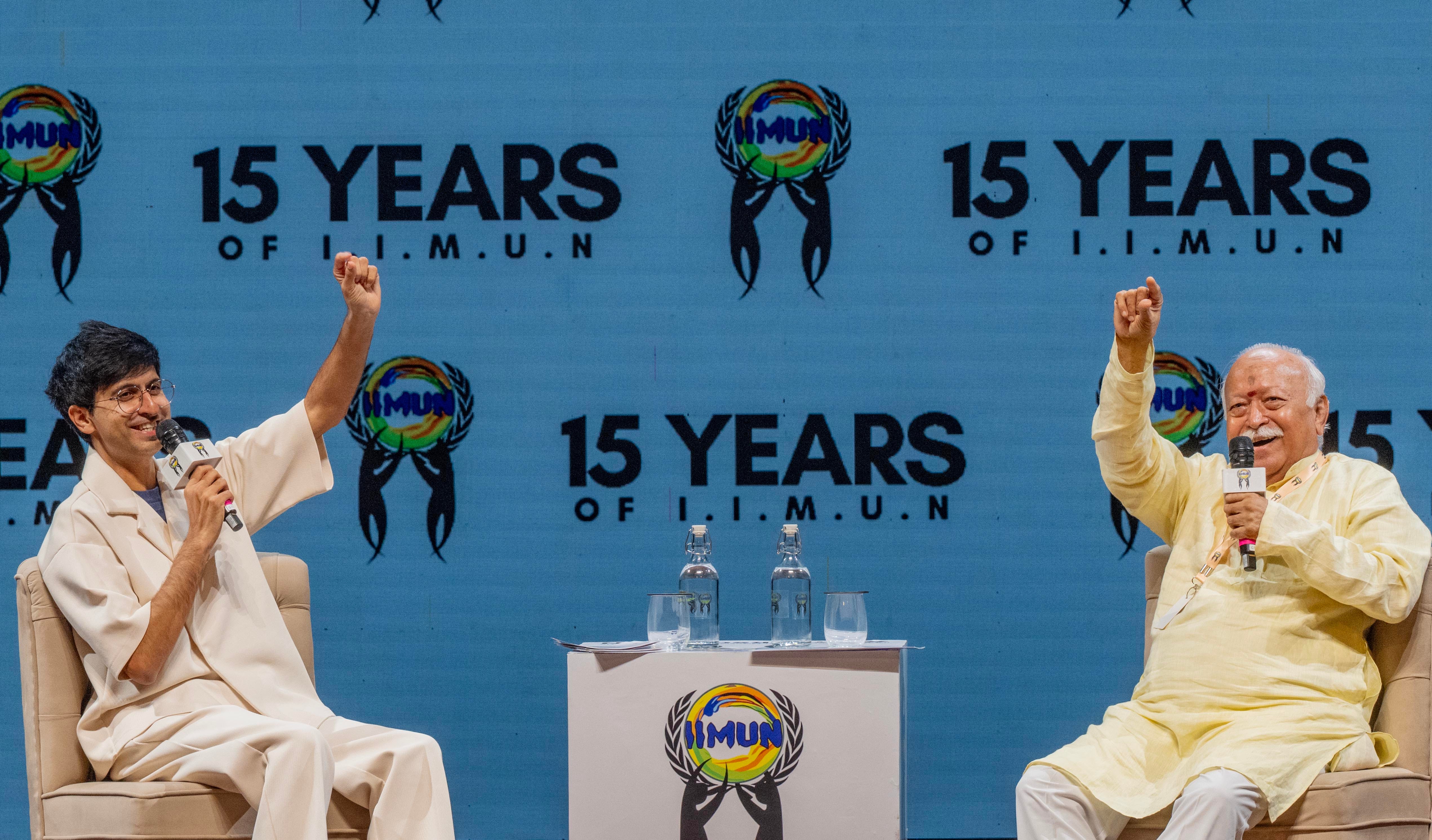
The BJP, based on its track record of being more responsive to societal trends, may be able to leverage this more than the Congress and other parties, although it could be weighed down by incumbency — Gen X has a tendency to blame the incumbent for its woes, which is fair, for who else can you blame. But if someone as reticent as Mohan Bhagwat, the chief of the Rashtriya Swayamsevak Sangh, the BJP’s ideological parent, feels the need to speak out on (and to) Gen Z, it is clear that the establishment is trying.
It turns out that it isn’t just Gen Z that is not happy with the state of affairs. The Reserve Bank of India’s latest consumer confidence survey, released this week but conducted in July, shows that the current situation index, which is a litmus of current perceptions (where we are compared to a year ago), in urban areas is currently at its lowest since July 2023. The index measures responses on “general economic situation, employment scenario, overall price situation, own income and spending”. It hasn’t been in positive territory since early 2019, but came close to it late last year, with a reading of 98.4 in November 2025. This is now 88.3 (any score over 100 is in positive territory).
The future expectations index, a measure of where respondents see things going a year from now, is still in positive territory at 115.3 , but is the lowest it has been since November 2022. How bad is this? Well, in November 2025, the future expectations index was the highest it has been since mid-2019, so this is quite the drop in a matter of months.
The same survey in rural areas shows a similar trend; the rural current situations index was last in positive territory as recently as January, but is now, at 91.7 the lowest it has been since September 2023. The future situations index remains in positive territory, but at 113.6, is again the lowest it has been since September 2023.
My colleague Roshan Kishore summed up the state of the economy as RBI’s monetary policy committee would have seen it — better than expected, but with areas of concern.
Till next week. Send in your bouquets and brickbats to sukumar.ranganathan@hindustantimes.com
No posts
Comments
Nothing yet. Say the first thing.
Sign in to join the conversation.