
6 years ago, I took the plunge and started Lydia Allen Interiors.
I had a degree, 5 years of industry experience, a delusional level of optimism and enough confidence to know I could figure the rest out as I go.
6 years later, we’ve worked on an array of projects from private homes and large renovations to show homes and multi-unit developments. There have been so many wins, difficult years, and plenty of “Why the F**k am I doing this?”.
I’ve learnt more than I can squeeze into one post, but here are 6 lessons I have learnt in 6 years.

You can study interior design, learn the software, understand technical drawings and have a great design eye. But none of that replaces actually doing the job. Managing clients, contractors, big budgets, timelines, suppliers and the hundreds of decisions that go into a project. Some things you can only learn through experience.
Something inevitably will always go wrong. You can have a brilliant team around you and something completely unexpected will still throw a spanner in the works. 6 years ago, that would have sent me into a frenzy. Today? Deal with it, find a solution and move on.
I think I thrive on a problem. Don’t get me wrong, I’ll have a huff and swear about it for 5mins. AND, I’m certainly not asking for more of them. But I love the challenge of figuring out how we’re going to solve it.
And the projects that have tested me the most are the ones I’ve learnt the most from. Sometimes it’s a simple mistake on site, something we’ve missed, a client who tests a boundary. You deal with it, learn from it and you’re better equipped the next time around. Maybe it changes how we detail something, the questions we ask at the start of a project, or even a clause in our contract.
Experience doesn’t mean things stop going wrong, they always will. It means you get much better at knowing what to do when they do.
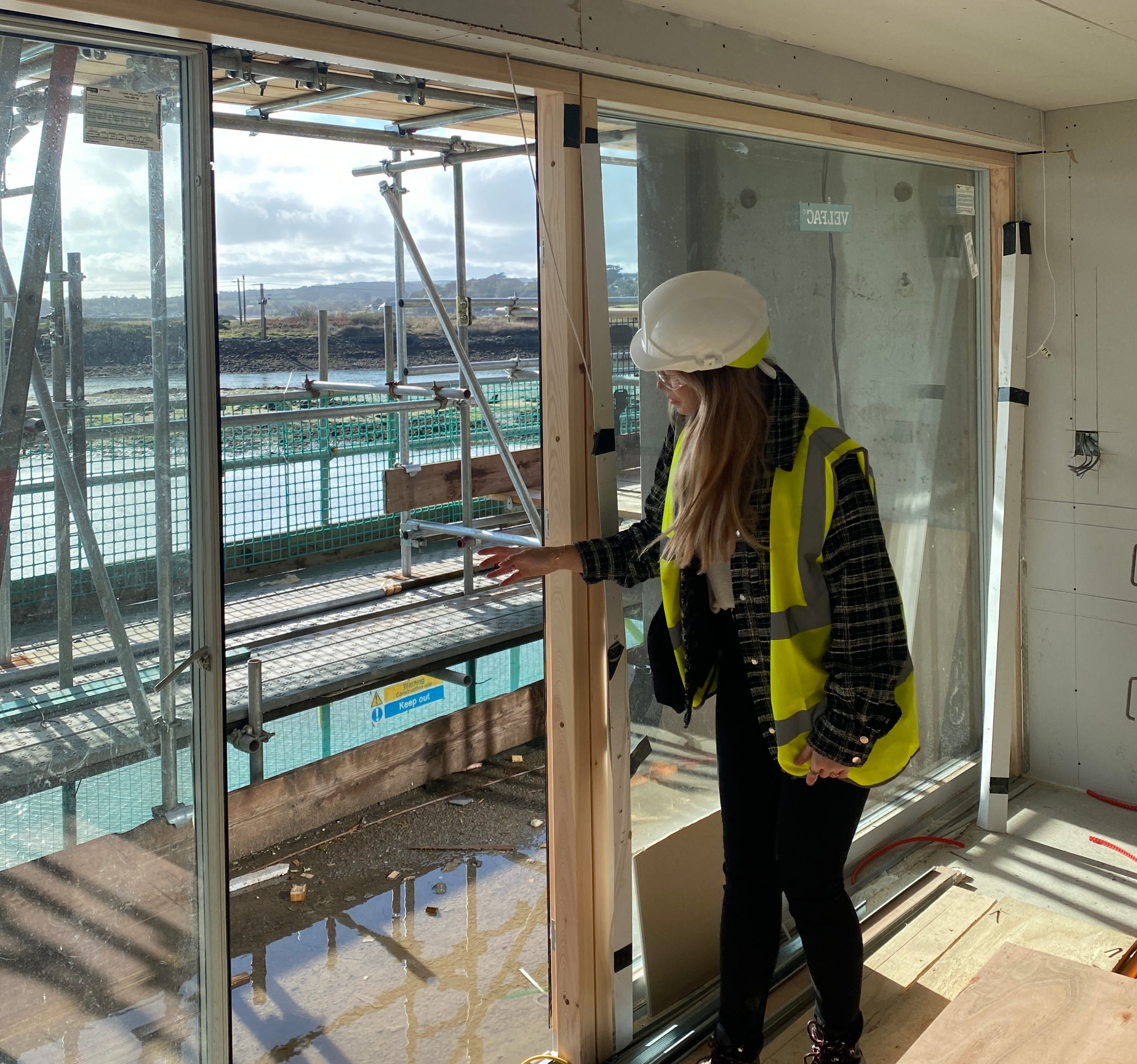
I still flip-flop with confidence. Some days I know I’ve got this. Other days, the little voice in my head decides today is the day to question every decision I’ve ever made. Imposter syndrome is a real threat!
The difference now is that I’ve learnt not to let that little voice make the decisions. Clients are trusting you with their homes, their money and hundreds of decisions along the way. They need to trust that when you say this is the right decision, you believe it too.
Presenting is one of those moments that really tests me. I started in the industry presenting as part of a team. Now, I’m standing alone in rooms full of people, presenting my own designs.
Does it still fill me with dread? Absolutely.
Do I have a choice? Technically, yes.
Do I want to push myself and succeed more? 100%.
Confidence isn’t about never feeling nervous or questioning yourself. It’s not letting the doubt override what you know.
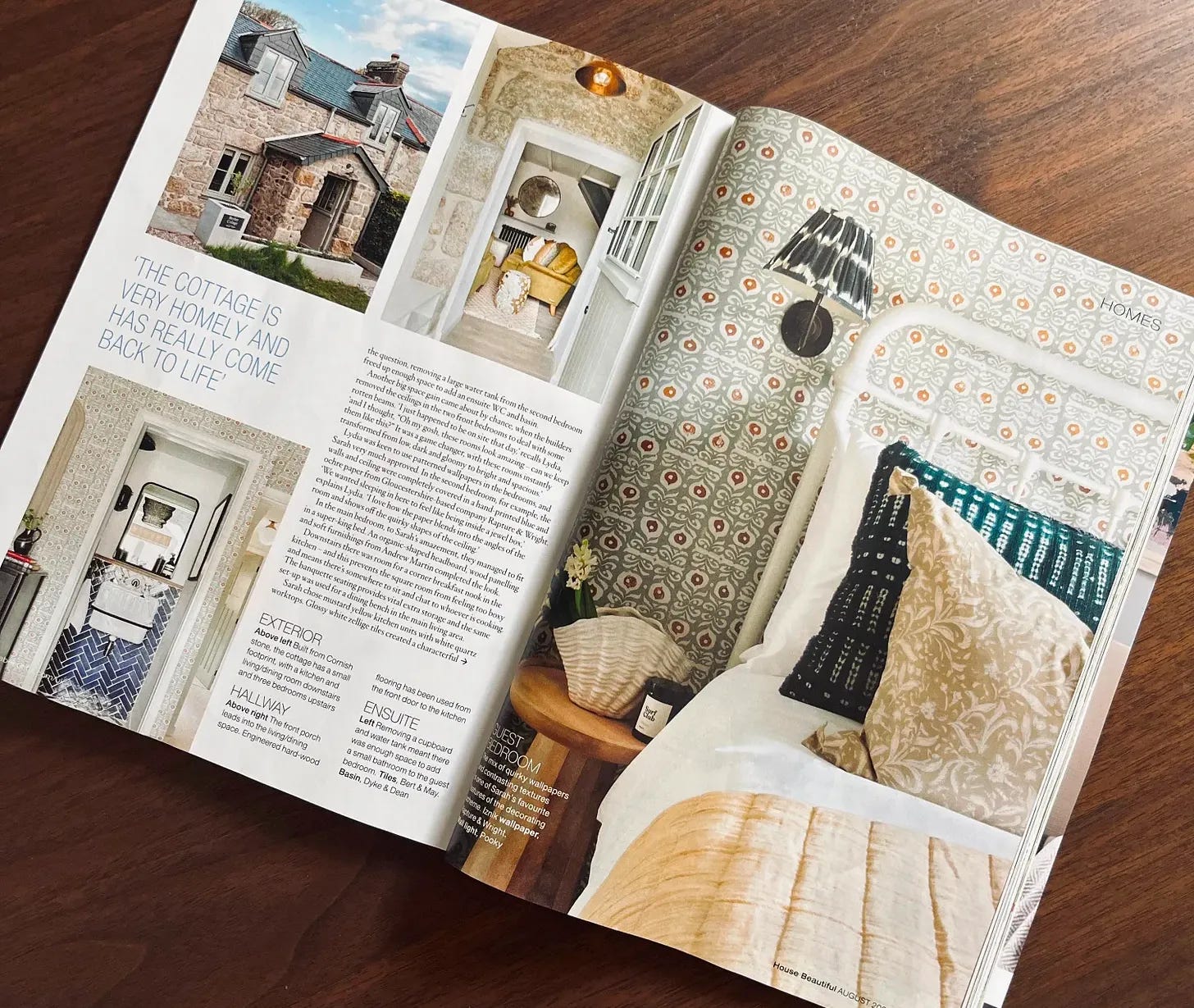
You don’t walk out of uni with a little black book of brilliant builders, decorators, joiners, makers and suppliers. That takes years of trial, error and finding out who you never want to work with again.
We recently had £4,000 worth of handmade specialist grasscloth wallpaper being installed when it became very clear the decorator was completely out of his depth, despite assuring us he could do it. Half the room was done, some of the paper was ruined, and the clients were moving in the following week. Not ideal!
Early days, I might not have known who to call. Now, it’s a few phone calls: who can I trust, who can get here, and how quickly can we sort it?
I’ve learnt that being good at your job doesn’t mean having every answer. Quite frankly, I don’t know everything, and in another 6 years I still won’t. It’s completely fine to say, “I don’t know.” There’s a confidence in being comfortable admitting that. As chances are I know someone who does.
But every year I know a little more. I add another brilliant supplier or trade to my list. A project throws a problem at me I’ve never seen before, we figure it out, and the next time something similar happens, we are better equipped to deal with it.
You don’t need to know everything. You just need to keep learning and surround yourself with brilliant people you can learn from too.
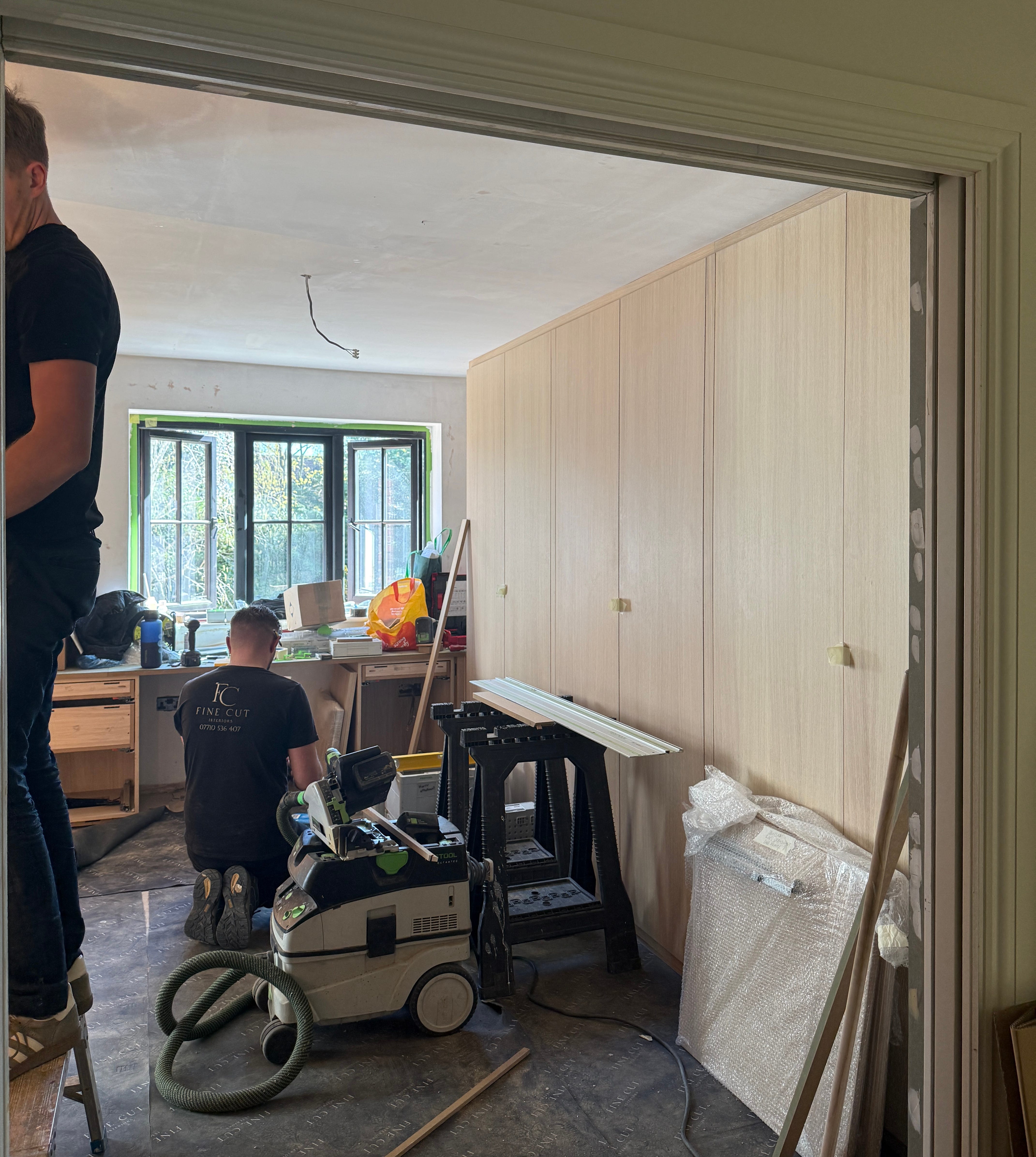
Around 90% of our work has come through referrals. One happy client leads to another; one architect, builder or structural engineer recommends you, and suddenly they’ve introduced you to 4 projects.
Instagram is important, and having beautiful projects to show the world certainly helps. But 6 years in, I’ve learnt that your reputation is built just as much by how you work with people as the work itself.
Renovating a home involves a LOT of people. Clients, builders, architects, suppliers and trades, all trying to get to the same end result. And when something goes wrong, it’s very easy for the finger-pointing to start.
Finding someone to blame doesn’t get you anywhere. Knowing how to manage the situation, communicate with everyone involved and get the project moving again does.
There have definitely been moments where I’ve wanted to tear my hair out, or someone else’s. But you deal with it, remain professional and try very hard not to burn bridges; you never know when you might need to cross them again.
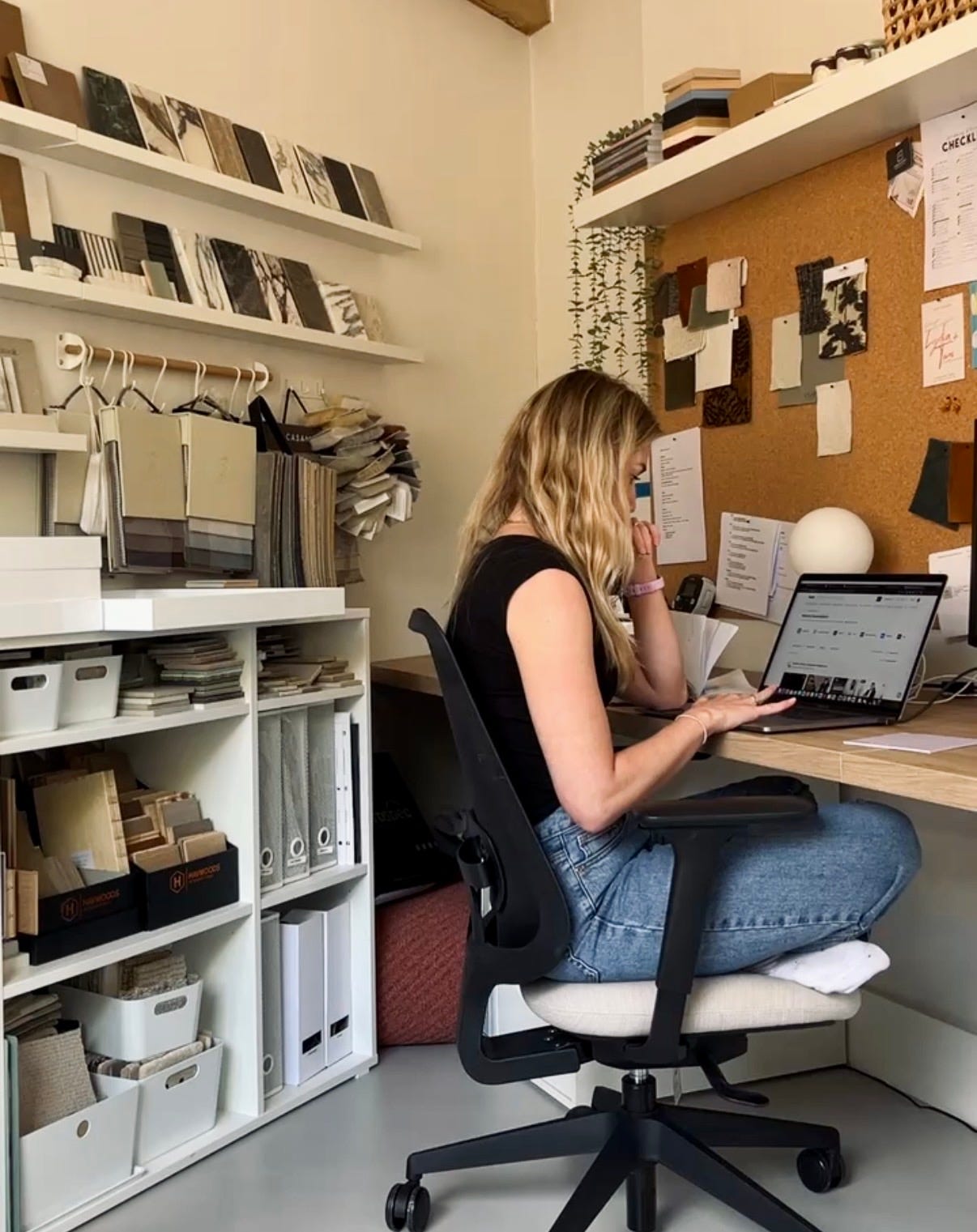
With my optimistic/naive outlook, I thought business would be hardest at the beginning. You grind for a few years, build your way up and eventually reach this magical place called success!
My first year in business was very successful. Then came more difficult years. Projects were delayed, timelines moved, and money we knew was coming wasn’t coming when we needed it, all while you still have salaries and overheads to pay.
But then there’s the other end of the scale. The work comes in, everything lands at once, and suddenly you’ve gone from worrying about having enough to wondering how on earth you’re going to do it all.
I think running a business is constantly trying to find the balance between having enough on and having far too much on. And just when you think you’ve found it, something moves.
6 years in, I’ve learnt to get more comfortable riding the waves. Don’t panic when it’s quiet and don’t get complacent when it’s busy. Neither lasts forever.
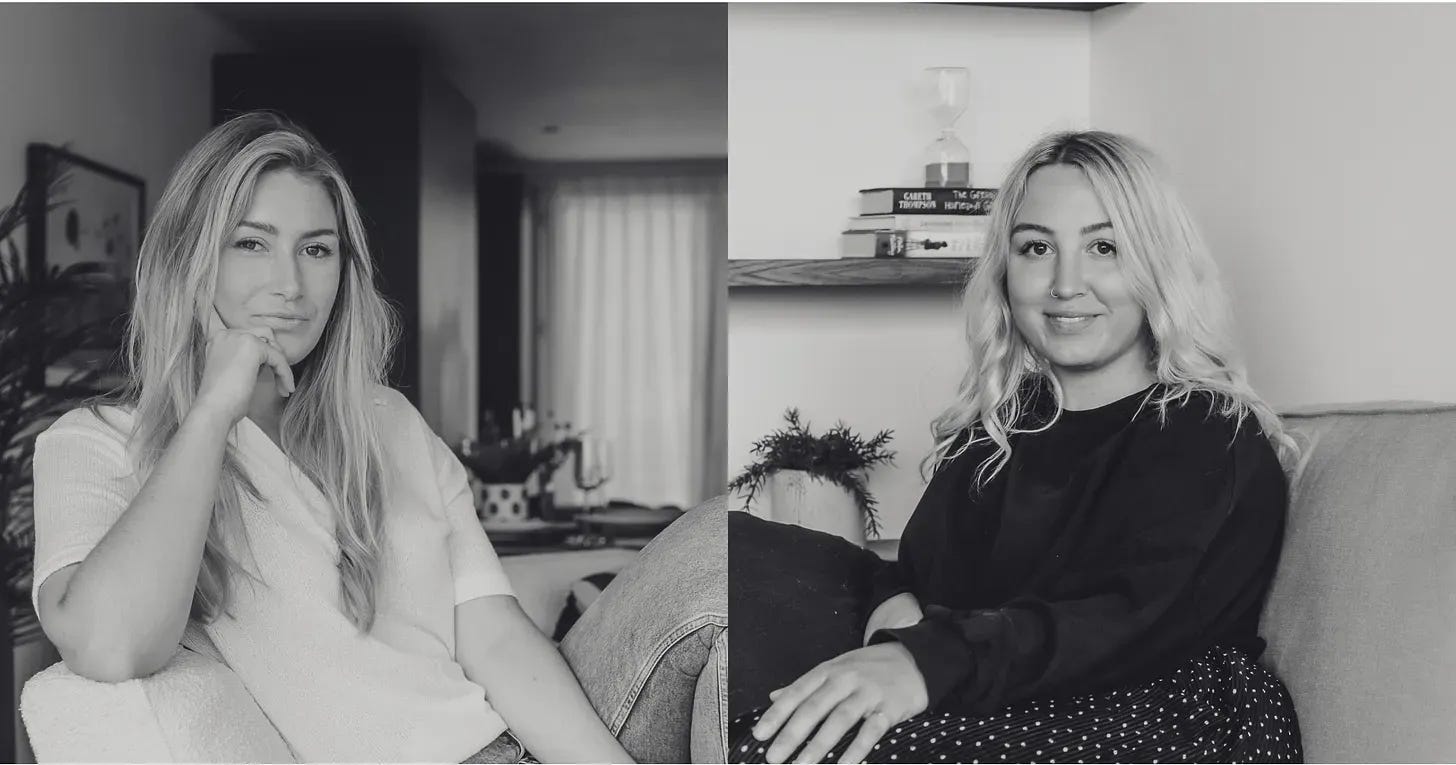
When I started the business, success looked fairly obvious: make lots of money, work on amazing projects and slowly build my interiors empire!
And money matters! A profitable business gives you security, pays salaries, allows you to invest, grow and sleep slightly better at night.
But now success feels much bigger than what’s sitting in the bank.
It’s building a name and a reputation I’m proud of. It’s projects we’re genuinely excited to put our name against. It’s being published in a mag and having people within an industry I’ve admired for years now know who we are.
But probably most importantly, a happy client will always be one of my biggest measures of success. They’re trusting us with their home, their money and a huge part of their lives. If they get to the end of a project loving their home and feeling like we made the process better, that’s a win for me!
The same goes for my team. Do they enjoy work? Do our suppliers and trades enjoy working with us? Do people want to come back and do it all over again? If the answer is yes, I think we’re doing something right.
And then there’s the personal side of success: TIME!
I spent 5 years commuting into London, leaving home at 7am and getting back after 8pm. Now, I’ve built a life that gives me more time with my husband, family and friends and that feels like success too.
Don’t get me wrong, running your own business doesn’t mean switching off. Quite the opposite! My brain rarely shuts up, weekends aren’t weekends, and the laptop always makes an appearance on holiday.
But I have a choice. I have more control over how my life looks, where I spend my time and what I say yes to.
I’m also learning to celebrate the small wins along the way, it’s so often we reach one goal and immediately start chasing the next one, without really acknowledging what you’ve just achieved.
Take time, STOP and appreciate how far you’ve already come.

If I could go back and give myself some advice on day one, I think I’d probably just tell myself to “get on with it.”
And that’s my advice to anyone thinking about taking the plunge too. Back yourself. Give it a go. You won’t know everything. You’ll figure most of it out as you go. Work hard and be nice to people.
It sounds incredibly cliché, but they’re clichés for a reason.
A little bit of delusional optimism deffo helps too.
Lydia x
No posts
Comments
Nothing yet. Say the first thing.
Sign in to join the conversation.