
I had noodled around with so many ideas of things to write about after this historic, week-long silence (for which please forgive me. In no particular order: sick dog, sick niece, death of a family member, heatwave, lost dog rescue, fence panel shopping) but just now I was making myself supper (pasta and such a basic sauce it isn’t even worth telling about especially since I just saw Mini’s post about her lunch menu…) and listening to yesterday’s episode of Gardeners’ Question Time and I have a lot to say.
The panel is sitting in Glasgow, at Clarkston Halls. No great or famous garden, rather a building that looks like a home for the particularly unloved elderly.
The panel have been fielding questions for 20 minutes or so - questions about a sick Acer, and a patch of shade beneath Lime trees - what else is new? They have gently chuckled at the gentle humour emblematic of heritage BBC programming, and have agreed with each other on all points.
Then, the final question.
Timed perfectly as my pasta is ready, and I need only assemble the fusilli and sauce on a plate, lavish parmesan atop a generous pile, and then sit down to eat. Saturday night, party night.
Note to self: this pasta dish takes exactly the length of one GQT episode to make.
“Hi. John Kimball from Busby and Clarkson Horticultural Society.”
Note to self: I must crack on and actually start a gardening club for my estate, and just swallow the fact that everyone will be 30 years older than me, and everyone will be in love with red geranium window boxes, and make peace with my desire to be a despot if ever on a committee.
John continues.
“If you had just one minute with someone who is completely new to gardening, what single piece of advice would you give them before they start?”
What a gift of a question.
Ok, every question on GQT is the softest of soft balls, obviously. This isn’t Newsnight. No, here each question is like a cross between a Pomeranian and a cotton ball has been put in the tumble drier for three hours and then blasted from beneath with a hairdryer.
But this question is a gift! So broad and basic, yet so fundamental and philosophical. I am sure I have been asked a version of it before as, I’m sure, have many of you.
What do the panel of experts say to this imagined questioner?
Well, while the panel consider their answers, John is given the opportunity to answer his own question.
“Get the borders right”, John says.
He goes on to explain (in a somewhat muddled way that sent me back to listen to his answer twice more) that he means: learn how the sun moves across your garden. Learn it’s conditions (exposed to sea winds? wide open to full sun all day long every day of the year? Sees the sun only briefly between May and October and between 11am and 3pm? What?).
(Shoot I’ve burned the garlic bread. Next time must finish cooking absolutely before starting diatribe).
Bethan Collerton begins. She gets a lot of advice, she says, it’s one of the great things about being a gardener. She agrees with John that whether your garden is wet or dry or shady is important. It is important to know where you’re going to plant before you decide what you’re going to plant.
Ms Collerton’s own advice to our hypothetical novice is: “just experiment”. Don’t be afraid of doing something that people tell you probably won’t work. “If you want to have a go, have a go.”
I’m a complete beginner who has never so much as seen a potted fern and you’re telling me to “experiment”? Experiment with what? What are you talking about? Maybe I’ll take up chess instead, that would be more straightforward and less philosophical.
Ms Collerton goes on to tell us a piece of advice her colleague “Lewis” gives her all the time when she is stressed: “The right time is when you’ve got time”.
Of course our GQT crowd groans in recognition and appreciation. Yeeeees, we’re all left out tulip bulbs in the bag for months too long or failed to pot on our precious seedlings tended so carefully until May when the sun comes out and we remember how nice it is to go out and see people, leaving our carefully tended seed babies to languish.
I’m a complete beginner who has never so much as seen an Ikea ficus and you’re telling me that the right time is when you’ve got time? WHAT TIME? What are you talking about?
Kirsty Wilson is asked next. For a novice gardener, what piece of advice would you give?
Ms Wilson says “I would build a compost bin straight away”. Understanding your soil and feeding it is so important she says. She goes on to talk more about home-made compost and of leaf mould.
I’m a complete beginner who has never so much as seen a tray of bedding plants and you’re telling me to do something with MOULD?
You have one minute to tell this baby gardener something to inspire them in their gardening journey and you’re going with LEAF MOULD?
Ms Wilson goes on to add a further piece of advice: “gardening is patience”. It takes years and loads of hard work to make a garden, she says. The best gardens are the ones where the gardener is out every day, and has been building it for years.
Jesus, Kirsty! Do you want this person to garden?
Our host, Kathy Clugston, agrees and adds a piece of advice ripped straight from my previous post: “the best fertiliser is the gardener’s shadow”.
James Wong reiterates, underlines, highlights and draws a big circle around (his words) what Ms Collerton has already said about experimentation.
Mr Wong says it is surprising how much fear there is in starting. He is funny talking about the outdated Victorian pruning regulations and how it is all guff anyway because it’s a trillion degrees and now we basically garden on the surface of the sun. Mr Wong says he has killed thousands of plants and so has every gardener. No mistakes, only experiments. The best way to learn is from your own mistakes.
I’m a complete beginner who has never seen so much as a pot of supermarket basil and you’re telling me to ignore all advice and that I will ultimately fail? Before I’ve even begun?
By this point in the conversation I have turned my attention away from the nourishing but dull pasta dish and am grabbing for my laptop.
I will grant this small dispensation: I accept that it has been decades since any of these experts were not experts. It’s why they’re on an expert panel. Fine. I will graciously bequeath this small mitigation.
But seriously? This is all terrible advice for a person who is wondering about maybe planting a plant. Much of it is so esoteric that it would send anyone scuttling back indoors to try knitting or gaming instead.
No.
If you had just one minute with someone who is completely new to gardening, what single piece of advice would you give them before they start?
I’m a lawyer so allow me to first frame my answer:
It depends when they are asking.
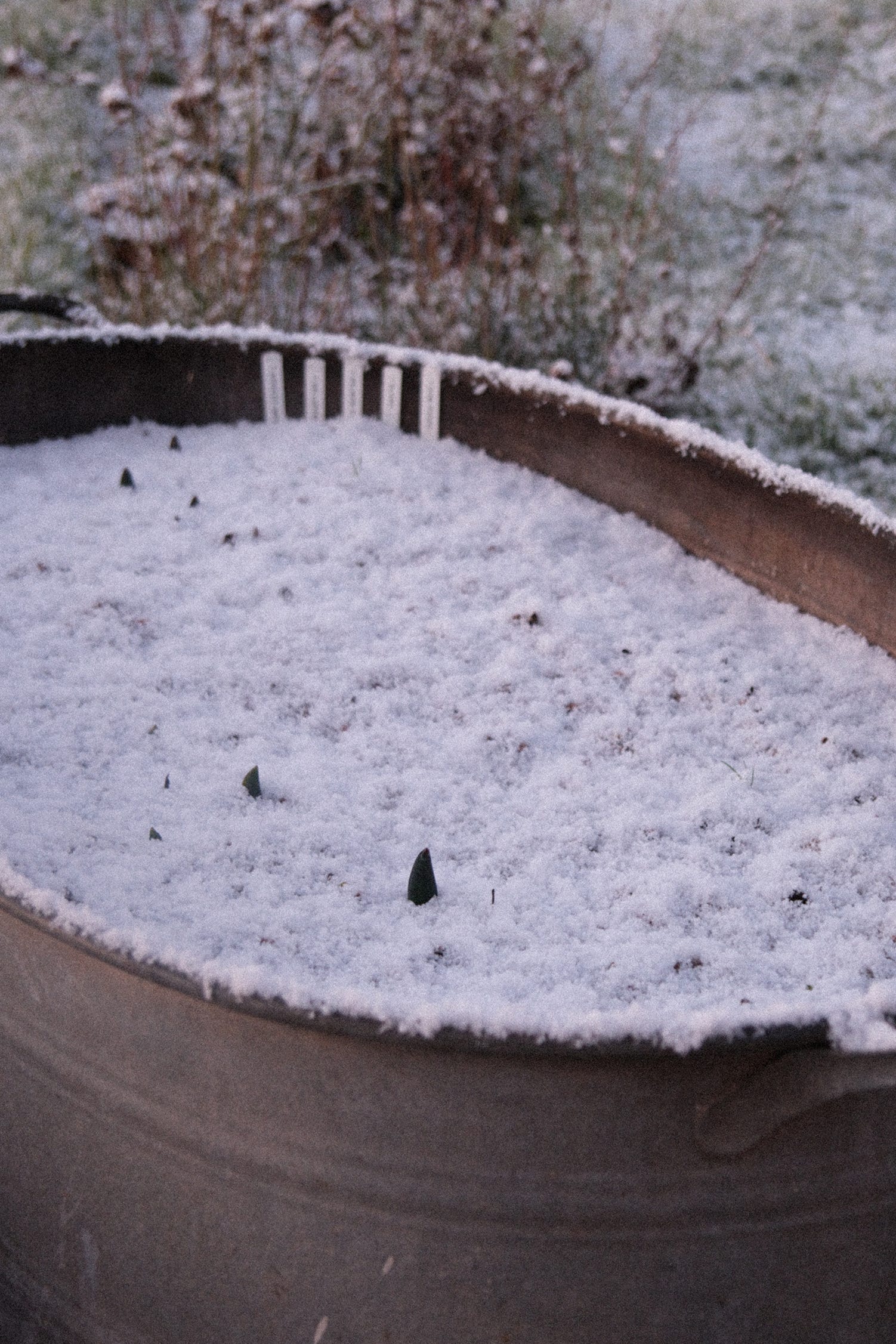
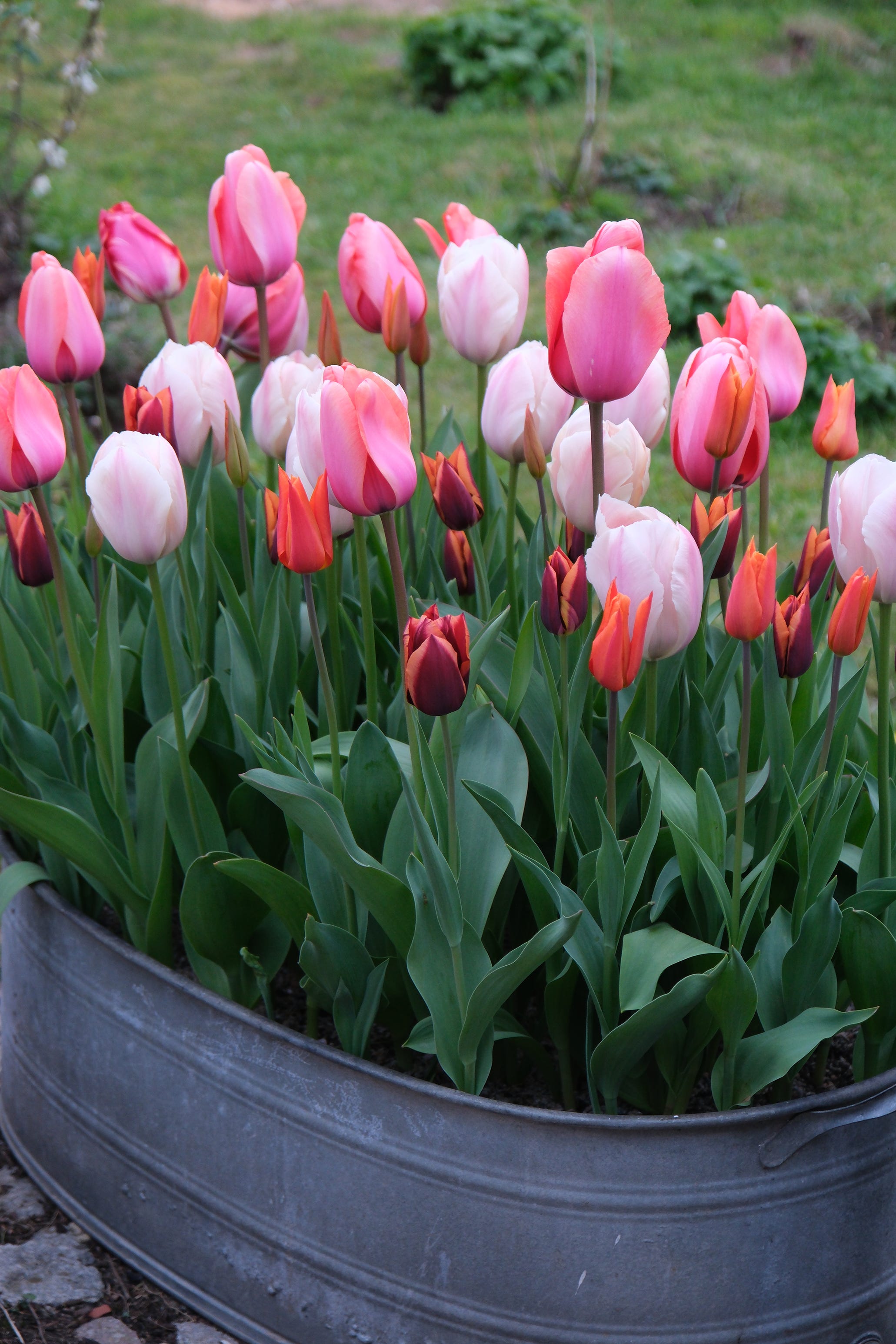
If between August and January my advice is simple: plant tulips.
Having used only two words I would use my remaining time (about 58.5 seconds) to tell them to pop to a garden centre, buy a pot (ideally not less than 30 litres) and enough compost to fill it (ask the sales people, they’ll point you in the right direction) and then choose a bag of tulip bulbs that catches your eye.
Pour the compost into the pot, and press the bulbs into the top so that the tip of the bulb is just below the surface of the compost.
Leave the pot outside somewhere it can catch some rain when it rains and some sun when it appears.
Wait awhile.
That’s it.
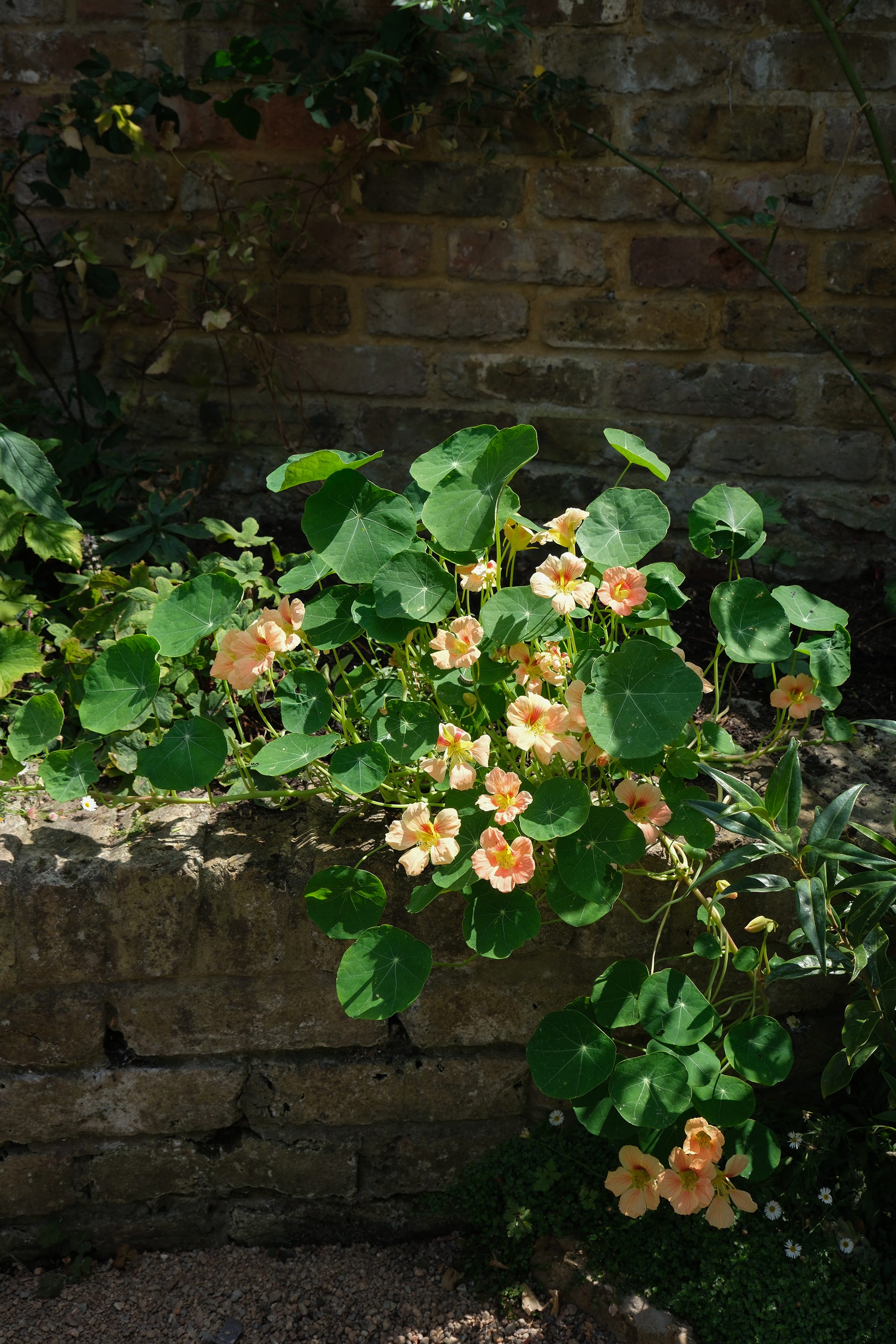
If they ask between February and August my advice is equally simple: plant nasturtiums.
Using my 58.5 seconds (ok, maybe 58 seconds since ‘nasturtiums’ is a longer word than ‘tulips’) I would tell them to pop to a garden centre, buy a pot (ideally not less than 30 litres) and enough compost to fill it (ask the sales people, they’ll point you in the right direction) and then choose a packet of nasturtium seeds that catches your eye.
Pour the compost into the pot, and press the seeds into the top so that the seed is just below the surface of the compost.
Leave the pot outside somewhere it can catch some rain when it rains and some sun when it appears.
Wait awhile.
That’s it.
The best advice for a beginner garden isn’t something abstract about the gardener’s shadow, and it is certainly not about bloody bins!
If someone had said to me three years ago as I was pottering around my garden centre falling in love with plants that before I started buying plants I should first learn about my soil, map out the sun and shadow in my garden, build or buy a compost bin, and then just experiment, I would have been turned off faster that a girl on a first date with a D&D Dungeon Master (just take my word for it).
Nobody falls in love with gardening because they get to spend their precious free time scraping last night’s left overs into a rat-ridden pile of slop. Nobody falls in love with gardening because you can fail and flail and experiment.
The intoxicating magic of gardening is in the growth. It is the growth that made me fall in love.
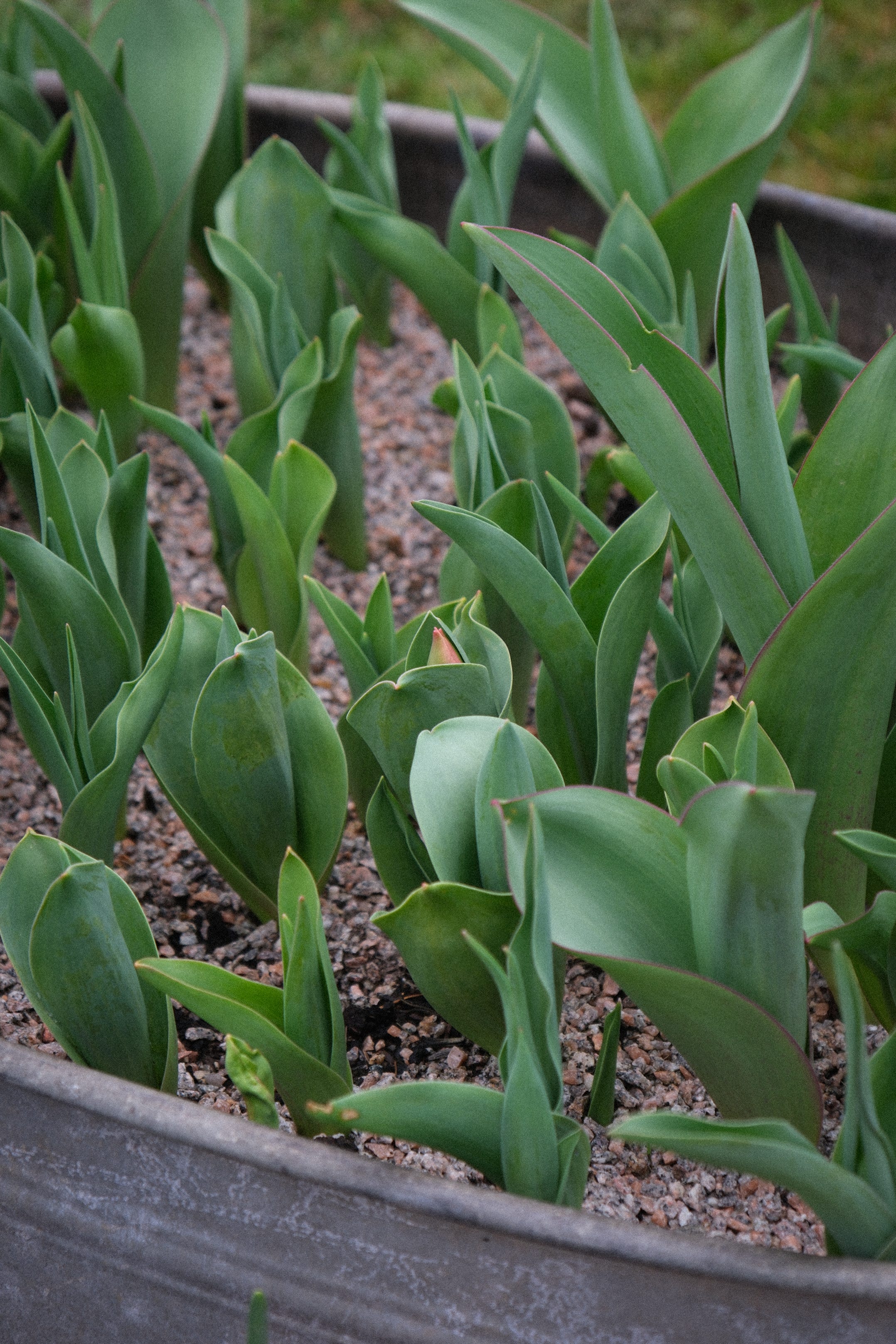
Plant a tulip in Autumn and watch as through the darkest days of the year green shoots appear, brightening the winter dinge, promising spring and flowers to come, pulling you through time into the bright, sun-filled future each time you glance into the garden, and then blooming in ultimate satisfaction at the winter’s passing.
Plant a nasturtium seed in May and soon you will have a plant so eager to give you not only beauty, but edible leaves and flowers, that it clambers out of its planting hole and doesn’t stop until cut down by frost, hurling itself up and out of your pot, growing and growing, crawling along the ground on elbow-like stems until you wonder if it is possessed by some maleficent spirit.
And now you are a gardener. You have grown something. Something that began in its embryonic form - a seed, a bulb - and something you have nurtured (albeit neither requires much tending) through to its time to die back beneath the soil.
The rest - the water butts, compost bins, sun maps, experiments, trials and failures - will all come in time. But first, see about growing a plant. And just try not to fall in love with the process. Go on. I dare you.
Comments
Nothing yet. Say the first thing.
Sign in to join the conversation.