
The 2016 Brexit Remain campaign was a classic case study in fear-based strategy backfiring.
Ten years after that painful, bewildering day, let’s Imagine if they had campaigned for Europe, instead of against Brexit?
Ahead of the 2016 referendum, British pro-Europeans did something unusual: they looked beyond their borders and learned from another country. They saw how Ireland, which holds referenda on all EU treaty changes, once voted NO. Ireland, the country that benefited materially from European integration more than any other.
Yet in 2008, a well-organised anti-Europe side using an inchoate mix of fear messages around NATO and abortion that had no factual relevance narrowly defeated the YES side (which talked about how important Europe was for the economy) amid high abstention and anti-government sentiment.
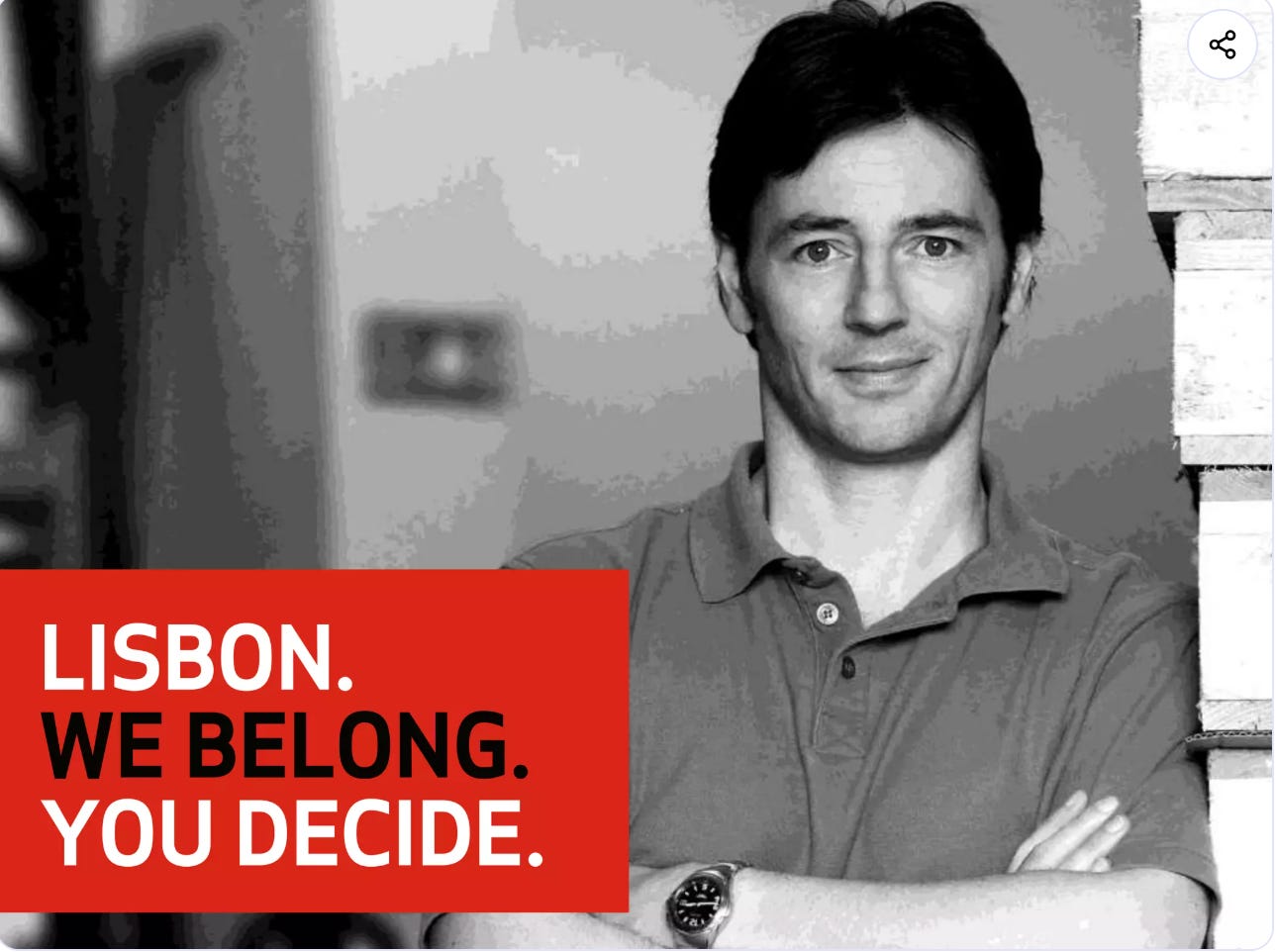
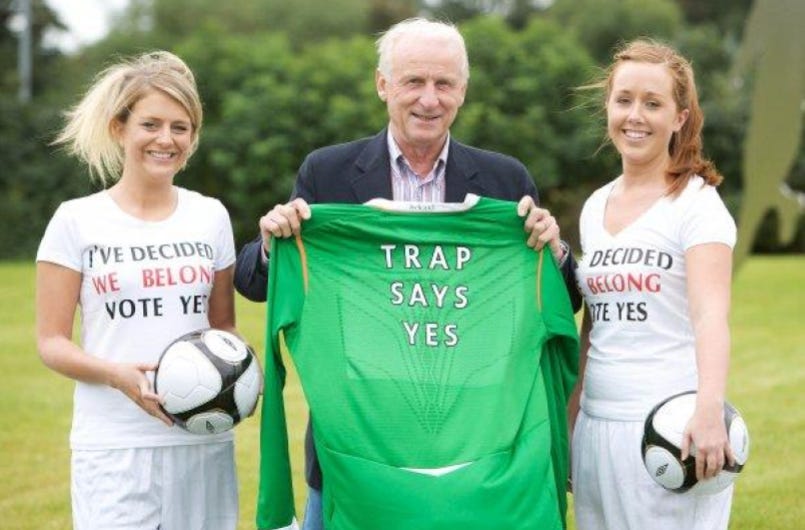
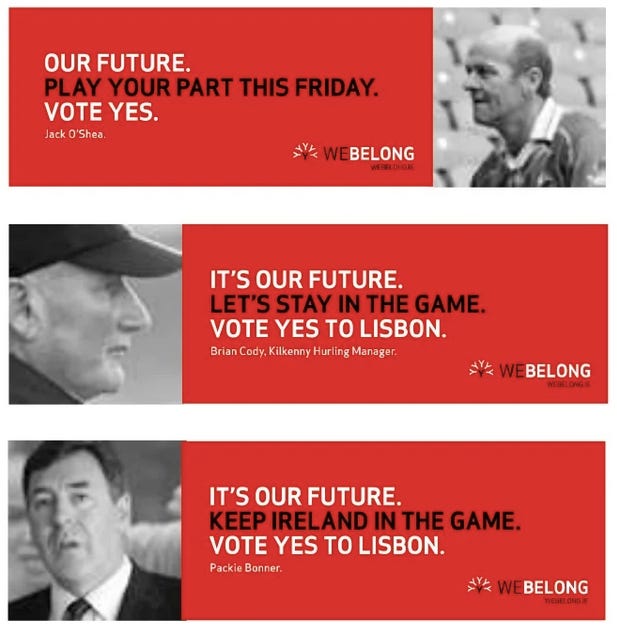
In 2009, Ireland voted again on a very slightly amended treaty. This time, pro-Europeans gave voters something to vote for, running values-based campaigns like WE BELONG and GENERATION YES. Scroll down for a little case study of this campaign.
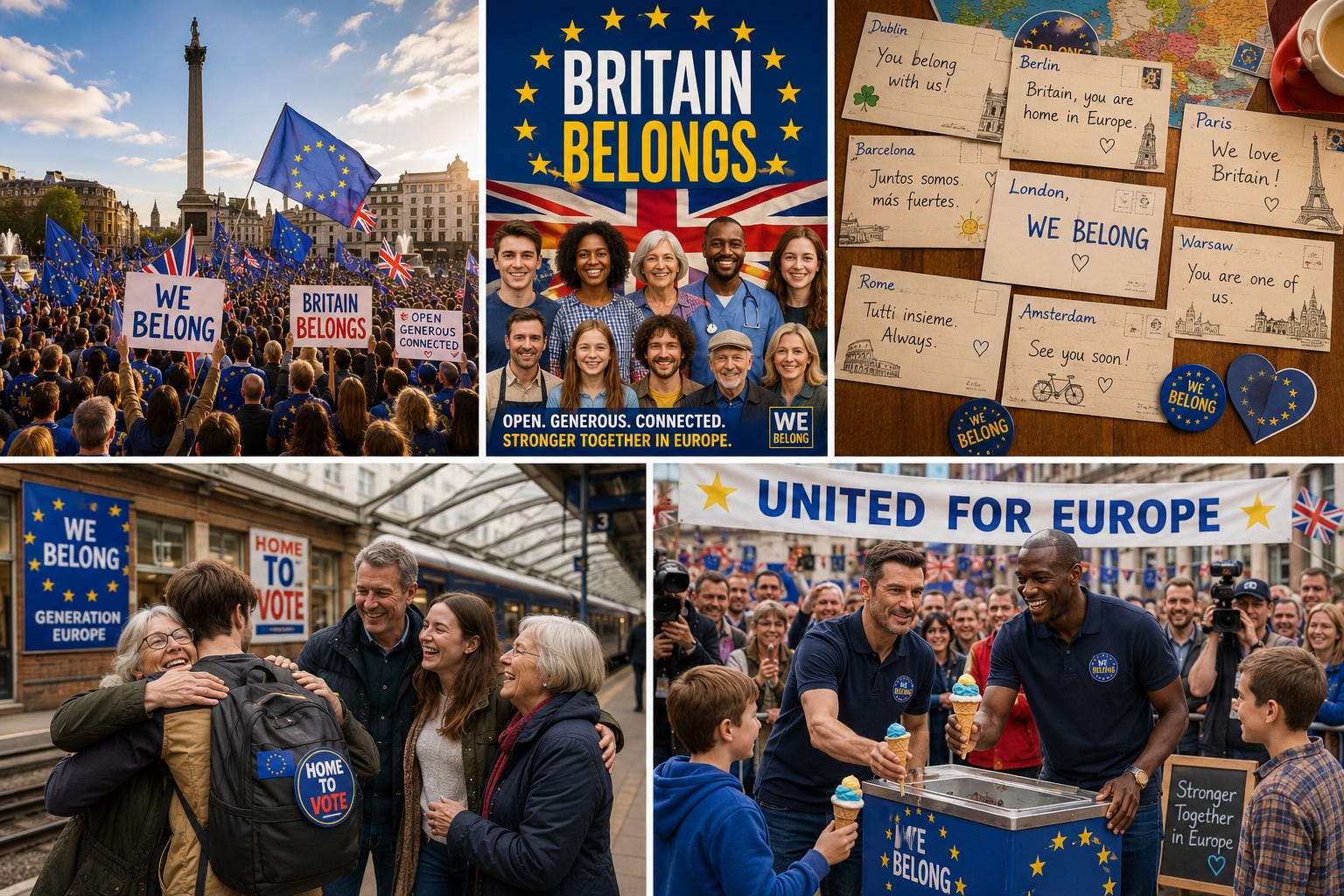
In 2016, UK campaigners recognised the need to appeal to identity and emotions, not just material economic messages. They recognised the need to do something that very few UK politicians ever did: say that European community is a good thing.
Leading cultural figures in the UK decided that this decision was too important to trust to politicians and got behind grassroots campaigns Britain Belongs and Generation Europe.
These campaigns proved decisive in boosting massive turnout among young people and the older generations whom young people convinced to get involved.
This is what made the campaigns more effective than the official Remain campaign:
Sports stars, actors, writers, musicians all got involved, creating stunts and moments, talking about belonging, openness and interconnection.
The campaign became about more than Europe: it was about the kind of Britain people wanted: closed to the world, or open, generous, connected. It included people with backgrounds beyond Europe, making it really about a choice to have a UK where everyone can belong.
It focused on making people feel European, instead of trying to explain complex EU mechanisms.
It invited people to talk about what they wanted to achieve together with other Europeans in future, not just what they had already gained or stood to lose.
The Remain campaign was run from Westminster. They tried to tell pro-European Brits and pro-British Europeans to stay out of the campaign. In other words, they demobilised the base: the people who most passionately cared about Britain staying in Europe were told to stay quiet.
But the Brits who loved Europe and the Europeans who loved Britain rejected this established political wisdom and formed their own independent campaign.
They organised Europeans around the continent to get active on social media talking about the things they loved about Britain. Postcards from across Europe flooded the country, providing authentic, physical messages landing on people’s doorsteps reminding Britons that all of Europe was home to them, that they were welcome across the continent.
They formed a network of Erasmus students organised to reach out to British friends they had met during college, encouraging them to vote and to organise voters.
Europeans in Britain also got involved to make British people feel proud of their welcoming country. European footballers playing in the UK ignored the “no politics in sport” brigade and talked about how they had been made to feel welcome by their teammates. Thierry Henry and Cristiano Ronaldo got involved in stunts that even anti-EU newspapers couldn’t help covering. (my favourite moment was arch-rivals Patrick Vieira (French) and Roy Keane (Irish) handing out ice-cream together in Manchester under the banner “United for Europe”).
Since Brexit campaigners dismissed any fact-based warning about the cost of leaving the EU as “Project Fear”. This was hugely triggering because we know they were the ones stoking fear. So we stopped campaigning for the status quo and launched Project Hope: we started talking about what we could GAIN by becoming more connected to our European family, offering a vision of a better future - offering something to gain, like BELONGING.
The campaign made everyday Brits feel like global citizens, an integral part of a bigger European family. Europe felt part of their identity, sitting next to their local and national identities. We remembered all the things we shared with Europeans: Champions League, Easyjet holidays, Eurovision. They saw a new way for Britain to engage with Europe and the world in future, one that could engage with past harms but move forward and do better.
Hot-headed campaigners like Bob Geldof who wanted to confront Farage were quietly encouraged to leave space for younger, hopeful voices like young people who had been able to build careers around Europe and mixed couples. Newcomers from all over the country talked about the towns and cities they had made home, and their gratitude for the British neighbours who made them feel like they belonged.
The Britain Belongs campaign pioneered a new approach called deep canvassing, organising pro-Europeans to go door-to-door to talk about belonging. They heard a lot of fear and divisive messages, but by listening to people and saying that belonging is about working through these challenges together, they made persuadable voters feel heard and respected.
Young British people came “home to vote” from across Europe. Those that were already home held conversations with their relatives using We Belong conversation guides.
They learned from Obama’s campaigning and empowered young creators to reach younger audiences who could spread the message in their own way, talking about what belonging meant to them in Europe and the wider world, and their hopes for the future. Thus organised, Generation Europe was able to large pro-European, optimistic audience segments to compete with the disaffected groups being targeted by Cambridge Analytica.
The campaign was an unprecedented moment of political engagement in the UK. People got involved in political organising for the first time, feeling empowered to have a say in their future. Walking around British streets that June, blue and yellow t-shirts, badges and stickers were everywhere.
At first, they used campaign-branded merch, but eventually, by association, the European flag became an apolitical symbol of common sense, open-mindedness and inclusion.
Meanwhile, social media was flooded with pictures across Europe of British flags being waved and worn by other Europeans who wanted Britain to stay.
On 23 June 2016, Trafalgar Square looked like Maidan in 2014, full of blue flags and gold stars.
What am I missing from this story? What else would you do if you went back in time to 2016 to support the Britain Belongs campaign? And after Britain voted for Europe in 2016, what happened next?
At the time of the Lisbon Treaty campaign, I was working at the European Commission. Irish staff like me were recruited for a low-key PR campaign to visit our old schools and talk to local papers (imagine if the Brits had done that!?). At our briefing, Olivia Buckley from the We Belong campaign came in to present their work to us. I was blown away and have used this example ever since.
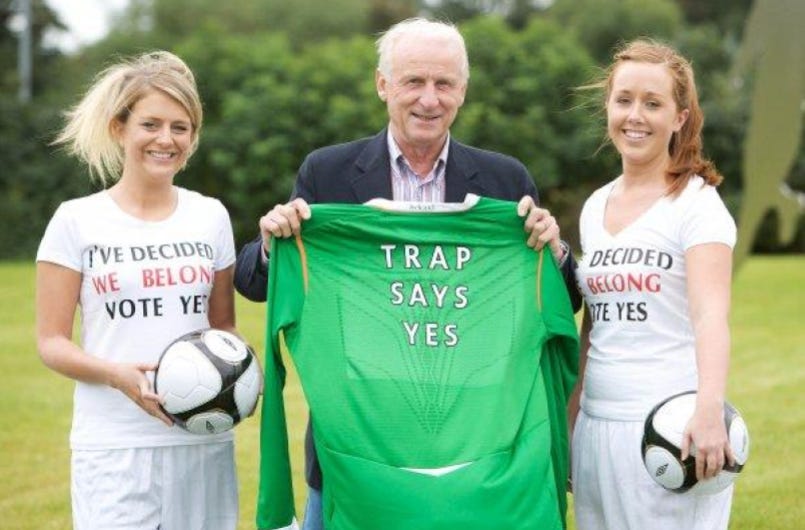
It got Europeans in Ireland involved: such as the soccer team’s Italian manager.
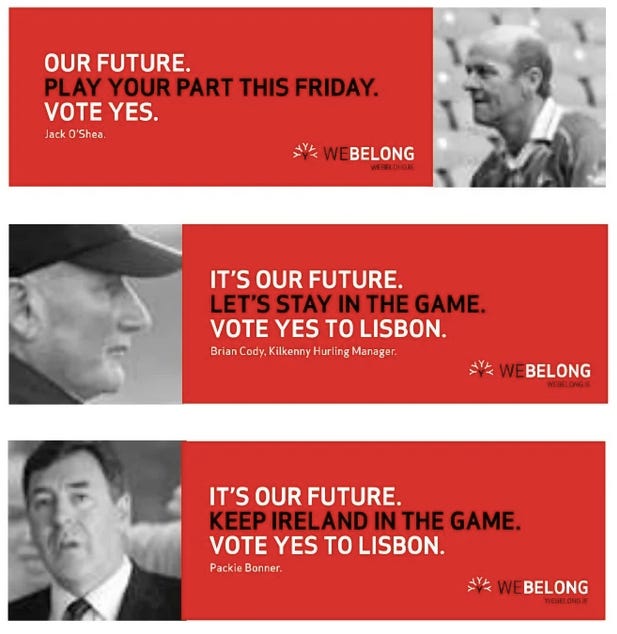
Organising culture: We Belong was designed to be a “modern, edgy campaign” drawing on “well-known people from across the worlds of art, sport, culture and entertainment”. Popular figures, not “flashy celebrities”.
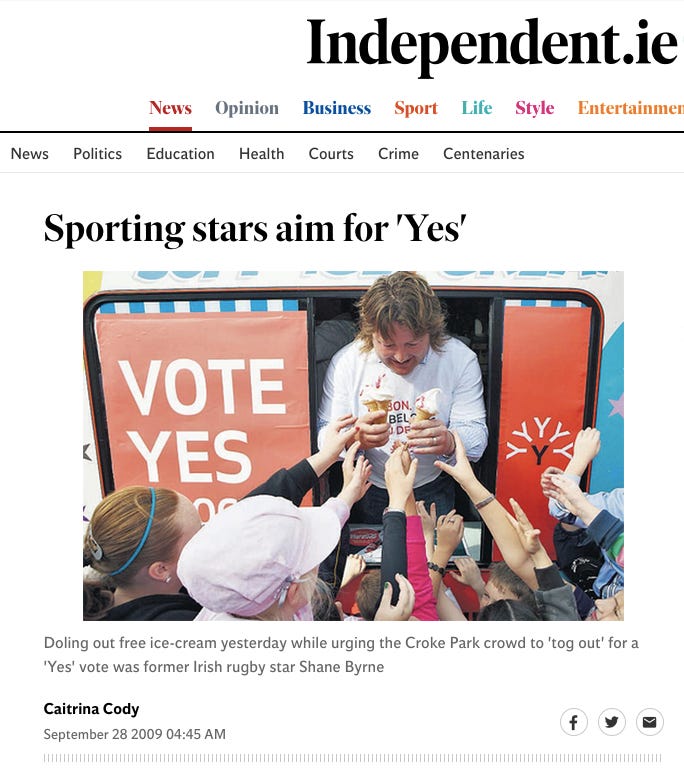
Media coverage: The Rupert Murdoch press did not want to run any pro-Europe stories. So the campaign had a famous rugby player give out ice cream in the middle of Dublin.
If you want to bring this vision to life in a small way, go and follow the3million a campaign group of UK Europeans. You can support them by engaging with their #ThisIsOurHome campaign.
“Hope is a muscle we should be training” - Ruth Tanner on the difference between hope and optimism.
“You can make life better if you have more time to spend with family or in nature,’ more on that Global Justice Report. As I’ve written before, to change the economy, we need to change what we value in life.
Democracy Stories Lab: open call for creators to share visual content about a more democratic future.
England’s first cycle street: A picture of a more European UK?
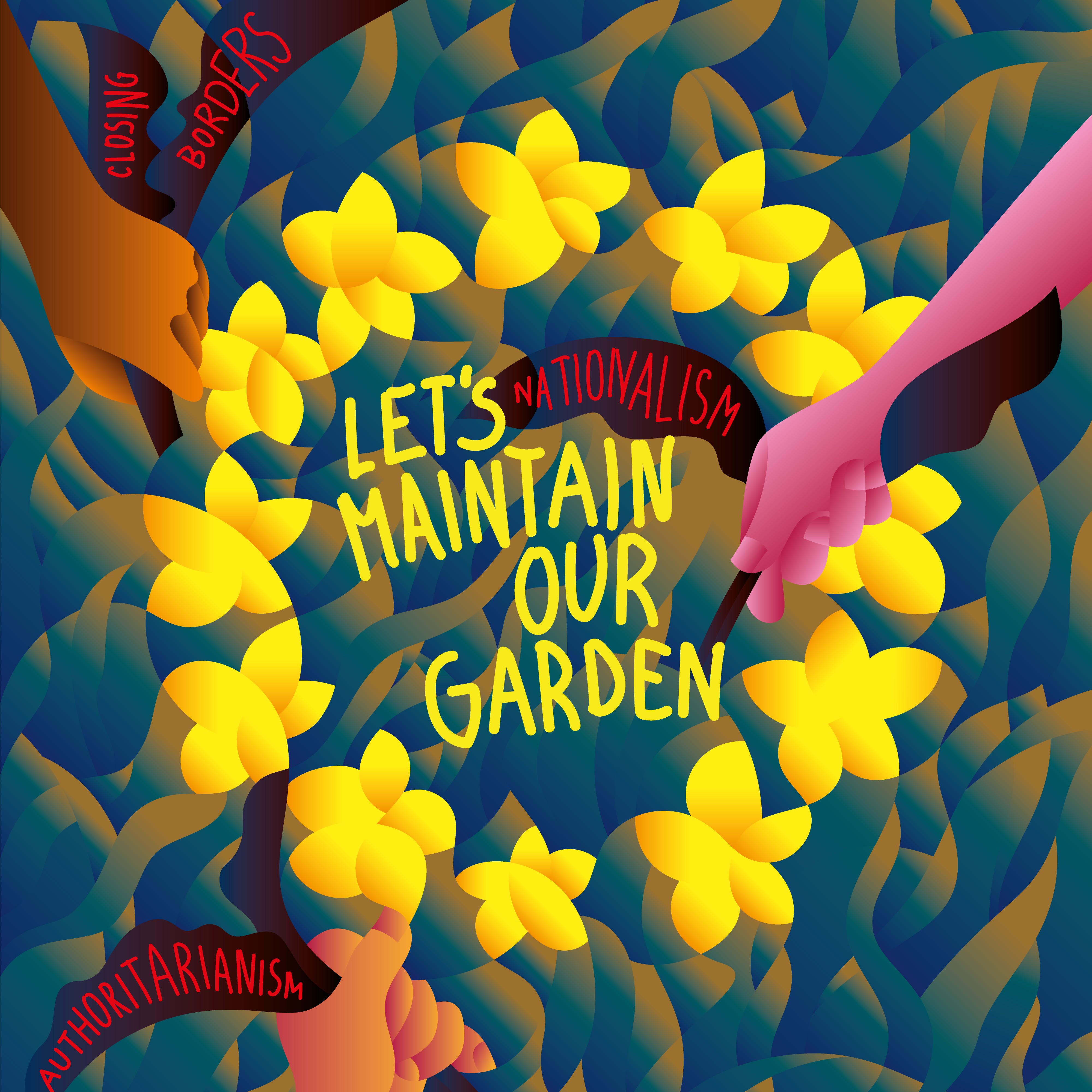
Get hopeful, pro-Europe illustrations from Fine Acts’ Europe Day and Culture of Solidarity collections.
When talking about Brexit, try to avoid the temptation of the “I told you so” message and instead look forward. We humans are good at making the facts fit the decision we have already made. So the task for pro-Europeans is to plot a positive path forward, and to slowly nurture shared values and identity.
I’ve spent a decade wondering what an effective counter-message to “Take Back Control” would have been. I think it could have been something about belonging: "
”All of us need to feel part of something bigger than ourselves”
“Symbiosis is the natural state of most organisms”
Reframing how we talk about nature is part of social change. So much of our collected thinking is shaped by outdated understanding of the natural world (e.g that migration is unnatural). A new book Togetherness is adding to a different picture, based on connection and collaboration.
And speaking of nature: look at how beavers stopped floods at a London tube station!
Land by Maggie O’Farrell (beautifully read by Brendan Gleeson for those who can get it on BBC) - good one for those who can’t get enough of the auld narrative mapping.
Every story of connection at the World Cup that remind us of the power of positive social contact: a small town in Kansas welcoming Algeria, Claudia Sheinbaum giving her tickets to young athletes, Scotland drinking all the beer in Boston, Cape Verde, and the campaign reminding Japanese men to also clean up at home! Don’t tell anyone, but I can’t help supporting England a bit this year 🫢 - could winning with a German manager improve the national psyche?
By the way, I’ve started clipping stories that feed a hope-based, shared humanity narrative. Send me any you see!
No posts
Comments
Nothing yet. Say the first thing.
Sign in to join the conversation.