
Why Privilege has to be part of the maternal mental health conversation.
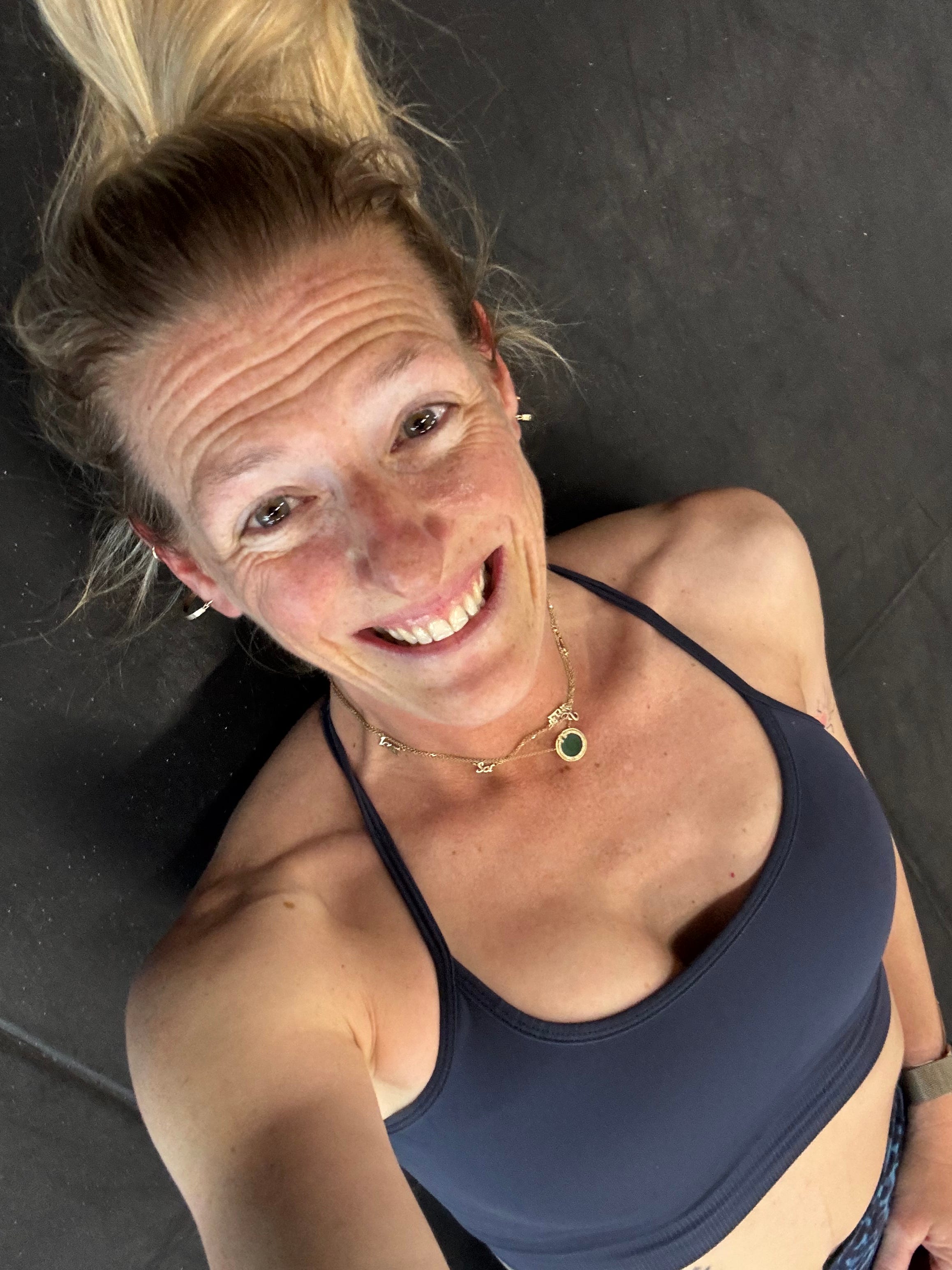
This week is maternal mental health week - it feels like every week is ‘something week’ where we see comments flood social media, issues and challenges being brought to the forefront of people’s attention. And then we seem to move on with our lives, back to posting pictures of our kids/ dogs/ workouts/ food etc. At this point, I feel strongly that this is a conversation that needs more attention paid to it, and I wanted to shed some light on why privilege - and this doesn’t always mean financial privilege - but it often does - plays an important part in the maternal mental health conversation.
I have had many conversations with clients and friends over the last few weeks that brought this further onto my radar. This and the fact that I am in the throes of newborn life again confirmed this, as well as some stats I saw about women and exercise, and the wise words of Elizabeth Davies in her book Training for my Old Lady Body. I guess this issue is about dispelling any myth we have around having the ‘same 24 hours in a day’ or that women are ‘choosing’ to not take control of their health and wellbeing. Since having my second baby 7 weeks ago, I have been lucky enough to be moving again, to be able to go running, I’ve even headed out with friends for an evening and with my husband for a date night - some things that people with newborns can only dream of - and I wanted to share how this has been possible for me.
My family set up - my husband and I work from home, we have very flexible jobs and so can support each other with childcare, if I want to go for a run after nursery drop off he can stay at home with the baby - this is a huge privilege and something I don’t take for granted.
My birth/ recovery has been fairly ‘straightforward’ - I don’t like to use the word easy, as I don’t believe any birth is easy, but I have had a relatively simple return to movement, no lasting injuries, and the ability to walk from very early on has contributed to my speedy return to exercise.
Knowledge & financial ability to prioritise support - by this I mean, I am fully aware of the part women’s health physios play in recovery, I am financially able to pay for this. I was referred to a pelvic health physio on the NHS at my day 5 appointment - I am yet to hear anything 6 weeks later. This demonstrates that although this support for women is technically available ‘for free’, the system is not always in place to make this happen.
My baby is relatively easy - I say this as I work whilst tapping her in her bouncer to keep her happy and content. She takes a bottle so I have the freedom to leave her for some short periods if I want/ need to. She currently doesn’t spend too much of the day crying, and although she is waking a few times a night, it feels manageable. This is not the case for so many new mums, and this has to be recognised as part of the conversation of ‘getting back to it’ post birth.
The reason I am sharing these things is simple - it is easy to look in from the outside and think ‘wow that person has really got their shit together and seems to be ‘doing it all’’, but context is everything here. I have had conversations with clients, who this week, as we work together to try and find ways to implement regular movement into their days, are really struggling to do so. Full-time jobs, babies that don’t sleep, breastfeeding or weaning challenges, and family set-ups which leave very little time for them to prioritise themselves.
But yet there are some facts we need to remember here:
The relationship between physical activity and a reduction in postpartum (and for the general population, for that matter) depressive disorders. This 2019 systematic review shows this clearly, and there are many more that indicate the same thing.
In a recent study by Asics (Move Your Mind), which I have seen quoted all over social media, 71% of women cited time as a barrier to exercise.
For me, there is a real concern here - something we know that has such an impact on mental health, specifically in the pre- and postnatal period, is something women are simply not able to find the time to do. And I see this so often. And whilst working out with your kids is an option to ‘fit it in’, or walking with your baby is ‘getting your steps in’- it should not always be the default. So how can we work together to support women in finding the time to implement movement into their days?
Having worked with many women over the last few years, the clients who feel supported to exercise by their partners are the ones who are able to prioritise themselves for that hour or two a week. Whether it’s weekly planning of when you will both be working out, a partner taking the kids out for that hour or doing bedtime/ breakfast time so that you have space and time to move in peace or whether it’s the encouragement we all need to get out the door for a run. This all matters. Knowing that you will be feeling so much better after time moving your body is the key to making it happen.
This said, solo parenting or single parenting sets an additional challenge - your routine might look different, but seeking support from those around you is key - it’s not selfish or self-indulgent to ask for 30 mins to go and get some fresh air in between the load of parenting, it’s about reaching out and asking where possible.
I wanted this issue to resonate with those who may, at this time, be struggling to find any sort of routine or time in the day, who feel overwhelmed by what they have to do and who may feel like ‘exercise’ is a thing of the past. I hope by reading this you find the confidence to seek some support, find small ways to move in the day or week, get outside, breathe and take a minute, however that looks for you. And if you are reading this and your partner is the primary caregiver in your home, take a moment to think about how you can support them. The link between maternal mental health and physical activity should not be ignored, as should the nuance of privilege in this conversation. Let’s not mistake lack of time and support for lack of motivation and find ways to offer this support where we can.
Helpful Resources:
The Maternal Mental Health Alliance
Samaritans - call on 116 123 or email jo@samaritans.org.
If you need urgent help or know someone who does, please call 111 or go to your nearest hospital.
If you would like to chat about implementing movement into your day or week in a kind and supportive way, please do reach out!
I x
Have you loved reading this week’s issue? Want some more positivity, motivation, and energy to help you with your overall health and fitness? Check out the ways below you can work with me:
👩🏾🤝👩🏼 🤰🏻🏋️ 1:1 personal training/ coaching - fun, energising and motivating workouts tailored to your goals (including pre/ post-natal, strength training focus & run coaching)
🧠 coaching beyond the body - help me connect your body and mind and use this to make significant changes in your daily life. From mindset to motivation and beyond.
📒 personalised training plans - think motivation and support in structuring workouts, forming healthy habits, and smashing your goals (whatever they may be!)
🎥 filmed workouts personalised to you that you can do anywhere, anytime.
Get in touch here if you’d like to work with me
No posts
Comments
Nothing yet. Say the first thing.
Sign in to join the conversation.