
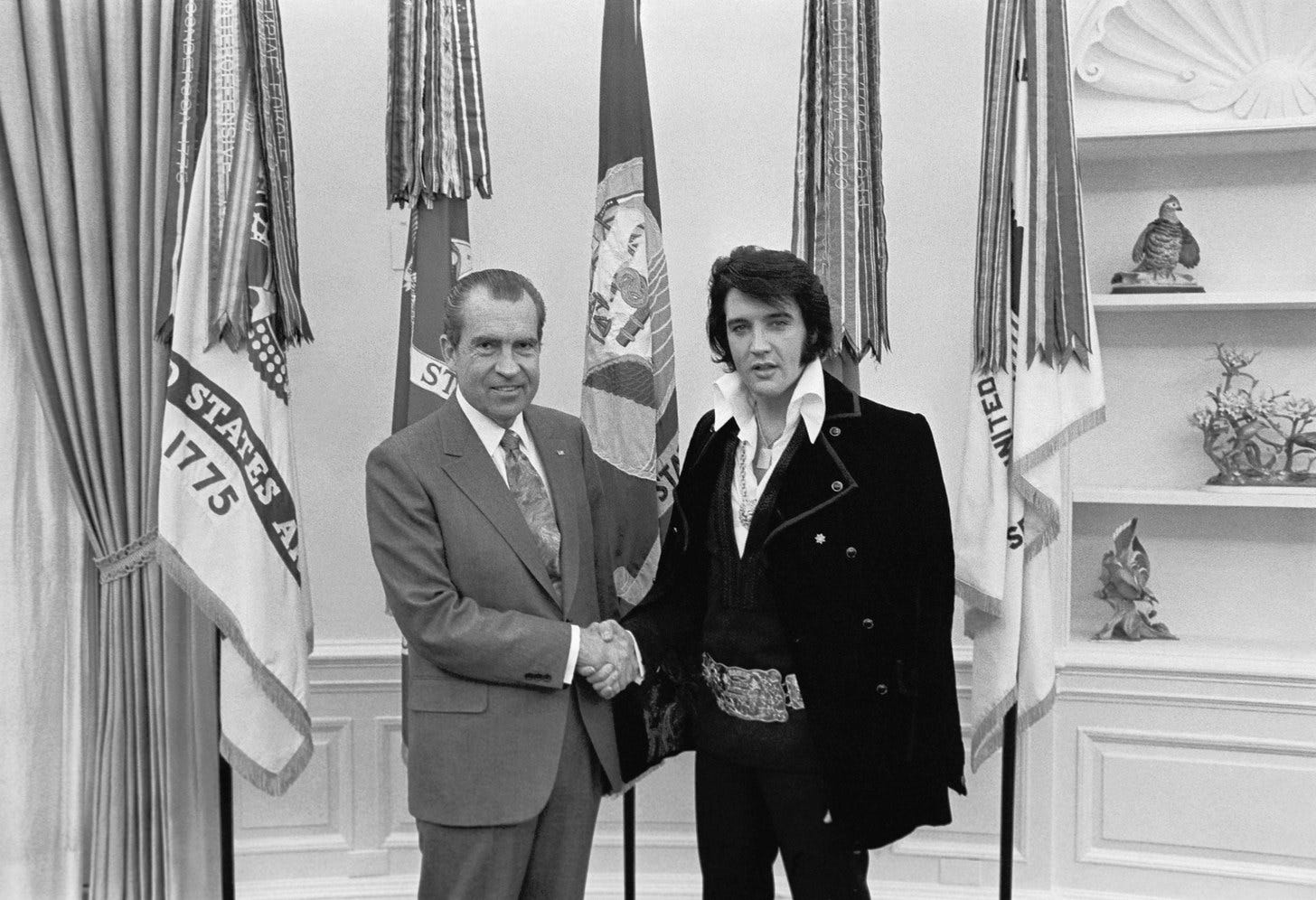
Elvis Presley was found on the floor of his bathroom at Graceland on the afternoon of August 16, 1977. His fiancee, Ginger Alden, had woken in the master bedroom and found the bathroom door closed. When she opened it he was face down on the carpet and had been there long enough that he could not be revived.
The house went to pieces. Somebody called downstairs, somebody called an ambulance, and Joe Esposito, who had been his road manager for years, worked on him on the floor until the paramedics arrived. They took him to Baptist Memorial Hospital with a full crew working on him the whole way. He was pronounced dead there in the middle of the afternoon. He was forty-two.
That evening he had been due at the airport. A tour was starting the following night in Portland, Maine, and the aircraft was fuelled and the schedule was printed and the tickets were sold. He had done this hundreds of times. The plan for August 16 was an ordinary working day that ended with a flight.
The news went out in the late afternoon and the reaction was not like the death of a singer. Memphis stopped. Crowds formed at the Graceland gates within the hour and did not leave, tens of thousands of them by nightfall, standing in the August heat on Elvis Presley Boulevard. Two women in the crowd, both nineteen and both from Louisiana, were killed two days later on the eve of the funeral when a car went into the mourners waiting outside. President Carter put out a statement saying Presley's death deprived the country of a part of itself. Radio stations went to all-Elvis programming and stayed there for days. Record shops sold out of everything they had, and RCA went to round-the-clock pressing.
He was buried at Forest Hill Cemetery beside his mother, and after an attempt to steal the body two weeks later, both were moved to the meditation garden at Graceland, where they remain.
The obvious question was answered fast and badly. The official cause of death given at the time was cardiac arrhythmia, an irregular heartbeat. That is a true statement about the mechanism by which he died and it explains nothing at all, because an irregular heartbeat is what the heart does when something else has gone wrong. What had gone wrong was a matter of record inside the house and had been for years.
He was, by the accounts of nearly everyone around him, extremely unwell. He had been hospitalised repeatedly through the mid-seventies. He was carrying a great deal of weight, his eyesight was poor, his blood pressure was bad, his liver was damaged, and his colon was significantly enlarged. He was thirty-five when he last looked like the man on the records and forty-two when he died, and the intervening years are not a mystery.
The man who signed the death certificate had been his personal physician since 1967, travelled with him, and was standing in the emergency room that afternoon. In the first eight months of 1977 alone, that doctor had written Elvis Presley prescriptions for more than ten thousand doses.
1960: The Man Who Stepped Off the Edge of the Sky
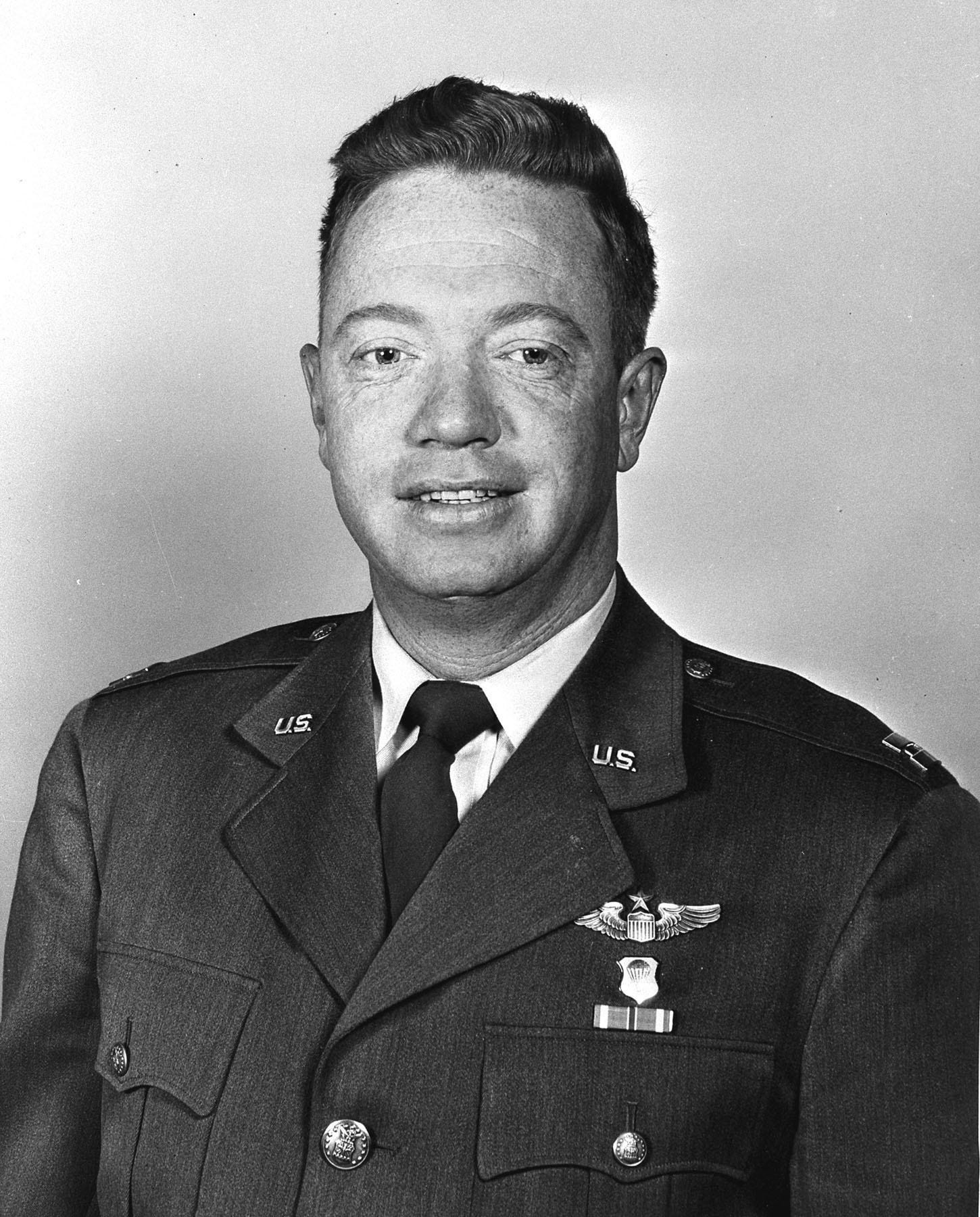
Joseph Kittinger, a thirty-two year old Air Force captain, rode an open gondola under a helium balloon to 102,800 feet over the New Mexico desert, nineteen miles up, where the sky above him turned black. On the way up the pressure seal in his right glove failed and his hand swelled to twice its size. Flight surgeons on the ground left the call to him. He kept going. At the top he ran his checks, said a short prayer over the radio, and stepped off. For the first seconds there was almost no sensation of falling because the air was too thin to push back. Then it caught him, and he fell for four minutes and thirty-six seconds, reaching 614 miles per hour, faster than any human had travelled without an aircraft. Project Excelsior existed to answer a blunt question the space age had raised: if a pilot has to bail out at the edge of the atmosphere, can he live? Kittinger's answer, delivered with one useless hand, was yes. His records stood for fifty-two years.
1896: A Nugget in Rabbit Creek
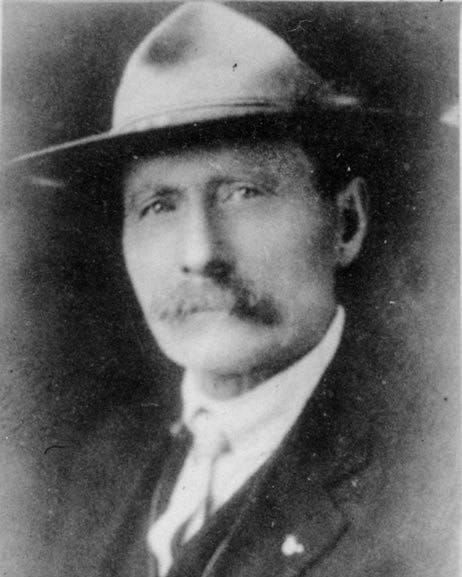
A party including George Carmack, his wife Kate, her brother Skookum Jim Mason and their nephew Dawson Charlie were working a tributary of the Klondike River in the Yukon when they found gold in the gravel. Which of them actually spotted it has never been settled, and the party agreed to put Carmack's name on the claim because they expected the mining recorder to baulk at registering it to an Indigenous prospector. The creek was renamed Bonanza. News took most of a year to reach the outside world, and when a steamer carrying Klondike gold docked at Seattle in July 1897 it set off one of the great manias of the century. Something like a hundred thousand people set out for the Yukon. Perhaps thirty thousand got there. The Canadian authorities, watching men arrive to starve, eventually required every prospector to bring a year of supplies, roughly a ton of goods, hauled over the Chilkoot Pass on their own backs in relays.
1962: The Beatles Fire Their Drummer
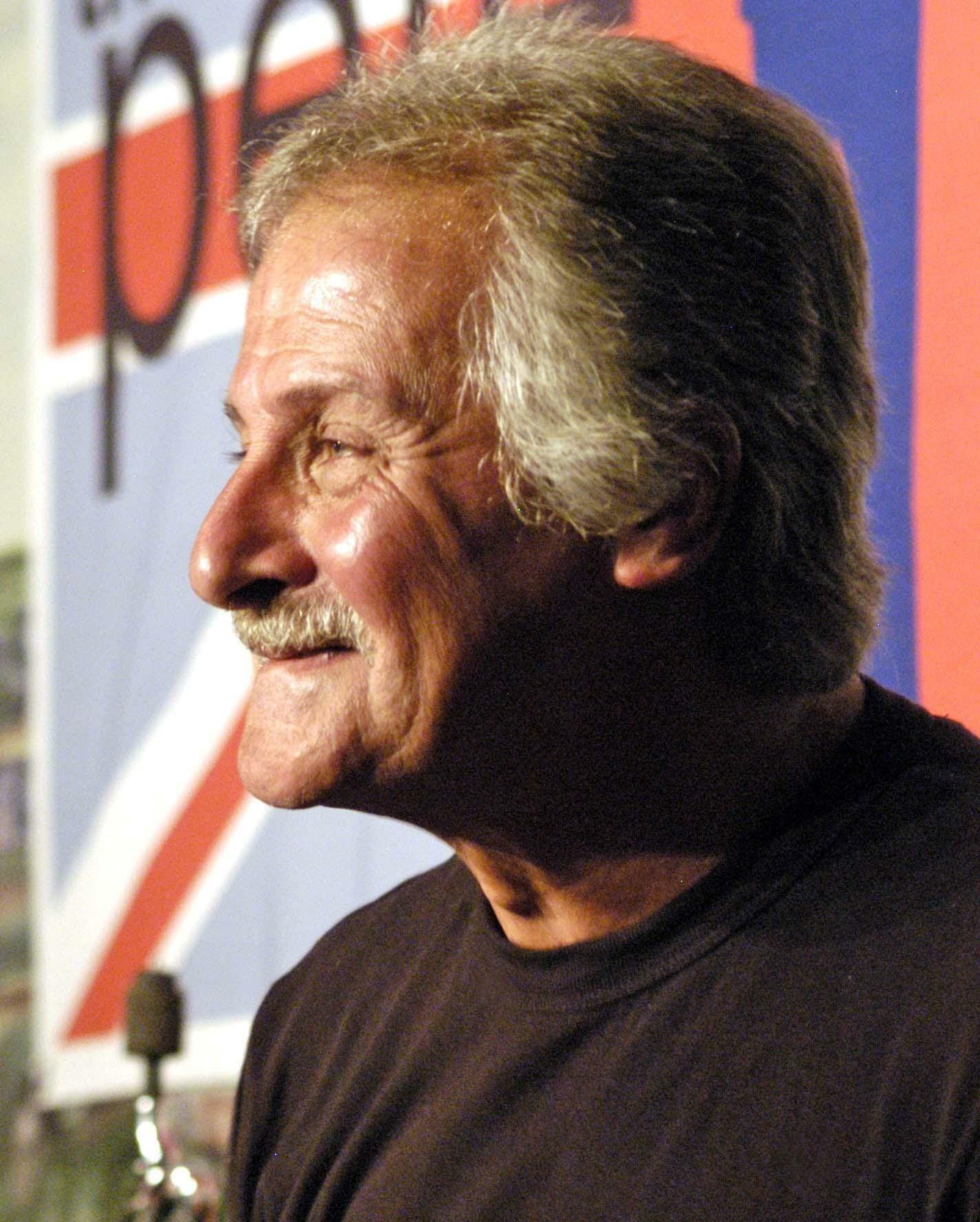
Pete Best had been the drummer for two years, through Hamburg and the Cavern and the audition that got them a contract. On August 16, 1962, Brian Epstein called him into the office and told him he was out and that Ringo Starr was joining on Saturday. Best asked why. The answers he got then and since have never quite settled: that George Martin had wanted a session drummer on the record, that the other three thought Starr was better, that Best did not fit socially, that he was too popular with the girls. Epstein, by his own later account, found it one of the worst things he ever had to do and had put it off. Best played his last date that night. Fans picketed the Cavern for weeks and George Harrison turned up with a black eye. Best spent twenty years out of music working as a civil servant, and then in the mid-nineties the Anthology releases included tracks he had played on, and he finally received royalties from the band that had let him go.
The full deep dive is about the doctor who signed the certificate. He had been Presley's personal physician for a decade, travelled with the tours, and in the first eight months of 1977 alone he wrote prescriptions for more than ten thousand doses. We cover the defence he spent the rest of his life making, why the autopsy findings were never released, why the laboratory findings and the ruling on the certificate did not match, how he was acquitted on every count at trial in 1981 and lost his licence anyway in 1995, and the question that outlives all of it. Start your free 7-day trial to read it.
Comments
Nothing yet. Say the first thing.
Sign in to join the conversation.