
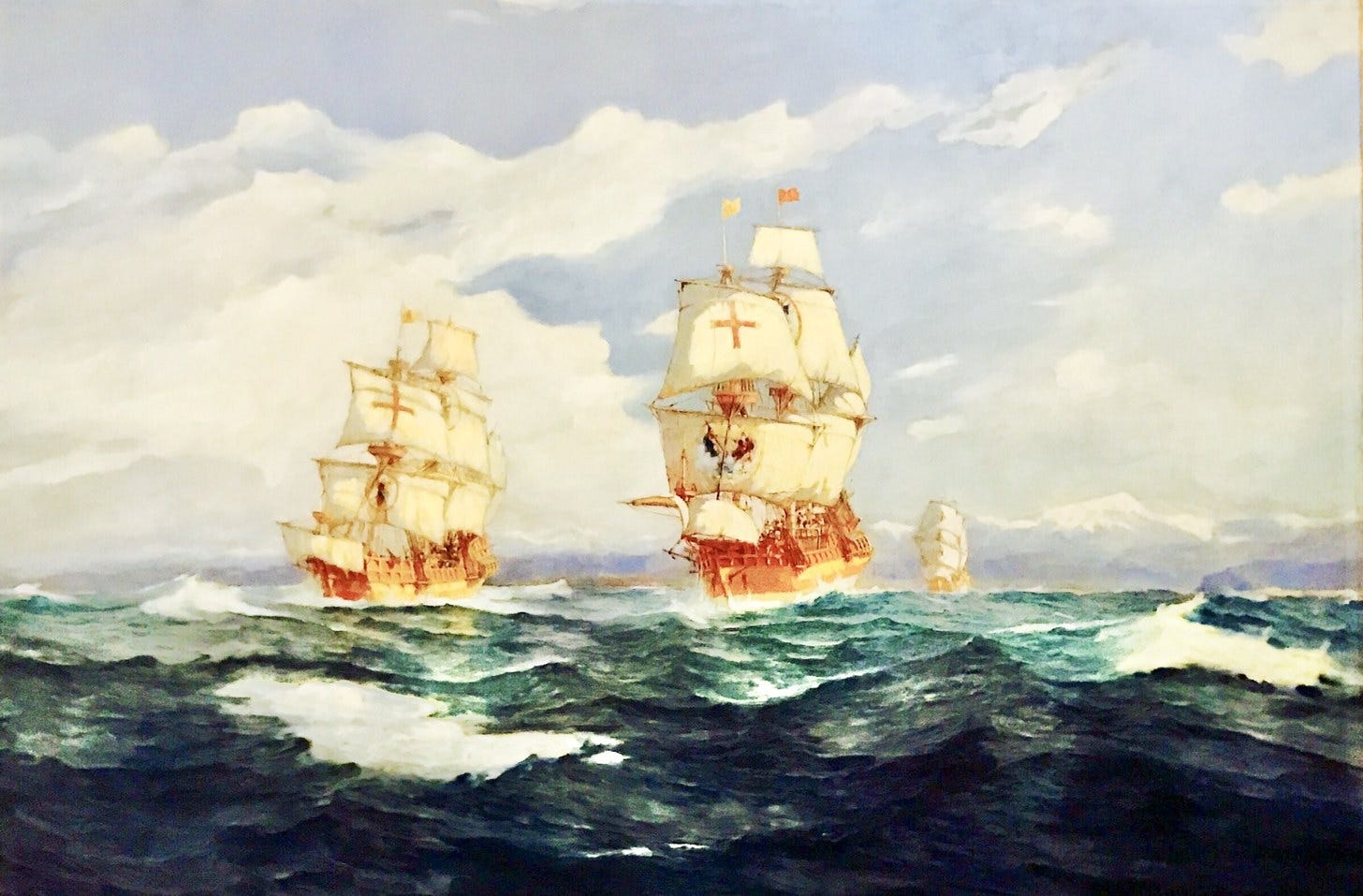
Ferdinand Magellan was not Spanish, and the men he was about to command knew it. He was Portuguese, a veteran of the Indian Ocean campaigns with a limp from a Moroccan spear wound, and he had spent years pushing his westward plan at the court in Lisbon before King Manuel refused him for the last time and told him he was free to serve whomever he liked. He took the offer literally. He crossed the border, swore himself to Charles I of Spain, and asked the Spanish crown to fund the voyage his own king had dismissed.
On August 10, 1519, that voyage began. Five ships cast off from Seville and worked their way down the Guadalquivir toward the sea: the Trinidad, with Magellan aboard, and the San Antonio, Concepción, Victoria, and Santiago. Roughly 270 men sailed with them, Spaniards mostly, but also Portuguese, Italians, Greeks, Frenchmen, and at least one Englishman. They did not go far that day. The fleet lay at Sanlúcar de Barrameda for more than five weeks while Magellan took on stores and dealt with the Spanish officials who had been placed aboard specifically to watch a foreign captain they did not trust. The ocean crossing did not begin until September 20.
The goal was the Moluccas, a small cluster of islands in what is now Indonesia that produced nearly all of the world's cloves and nutmeg. Portugal controlled the eastern route around Africa. If Spain could reach the same islands by sailing west, the treaty that had divided the unexplored world between the two crowns might be read to put the spice trade in Spanish hands. Everything depended on a premise no one had tested: that somewhere along the coast of South America there was a passage through to the ocean on the other side.
There was, though it took fourteen months to find. The fleet wintered on a freezing Patagonian shore where three of Magellan's five captains rose against him, and he put the mutiny down with a speed that shocked even men who had expected violence. The Santiago was wrecked scouting the coast. The strait, when they finally entered it in October 1520, ran for more than three hundred miles through a maze of channels and dead ends under mountains with no visible way out. The San Antonio slipped away in the confusion and sailed home to Spain, carrying most of the fleet's provisions and a story in which Magellan was the villain.
Three ships came out the other side into water so unexpectedly calm that Magellan called it the Pacific. Then came the part no one had planned for, because no one knew how wide the ocean was. They sailed for three months and twenty days without resupply. The biscuit turned to powder crawling with worms. Men ate the leather off the yardarms after soaking it in seawater, and sawdust, and rats when they could catch them, and paid well for the privilege. Their gums swelled over their teeth with scurvy until they could not chew. Nineteen died.
Magellan did not live to see the Moluccas. On April 27, 1521, on the island of Mactan in the Philippines, he waded ashore with about sixty men to fight a local chief named Lapulapu on behalf of a rival he had recently converted. He had ordered most of his force to stay in the boats and watch, so they would see what Spanish arms could do. He was hit in the leg with a poisoned arrow, then swarmed in the shallows while his men could only look on. He was forty one.
The survivors burned the Concepción for lack of hands to sail her, took the last two ships to the spice islands at last, and loaded the cloves they had crossed the world for. The Trinidad tried to return east across the Pacific and was captured by the Portuguese. That left one ship. On September 6, 1522, the Victoria came up the same river the fleet had descended three years earlier, so worm eaten that men worked her pumps around the clock, and put ashore eighteen men who could barely stand. They had gone all the way around. They were the first.
The man who brought them home had been condemned to death by Magellan two years before, for mutiny, and had served part of his sentence in chains.
1861: The General Who Would Not Retreat
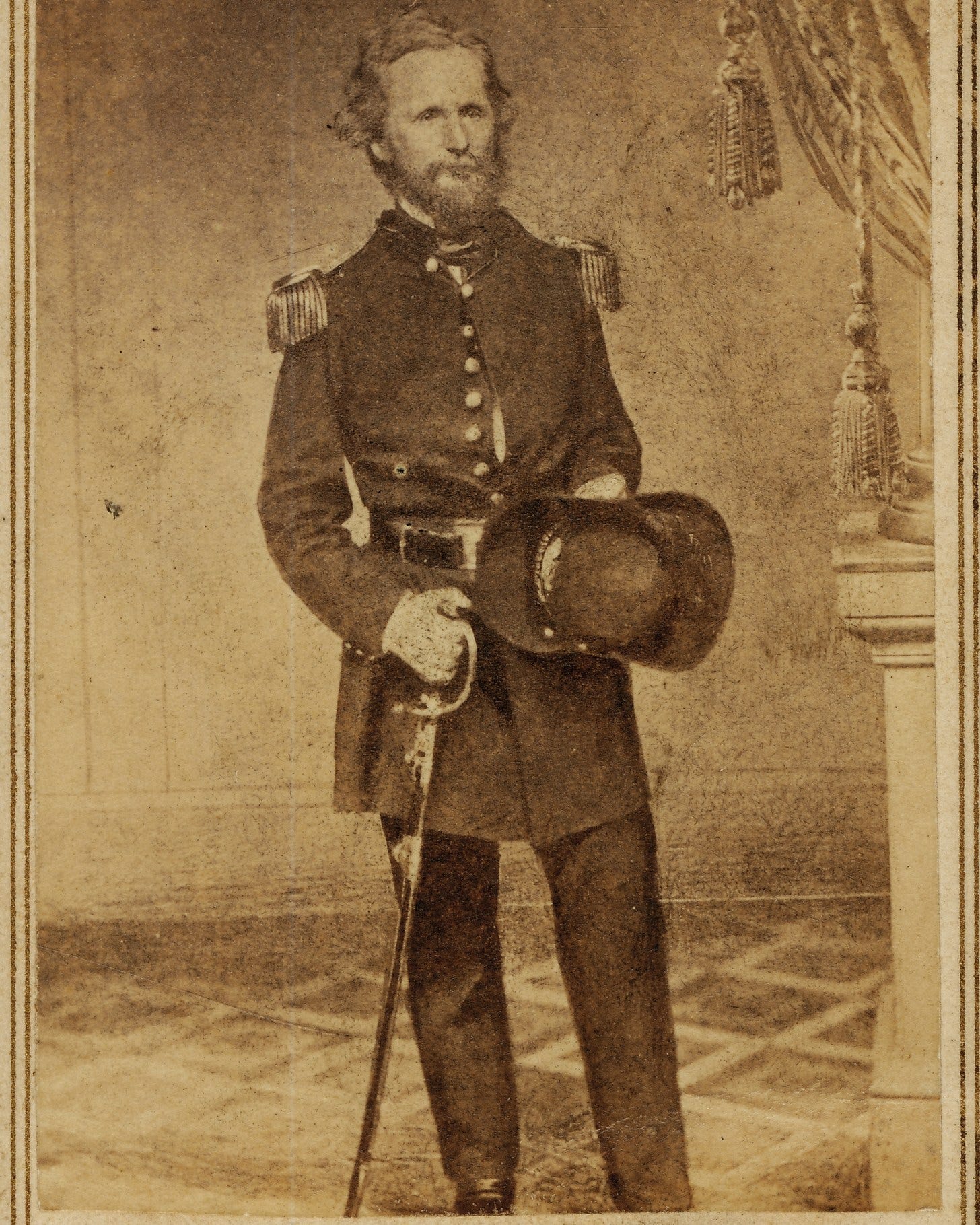
Brigadier General Nathaniel Lyon had already saved Missouri for the Union once that summer, seizing the state arsenal at St. Louis and running the secessionist governor out of the capital. In August he found himself outside Springfield with about 5,400 men facing roughly twice that number, his enlistments expiring, and no reinforcements coming. He chose to attack anyway, splitting his small force in two and striking at dawn on August 10 along Wilson's Creek. The fighting was close and confused, some of it at thirty yards, in a war young enough that both sides still wore uniforms that got them shot by their own men. Lyon was hit twice and had a horse killed under him, then took a bullet through the heart while leading a regiment forward on foot. He was the first Union general killed in the Civil War. The Union lost the field and Springfield with it, but the fight cost the Confederates enough that they did not press north, and Missouri stayed in the Union for the rest of the war.
1628: The Warship That Sank in Full View of the Crowd
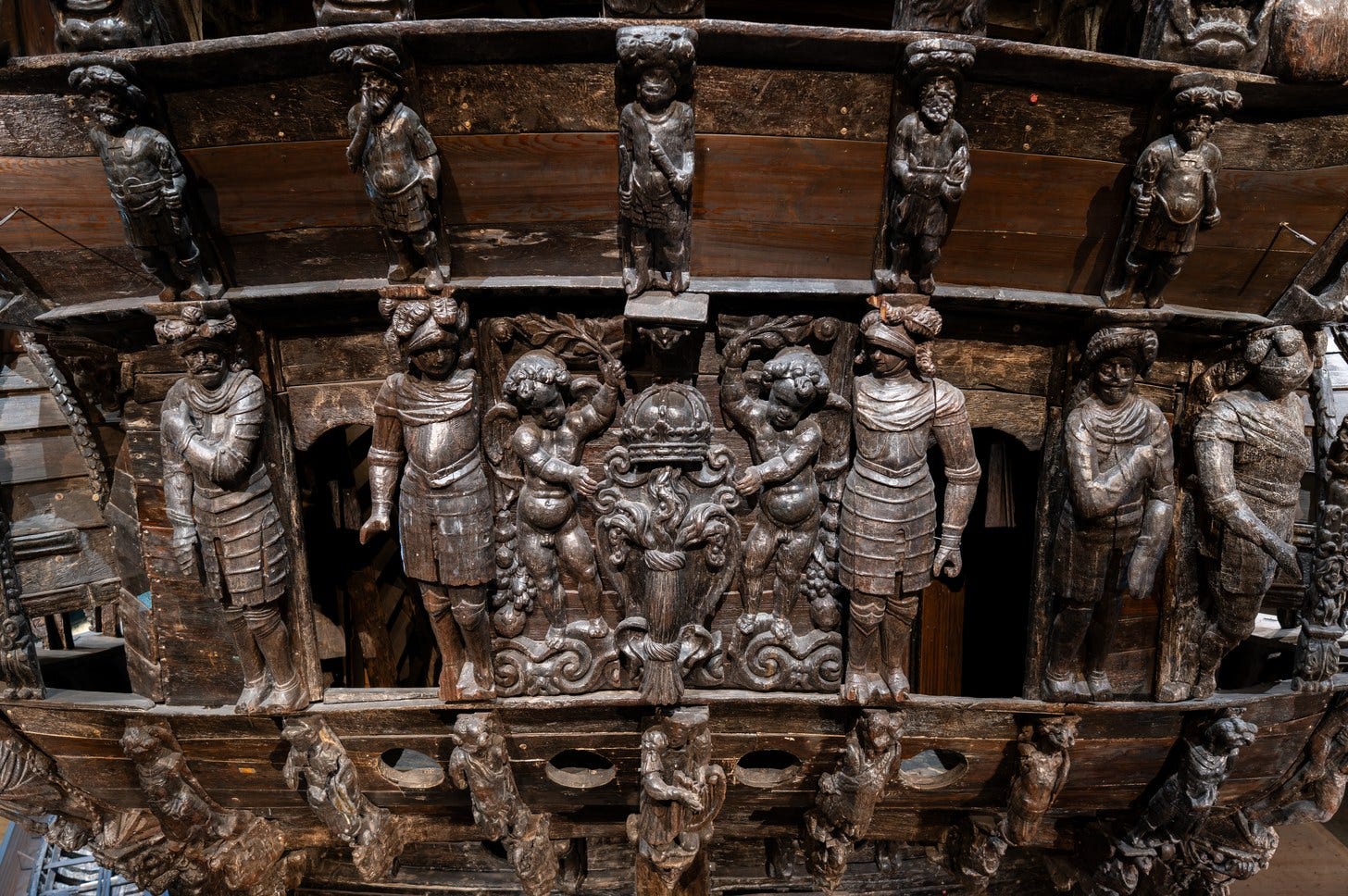
The Vasa was the most heavily armed ship Sweden had ever built, and King Gustavus Adolphus had taken a personal interest in her, including in the second gun deck added after construction was underway. Shipwrights knew she was unstable. A stability test conducted before her launch was stopped early when thirty men running side to side made her roll so alarmingly that the admiral supervising it called it off, and said nothing to the king. On August 10 she left the Stockholm quay on her maiden voyage with crowds lining the shore and her gunports open for a salute. A modest gust caught her about 1,300 metres out. She heeled, took water through the open ports, and went down within minutes. Around 150 people were aboard for the ceremonial voyage, including crew families invited along for it, and roughly thirty of them drowned. The inquiry that followed blamed no one, which was the only safe conclusion available. She sat in the harbour mud for 333 years, was raised almost whole in 1961, and is now the best preserved seventeenth century ship in the world.
1793: The Palace Becomes a Museum
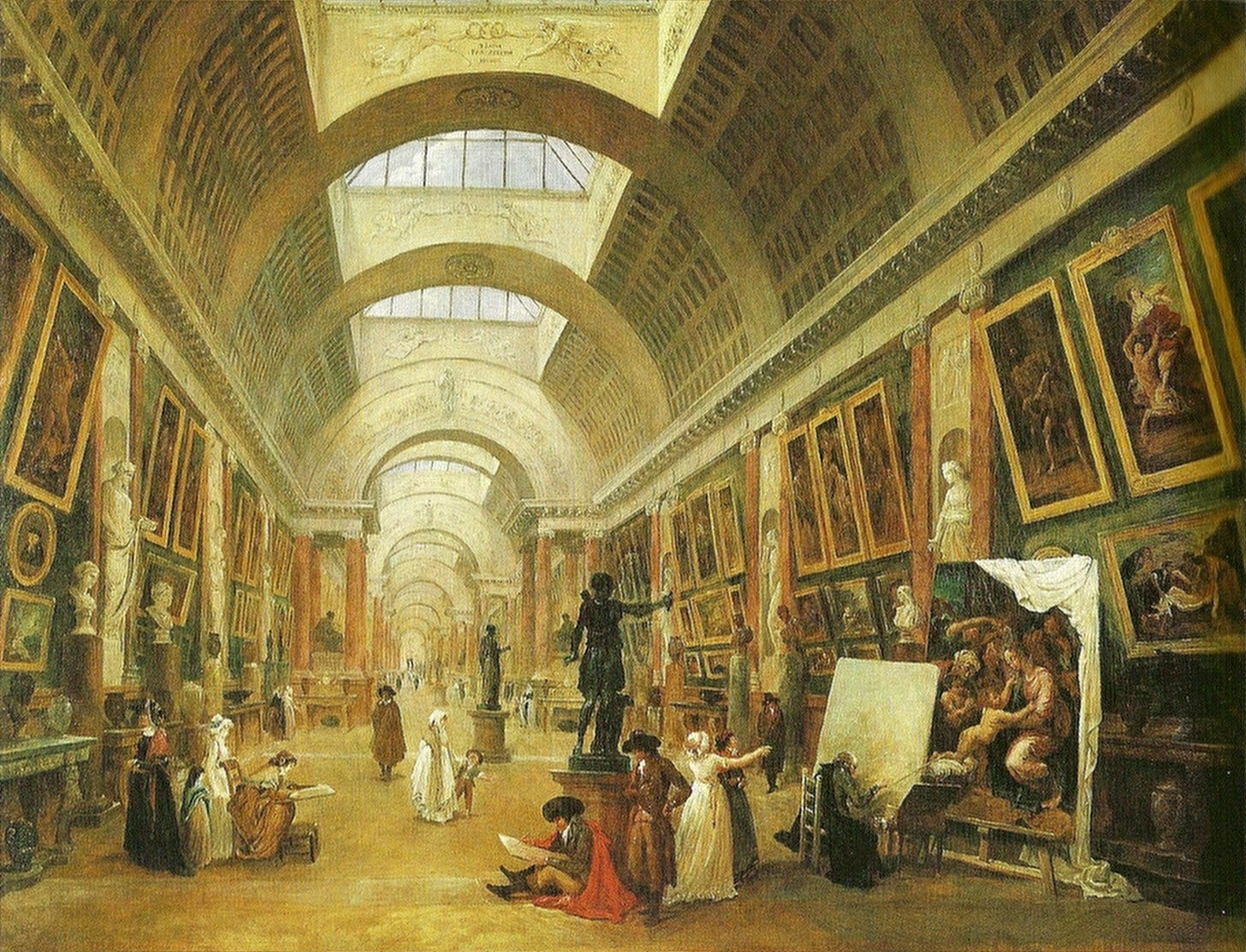
One year after a Paris mob stormed the Tuileries and ended the French monarchy in practice, the revolutionary government opened the Louvre to the public as a museum. The date was chosen deliberately to mark that anniversary. The collection was largely what the kings had assembled for themselves, now redefined as property of the nation, and admission was free. In the early days it was open to the general public only three days out of every ten, with the rest reserved for artists to copy from, and the paintings hung floor to ceiling with little to explain them. It was a genuinely radical idea all the same: that the finest things a country owned belonged to everyone in it. The Louvre now receives close to nine million visitors a year, more than any museum on earth.
The full deep dive is about the man who actually completed the circumnavigation. Juan Sebastian Elcano was one of the officers who mutinied against Magellan in Patagonia, and he survived a purge that saw one captain stabbed in his cabin, another beheaded by his own servant, and the crown's inspector marooned on an empty coast. Read what Magellan did to the mutineers and why he let this one live, what Elcano did to get the last ship home through Portuguese waters, and how it ended for him four years later. Start your free 7-day trial to read it.
Comments
Nothing yet. Say the first thing.
Sign in to join the conversation.