
Medieval Spain is one of those things that everyone can partly imagine, but few actually understand beyond the clichés that it seems to be at first. Abroad, it is often reduced to castles and extreme Catholicism, focusing on the inquisition and the Reconquista. However, Medieval Spain is a 700-year-long period in which most of the present-day old towns that you can visit in Spain were built. Catholicism was part of it, but this interesting period in History encompasses much more than just that.
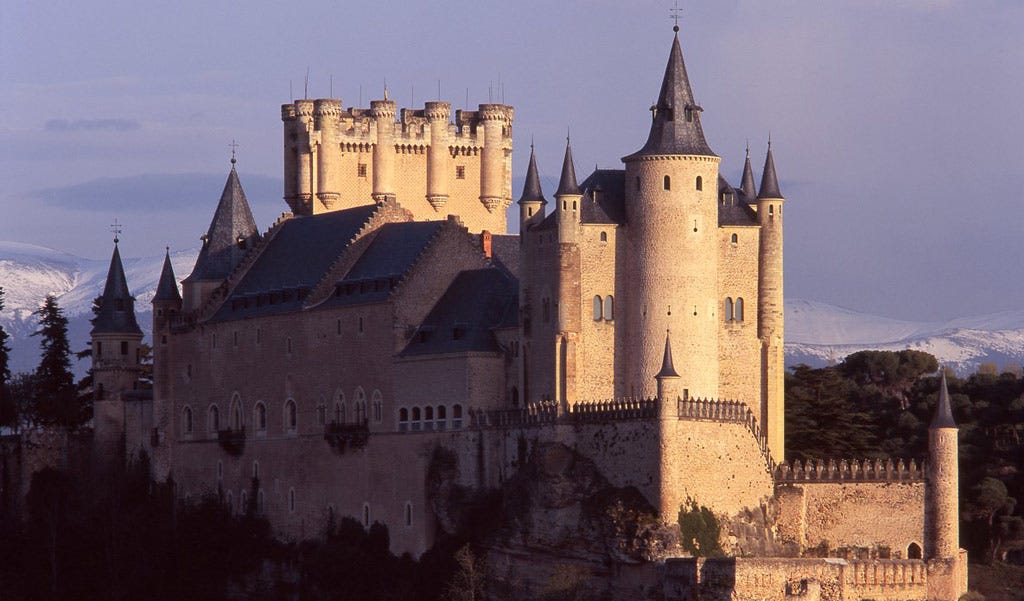
If you’ve ever visited Spain, or learned about Spanish History, you know that there are many Muslim traces of Medieval Spain across the country, showing the diversity of the period, especially in Andalucía. The Alhambra is probably the most famous icon, but there truly are many other great examples. The Alcázar of Seville is also part of this heritage. It has been used as a filming location for Game of Thrones, and it’s also the oldest active royal residence in the world, as the Spanish royal family still stays there when they visit Seville.
In this article I will take you through 5 different places in Spain that you can visit to witness Medieval Spain, experiencing the multiple layers and faces of this period. Some of the places are obvious stops, while others are hand-picked by me, as they represent a specific aspect of Medieval Spain that is hard to find elsewhere in Spain.
León is one of those cities that many visitors ignore or pass over too quickly. For international travellers it can often come across just as a stop of the Camino de Santiago, with a beautiful cathedral and nice food.
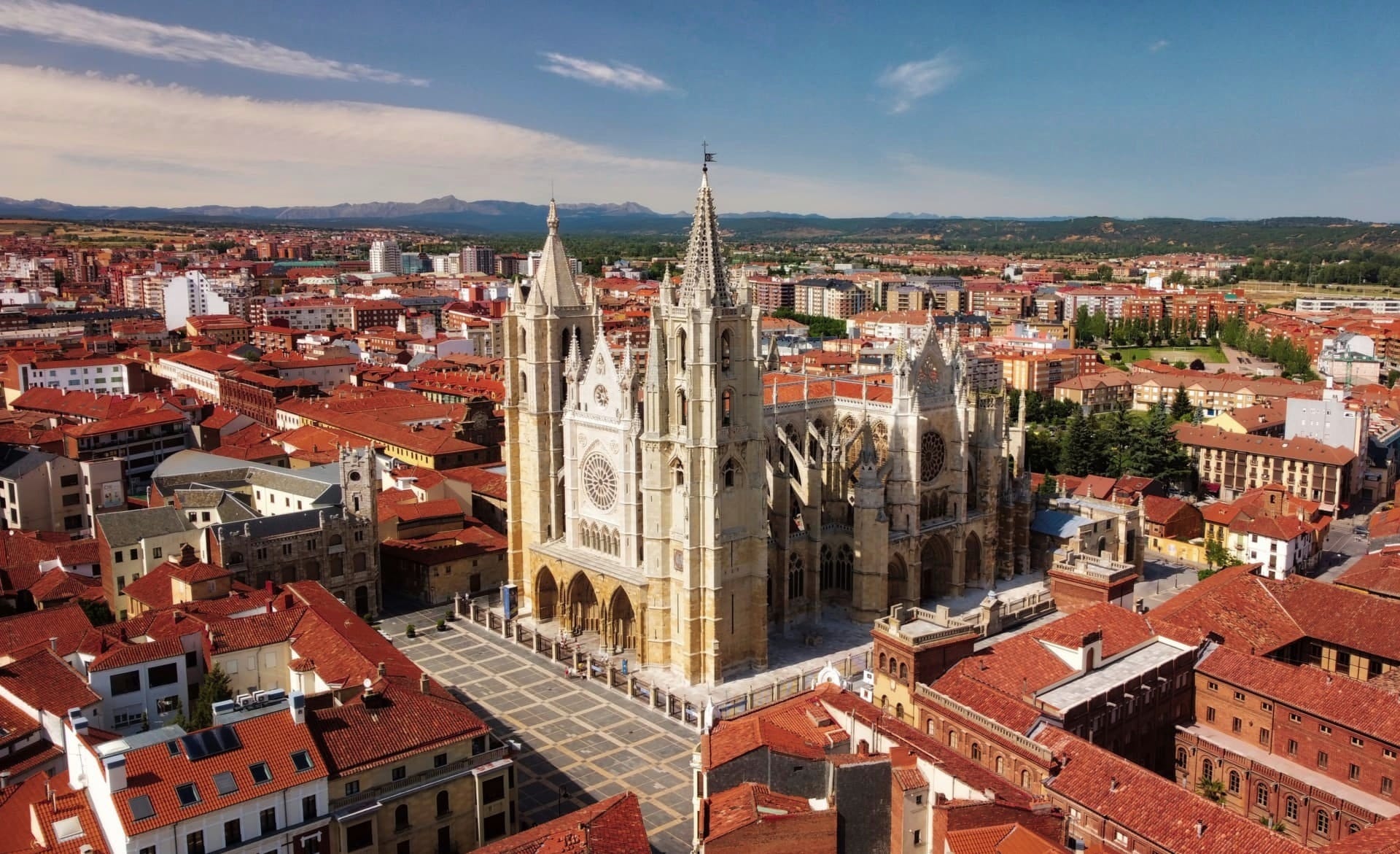
But if we look a bit deeper, it’s easy to notice that León goes a long way beyond that. We are talking about the place that hosted history’s first parliamentary bodies involving representatives of the urban middle class, in 1188. On top of that, León is one of the kingdoms of Medieval Spain that played a major role in the Reconquista, making its way into the Spanish coat of arms through the lion symbol that represents León. Additionally, some scholars have recently started to believe that León is home to the Holy Grail, with some clues supporting the claim, though without robust evidence.
In a previous article of History of Spain, I already wrote about a famous saying that illustrates León’s early development compared with Castile’s. It goes like this:
“León tenía 24 reyes antes que Castilla leyes.”
“León had 24 kings before Castile had laws.”
This saying, which is historically true, reflects the fact that León was a much older and more established kingdom than Castile, with structures in place and a long legacy of monarchs, 24 kings, before Castile even passed its first laws.
Before Castile became the great political force that most people associate with Medieval and early Modern Spain, León was one of the major centres of Christian power in the Iberian Peninsula. The kingdom of León emerged from the Asturian world, although the region had earlier historical traces from the Romans and earlier pre-Roman tribes, and quickly became a key political player in the northwestern Iberian Peninsula. León had an important role in key parts of the Reconquista, with king Alfonso VI from León being the monarch who conquered Toledo in 1085.
Coming back to the Reconquista, which lasted practically the entirety of Medieval Spain, it’s important to note that the Christian world didn’t operate as a unified body moving south and taking territories from the Muslims. There were different kingdoms that interacted with each other, which happened through alliances, rivalries and wars. León was one of these Christian kingdoms, so visiting the city is a glimpse into a northern Spanish Christian stronghold that participated in one of history’s most decisive and longest processes, the Reconquista, which had a severe impact on how the world looks today.
Back in the day, medieval power was often showcased through armies, force and wealth. And building a great cathedral was a great way to convey that power in a visible and imposing way, noticeable from within the city and surroundings. As we can imagine, funding a Gothic-style architectural masterpiece like the Cathedral of León must have been an astronomical expense, which hints at the power and prestige that León wanted to display. We could think of it as a statement of importance written in stone. Although it’s also worth mentioning that building a temple like this was not only linked to status or bragging, but also to religious and spiritual reasons.
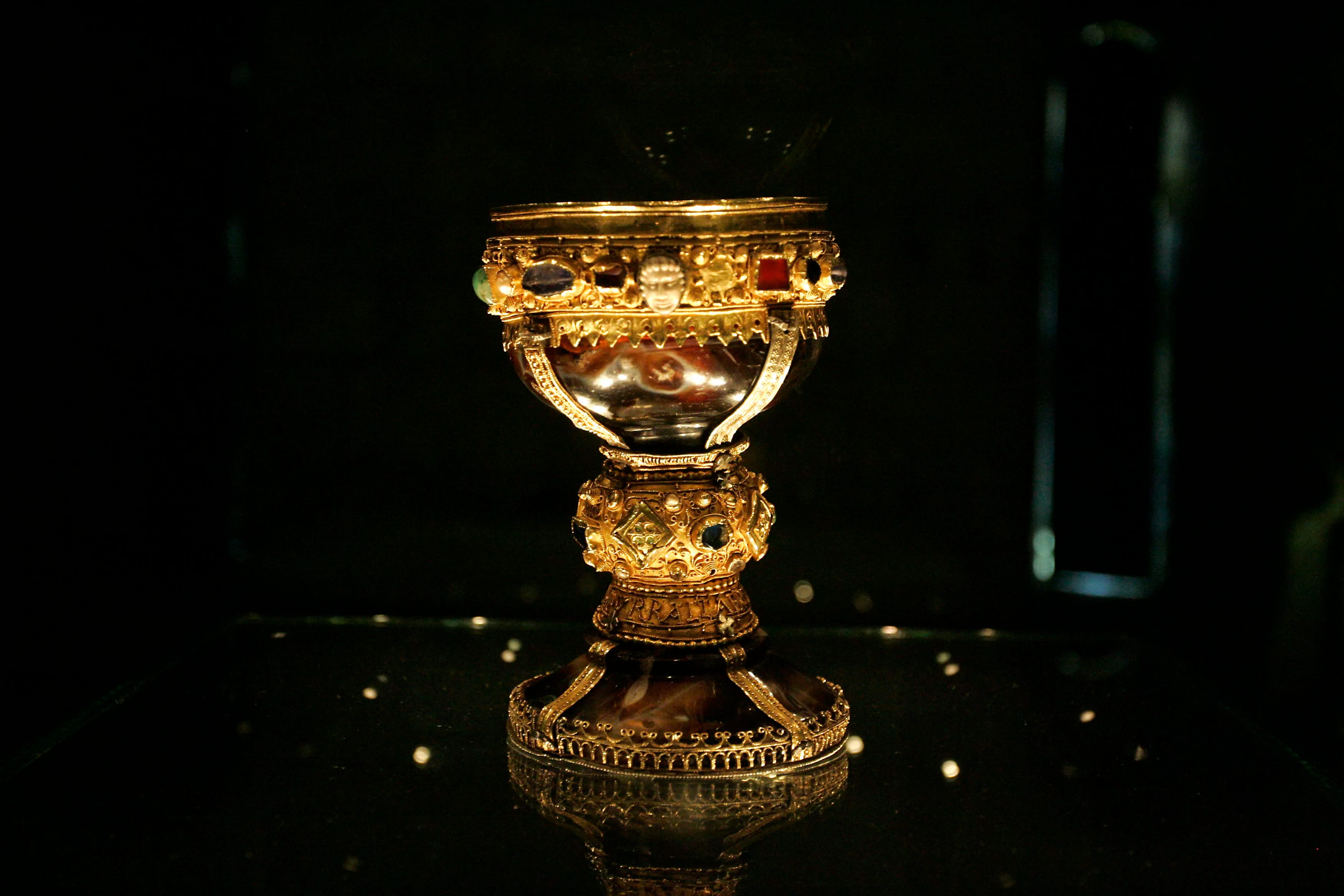
There is also the San Isidoro basilica in León, which hosts the royal pantheon of the monarchy from León. There are paintings of kings and queens, and visiting it allows you to step into the physical archive of some of Medieval Spain’s most important rulers, from one of the kingdoms that formed the Christian north during the period. Inside this basilica, you can also visit the famous Chalice of Doña Urraca, which is believed by some scholars to be the real Holy Grail:
Jaca is one of those places that many people outside of Spain have never heard of. Within Spain, it’s known for its ski resorts, located in the Pyrenees mountain range, which stretches along the French-Spanish border. But Jaca is also one of the most interesting places to include in a Medieval Spain itinerary.
Jaca sits in the Pyrenees, in the region of Aragón, close to the mountain routes that have connected the Iberian Peninsula with the rest of Europe for millennia. And, contrary to the straightforward Medieval relevance of great cities like Córdoba or Toledo, these routes and passes made Jaca a very relevant place to visit to understand this period in the Iberian Peninsula.
At the end of the Middle Ages, the Crown of Aragón was one of the most important kingdoms in the Iberian Peninsula. It was ruled by one of the Catholic Kings, the couple who finished the Reconquista and funded Christopher Columbus’ expedition. The ruler of the Crown of Aragón, which included not only present-day Aragón but also the whole eastern part of the Iberian Peninsula and territories in Italy, was Ferdinand II of Aragón (Fernando II). He was married to Queen Isabella I of Castile, known as Isabel la Católica, who was the ruler of Castile and is often considered one of the most important women in human history. Their marriage helped unify the territories that make present-day Spain, so they’re very important for Spanish History.
However, the Crown of Aragón wasn’t always the powerful kingdom that history remembers. It started in a mountain environment, which is where Jaca comes into the story. From the northern area of Jaca, where Pyrenean routes and Frankish influence merged with local aristocracies and institutions, the early Kingdom of Aragón expanded slowly into the much larger Crown of Aragón, which controlled Catalonia, Valencia, Mallorca, Sicily, Sardinia and the wider Mediterranean.
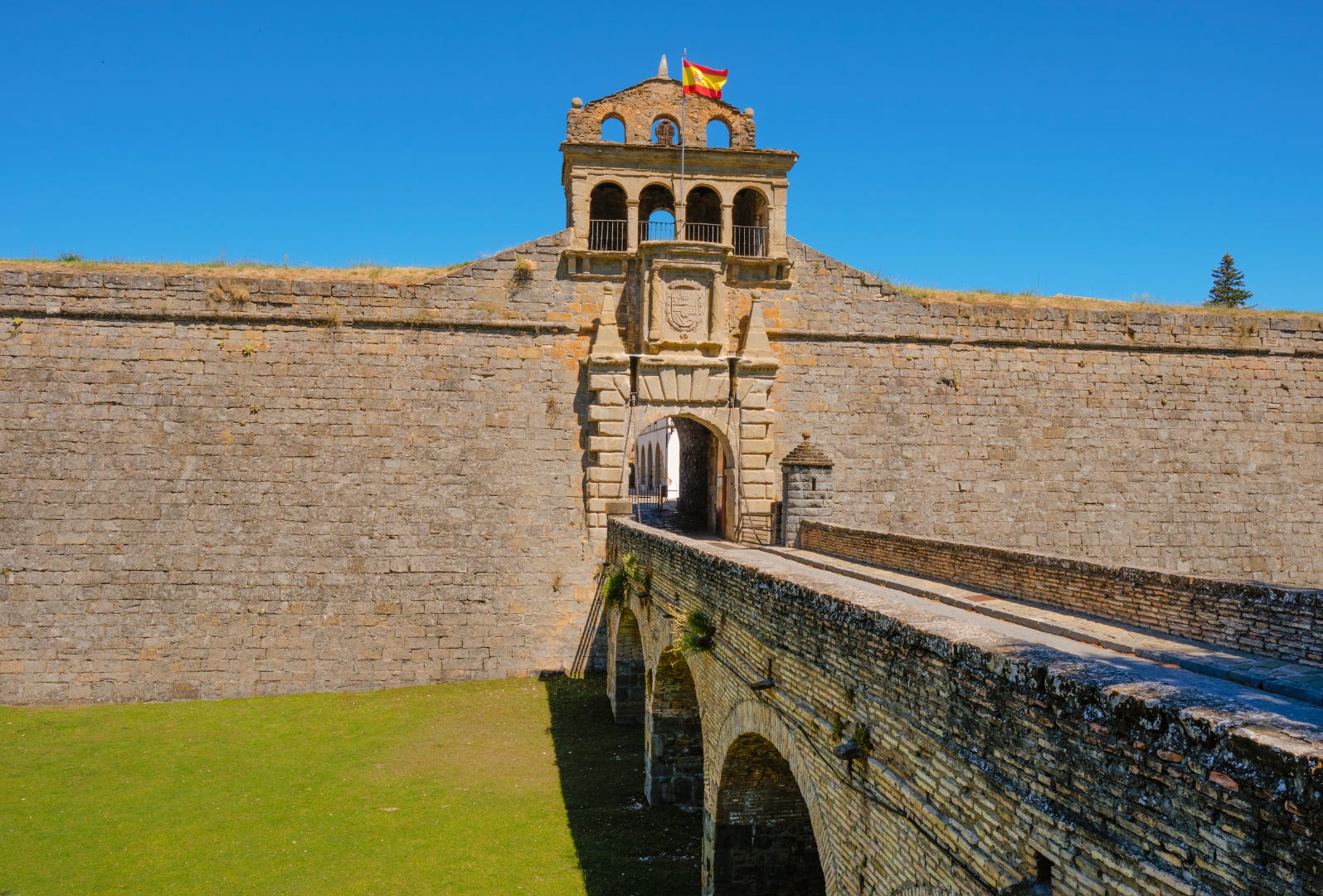
When we read or think about history, it is obvious to most people that a large kingdom that ruled parts of modern-day Spain and Italy didn’t emerge out of the blue. But it can also be difficult to pinpoint how that happened, and where it came from. This is why I included Jaca in this list, as its location in the Pyrenees and next to important mountain passes is the perfect reference of how this early kingdom evolved in parallel to the influences that arrived from the continent across the mountains.
The Iberian Peninsula was (and still is) sort of isolated geographically, surrounded by the sea in all directions except for the border with modern-day France, which is cut out by the Pyrenees. But it was through them that many influences arrived from abroad. The Camino de Santiago played a major role in this, as it brought pilgrims, but also ideas, art, peoples and influences that came with them. This pilgrimage route created a stream that for many centuries absorbed developments from continental Europe and brought them into the Iberian Peninsula; and Jaca was right there to benefit from it as soon as it crossed the Pyrenees.
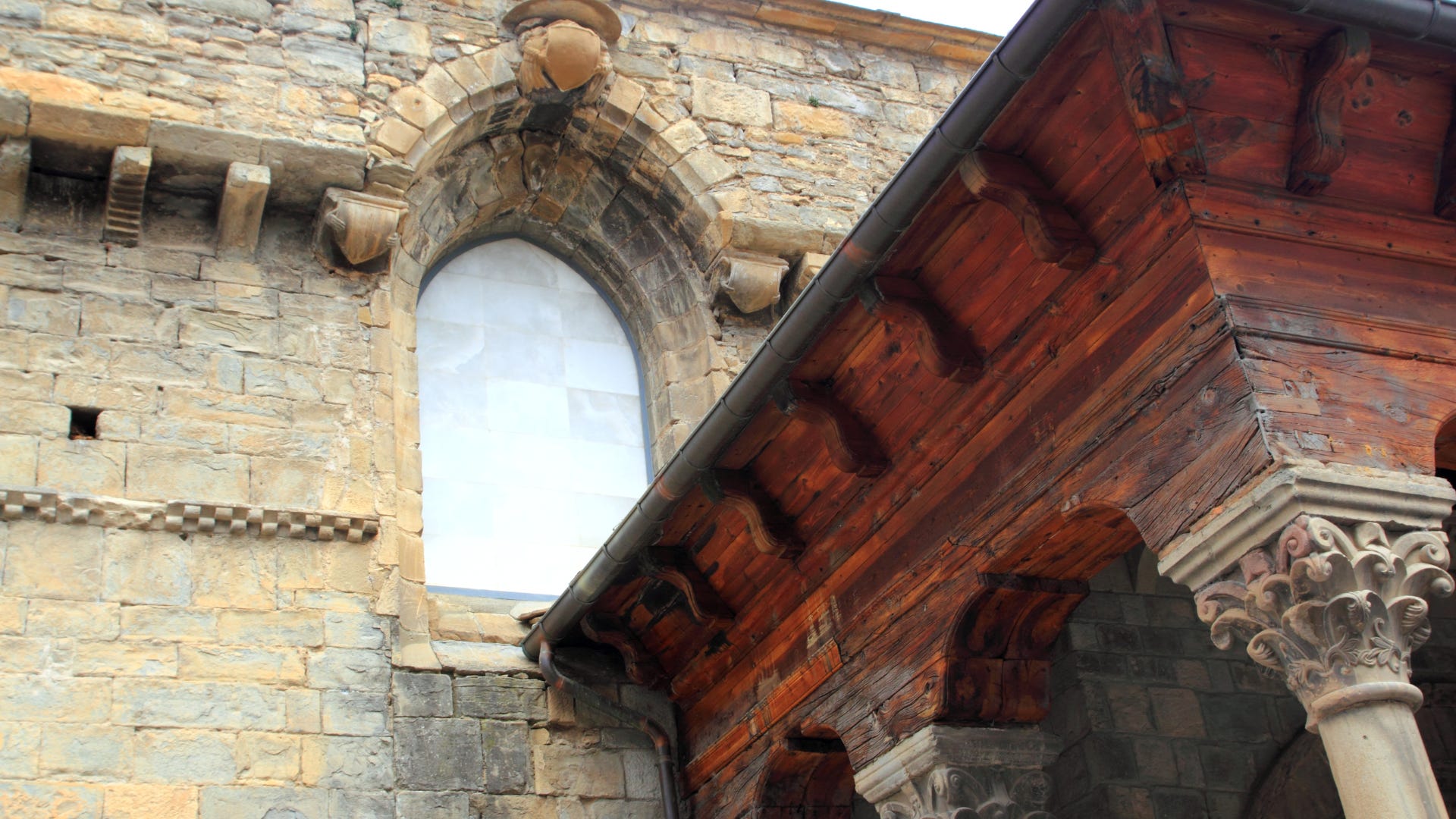
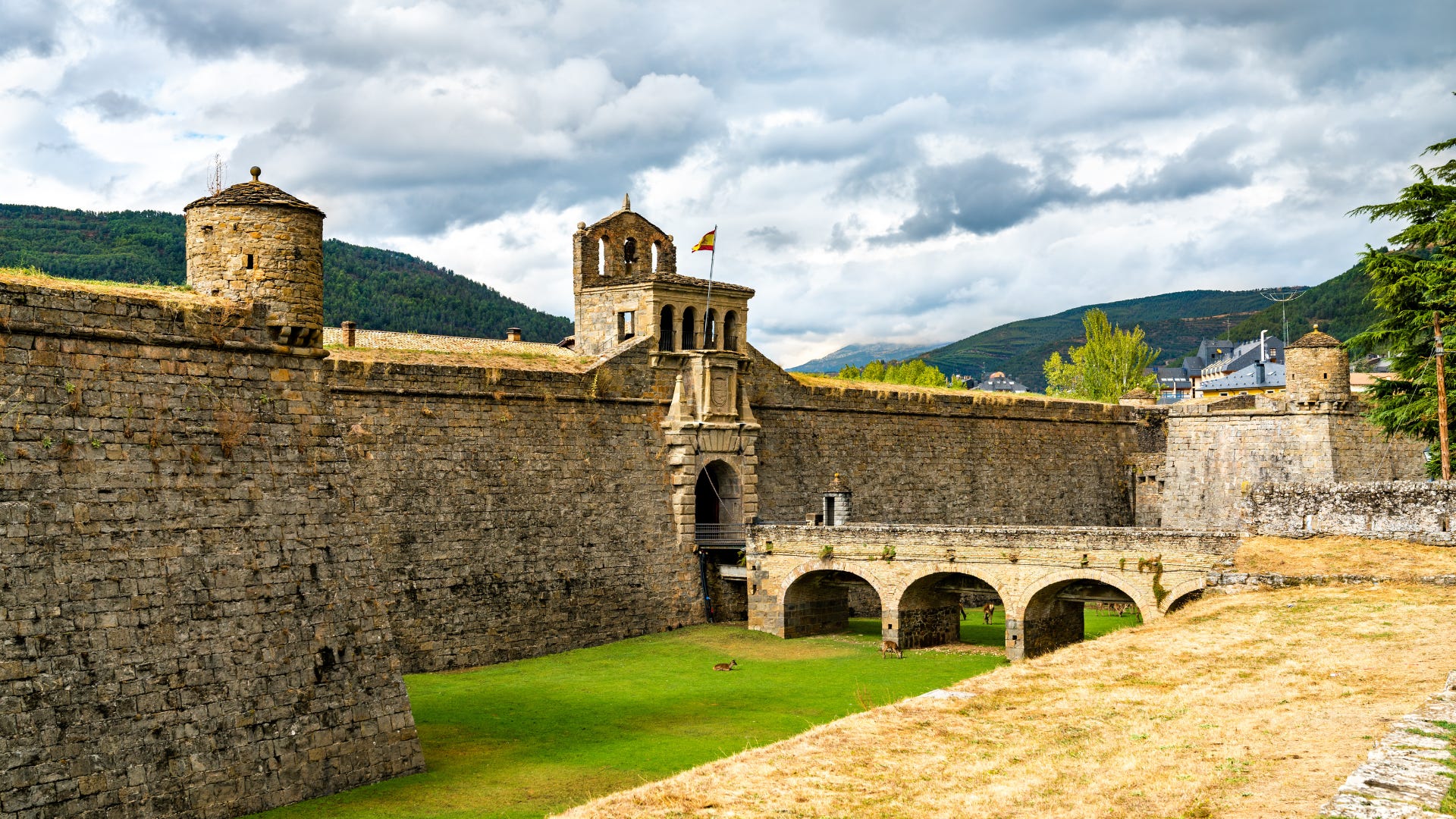
When we look at Jaca, Medieval Spain feels very different from the great Andalusi cities of the south, and the landscape also shifts from the stereotypical sunny Spain into a colder, narrower environment within valleys and smaller political entities. Probably the most astonishing thing to visit in Jaca is the star-shaped citadel, although it was built after Medieval Spain, in 1592. If you want to visit a Medieval landmark, then the Cathedral of Jaca is probably the best option. It was built between 1077 and 1130, and it’s one of the most important Romanesque style buildings in the whole of Spain.
León and Jaca show how the Christian north was much more complex than most people imagine, made of multiple independent kingdoms that competed with each other. In this sense, visiting León is like a window to a great developed kingdom, while Jaca is more of a reminder of what one of these Christian kingdoms of northern Medieval Spain looked like during its early phase of development.
For the first anniversary of History of Spain, you can join premium for $29 for the first year until the end of the month or until we reach 100 premium readers.
Premium unlocks the History of Spain Library: the full archive, The Ancient Spain Library, future guides, maps, timelines, source notes, and the anniversary gift Basque Words That Explain the World (coming before July ends).
If you follow History of Spain, you’re probably used to me mentioning Toledo as a reference for Spanish History and, particularly, Medieval Spain. As Toledo history expert Daniel Gómez Aragonés puts it, if someone wanted to visit a city that summarises Spanish history accurately, that city should be Toledo.
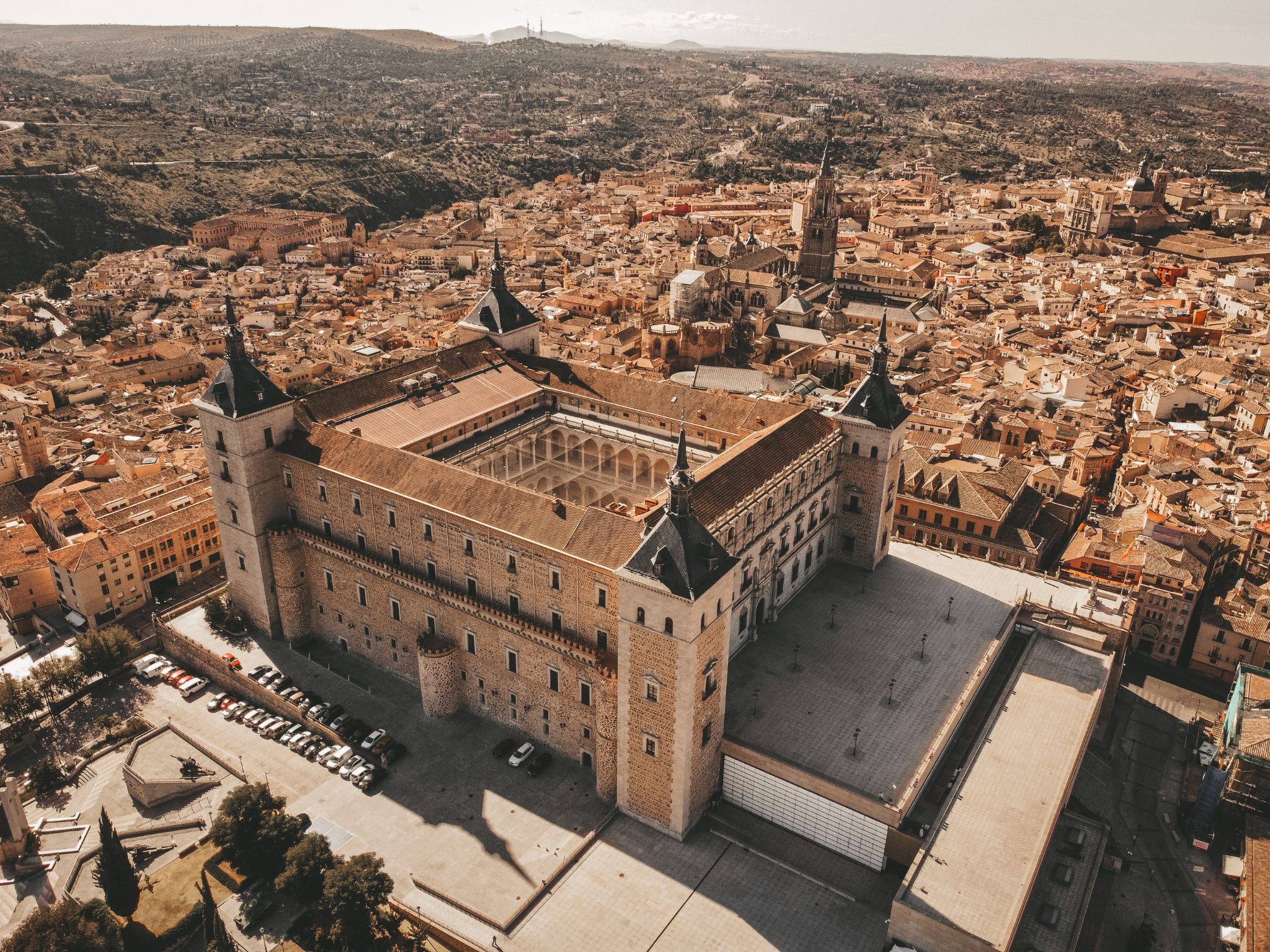
The reason why Daniel says that is because Spanish history is a very broad topic. The history of the different areas of Spain varies widely from one region to another, which means that while Spanish history is a topic that can be understood as a whole, it is actually pretty difficult to find a place that contains most of it in one location. And, if we had to pick one place to do that job, the best choice would be Toledo, as its history is the most similar in events and evolution to that of Spain as a whole. Some of the reasons for this, which are interconnected, are the fact that Toledo sits right in the middle of the Iberian Peninsula, and has been one of the most important, if not the most, cities in Spain for many centuries.
The area where Toledo sits was inhabited by the Carpetanians, the pre-Roman Celtic people that lived in the area where Toledo and Madrid are located. It is said that Toledo may have played a capital-settlement role back then. After the arrival of Rome, Toledo became Toletum, one of the most Romanised cities in the Iberian Peninsula, with its own aqueduct that, unlike Segovia’s, has not survived to the present day. Later, Toledo became the capital city of the Visigoths, the Germanic people that arrived after the Romans and who controlled most of the Iberian Peninsula for over two centuries.
Then, the Iberian Peninsula was invaded by Muslims, and Toledo also became an important city during the period, changing its name to Tulaytula. In 1085, Toledo was conquered by the Christian king Alfonso VI from León. For the next few centuries, Toledo would remain one of the most important cities in Spain, evolving in parallel to Spain as a whole. Many monarchs were based, at least temporarily, in Toledo. When Spain became an empire, Toledo became the Imperial City, which acted as a sort of capital city for the Spanish Empire, until that status was taken away in 1561 when Madrid was named the new capital city by Philip II (Felipe II).
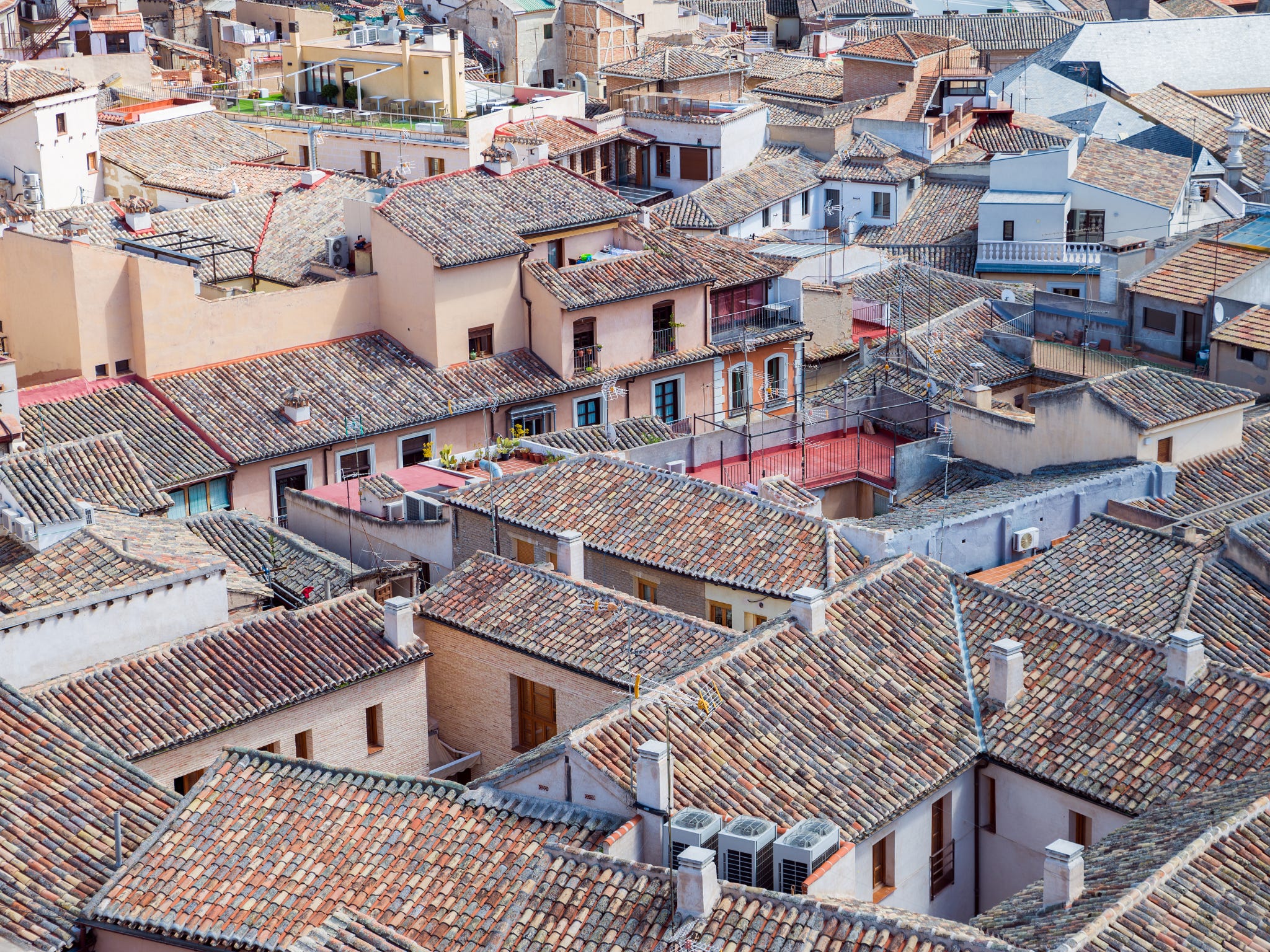
Additionally, during Medieval Spain, Toledo was a hub for knowledge and wisdom. The city hosted an actual magic school, and magic students were seen around the streets of the old town. With all that in mind, we can understand how many layers of Spanish history lie under the streets, and behind the façades of Toledo. During Medieval Spain, many relevant events took place in Toledo. Here are a few examples to illustrate the city’s Medieval importance:
The Visigoths officially convert to Catholicism in 589, during the Third Council of Toledo, held in Toledo.
Toledo falls under Muslim rule in 711, becoming Tulaytula, one of the most important cities of Al-Andalus in the centre of the Iberian Peninsula.
Comments
Nothing yet. Say the first thing.
Sign in to join the conversation.