
Some skeletons tell you how a person lived. This tells you, in brutal forensic detail, exactly how someone died in under a second.
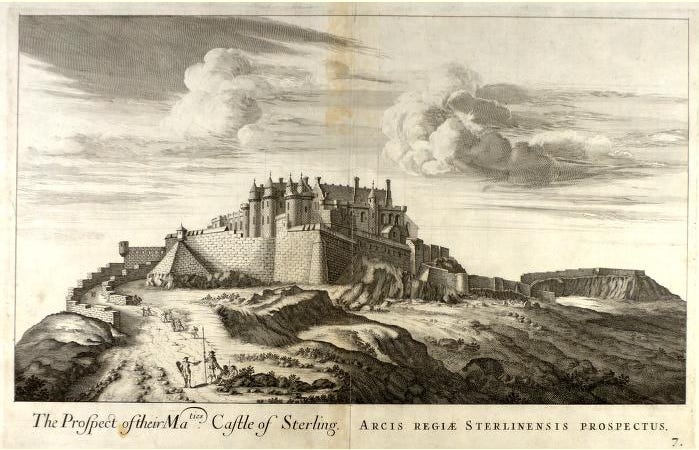
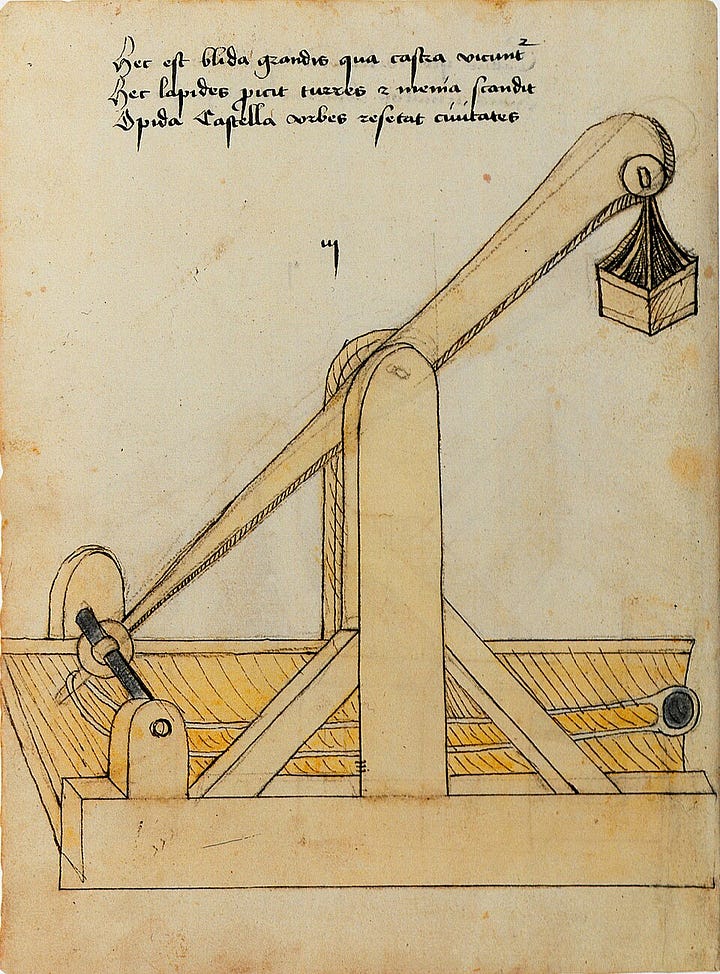
A young man was discovered under the chapel at Stirling Castle with 167 fractures to his skull, ribs, spine and shoulder. For decades, archaeologists had assumed that most of the damage had been done after burial, the normal wear and tear of seven centuries in the earth. A new type of forensic work, micro-CT scanning, has overturned that assumption. The breaks at death, and their pattern, suggest something much more violent than a fall or a crushing.
Today’s issue focuses on what that evidence actually supports and, equally important, what it does not. The history of medieval sieges is filled with stories that grow more certain with each retelling. This is a case where the forensic team themselves are refusing to allow that to happen, and I think that restraint is worth looking at as closely as the fractures.”
Comments
Nothing yet. Say the first thing.
Sign in to join the conversation.