
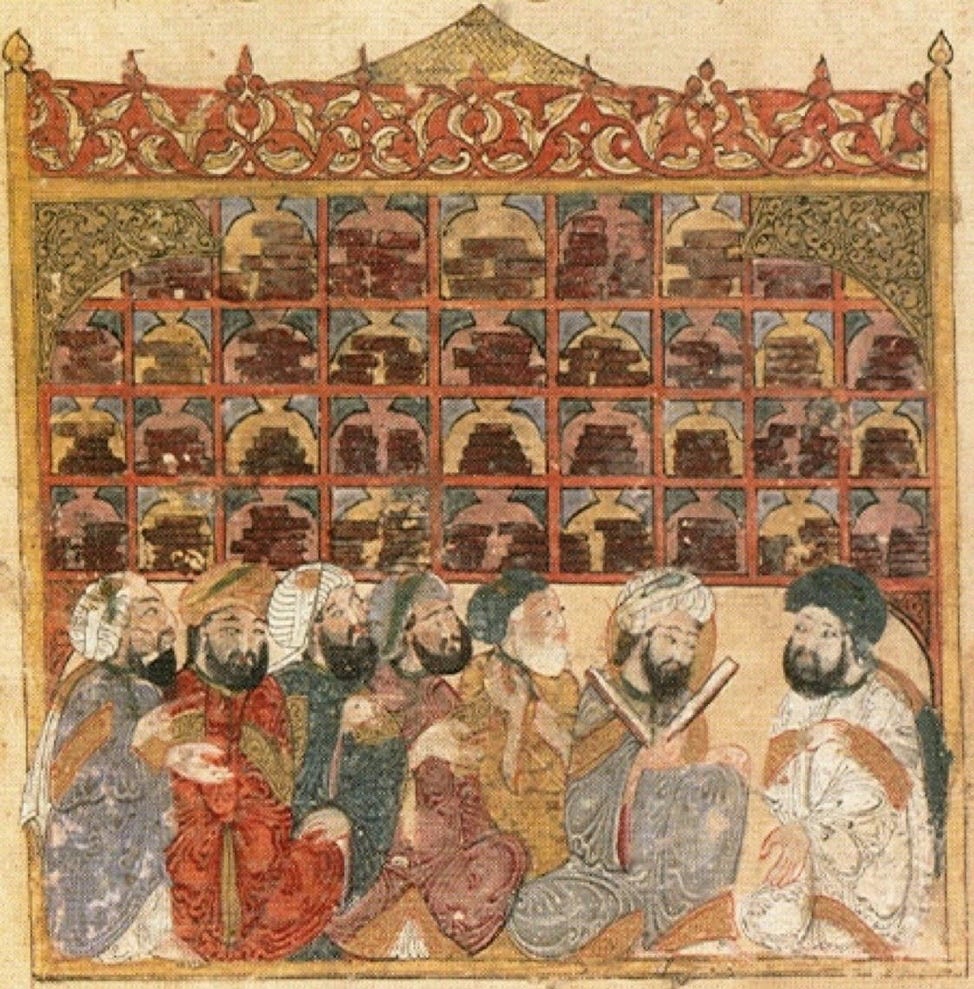
In ninth-century Baghdad, medicine did not belong neatly to one civilisation. Greek medical works associated with Hippocrates and Galen were translated into Arabic, sometimes through Syriac versions. Persian and Mesopotamian traditions formed part of the intellectual inheritance of the Abbasid world, while medical knowledge from India had also travelled westwards. Arabic increasingly became a language through which these different traditions could be studied, organised and developed.
The scholars involved were no less varied. Muslim physicians worked alongside an intellectual culture that included Christians and Jews, while caliphs, courtiers and wealthy patrons helped sustain translation and scholarship. The US National Library of Medicine describes Abbasid Baghdad as a “seedbed of medical learning”, where Persian-Mesopotamian, Byzantine-Greek and Indian traditions met.
This makes Baghdad far more interesting than the familiar story in which Islamic civilisation merely preserved Greek knowledge until medieval Europeans were ready to recover it. Baghdad was not simply a library for somebody else’s past. It became one of the places where different bodies of knowledge were translated, compared, criticised and eventually transformed.
How did one medieval city become such an important meeting place for the world’s accumulated medical knowledge?
Comments
Nothing yet. Say the first thing.
Sign in to join the conversation.