
Grady Stiles was born in 1937 with ectrodactyly, a rare genetic condition that caused his hands and feet to resemble claws. The condition ran in his family for generations, and several relatives made a living performing in traveling carnivals and sideshows. By the age of seven, Stiles was already performing under the name “Lobster Boy.” For much of his life, strangers paid money to stare at his body.
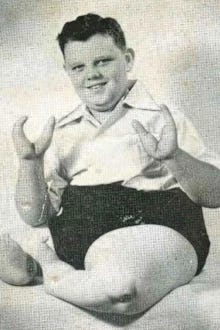
The sideshow world is easy to dismiss today as simple exploitation, but the reality was more complicated. Disabled Americans faced enormous barriers to ordinary employment, and carnival work sometimes provided income, community, and independence that could be difficult to find elsewhere. At the same time, that opportunity depended on presenting a person’s body as an attraction. In the Stiles family, disability became both an inherited condition and an inherited profession.
As Stiles grew older, however, the disturbing parts of his life had less and less to do with the way he looked. Family members later described him as an raging alcoholic who was frequently violent, distant, and abusive. Because Stiles had difficulty walking, he often moved by using his arms, which reportedly gave him tremendous upper-body strength. His wife and children would later say that he used that strength to intimidate, hurt, and harm them.
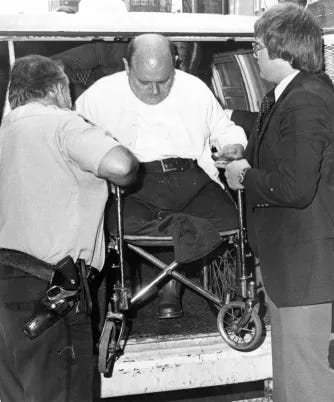
The violence reached a breaking point in 1978. Stiles’ teenage daughter Donna planned to marry a young man her father strongly disliked. Shortly before the wedding, Stiles shot and killed her fiancé. He was convicted of third-degree murder in 1979, but instead of receiving a prison sentence, he was given fifteen years of probation. Reports from the case said officials believed the prison system could not properly accommodate his physical condition and medical needs.
That decision meant Stiles eventually returned to the same family that had already accused him of abuse. He continued performing and later remarried his former wife, Mary Teresa Stiles. She said he promised he had stopped drinking, but the violence soon returned. According to her later testimony, Stiles repeatedly threatened members of the family and made her believe that someone would eventually be killed.
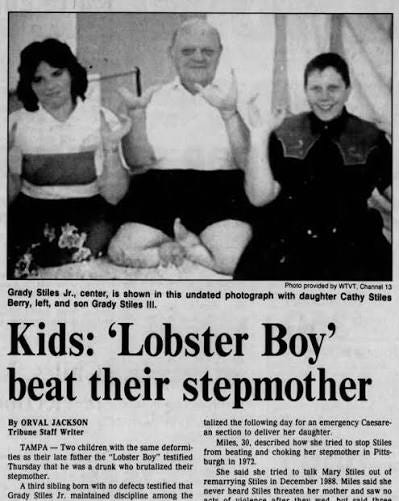
In November 1992, Grady Stiles was shot to death inside his home in Gibsonton, Florida, a community long associated with carnival workers and sideshow performers. Prosecutors said his wife and her son arranged the killing and paid a teenage carnival performer named Christopher Wyant $1,500 to carry it out. Wyant shot Stiles twice in the head. The people involved were later convicted and received prison sentences.

No posts
Comments
Nothing yet. Say the first thing.
Sign in to join the conversation.