
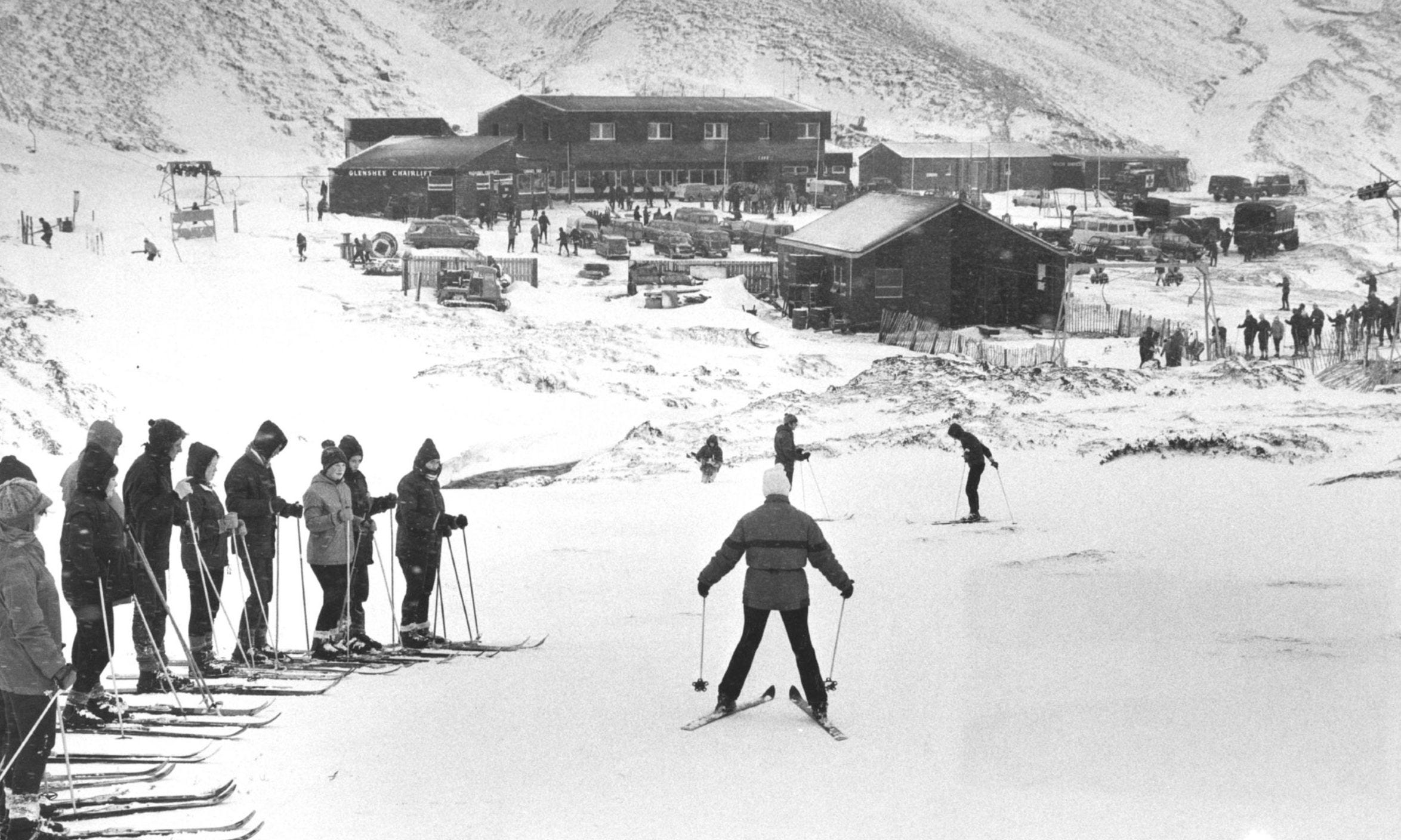
There was a time when the purpose of Scotland’s ski centres seemed fairly obvious, people came to ski - the clue was largely in the name.
A good winter brought full car parks, queues at lifts and the sort of optimism unique to Scottish skiing. A bad winter brought frustration, endless weather-watching and promises that next year would surely be better. Either way, the business model remained broadly the same. Snow was the product.
Today, that certainty feels rather less obvious.
A proposed mountain coaster at Cairngorm has become the latest flashpoint in a long-running debate about what belongs on Scotland’s mountains. Supporters see a sensible attraction capable of bringing visitors and income during quieter months. Critics see something altogether different, arguing that our highest mountain environments risk becoming increasingly commercialised.
Yet the debate itself reveals something interesting. Nobody is really arguing about a coaster. They are arguing about what a Scottish ski centre is supposed to be.
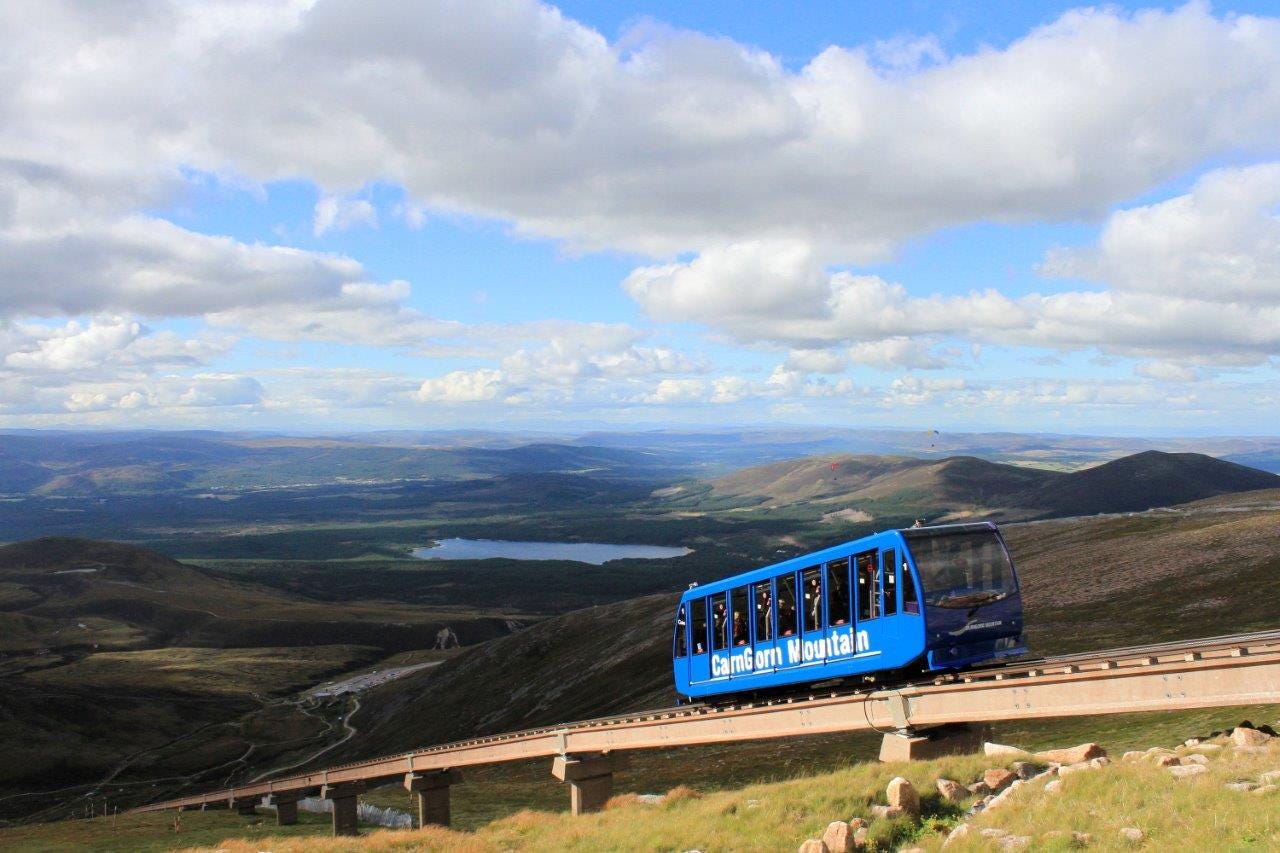
The awkward truth is that skiing alone has rarely paid all the bills in Scotland.
Unlike many Alpine destinations, Scottish ski areas operate in a climate that can be generous one winter and deeply frustrating the next. Snowfall remains possible from autumn through spring, yet reliable conditions are never guaranteed. Operators still need to maintain infrastructure, employ staff and invest in equipment regardless of what the weather decides to do.
That creates a challenge unfamiliar to many skiers. How do you sustain a business built around an activity that may only operate for part of the year?
The answer, increasingly, has been to stop thinking of these places as ski centres.
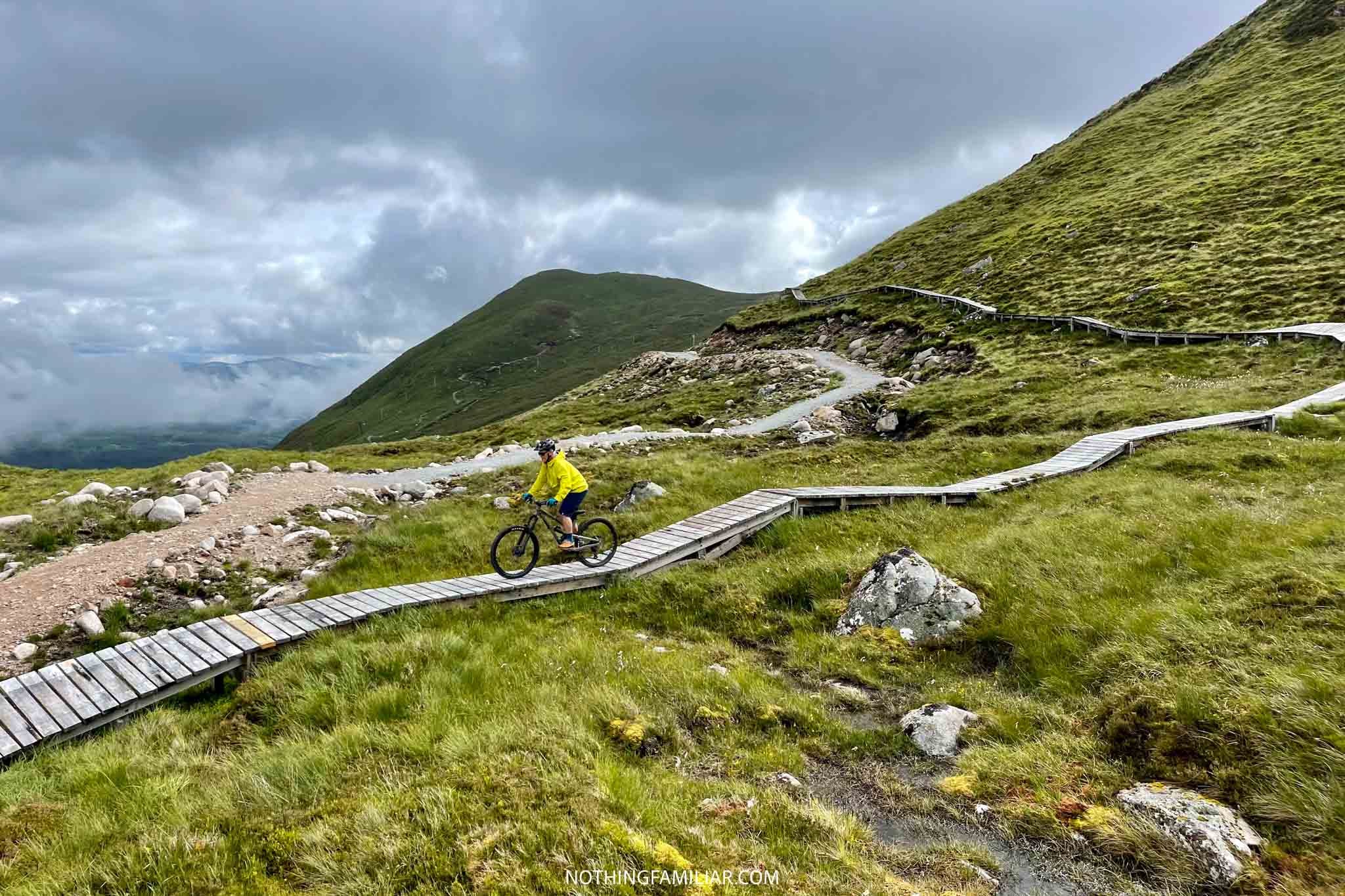
Nevis Range perhaps provides the clearest example. To many skiers it remains synonymous with Scotland’s highest lift-served terrain. Mention it to mountain bikers, however, and an entirely different picture emerges. The gondola, the trails and the summer visitor economy are now just as much a part of the story as the snow sports.
Glenshee has followed a different path. It remains proudly focused on winter, yet anyone visiting outside the ski season will find walkers, cyclists, motorcyclists and sightseers enjoying the same mountain roads and facilities.
Even the Lecht, perhaps Scotland’s most pragmatic ski area, has long understood the value of attracting visitors for reasons beyond snow.
None of these businesses appear to be abandoning skiing - if anything, they are trying to protect it.
This is where the conversation becomes more complicated than the usual arguments about development.
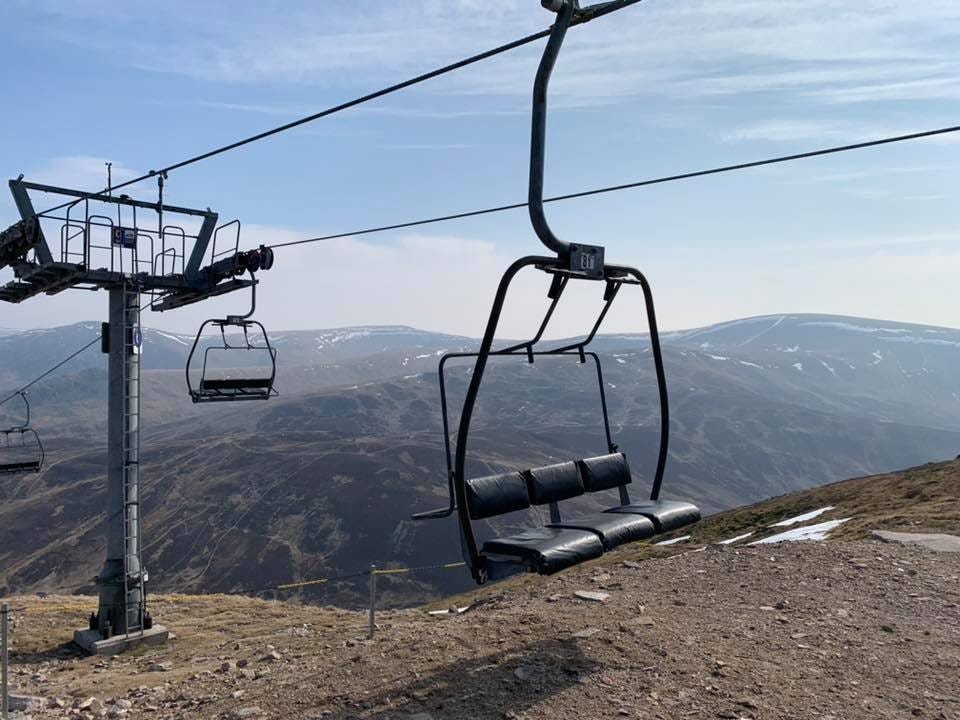
Most skiers instinctively dislike the idea of mountains becoming attractions. We prefer to imagine them as places that exist outside commercial pressures. Yet lifts, cafés, roads, snow fences and maintenance teams all cost money. Every improvement people ask for requires investment. Every ageing lift eventually reaches a point where replacement becomes unavoidable.
The irony is that many of the non-ski activities traditionalists dislike may be helping fund the skiing they want to preserve.
That does not mean every proposal deserves support. Reasonable people can disagree about where the line should be drawn. A mountain coaster may feel entirely appropriate to one visitor and entirely inappropriate to another.
The more interesting question is whether Scottish skiing can realistically afford to reject any alternative source of income.
Perhaps the debate at Cairngorm matters because it forces us to confront something we would rather avoid.
Scotland’s ski centres are no longer simply ski centres.
They are visitor attractions, transport systems, cafés, viewpoints, bike centres and mountain businesses that happen to offer skiing when conditions allow. Some have already embraced that reality. Others are still negotiating where the balance should lie.
The future of Scottish skiing may ultimately depend on getting that balance right.
No posts
Comments
Nothing yet. Say the first thing.
Sign in to join the conversation.