
As Europe swelters through another heatwave, the usual summer instincts begin to feel slightly less appealing. A crowded beach, a baking city pavement, an overheated hotel room and another afternoon spent searching for shade are not always the escape they promised to be. Sometimes the real luxury is simpler than that: cool air, a clear head and the need to pull on a fleece.
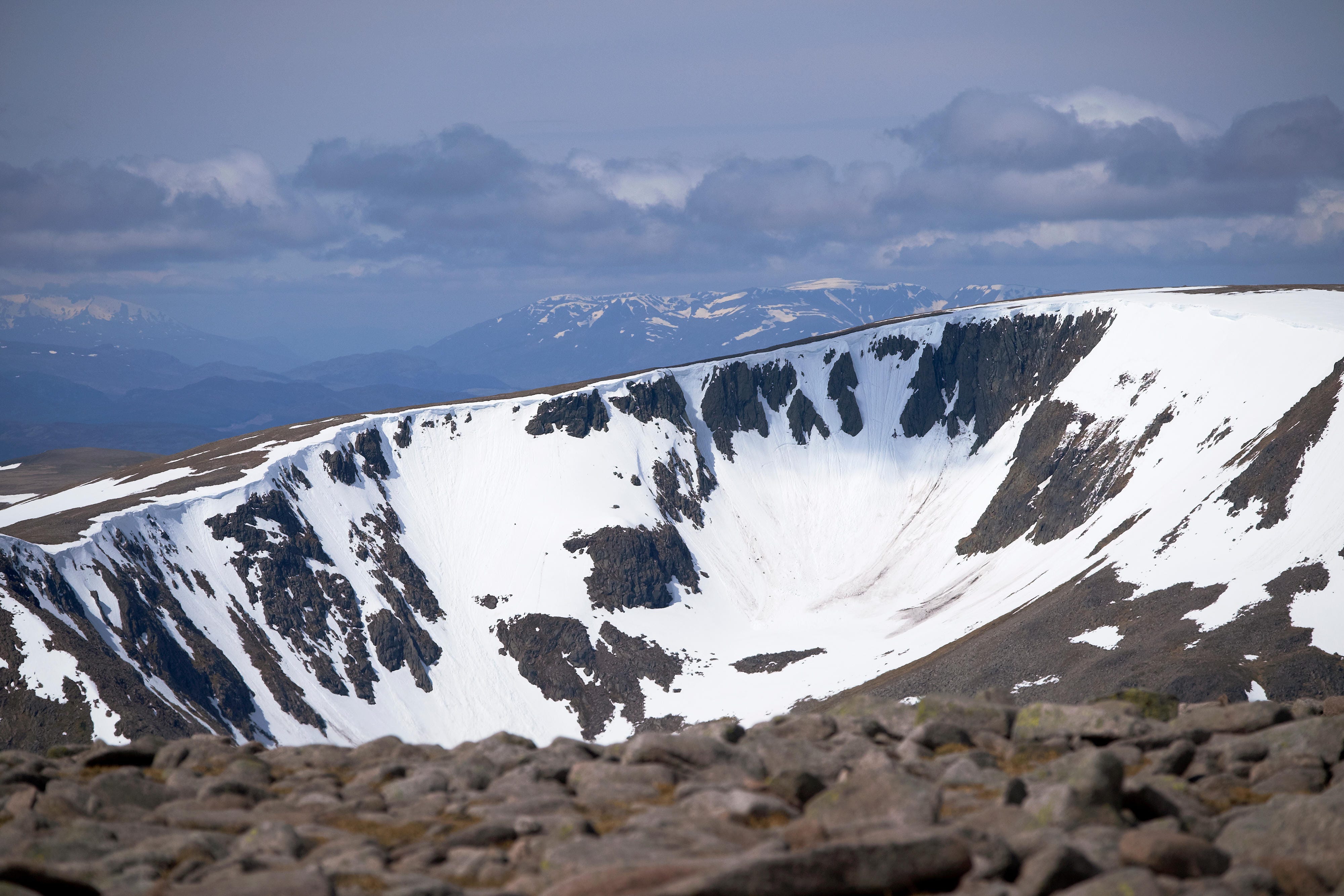
For anyone in Britain, the Scottish Highlands offer the most accessible version of this. They do not have glaciers in the Alpine sense, but they do have high corries, lingering snow patches and that unmistakable shift in atmosphere that comes with altitude and northern exposure. Garbh Choire Mòr on Braeriach is famous among snow-watchers as one of Britain’s most persistent snow beds, although it is remote, serious mountain terrain rather than a casual summer stroll. Even lower down, the Cairngorm plateau, Glencoe and the Nevis range can offer a welcome reminder that summer does not feel the same everywhere.
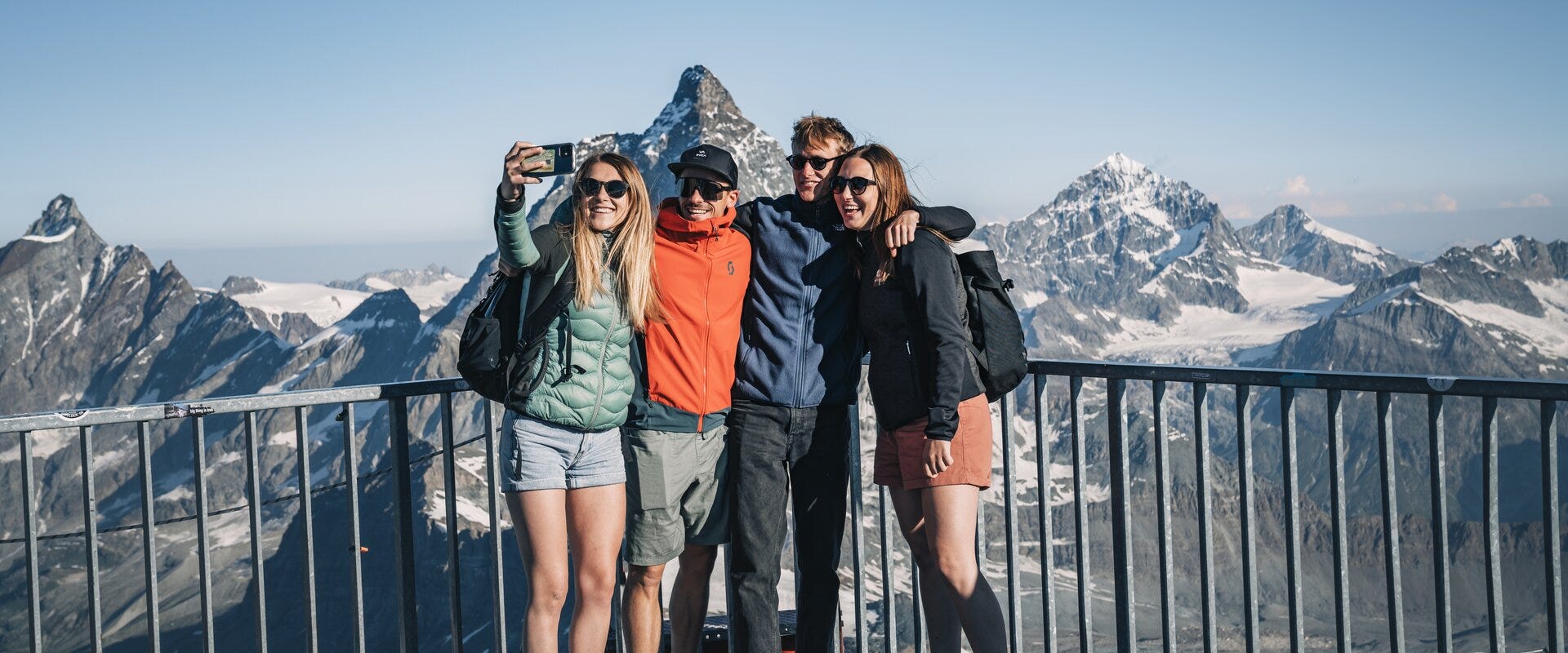
For a more dramatic version, the Alps still do what they have always done best. Cable cars lift you from hot valleys into a different climate entirely, where rock, snow and ice replace the heavy air below. At the Matterhorn Glacier Paradise above Zermatt, the high station sits close to 4,000 metres, with glacier views, an ice palace and access to summer skiing when conditions allow. In Austria, Hintertux remains one of Europe’s most reliable year-round glacier areas, while Passo Stelvio in Italy has opened again for its summer season, continuing a tradition that has made it one of the classic warm-weather ski destinations.
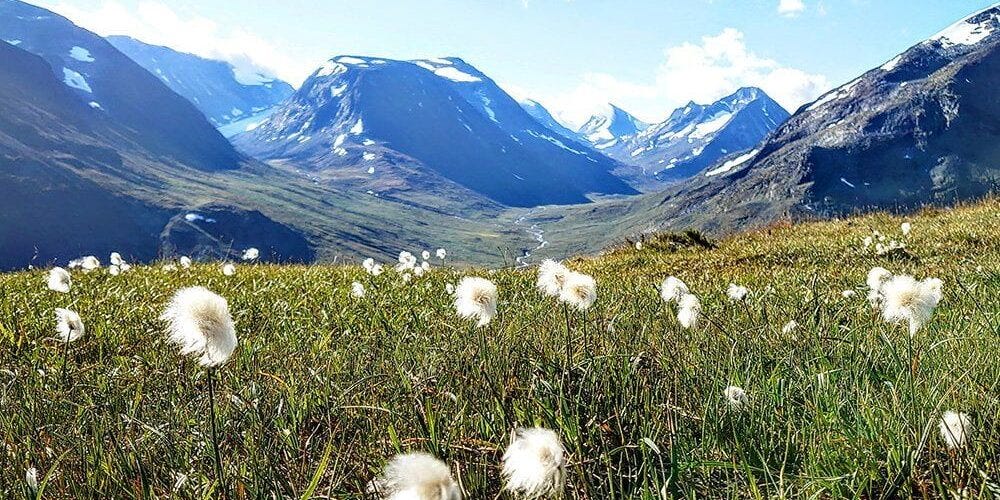
Further north, Scandinavia offers another kind of heat escape. Norway’s summer ski areas, including Galdhøpiggen and Fonna in good seasons, have long attracted skiers looking for soft summer snow, big views and long northern days. These are not polished winter resorts in the usual sense, but that is part of their appeal. They are places where the season feels slightly out of step with the rest of Europe.
There is, of course, a more serious thread running through all of this. The same heat that makes these cooler places so appealing is also part of the reason they feel increasingly fragile. Alpine glaciers have retreated sharply over recent decades, Scottish snow patches have disappeared more frequently in recent years, and summer skiing is becoming more dependent on the exact conditions of each season.
That does not mean these places should be treated as relics. They are still very much alive: cold, bright, beautiful and sometimes surprisingly accessible. But perhaps they are worth visiting with a little more attention than before. In a summer when so much of Europe feels too hot to think, there is something deeply restorative about standing in mountain air and remembering that coolness itself can be a form of luxury.
No posts
Comments
Nothing yet. Say the first thing.
Sign in to join the conversation.