
We spend an extraordinary amount of time planning our ski holidays. We’ll happily debate whether it’s worth paying extra for ski-in ski-out accommodation, spend hours deciding which part of a resort we’d prefer to stay in and can lose an entire evening researching a mountain restaurant we’ll visit just once during the week. Ask a group of skiers whether they’d spend another £200 or £300 improving their holiday and we’d wager most would immediately start thinking about flights, hotels and restaurants.
What we don’t tend to spend very much time thinking about is how we’ll actually experience the mountain itself.
It’s perhaps one of skiing’s stranger quirks that we’re perfectly happy to invest in almost every other part of a holiday whilst overlooking what we’re travelling hundreds of miles to enjoy in the first place. We’d happily pay for a room with a better view or a more convenient flight home without giving much thought to whether spending the same amount of money might make our time on the mountain considerably more enjoyable.
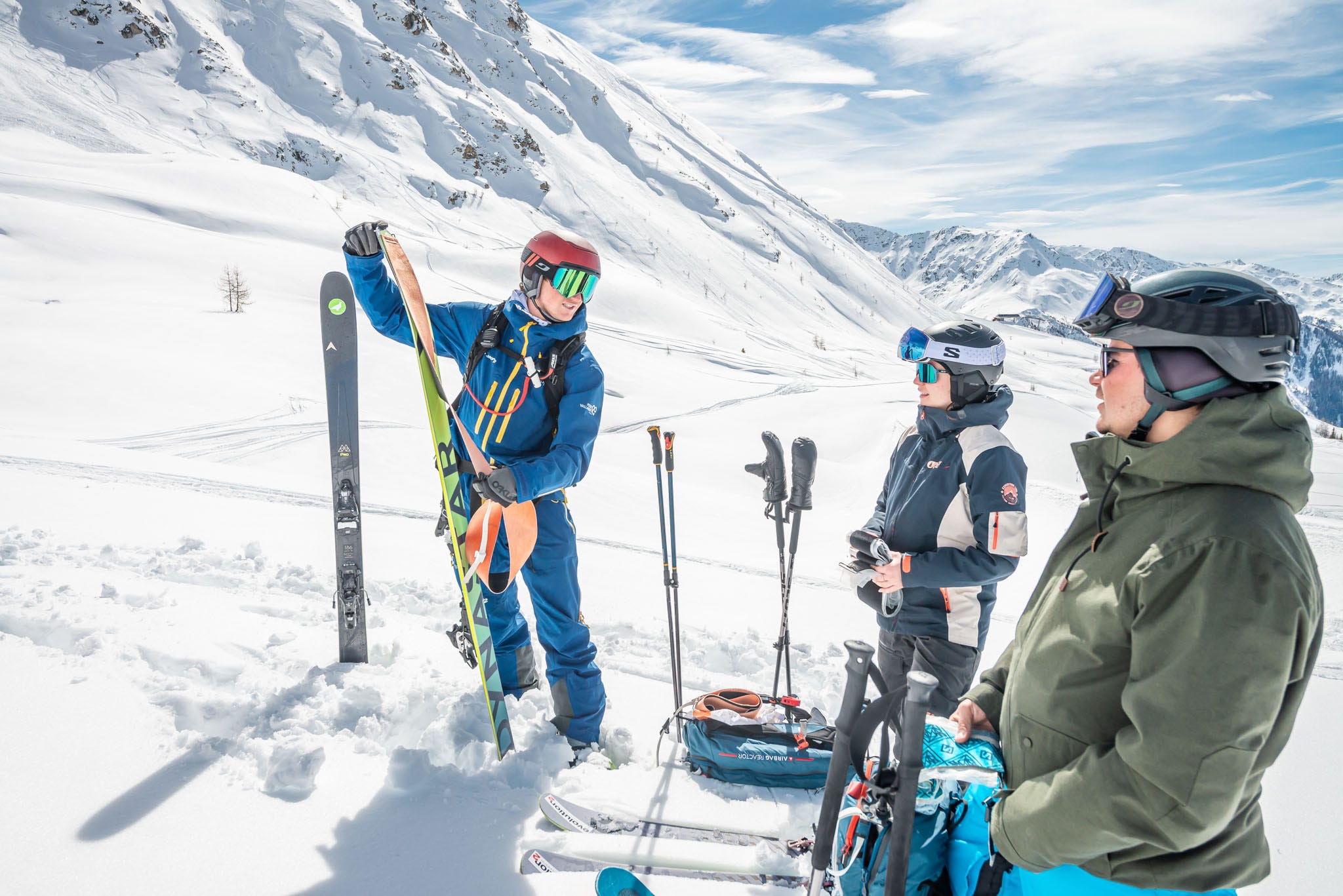
Mountain guides have become something of a victim of their own image over the years. Spend five minutes watching ski films or scrolling through social media and it’s easy to understand why. They’re invariably photographed waist deep in powder or skiing terrain that many of us would much rather admire from the comfort of a restaurant terrace. Whilst guides can undoubtedly provide all of those experiences, we wonder whether that’s caused many skiers to misunderstand what they’re actually paying for when they book one.
The misconception may stem from the fact that people imagine they’re paying for six hours of somebody’s time when what they’re really paying for is years, and often decades, of experience. You’re paying for somebody to know that yesterday’s plans should change because twenty centimetres of fresh snow has fallen overnight, that the queues will disappear if you’re prepared to stop for coffee for twenty minutes and that the restaurant everyone’s talking about isn’t nearly as good as the one another valley away. More than anything else, you’re paying for local knowledge that’s almost impossible to replicate as a visitor, no matter how diligently you’ve studied the piste map over breakfast.
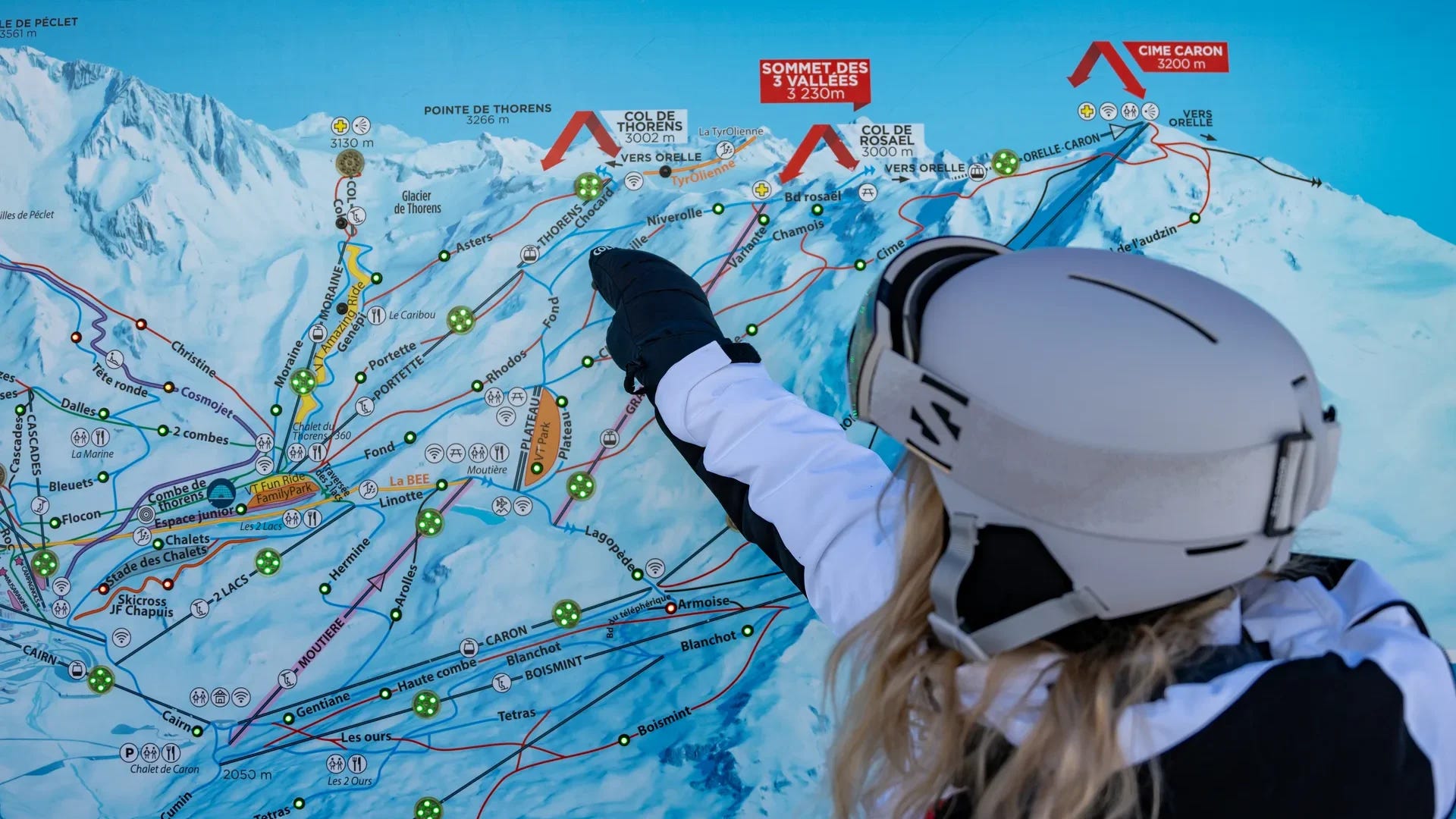
One of the things that becomes apparent remarkably quickly when skiing with a guide is just how much of a ski holiday is spent making small decisions. Which lift should we take next? Is the snow likely to be better elsewhere? Is this run suitable for everyone in the group? Are we likely to spend the next half an hour queueing if we ski across to the other side of the mountain? None of these decisions are particularly difficult in isolation but they have a habit of consuming time throughout the course of a week. Spending a day with somebody else making them all for you is surprisingly liberating and allows you to spend less time thinking about skiing and considerably more time simply enjoying it.
It’s also remarkable how quickly we fall into habits on a ski holiday. Even in enormous ski areas we tend to discover our favourite runs within a day or two before returning to them again and again throughout the week. There’s absolutely nothing wrong with that, of course, but it does mean that many visitors only ever scratch the surface of the places they’ve travelled so far to visit. Guides have a habit of changing that. They persuade you to turn right when you’d instinctively have gone left, to linger over lunch because the mountain will be quieter an hour from now and occasionally to abandon your carefully considered plans entirely because there’s something rather better waiting elsewhere.
Some of our favourite memories of ski holidays have very little to do with the skiing itself and it’s perhaps no coincidence that many of them have involved local recommendations we’d never have discovered alone. They’re the unexpected lunch stops, the detours that weren’t part of the original plan and the moments when somebody points towards a distant peak before explaining precisely where you’ll be skiing tomorrow if the weather behaves itself. By the end of the day you’ve invariably learnt something too, whether that’s understanding a little more about the mountain you’re standing on or simply realising that you’ve been approaching a particular resort entirely the wrong way for years.
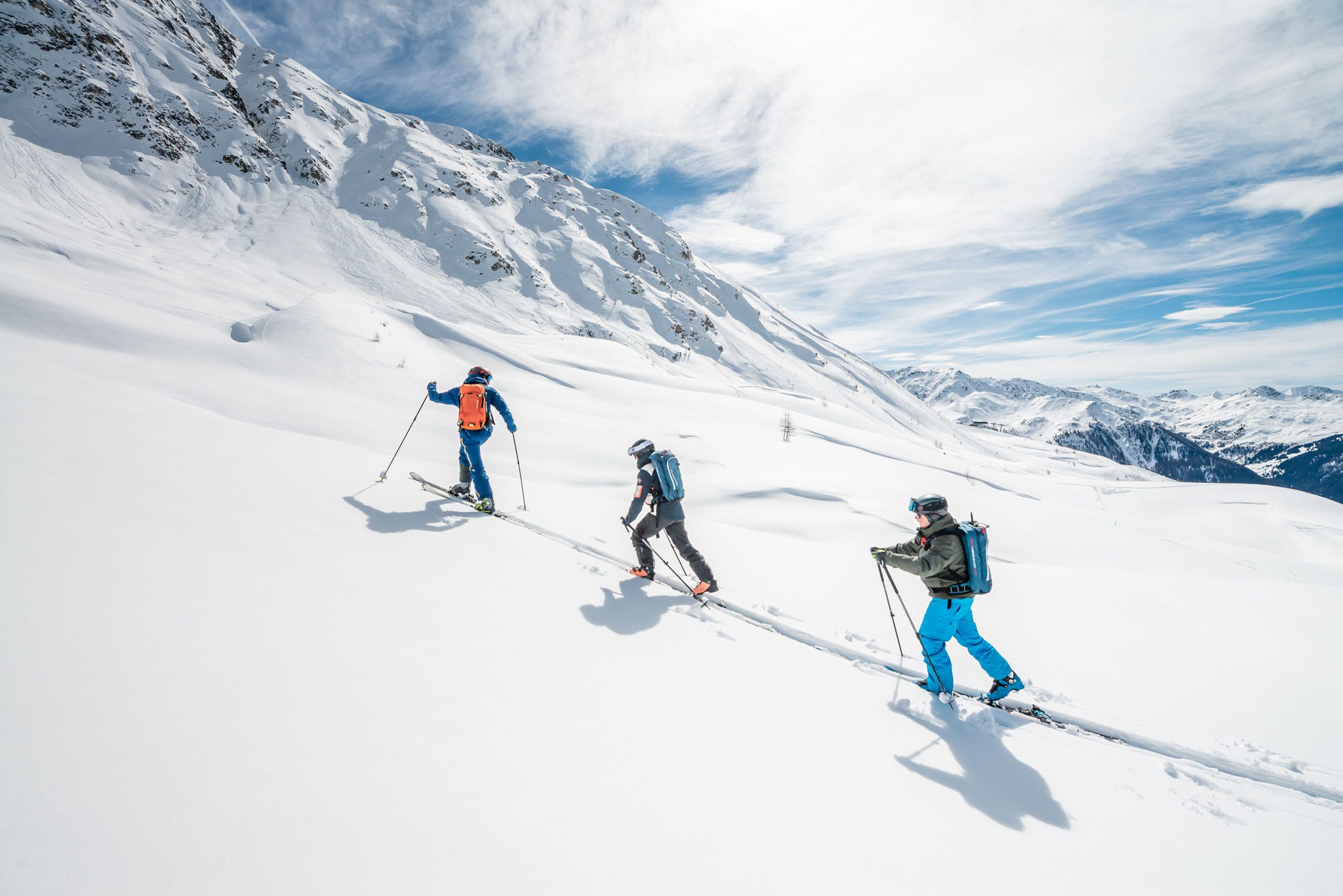
The Vallée Blanche, Chamonix
There are few more iconic guided experiences in the Alps than skiing the Vallée Blanche. The route changes throughout the season depending on conditions and, whilst it’s often described as a bucket list descent, we’d argue it’s equally memorable for the extraordinary scenery and sense of journey. It’s also perhaps the perfect illustration of why mountain guides are worth their fee. Conditions dictate everything here and local knowledge matters enormously.
Guide recommendations: The Compagnie des Guides de Chamonix and Evolution 2 both offer exceptional guided experiences.
Compagnie des Guides de Chamonix
Evolution 2
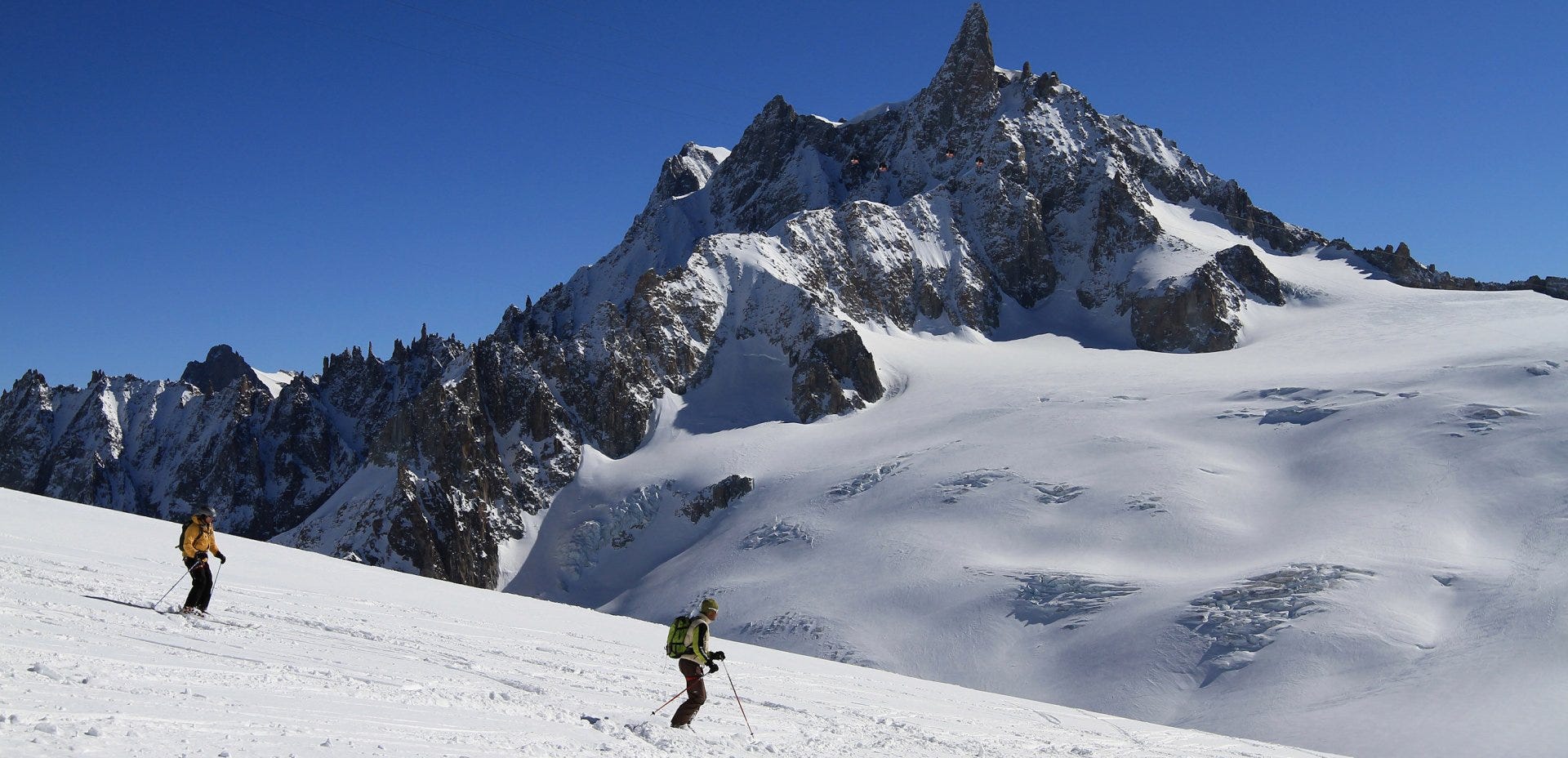
The Sellaronda, Dolomites
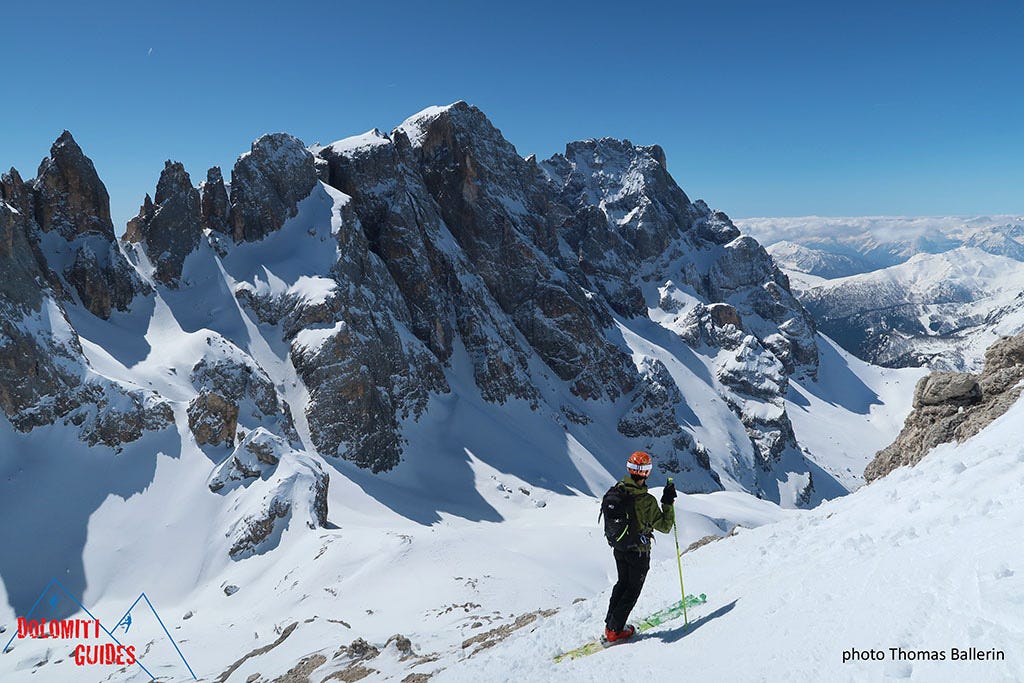
Thousands of skiers complete the Sellaronda every winter without giving much thought to what’s waiting just beyond the signposts. Spending a day with a local guide transforms it from a beautiful circuit into an introduction to the culture, food and history of one of the world’s most spectacular mountain landscapes. We’d happily recommend this to confident intermediates just as readily as expert skiers looking to discover the Dolomites for the first time.
Guide recommendations: Dolomiti Guides and Dolomite Mountains offer private guided Sellaronda experiences throughout the winter season.
Sainte Foy Tarentaise
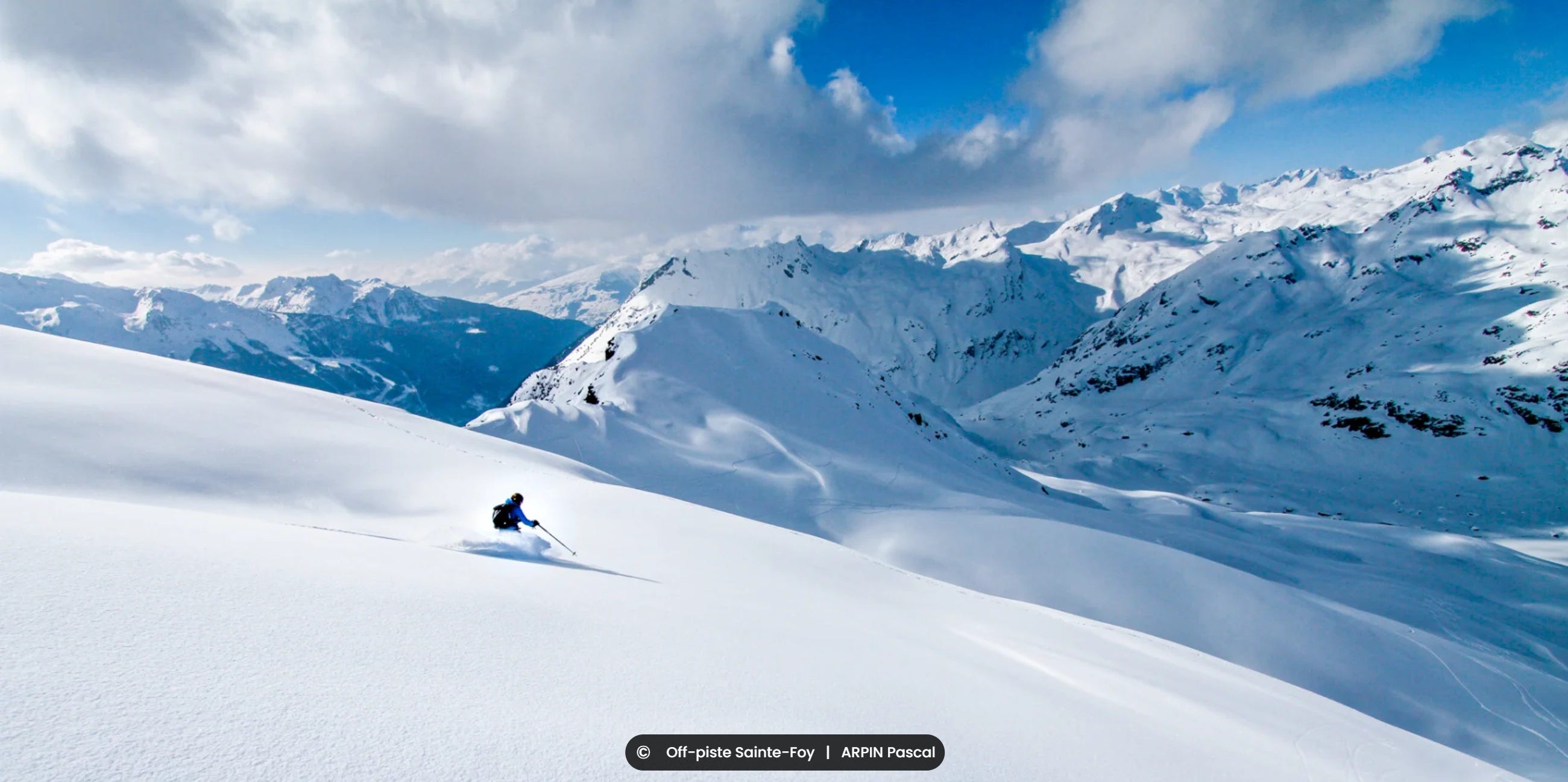
Sainte Foy has long enjoyed a devoted following amongst off-piste skiers and for very good reason. Whilst we’d always recommend exploring beyond the pistes with an appropriately qualified guide, we’d also argue that few places demonstrate the value of local knowledge quite so beautifully. Conditions can vary enormously over relatively short distances and there’s nobody better placed to introduce visitors to the mountain than the people who know it best.
Guide recommendations: Snocool and Evolution 2 Sainte Foy are both excellent options.
Mountain guides certainly aren’t inexpensive and we’re not suggesting that every ski holiday requires one. We’d simply suggest that if you’ve never spent a day skiing with one before, there’s every chance you’ve misunderstood what they actually do anad how much you can get out of it. If somebody offered the choice between upgrading a hotel room or spending a day skiing with a good mountain guide, we’d take the guide every single time and suspect we’d return home talking rather more about the mountain than the thread count of the hotel sheets.
No posts
Comments
Nothing yet. Say the first thing.
Sign in to join the conversation.