
Stuart and Steve paid one of their more unusual visits for Near Far Heron recently : they went to a mill with three quarters of a water wheel! The mill in question is Kirk Mill in Chipping, north of Preston and east of Garstang. Way back in the 16th century there was a corn mill on the site, but the current layout of the building dates from 1785, and its main claim to fame is that the mill is in the factory style developed by Richard Arkwright. Wikipedia gives a good outline of Kirk Mill and Richard Arkwright, but briefly the mill is an early example of a powered cotton spinning mill - high tech for its time. Arkwright’s vision was to automate and dramatically scale up the efficiency of cotton production. His ideas, generalised and widely applied beyond cotton, are now simply referred to as “the factory system”.
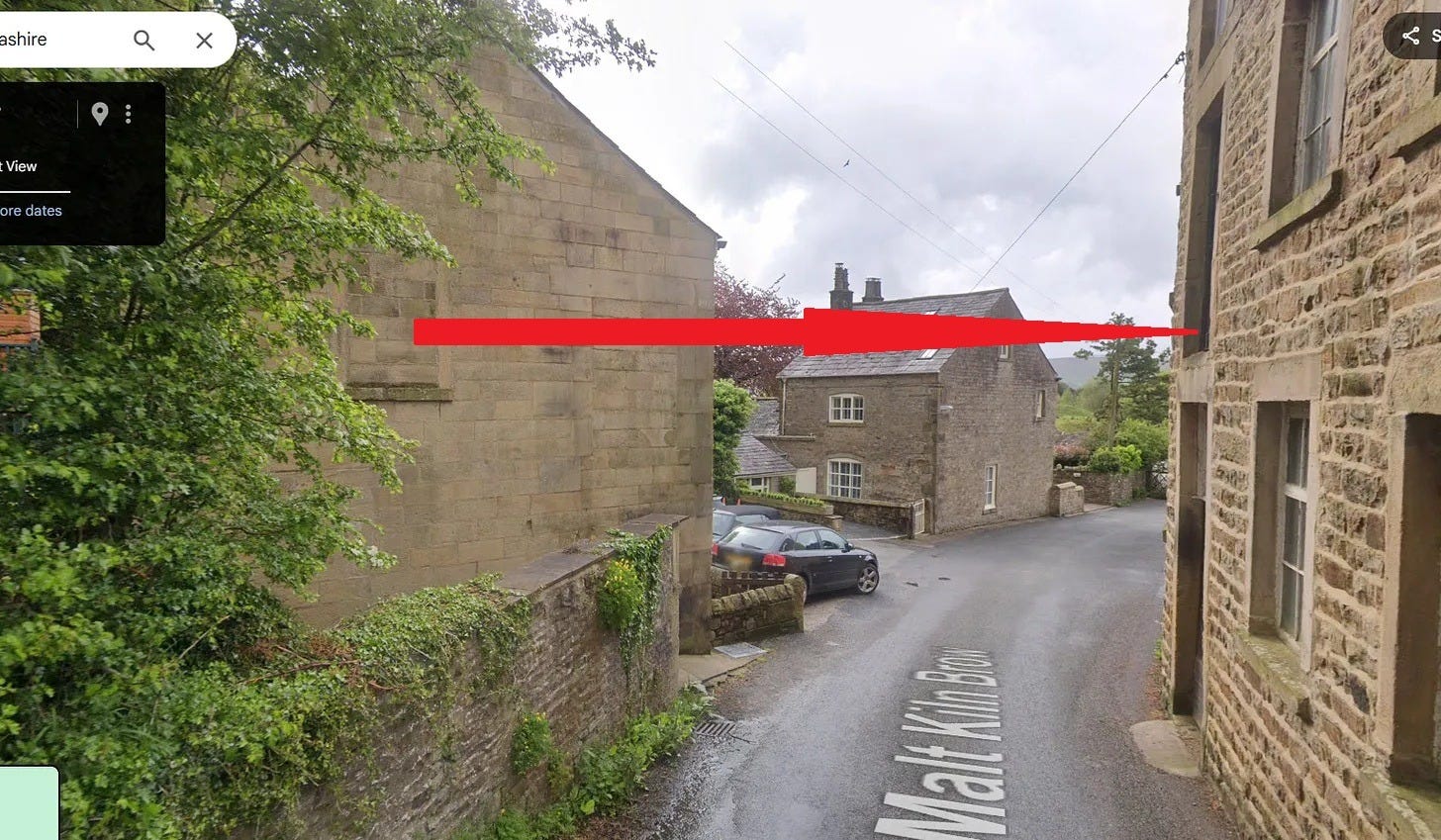
There are a number of related buildings round the mill, and evidence of a very clear and sophisticated plan for the whole area. There was once a walkway across the road, now bricked up -
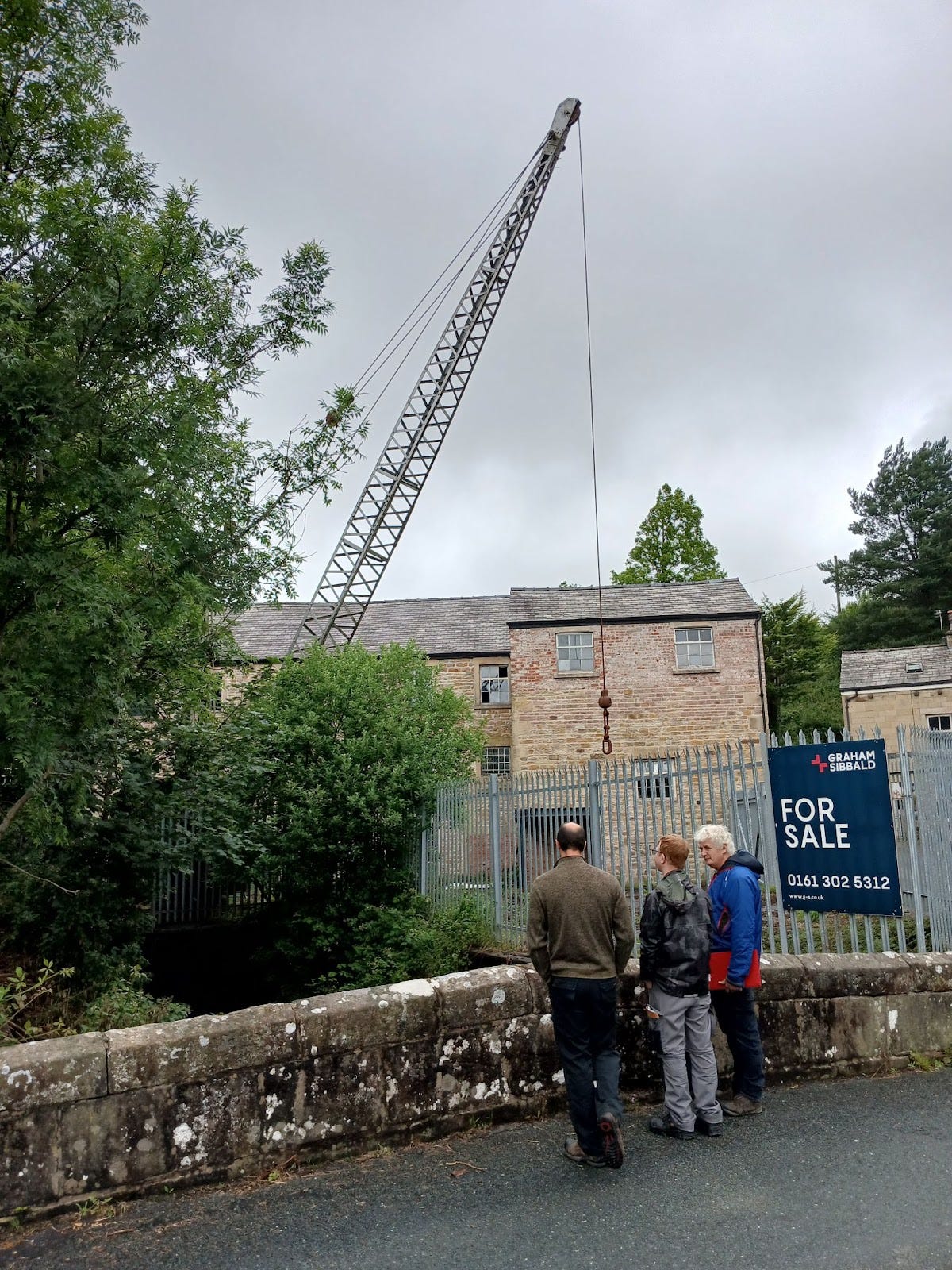
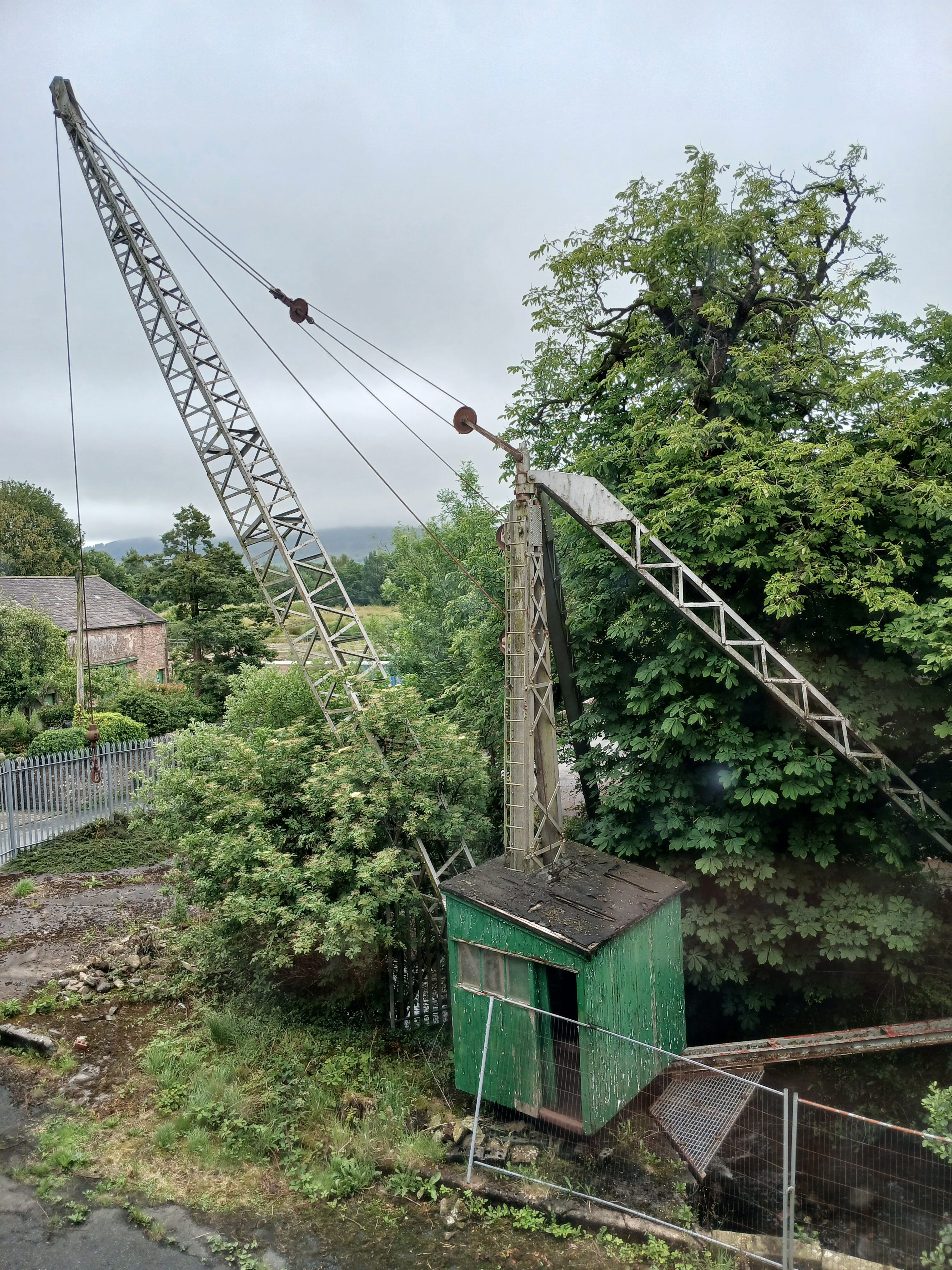
Heavy industry needed serious tools for lifting and moving.
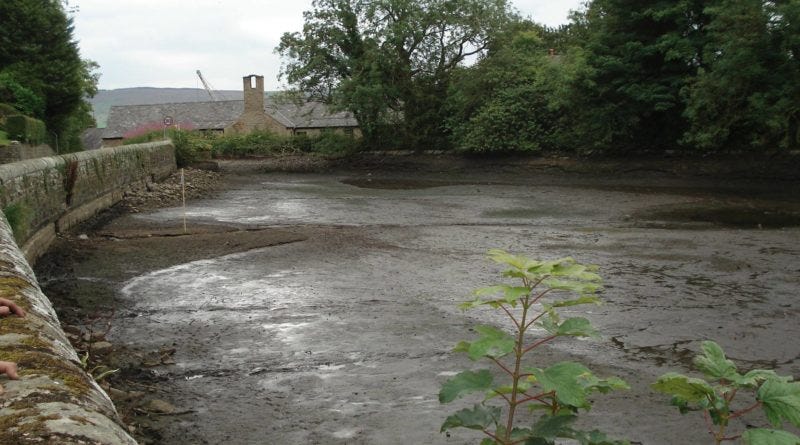
Power is supplied by a mill pond above the mill. Several brooks feed into the pond. One was even diverted to improve the supply of water.
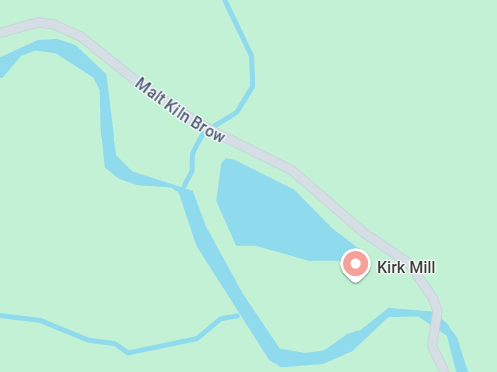
The level of the pond is currently lowered to reduce the danger of water damage in the mill.
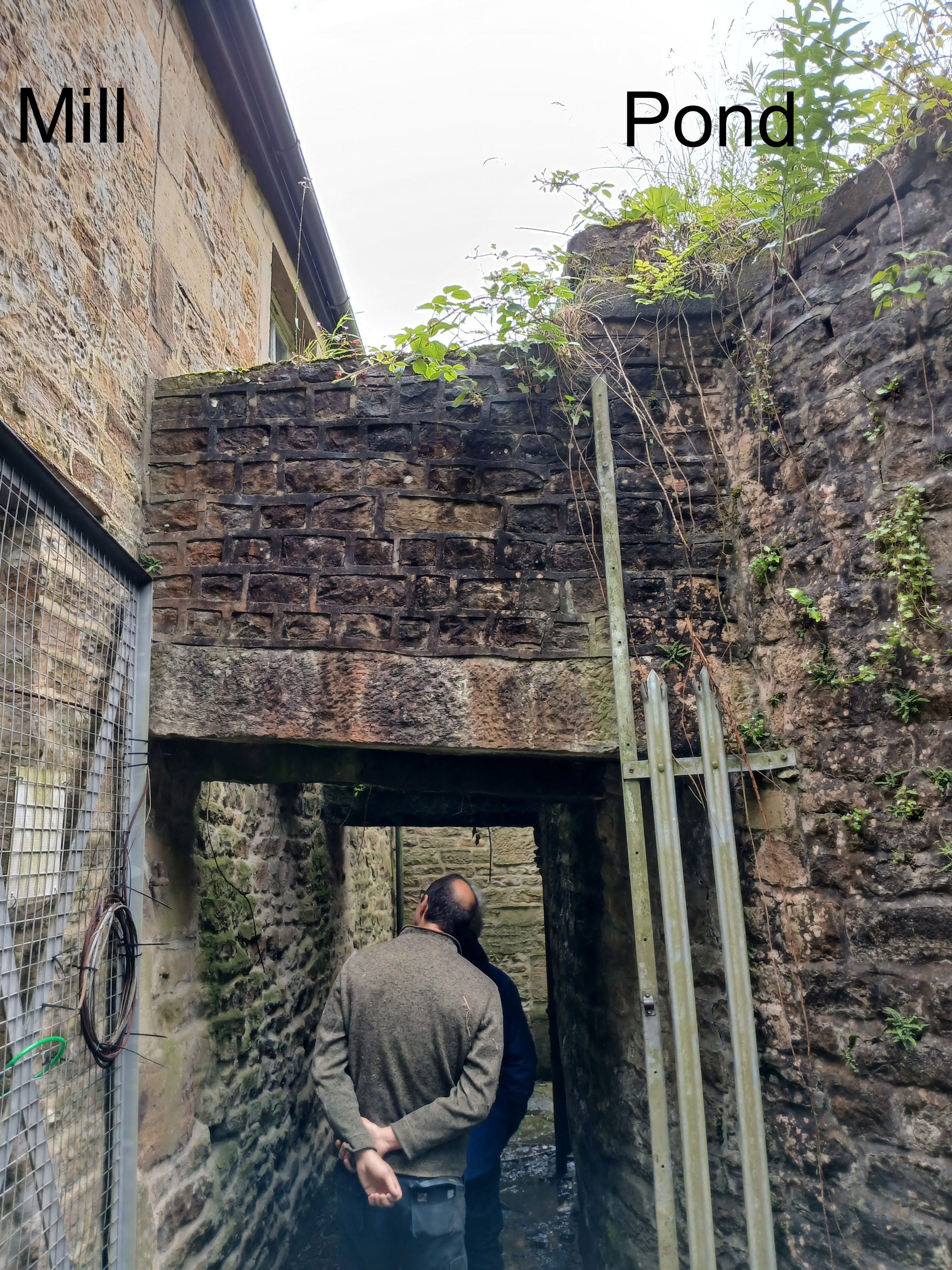
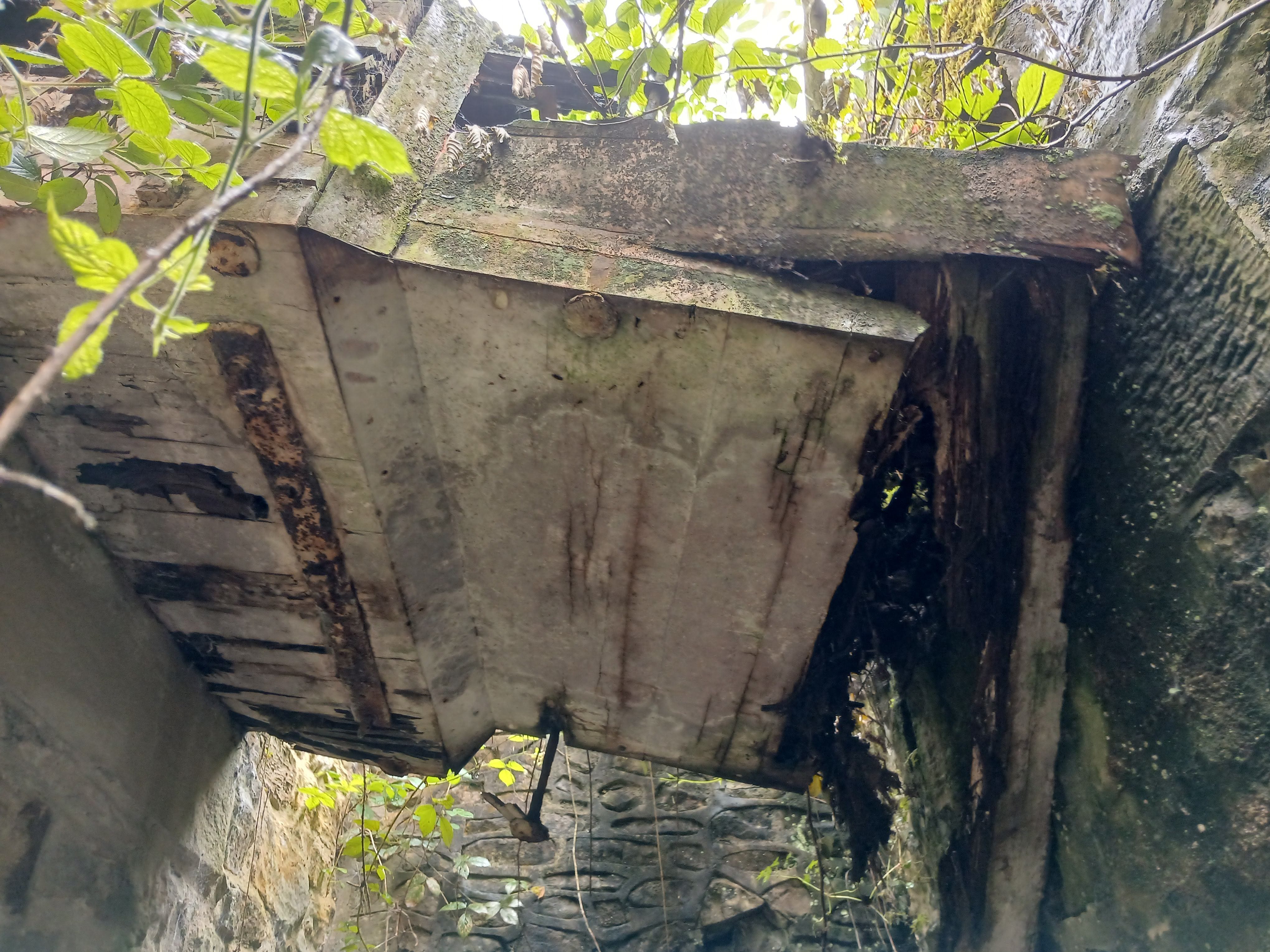
The equivalent of our launder is a short, substantial construction, currently in a poor state of repair.
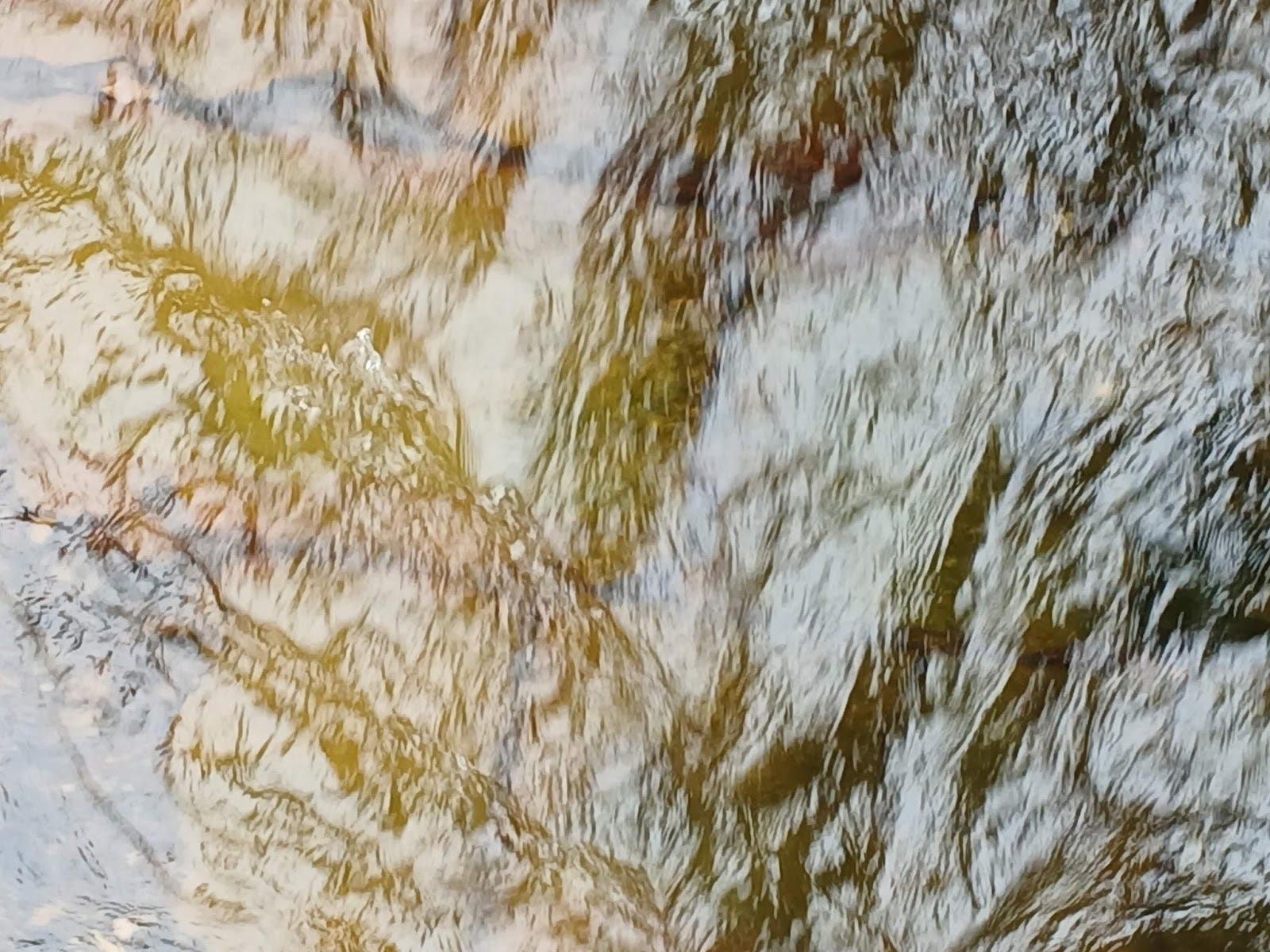
Even the mill’s tail race (the water’s path out of the mill and back into the river) is constructed on ambitious scale using massive stone blocks which you may be able to make out through the water.
The water wheel for the original 16th century corn mill is long gone. The mill was sold in 1785 to a cotton manufacturer. It was in effect an 18th century “doer-upper” and it was sold again in 1788 as a functioning cotton mill. Compared to the old corn mill, the new cotton mill needed extra power and a larger 19 feet diameter wheel was installed. Just for comparison, the wheel at the Heron is approximately 14 feet diameter.
Arkwright’s factory prototype specified 2 spinning frames, each made up of 48 spindles. This mill scaled that original plan up considerably, and the building and the business both seem to have expanded several times over the next 100 years.
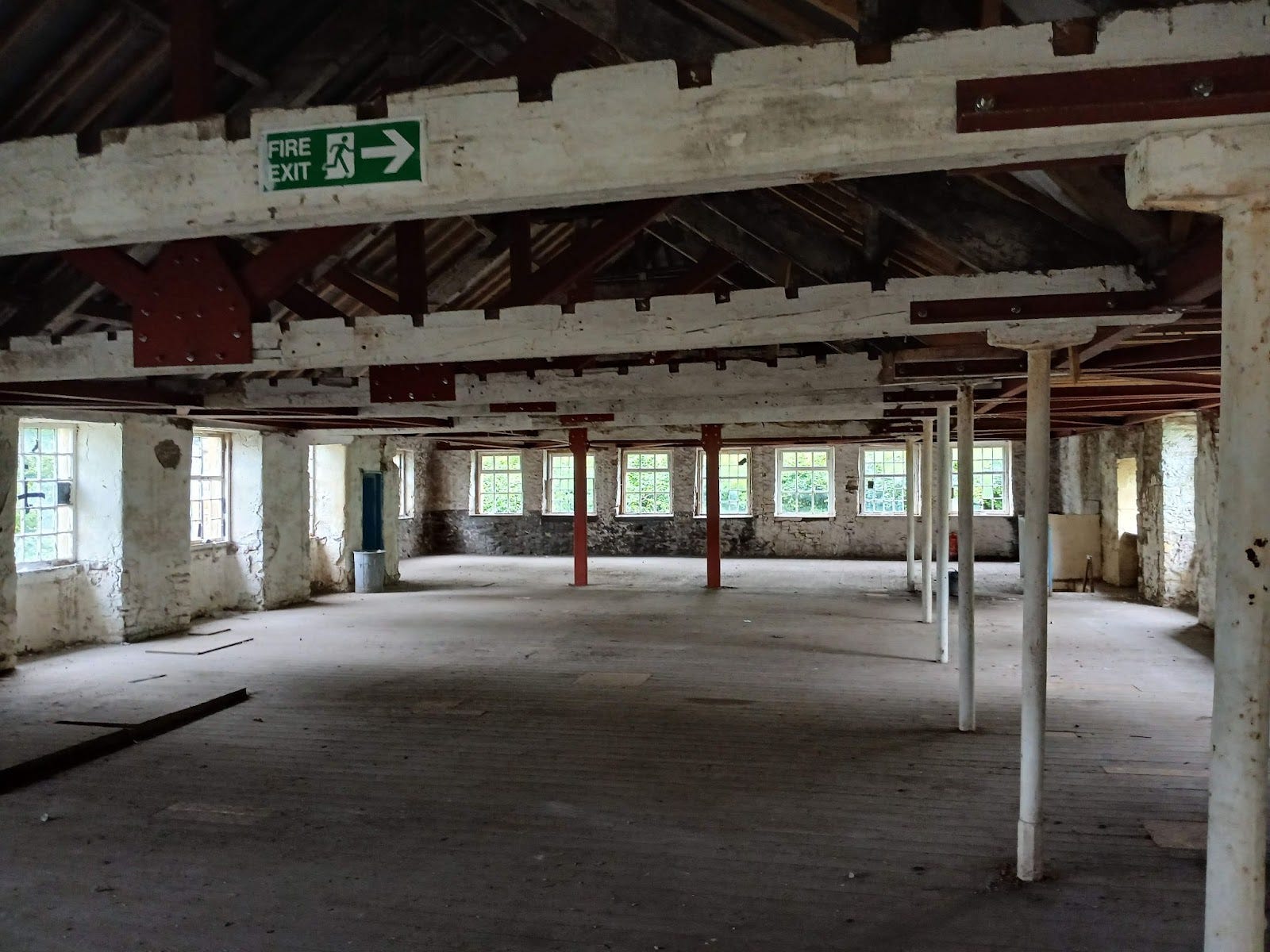
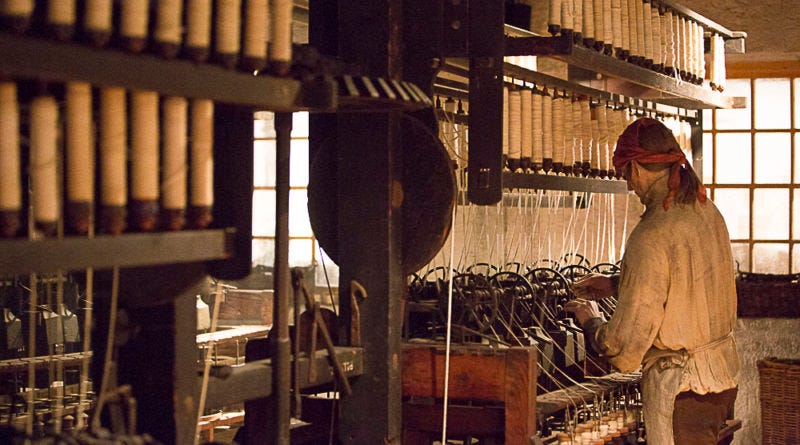
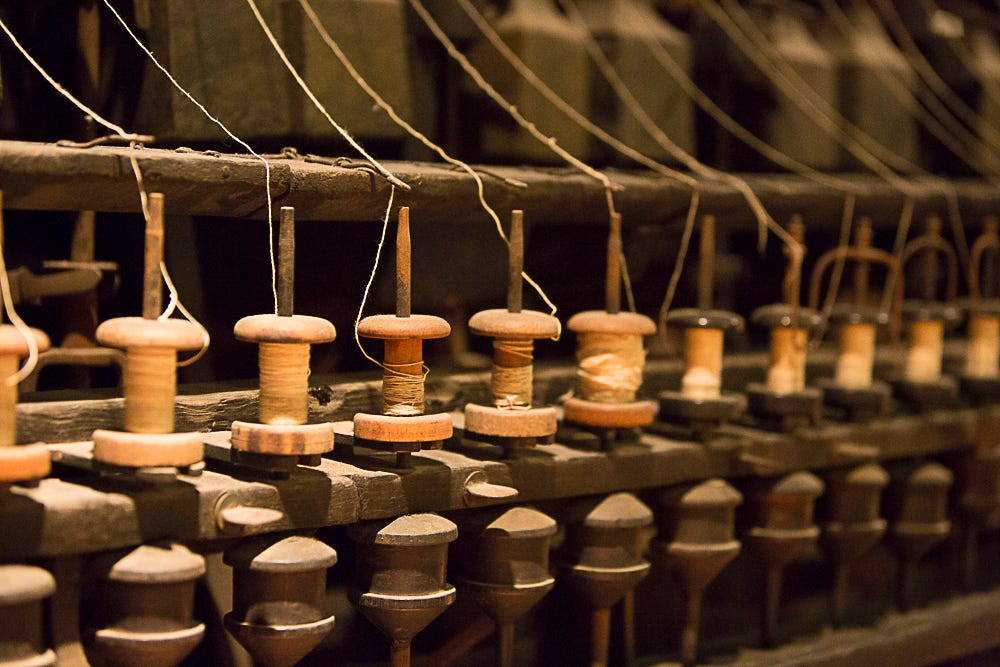
Imagine the noise in a cotton mill, with spindles turning everywhere, and belts driving everything in sight. With the water wheel turning as well, the clanking and banging and general din must have been deafening.
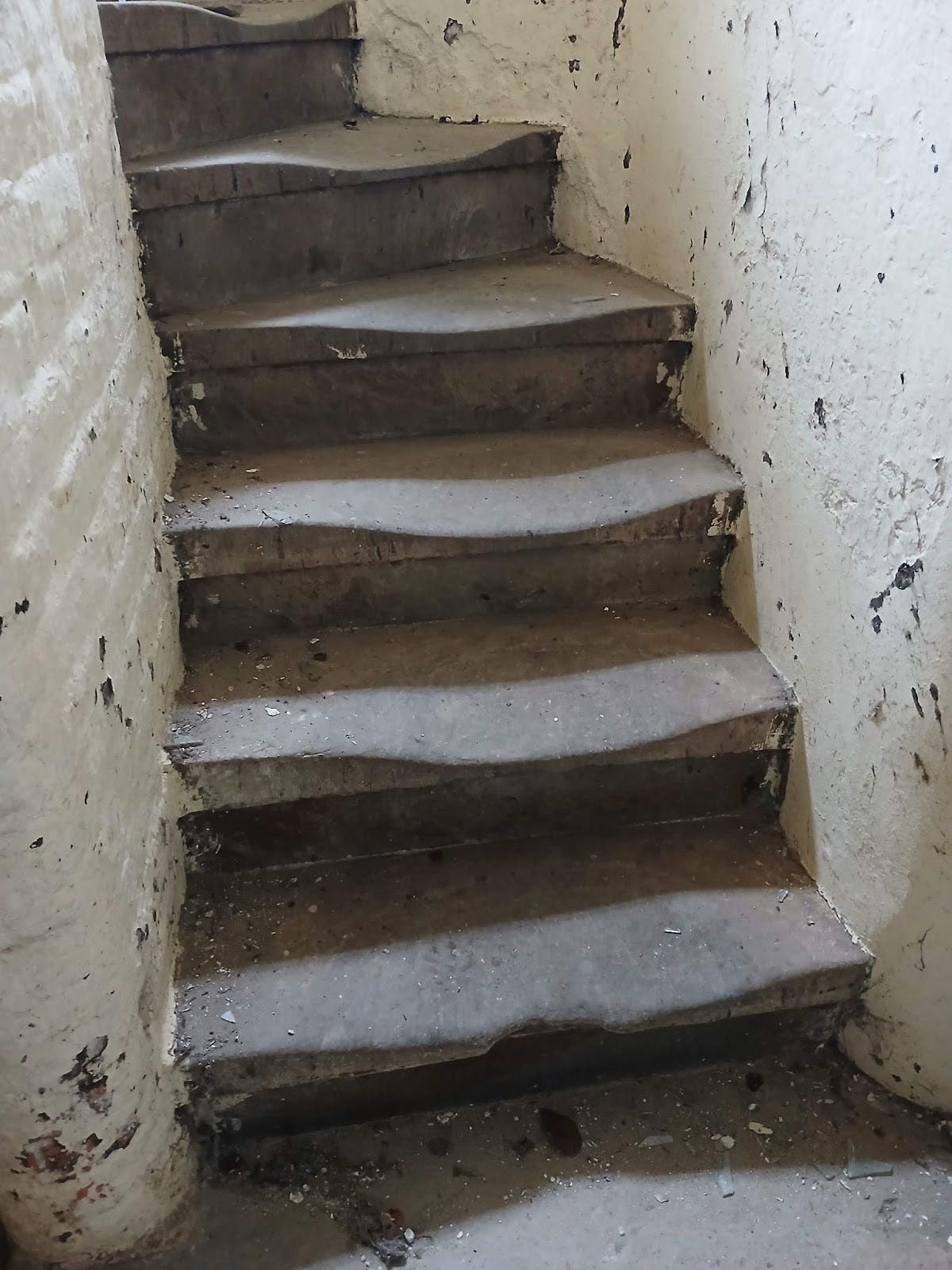
There would have been people scurrying around the building and between floors as these worn stairs testify.
There were more spindles and people upstairs, maximising the productivity of the building.
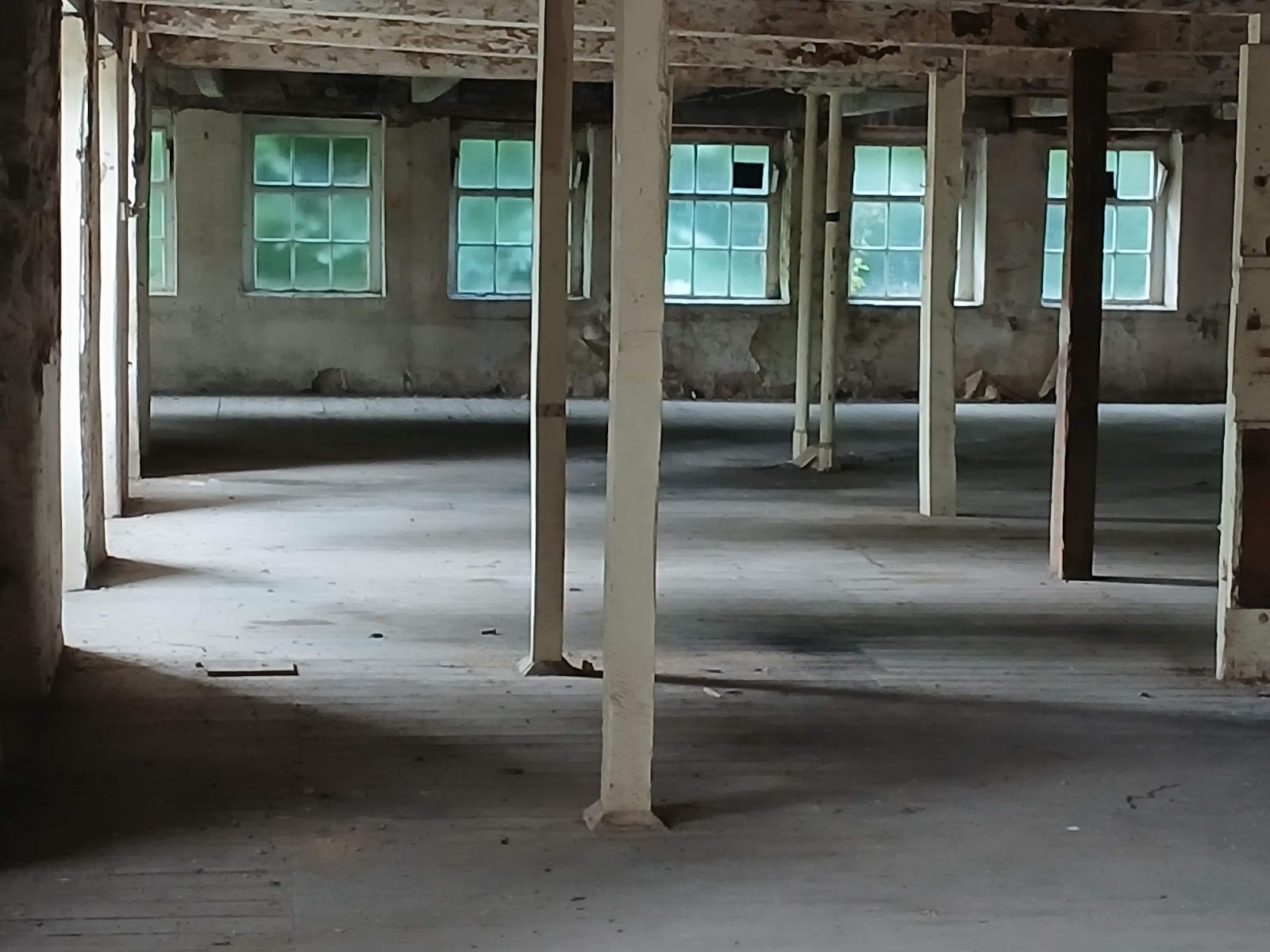
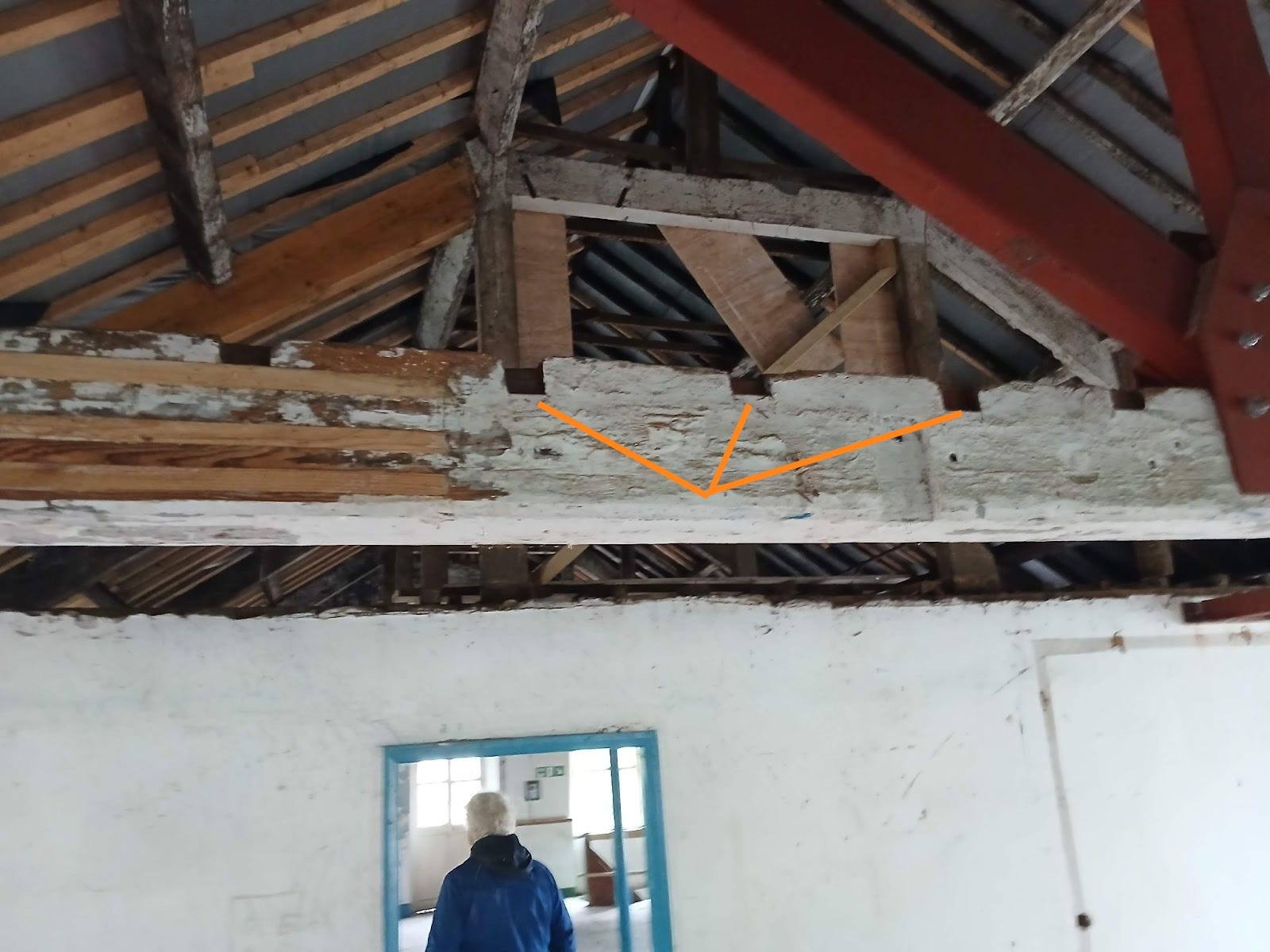
At some stage there was a top floor as well, though only the cut-outs for the joists remain.
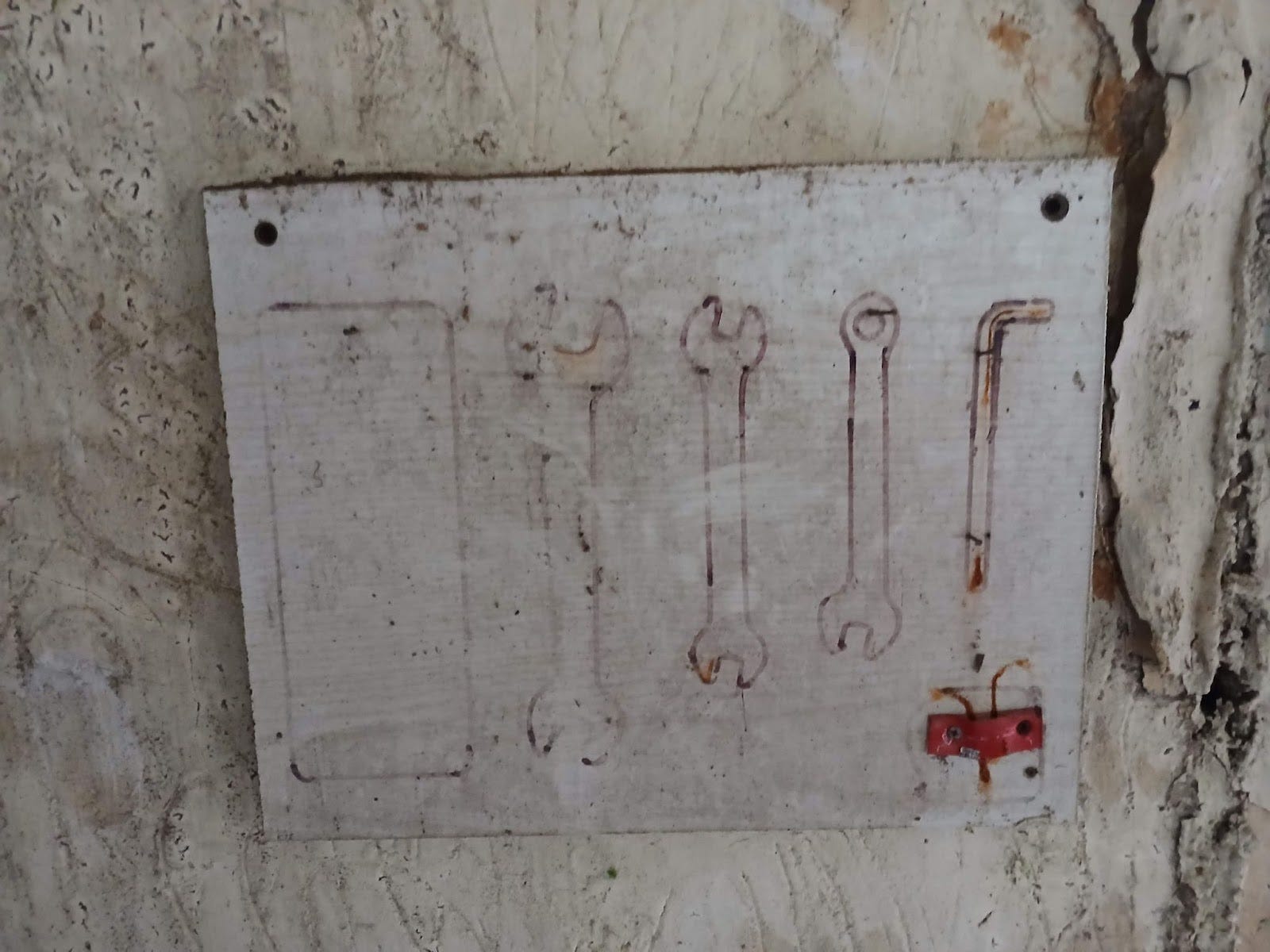
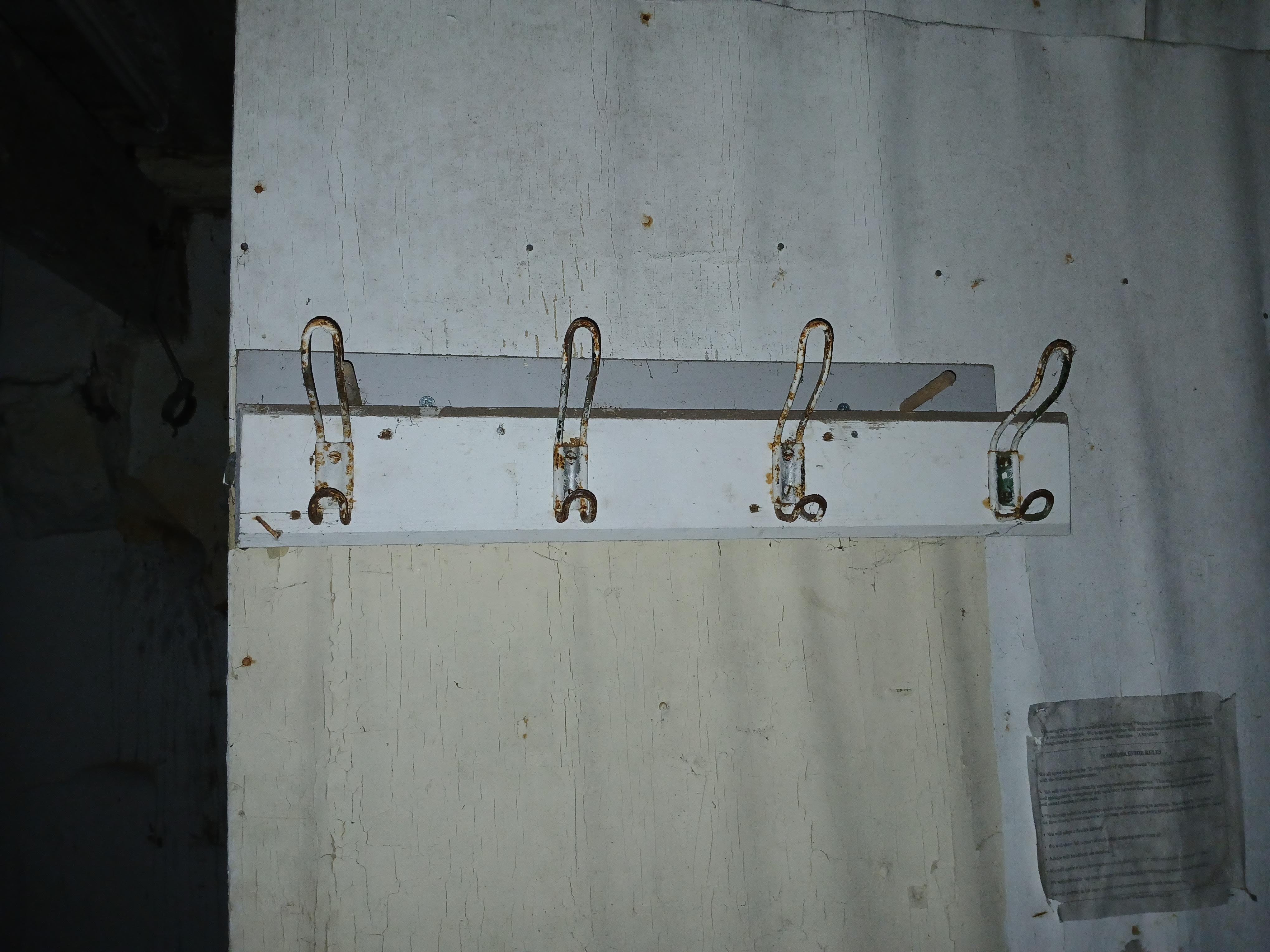
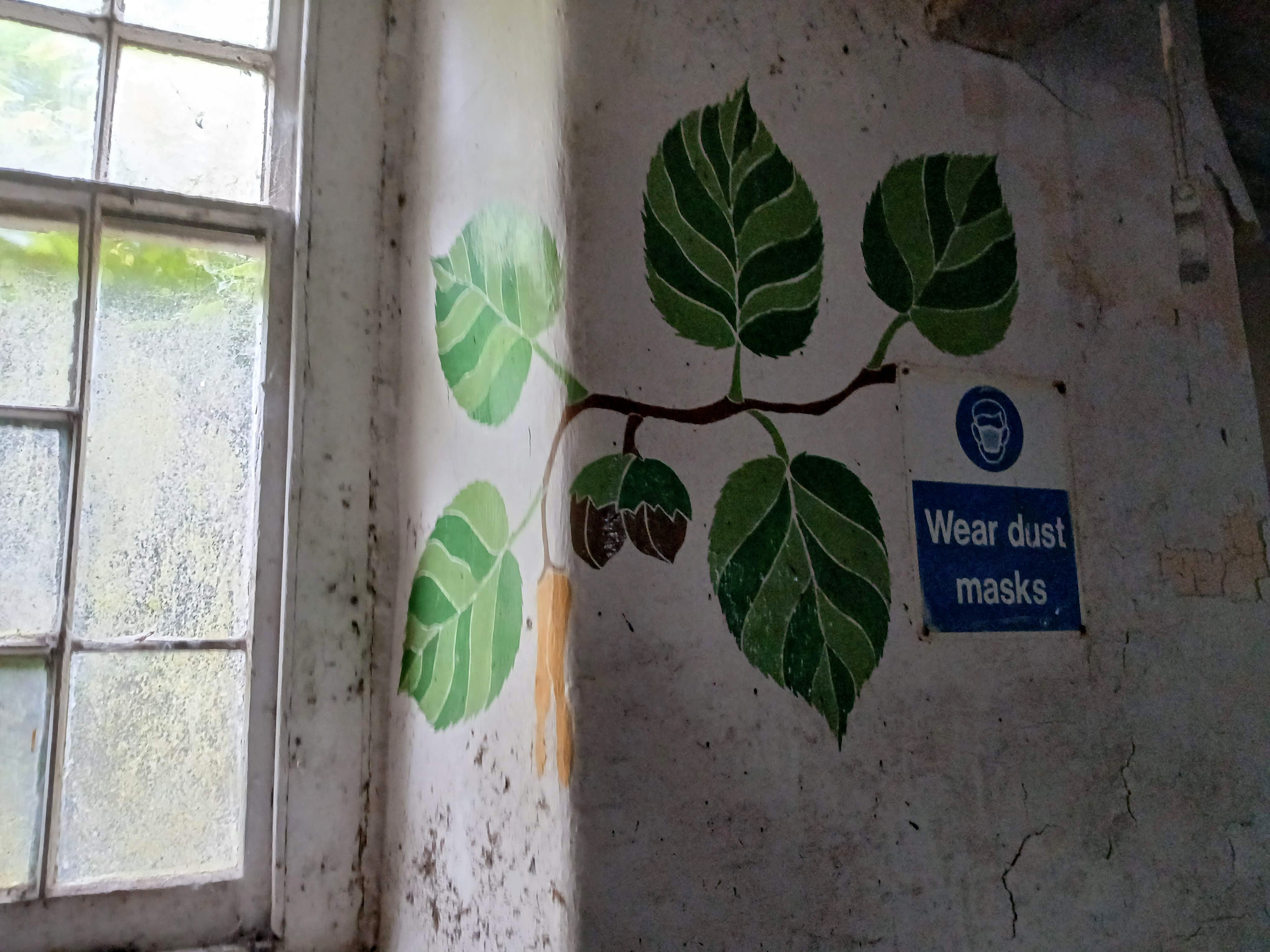
There are ghostly reminders all round the mill of the real people who worked here over the years.
In 1886 the mill was bought by Berry’s furniture manufacturers. It is still known locally as the chair works. At some stage a much larger wheel, about 32 feet diameter and a couple of inches wider, was installed. This is the wheel we went to see recently. The rim of the wheel was made up of 16 metal sections or “shrouds” bolted together. There were 16 wooden arms on either side of the wheel, each attached to the middle of a shroud. There were 96 buckets for the water to flow into and drive the wheel. The water wheel continued to power the machinery of the chair works until 1923, and to generate electricity until about 1940.
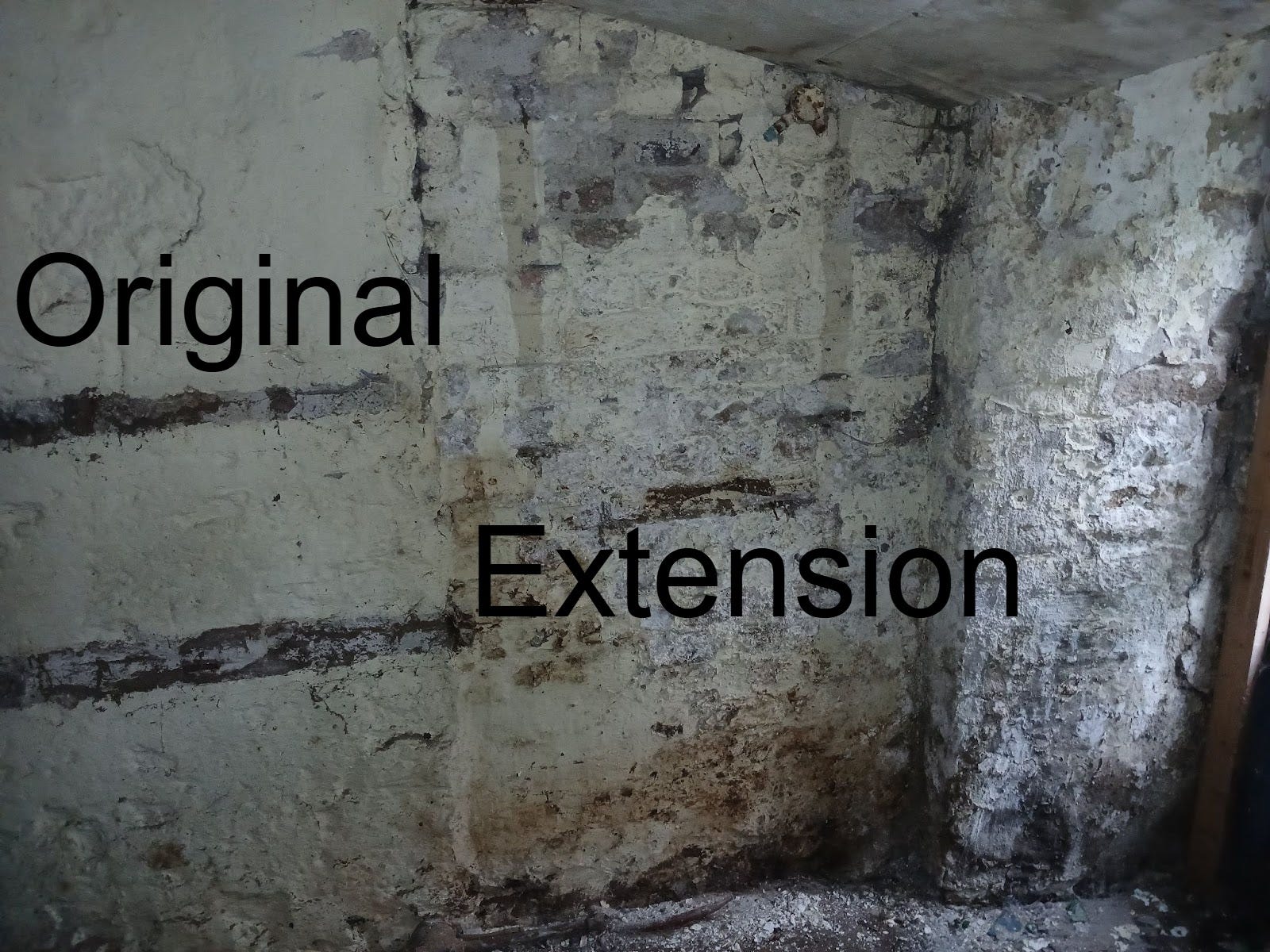
Berry’s had a pretty hard nosed attitude to the mill generally and the waterwheel in particular when it became surplus to requirements. Somebody decided it would be good to extend the building and add a walkway to improve access to the upper floor. This is where the original building was extended to make room for the walkway -
Unfortunately, the walkway literally cut straight through the water wheel! This is the view of the inside of the wheel from the walkway - a view that would be impossible to see in most mills.
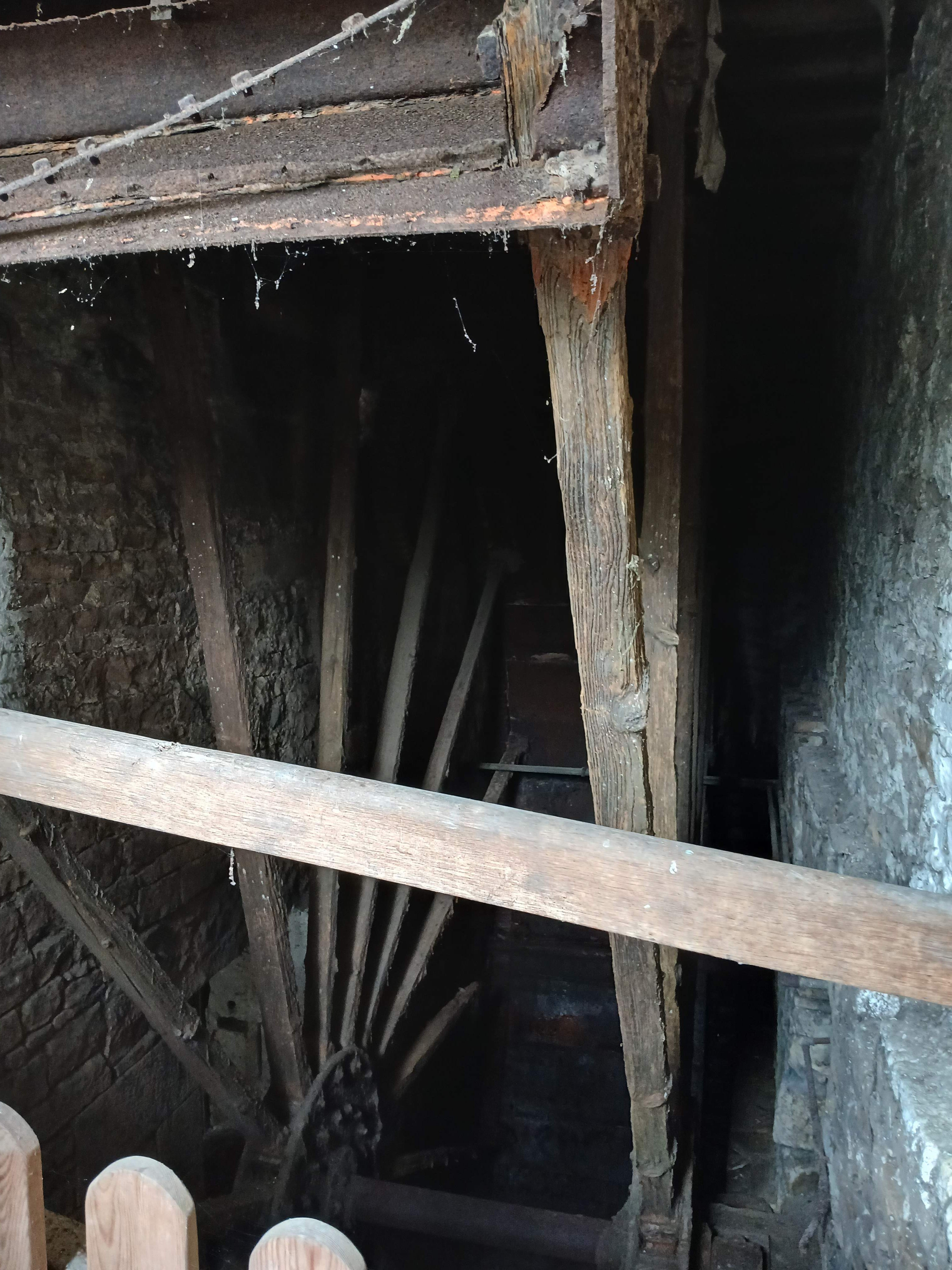
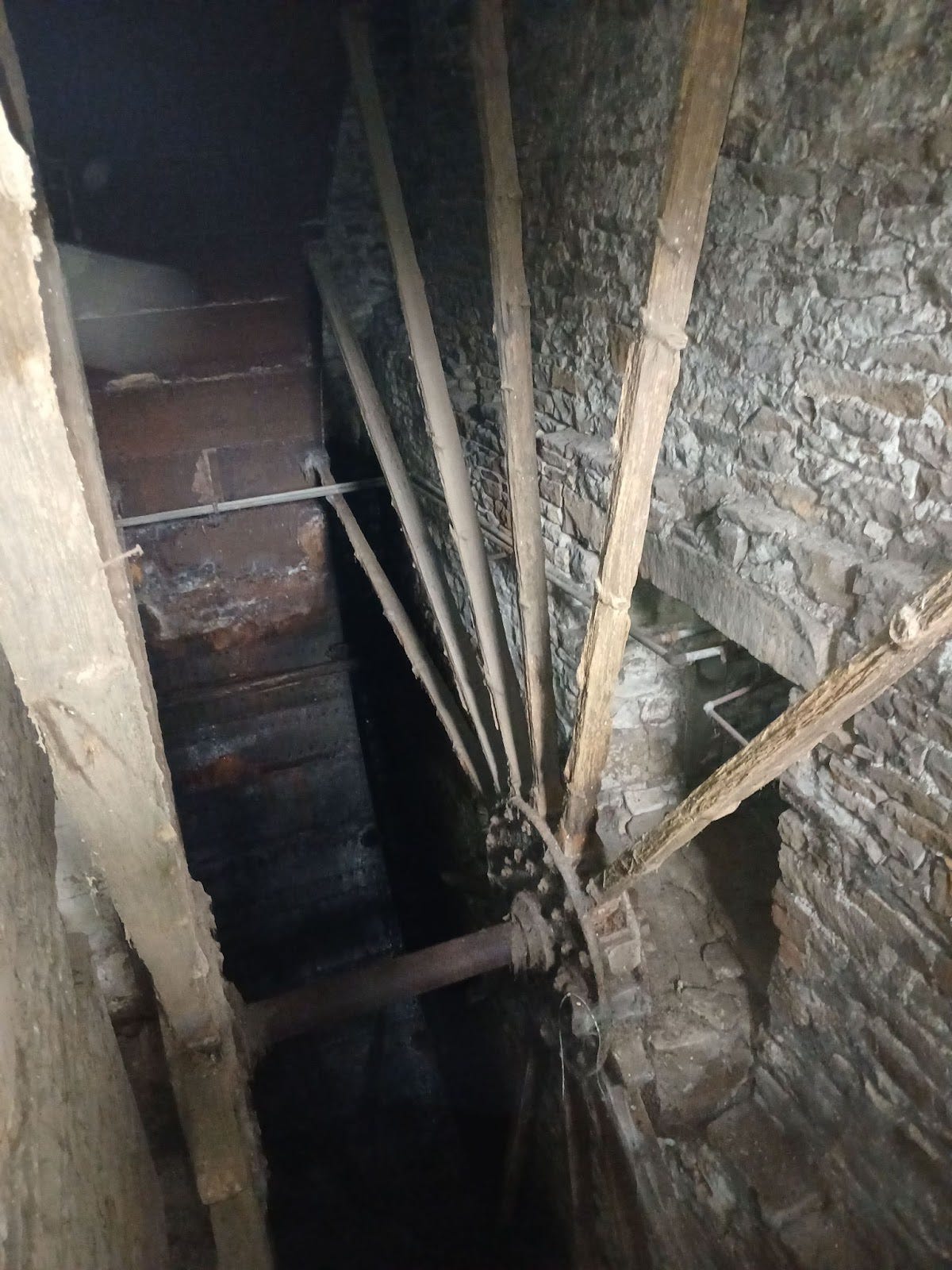
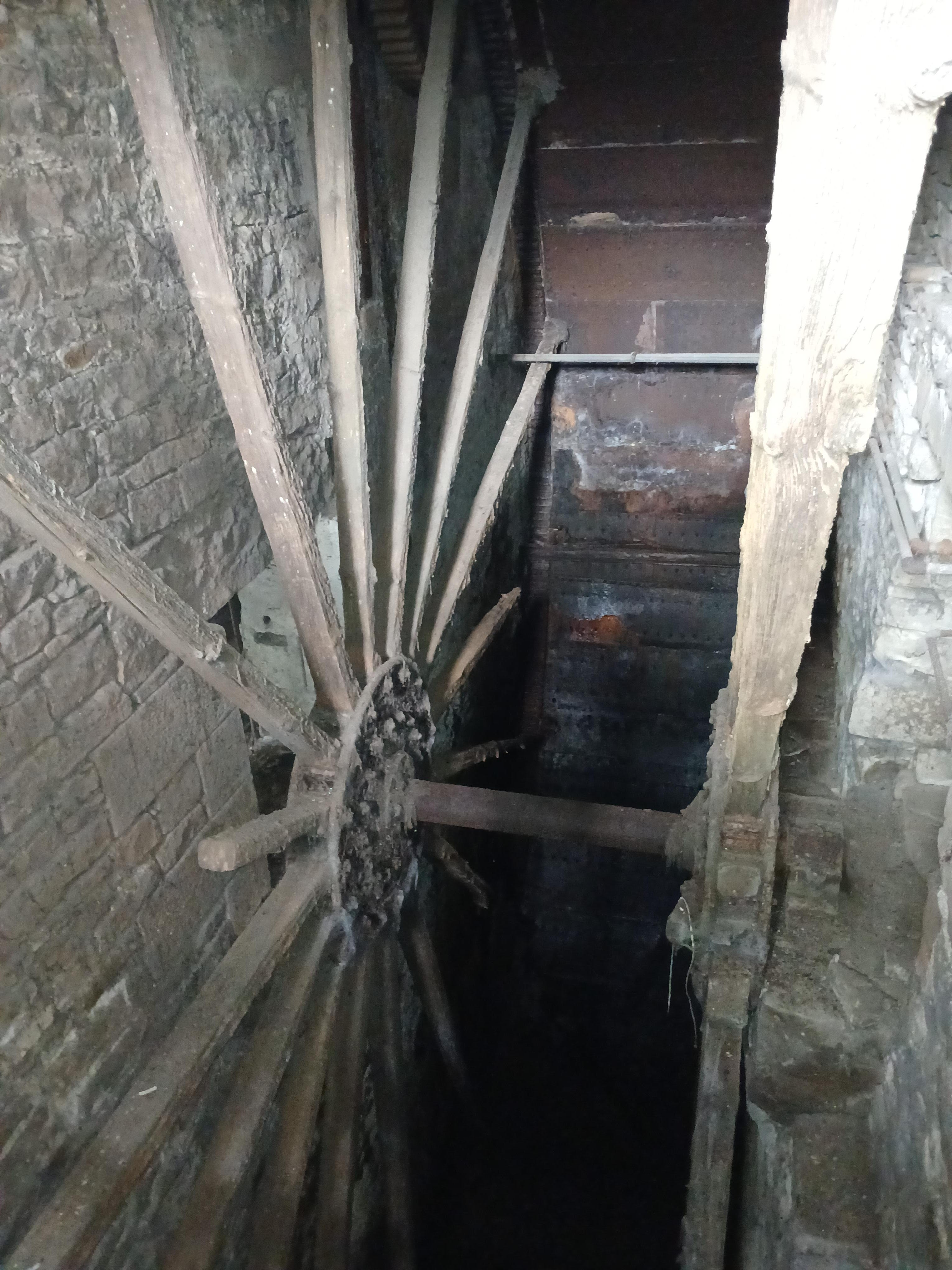
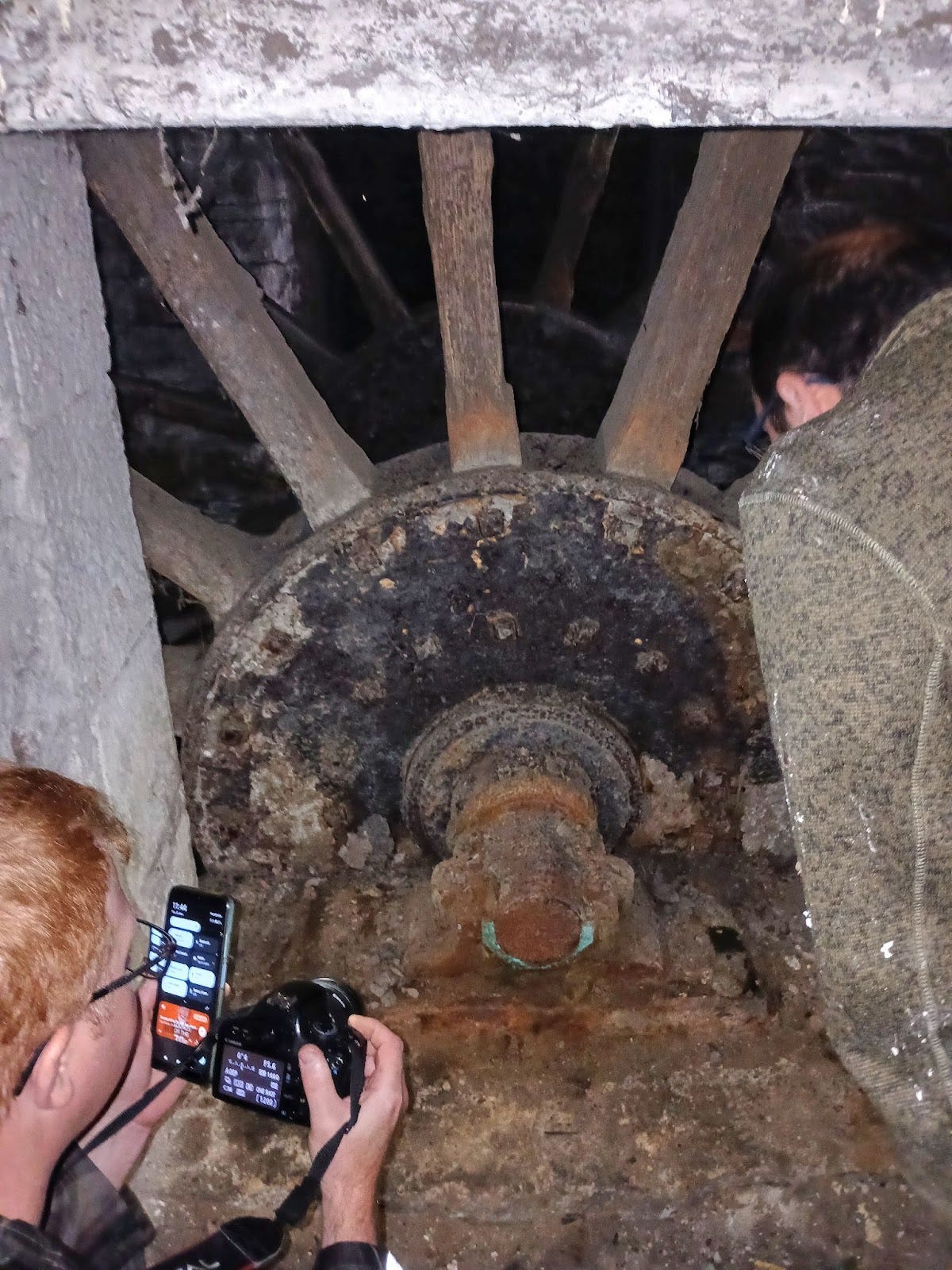
Making room for the walkway was done really quite brutally, by hacking a quarter of the wheel out, and wedging the remaining three quarters against the wall to keep it still. It is quite an astonishing sight, and a chastening example to future generations of what trashing your heritage looks like!
Stuart and Steve were consulted to see if they thought there was a realistic possibility that the wheel could be repaired and made to turn again. It’s quite a responsibility to express an opinion on something like this: if it’s attempted, it’s going to cost a lot of money. Saying no would dash a lot of people’s hopes, but there are lots of things to consider before you could responsibly say yes. And if you go into a project like this you must do so with your eyes open and with a very clear picture of the problems you are likely to hit, and some idea of the problems you could hit if you were unlucky.
So a lot of time was spent assessing the state of the wheel generally, and all its parts individually. How much wood would need to be replaced? What state is the axle in? Could replacement shrouds (sections of the wheel rim) be made without a design drawing of the originals? Could the buckets be made the right size and shape, and how many, if any, could be reused? Assuming the floor of the walkway had to be removed to make room for the repaired wheel, would the wheel fit inside the outer wall of the walkway, or would that need to come down as well? How big exactly was the wheel? Why had such a big wheel been installed and why was it made wider? How much flow of water would be needed to turn a repaired wheel? Would the pond be able to produce enough water? Stuart’s best guess is that the 14 feet diameter Heron wheel might use about 250 litres a second. Your guess is as good as mine how much a 32 feet diameter wheel would use!
Short of getting inside the wheel with a tape measure, even estimating the size of the wheel was tricky. Could we use trigonometry? Maybe we needed one of those estate agents’ laser measures?
At first glance it looked like the surviving buckets were badly corroded. But it turned out that the sludge of ages had dried on the buckets, and when you picked it away with your fingernail, the metal underneath was in quite good condition.
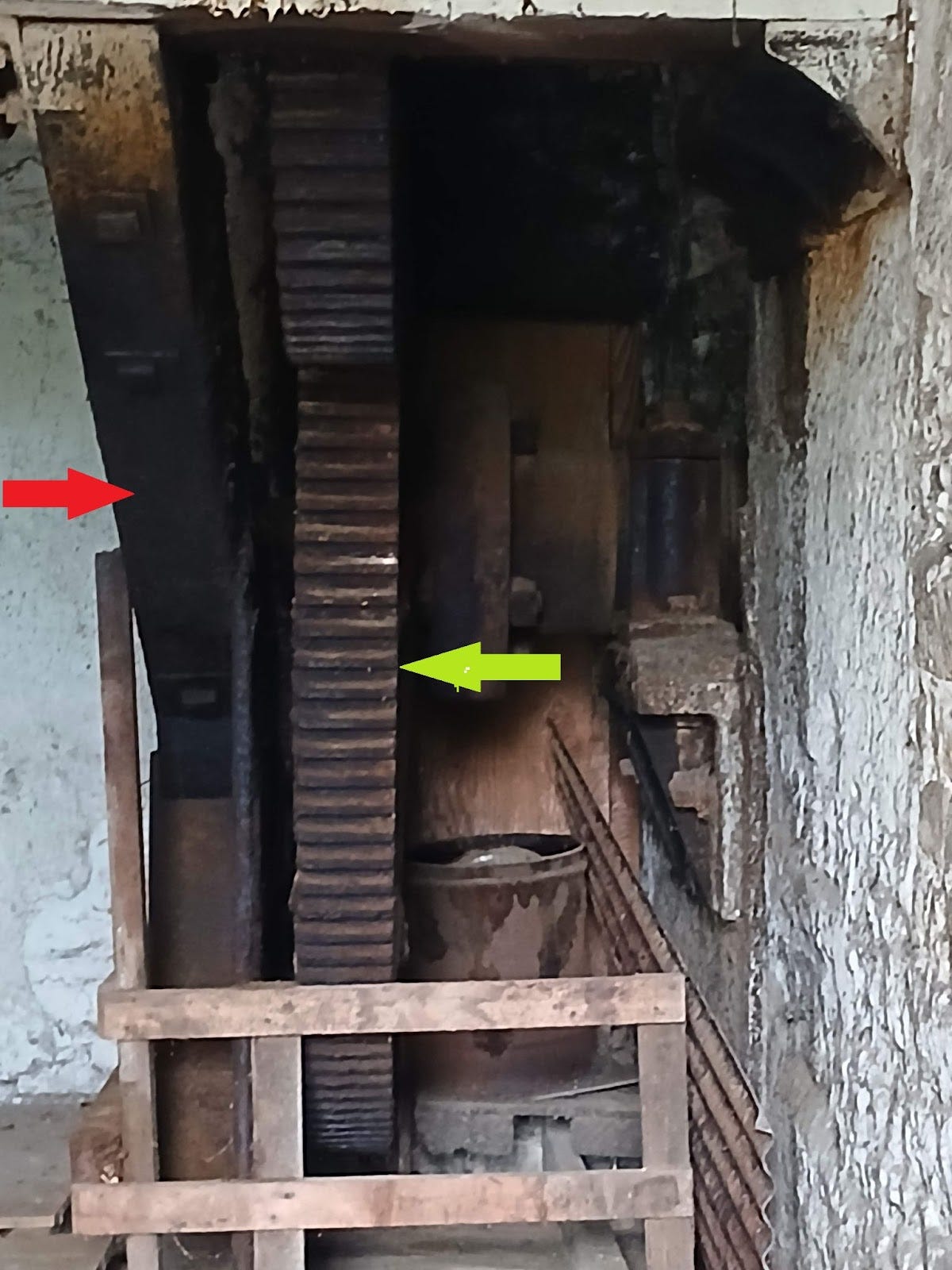
If you go to the ground floor in the Heron, you’ll see the water wheel’s horizontal axle (bottom left in this picture) directly transfers the power to the green vertical shaft.
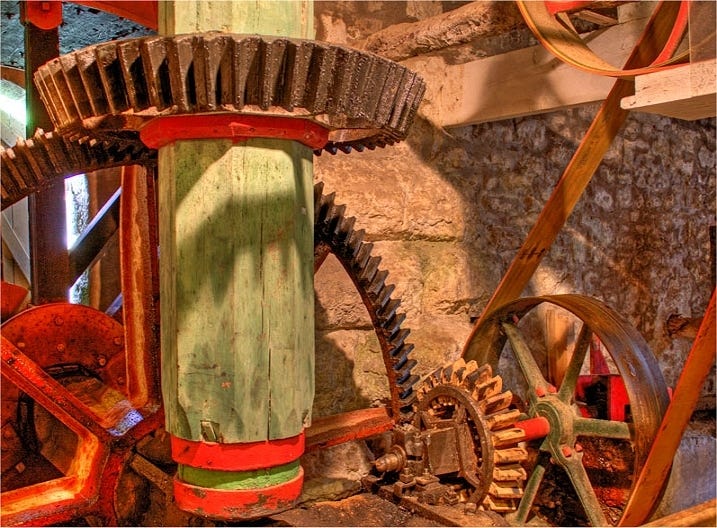
At Kirk Mill, the power stays horizontal a while longer, and there is an unusual diagonal beam (the red arrow) supporting the vertical gears (the green arrow) -
The water wheel is positioned very close to one wall, which could cause problems if it needs to be removed and replaced after repair work.
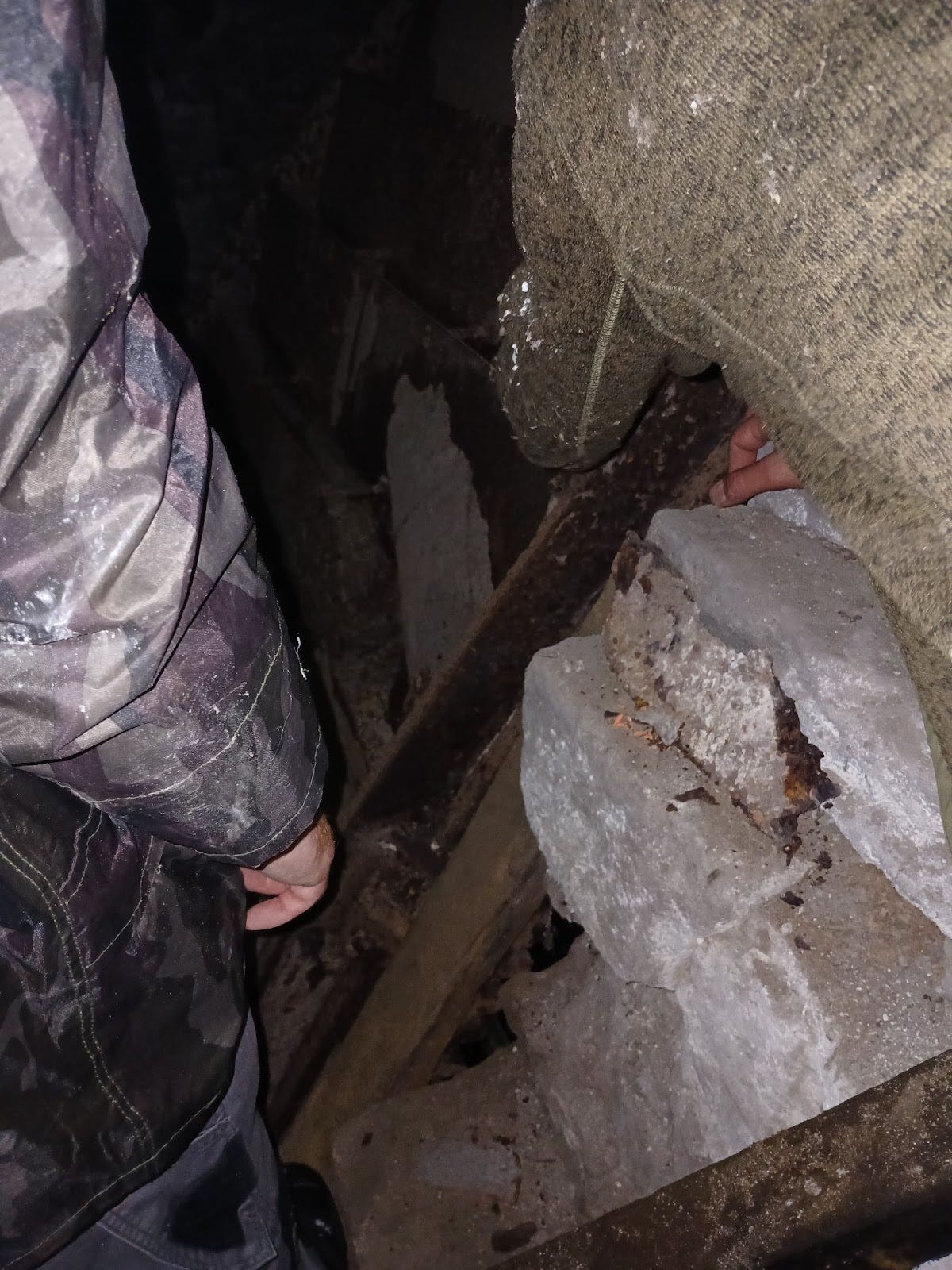
It looked pretty rough to me, but Stuart and Steve thought it would probably scrub up nicely.
After our trip round the mill, we went to the edge of the village - really the back of beyond - to meet a local lady who kindly provided lunch. There was a lot to talk about, not least because there are so many different ways the future may shape up for the mill. The kettle, boiled on the Aga, was kept busy.
The local community is close-knit and very curious to know what is to become of their mill. They very much want it to be a living part of the village, so it has to be to some extent self-financing. This requirement helps to keep people’s minds focused on the reality of heritage buildings in the modern economic climate.
The conversation ranged broadly, covering the history of the mill; Arkwright and our responsibility to keep in touch with the industrial history he was a leading part of; the power requirements of mills in general and cotton mills in particular. Apparently the rule of thumb was 1000 spindles require 10 horse power to drive them, whether the work of those horses was done by water, steam or electricity.
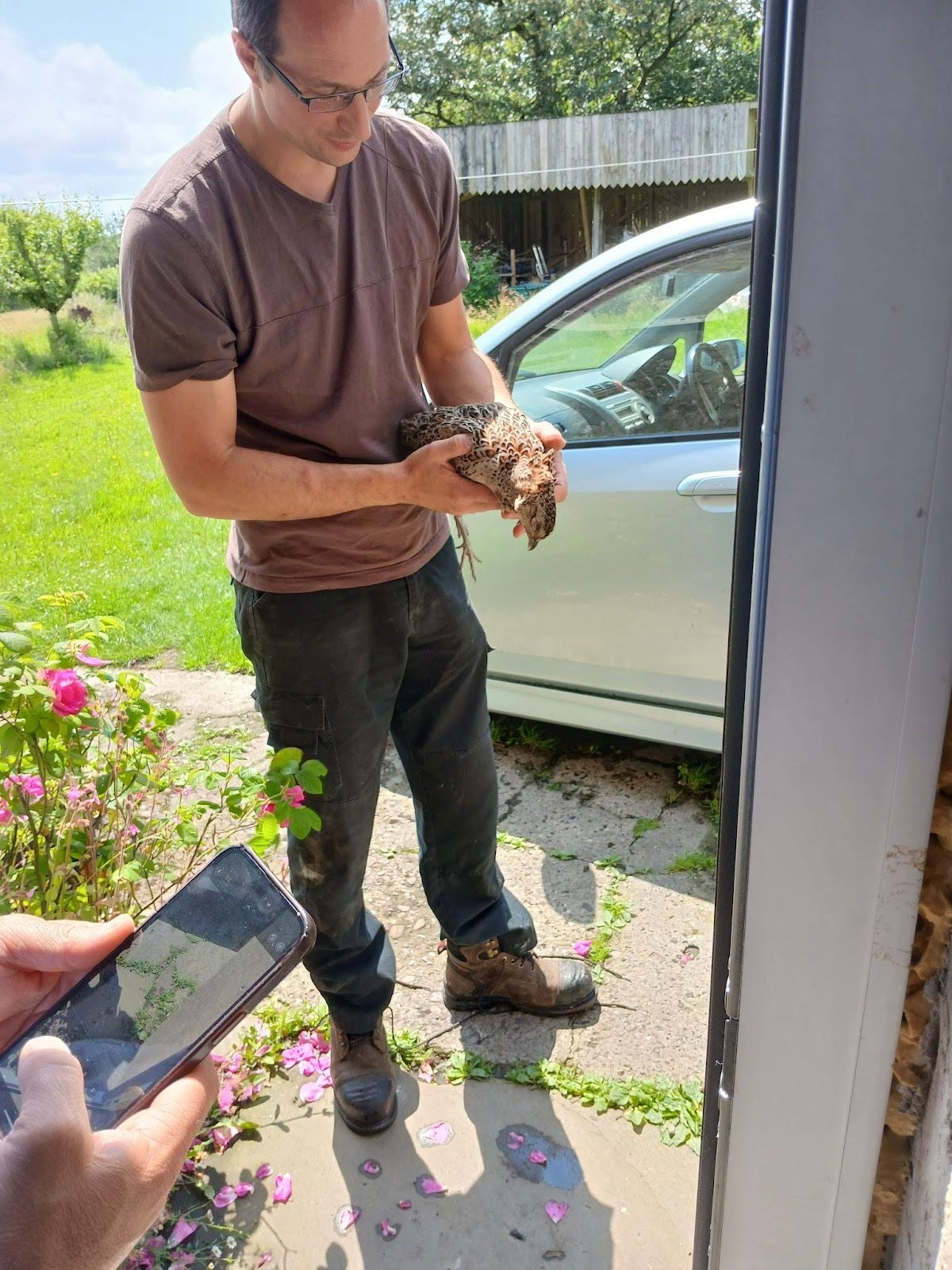
There was a dramatic end to lunch, when an unlucky pheasant flew into the window at full speed. It didn’t live to tell the tale, sadly.
The mill, on the other hand, is very much alive, and its future is largely in the hands of the community.
Comments
Nothing yet. Say the first thing.
Sign in to join the conversation.