
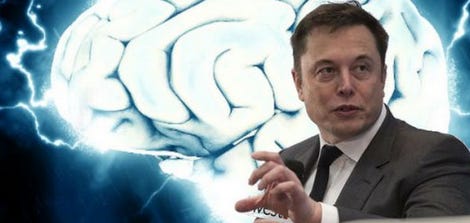
Recently, Elon Musk made new claims about “Optimus,” his humanoid robot project, and what it could mean for the future of work. As expected, it sparked a wide range of reactions. One of the deeper responses came from Shubham Bagade (@shub_5), who warned that nearly all human labor may lose economic value and that society could face a crisis of meaning.
His message is thoughtful, but also dramatic, so I want to look at it honestly and practically. Is he right? Is he exaggerating? Or is this another case of techno-panic? Let’s take a balanced look.
He argues that:
Optimus will eventually push labor costs close to zero
99 percent of human labor will lose economic value
Owners of the first robot fleets could become “god-like rulers”
Work is the foundation of identity, purpose, and societal structure
If robots do everything, humans may lose their reason to live
Society will shift toward art, philosophy, exploration, and meaning-making
The defining questions of the future will be:
Who owns the robot fleet?
Who controls the UBI distribution?
It is a sweeping vision, and it taps into fears many people share about the acceleration of AI.
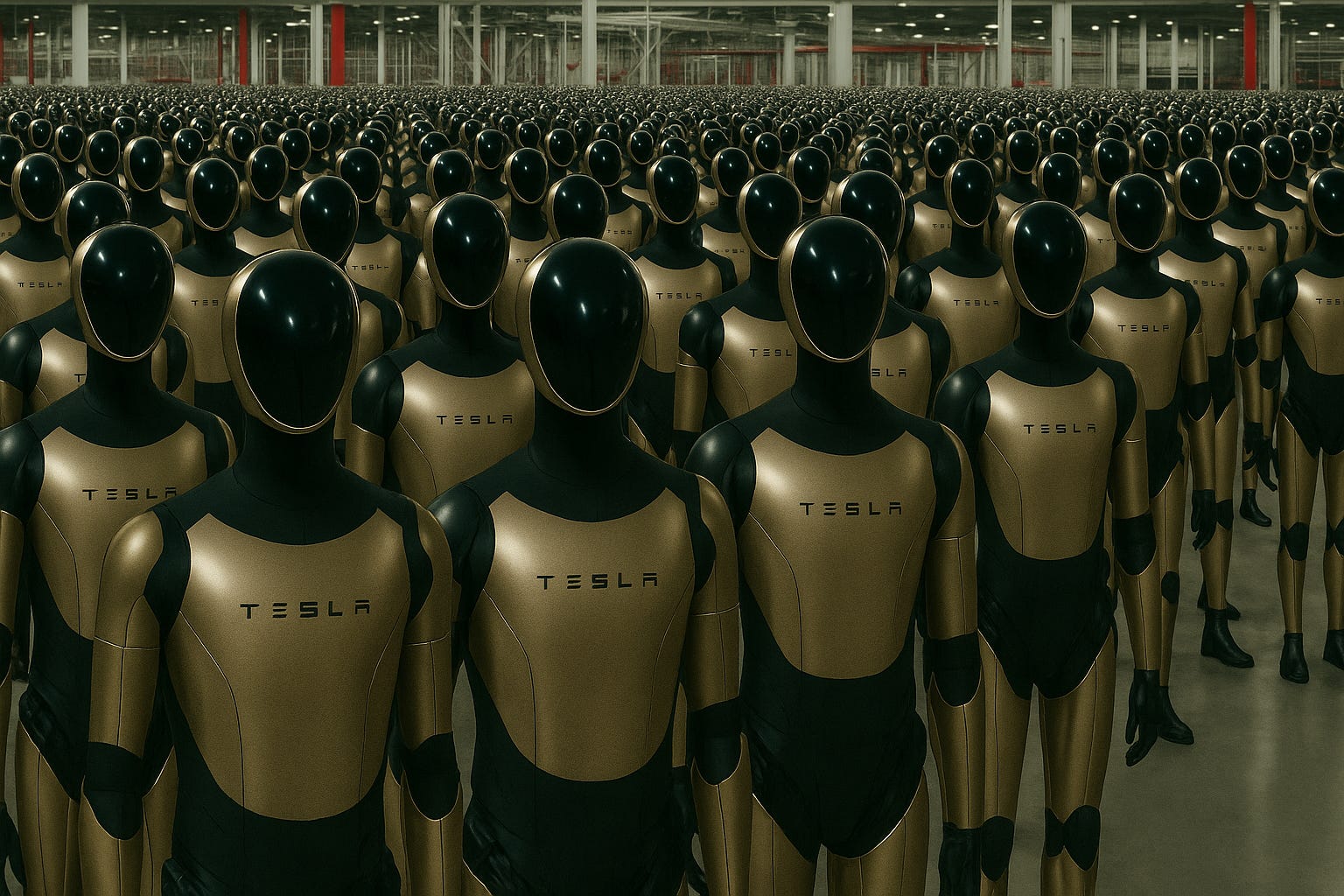
If robotic labor becomes extremely cheap, someone will own the robots. Whoever does will influence productivity and how the benefits are distributed. This isn’t paranoia, it’s a genuine policy concern. Historically, every technology that concentrated power ended up regulated.
Shubham is right that work provides structure, purpose, and identity. If work changes, people will need new forms of meaning. That transition is real.
His idea that humans may increasingly focus on:
art
philosophy
exploration
storytelling
community
spirituality
These are actually hopeful and wise insights. These are things AI cannot replace.
There’s no historical evidence this is likely. Human labor evolves, it does not evaporate.
This assumes governments and global society sit back and do nothing. That is not how history works. Power gets challenged, regulated, and redistributed.
This is philosophical drama. Human beings always find meaning, often in the very places where survival is easier.
It’s not a rant, and it’s not nonsense.
But it is speculative and dramatically framed.
His most valuable points are:
We must decide who owns AI and robotics infrastructure
We must decide how automation benefits are shared
We must help people find purpose beyond traditional labor
We must ensure technology serves humanity, not the other way around
These are real discussions worth having.
Shubham Bagade’s perspective is a blend of philosophy, caution, and futurist speculation. His concerns come from a genuine desire to protect human dignity, and that deserves respect. But the future is rarely as extreme as the boldest predictions.
Humanity is resilient. God created us that way to survive in a fallen world.
We adapt to new situations and find alternatives when we need to.
We find meaning in every new chapter of life we experience.
If robots and AI grow as fast as predicted, we will adjust again. The important thing is ensuring that the benefits of these technologies are shared broadly, not concentrated in the hands of a few. That is where our real work lies.
We were created in God’s image and that makes us creative beings. The choice is ours as to how we use these new technology tools that humanity is building at a rapid pace. Will they help and support us or be used to control and dominate us?
NOTE: This article was compiled and produced with the help of Alex (my ChatGPT assistant.)
No posts
Comments
Nothing yet. Say the first thing.
Sign in to join the conversation.