
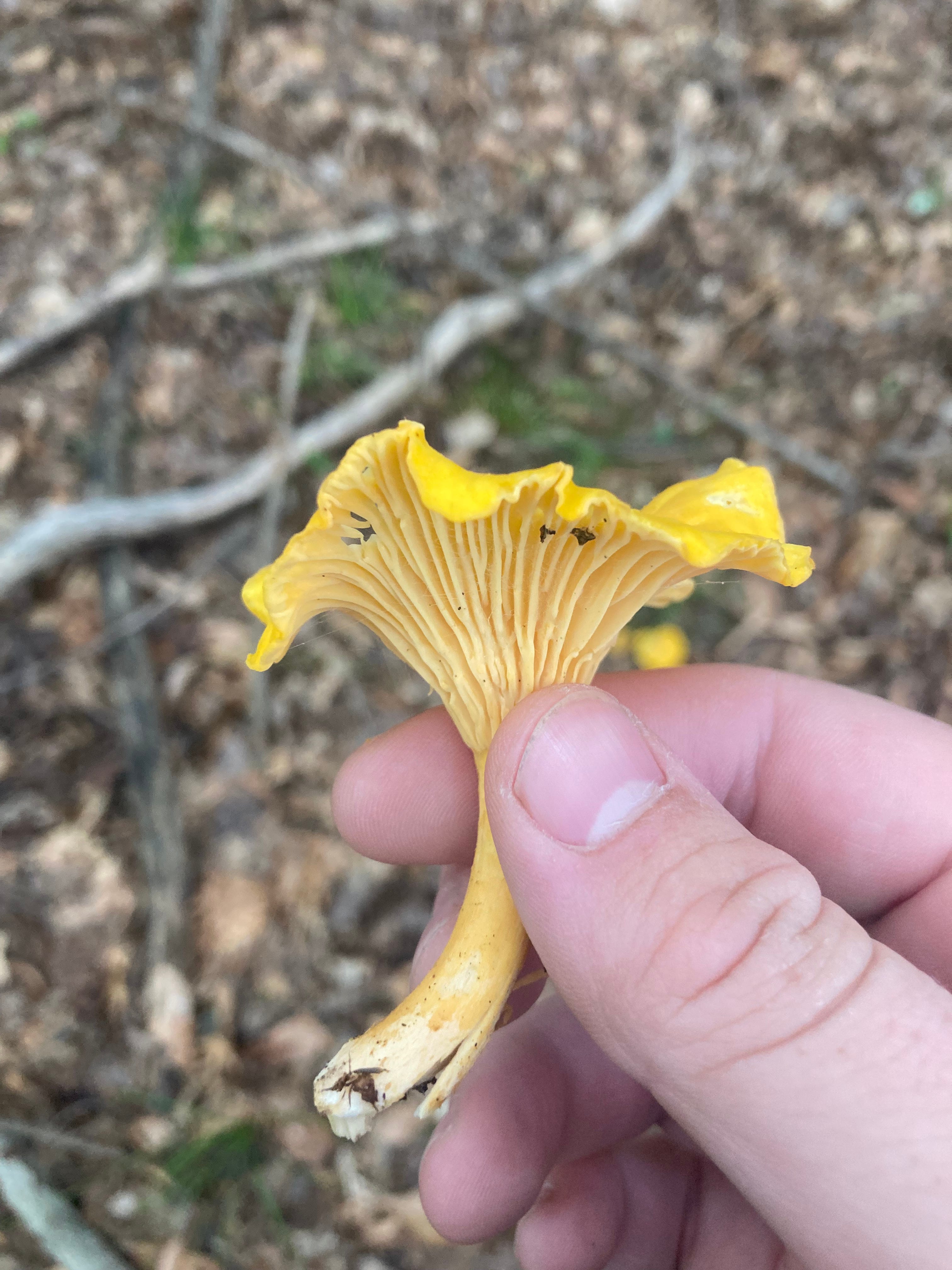
I had been trying to find chanterelle mushrooms for years without any success. I looked high and low, memorized habitat dispersal and scientific names, spent countless hours in the woods, and yet I just could not find them. No matter what I did, they remained elusive. I began to believe that chanterelles didn’t even exist, that they were a myth invented by demented biologists to torture young budding mushroom hunters. So of course, I finally found them when I was driving to work. I was literally less than a minute away from my jobsite, just turning off onto a dirt road, when I saw a clump of gold sitting in leaf litter under a beech tree. I pulled over, hopped out of the car, and ran to the mushrooms, still refusing to believe that I had actually found chanterelles. One smell confirmed my initial thought. They were fruity, peachy, delicious! It was at that moment that I got fully hit by the mycology bug. The fact that these gorgeous mushrooms that I had spent so much time chasing just…appeared one random day right next to where I had worked for 2 months just blew me away.
Since then, I have been hopelessly addicted to mushroom hunting. And yet as addicted as I, lots of people tell me that mushroom hunting is “weird”. I tell people I forage mushrooms and they immediately think I’m some sort of hippie communing with crazy gods, high of my ass on a random Thursday. Or they think that I’m going to poison myself and my family with disgusting dirt covered toadstools. Mushroom hate is a uniquely American predisposition that I really don’t have any good explanation for. I can’t even begin to describe how much the rest of the world loves mushrooms. The Chinese go crazy for them. The Japanese love them. Russians will die for pickled mushrooms. Italians have built entire industries around mushroom harvesting. And yet us Americans still are incredibly mycophobic. While that attitude is changing, mushroom hunting is still relegated to third wheel among the other outdoor pursuits, hunting and fishing.
I can’t help but feel bad for the mushroom haters of America because they are missing out. Not only do mushrooms taste great, but they have untold medicinal benefits that scientists are just now coming to understand. Mushroom hunting gets you outside and in touch with nature in a profound way. Russians have called it “quiet hunting” and I think that’s the perfect way to describe it. You get to go on a treasure hunt in the woods and learn about nature in the process. Learning about mushrooms quickly becomes a gateway drug to learning more about the natural environment. In addition to learning about mushrooms, you learn about trees, plants, frost lines, micro climates, and so many other little bits of knowledge that soon you find yourself much more attuned to nature just because you wanted to eat some fungi. This connection to nature grows stronger as you spend more and more time in the woods.
I would also be remise if I didn’t mention the coolest mycology fact of all; it’s a totally open field. If you want, you can probably discover a new mushroom species in your own state! There is so little funding for mycologists that backyard experts and civilian scientists are allowed and even encouraged to contribute to it in a way that other subjects just aren’t. The culture in mycology circles encourages this discovery in ways I just haven’t seen in the rest of the scientific world. Get out there and make a discovery!
Ok, maybe I’ve convinced you to get into mycology. But where do you start? Mushroom identification can feel so overwhelming that many beginners give up out of sheer confusion. Most mycology sources will tell you to start by taking a class or talking with an expert. That’s a great idea, but I never loved that advice because it’s out of reach for so many people. I couldn’t afford to take a class, and I didn’t know any experts. The only people in my life who knew I was interested in mycology thought I was going to kill myself. The only option I had was self-study. If you have the money for classes, or if you know someone who has been foraging for years, please please please start there. One good class can be better than 10 hours of self-study.
But if you don’t have any other options, you can copy what I did. To start, I used the internet. A lot of foragers just rolled their eyes when I said that, and there’s good reason for that. Learning about mushrooms online is a controversial subject, one made more controversial by the recent use of AI. People have been publishing AI books and videos supposedly teaching you how to pick mushrooms. The problem is that Chat GPT cannot successfully differentiate mushrooms, it just thinks it can. Just as an experiment, I threw a couple of images of mushrooms in Chat GPT to test its skills, and it got 2/3 right. So it will only kill you 33 percent of the time (ha-ha)! Also, if you google a mushroom species for a reference nowadays AI images will pop up. It would be easy for a novice to confuse an AI photo with genuine photo and poison themselves by mistake.
There are genuinely good sources of information online, the key is to use discernment. Try looking for a mycological society in your area. They often have online identification guides that can be really useful. The group I’m certified by is Mami, or the Midwest American Mycological Information website. They have a whole study guide for their licensing program that has great information, albeit a little academic. No matter where you live, there is a group for you. Another place to try is outdoor websites like Outdoor Life or MeatEater, which have guides on foraging for mushrooms.
YouTube videos can also be good if you use the same discernment you use with websites. A distinct benefit of YouTube is the ability to see the mushrooms. Reading a book is great, and photos can do a lot, but seeing a video of a mushroom gives you a more complete idea of what it looks like in its natural environment. Look around for well researched videos, and use them as a general guide and reference, not as an end all be all.
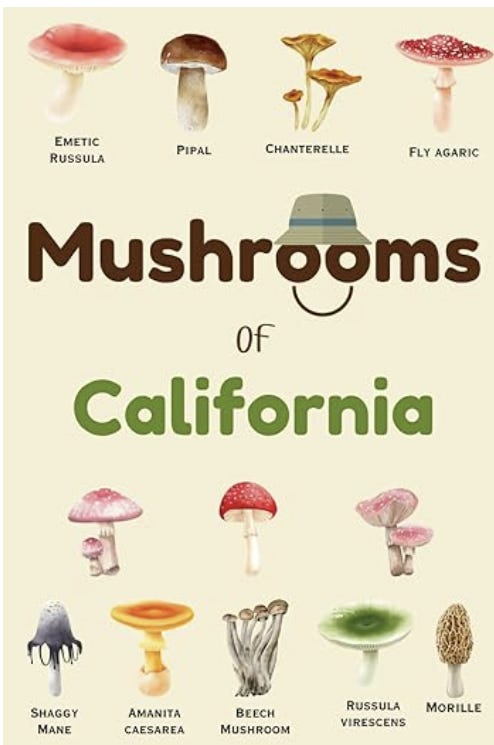
The other key resource is books. Again, you have to be careful to avoid AI generated books. Make sure the authors are well known in the field, have some sort of credentials, and don’t use any Ai covers. At this point I think it would also be wise to avoid any book written in the last 5 years, just to be extra sure that the information is not AI generated. I would buy 2 books. You want a more comprehensive guide you can keep at home, and a sturdier, smaller field guide you can take with you outdoors. It is so nice to have reference pictures available with you in the field so you can double check. I take an Id guide with me every time I forage and never rely on just memory even though I am licensed as a Mushroom Expert in the state of Michigan, because why take the risk when you can have identification information at your fingertips?
I’d like to take a moment to highlight some dangerous mistakes people make when mushroom foraging and why they are so dangerous. There are four kinds of people I would consider high risk for serious mushroom poisoning. While I wouldn’t call this list entirely comprehensive, and mistakes obviously do happen, I am much more worried about mushroom poisoning from people in these four distinct groups. Anyone can get a tummy ache from foraging, but these people are at a higher risk for mushroom related deaths. I include this list so that you can understand where the most dangerous mycological mistakes happen and how you can avoid them.
1. Immigrants
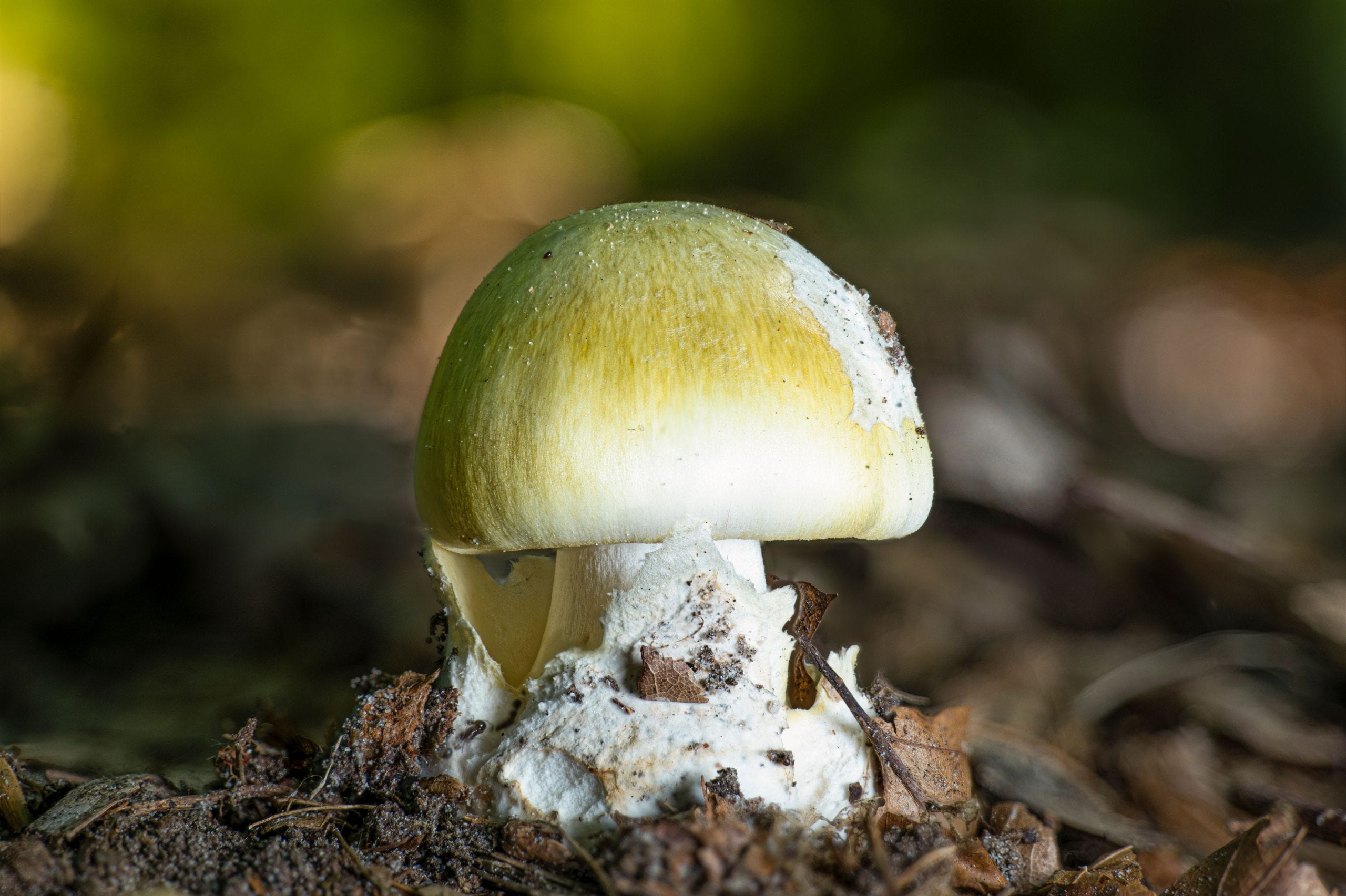
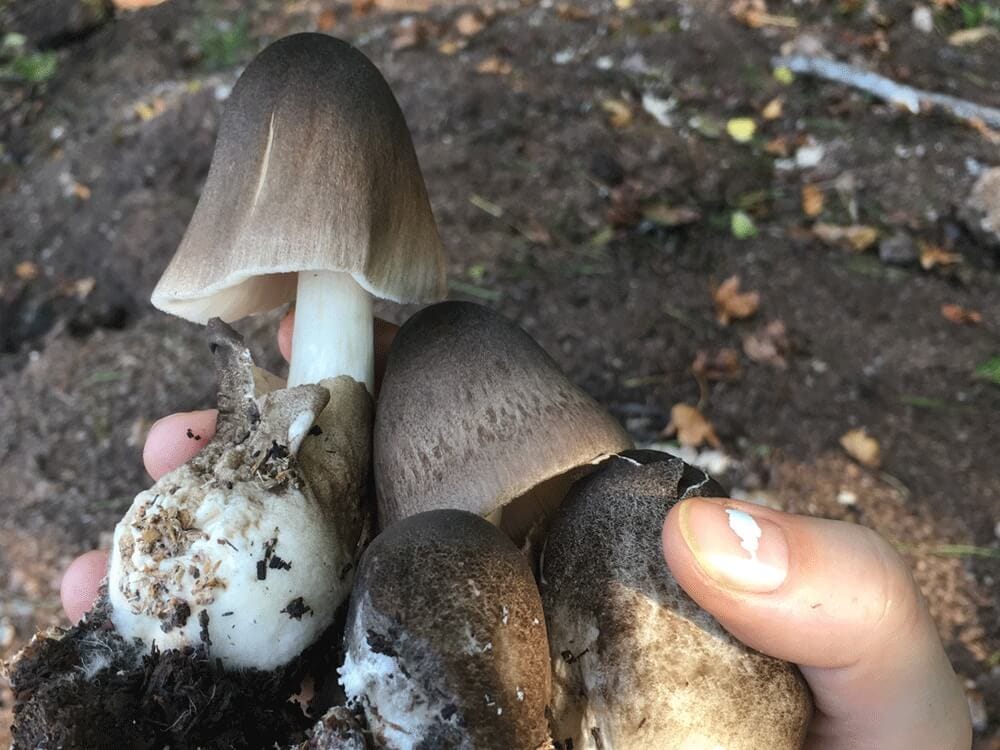
Immigrants are extremely high risk for mushroom related deaths. The reason they are much more likely to die is because many immigrants grow up foraging, and assume that the same mushrooms they foraged back home will be safe in the U.S, which is not always the case Each place has a distinct mushroom context or set of species that are commonly eaten and their poisonous look alike. A great example of this is the paddy straw mushroom. This edible mushroom is extensively cultivated in southeast Asia and is considered a very desirable edible. It also looks a lot like a death cap mushroom. Death cap mushrooms contain amatoxins, one of the scariest toxins known to man. While I don’t understand all the chemistry behind it, the best way to describe it is that if you consume amatoxins and you don’t get treated, your liver liquifies. Not good! American and European forages know to avoid anything that looks like the death cap and have several ways to identify this horrific mushroom. But immigrants from other parts of the world don’t even know they should be worried about it. I recently read the story of a Mixtec couple living in Oakland who just assumed the mushroom was safe to eat because they ate something like it back home in Oaxaca. By the grace of God they survived, but many are not that lucky. 4 people this year alone have died in California from death cap mushrooms, and most if not all were immigrants. The lesson to take away this is that whenever you move or travel to a new location, assume you know nothing! Traveling from Wisconsin to Michigan is probably ok, but if you go to a new country throw out all your previous knowledge and take time to relearn. That humility will keep you alive.
2. Idiots
I don’t mean to be rude, but a lot of people who get sick from mushroom poisoning are not the brightest bulb in the box. They shove random mushrooms into their mouth, not even pretending to know what they’re doing, and are surprised to find themselves sick. The lesson here is pretty simple. DON’T EAT ANYTHING YOU HAVE NOT 100 PERCENT POSITIVELY ID’D. It is ok not to eat a mushroom you find. It is ok to just take photos. It is ok to just look at a cool mushroom. If you feel a little weird about eating a particular mushroom, don’t eat it. (As an aside, also take good photos of the mushrooms you eat. If you make a mistake and get sick, you’ll be able to learn from your mistakes and get an expert ID if necessary.
3. Toddlers
Toddlers like to graze. Unfortunately for them, lots of potentially harmful mushrooms can grow on suburban lawns within reach of toddlers. The lesson here is to take time to learn about common toxic species in your vicinity so that you can help others. Knowing what is actually dangerous can save lives, as the sooner you get someone medical attention after they eat a poisonous mushroom, the better their prognosis is.
4. Hippies
Look, the first thing everyone wants to know when I say I like mushrooms is “oooh, like magic mushrooms right” That’s not my scene. For a lot of people though, that’s why they got into mushrooms in the first place. I’m not here to condemn that. What I will say is that psychedelic mushrooms can be difficult to identify. Many of them are small brown mushrooms that look similar to potentially dangerous species. If you intend to harvest psychedelic mushrooms, take extra precautions and really make sure you know what you’re doing.
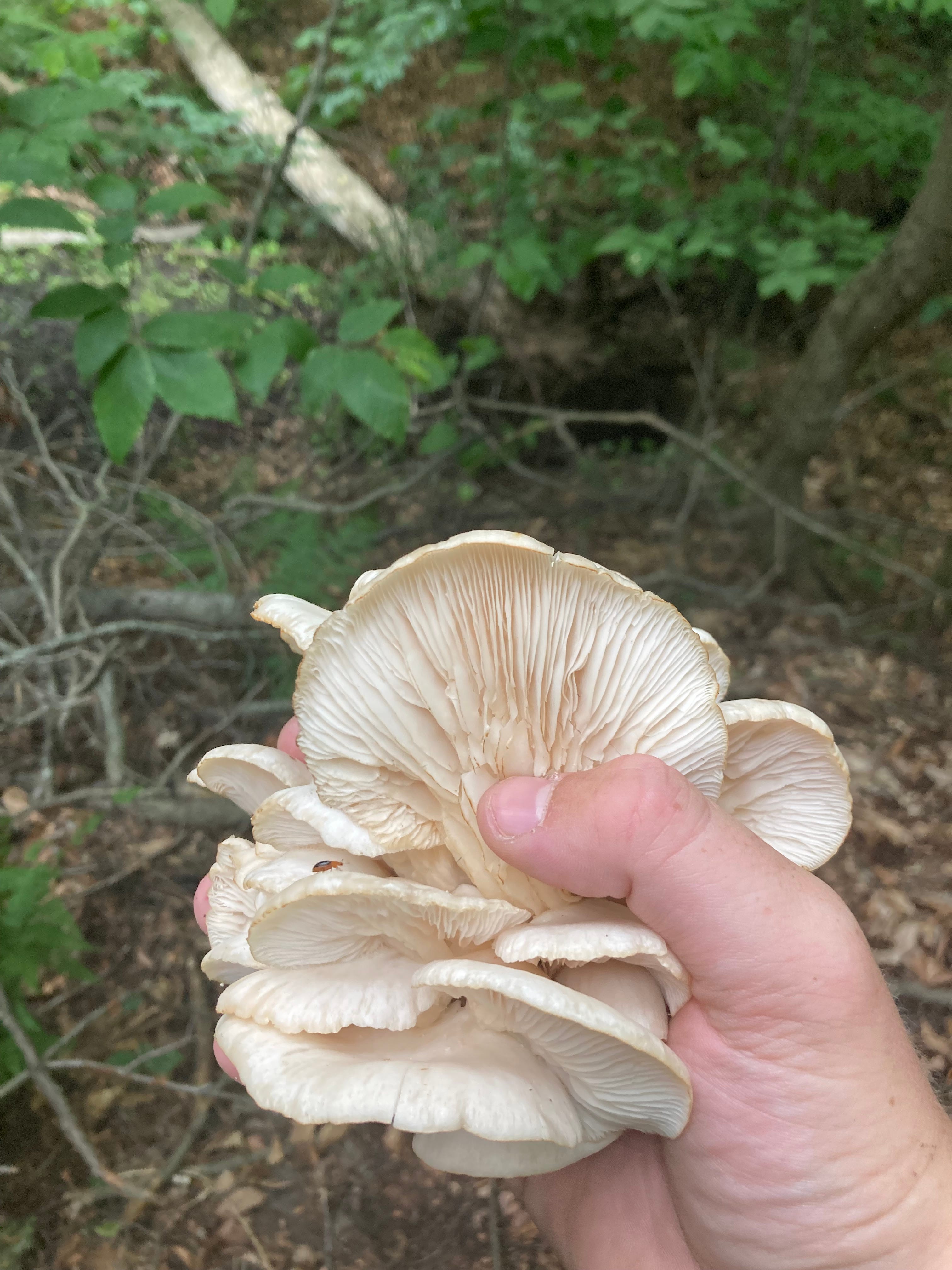
A lot more goes into ID’ing a mushroom than just looking at it. To properly Id a mushroom, you should use every sense you have and a few other characteristics. What does it smell like? Chanterelles smell fruity, like Wrigley’s gum, and oysters have a sort of…oystery smell. What does it feel like? Oysters are thick and meaty, while potentially dangerous angel wings are so thin you can almost see through them. What is it growing on? Chicken of the woods can grow on almost any tree, but COTW growing on eucalyptus give some people gastrointestinal problems. Chanterelles grow out of the ground, while look alike Jack O Lantern grows out of wood, including buried wood. What season is it? Morels usually sprout in spring, while Hen of the Woods flush in late fall. Are there bugs in it? Oyster mushrooms host a particular type of beetle that I’ve only ever seen eating large colonies of oyster mushrooms.
No one identification factor is conclusive. It’s the whole body of them that make up a successful identification. Don’t be afraid to use all of your senses! And if something doesn’t feel right, DON’T EAT IT. I’ve found mushrooms that I can successfully identify, but choose not to eat. Why? Because something about it felt off. Trust your inner gut, and don’t be afraid to leave the woods with just a picture. Mushrooms in the wild aren’t like the typecast you see in textbooks. Older and brand-new specimens can be especially hard to identify.
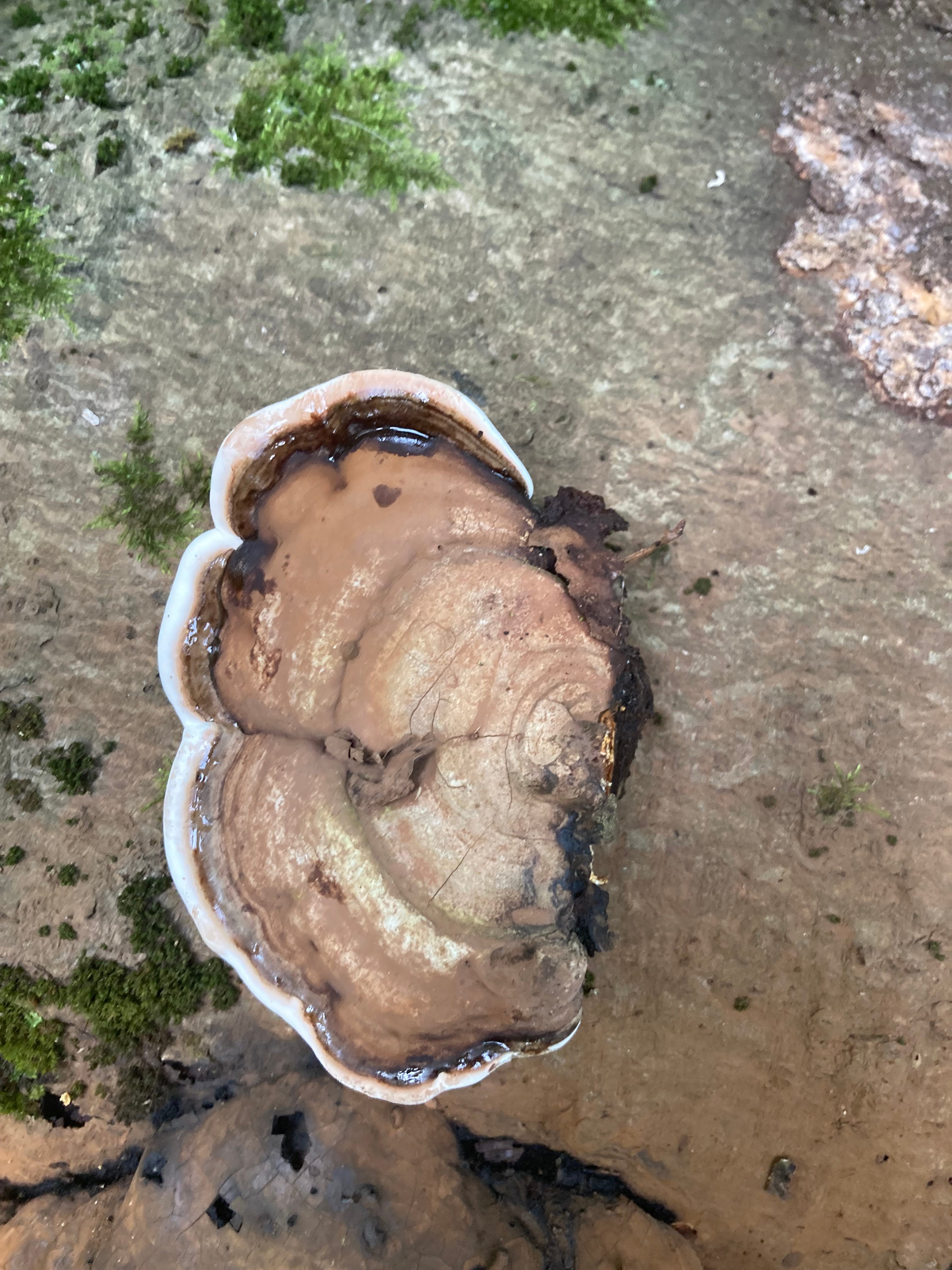
I also wanted to include a note about spore prints. Mushrooms release spores. That’s the whole point of a mushroom, just as how the whole point of an apple is to spread apple seeds. Spores each have their own characteristics, and spores of different species look different. Many people use spores to identify mushrooms. For example, honey mushrooms, a common edible species, and deadly galerina species look similar. But galerinas have a rusty brown spore print. Mycologists look at spores by taking spore prints, usually by leaving mushrooms on a piece of paper or tin foil under a glass for a day to let the spores release. I personally do not take spore prints to identify species I intend to eat. My foraging philosophy dictates that if I don’t feel confident enough to forage a mushroom without a spore print, I shouldn’t be eating it. To put it another way, if taking a spore print is necessary to successfully id a mushroom, then I won’t eat it. Where I live, the choicest edibles (Morels, Chanterelles, Chicken of the Wood, Hen of the Wood, etc) can all be foraged without spore prints, so I don’t feel like I’m missing out.
This leads to the other main tenant of my foraging philosophy. Always ask yourself, what could go wrong? What I mean by that is that I always consider what will happen if I get my identification wrong. For example, if I mess up my chanterelle ID, then I probably ate a jack o lantern mushroom by mistake. I know that I may have a few days of food poisoning ahead, but I’m not going to die. Again, going back to the example above, I won’t forage honey mushrooms, because some of their look alikes are fatal if eaten. Now, I trust my foraging skills, but why would I ever want to take the risk? This rule has kept me alive and should be used especially by novice mushroom foragers. Take time learning the easiest and safest edible species first!
Once you harvest you fungi, there are two things to keep in mind. First, never serve mushrooms raw. All mushrooms need to be well cooked to make them safe to eat. Some heat liable toxins are neutralized this way. It also helps to break down chitin and structures that the human body finds hard to digest. This rule is far more important than people realize. I read about a case where a poor women was served undercooked or raw morel sushi in Montana and sadly died. 51 people were also sickened by the chef, who either didn’t know or didn’t care about this cardinal rule.

The second thing to keep in mind is that everyone has differences in how they metabolize and digest mushrooms. People can be allergic to specific species of mushrooms. The first time you try a new mushroom species, just eat a little bit! Don’t overdo it and give yourself a few days to make sure your body doesn’t have any problems with that specific mushroom! If you bring a mushroom dish to a group gathering, inform everyone who eats it that there are wild mushrooms in it before they eat it, and be especially cautious with the very young and very old!
Hopefully I’ve given you the tools you need to start learning about mycology! It is such a rewarding hobby, filled with some of the coolest people I have ever met. Mushroom nerds are the best!! Just remember to be careful, take your time learning, and always use your judgment when foraging!
P.S. If you enjoy my writing, you can buy me a coffee at this link below. Yes, I am shamelessly begging for internet money. Don’t feel any pressure to give it to me. I’m just happy you made it this far.
No posts
Comments
Nothing yet. Say the first thing.
Sign in to join the conversation.