
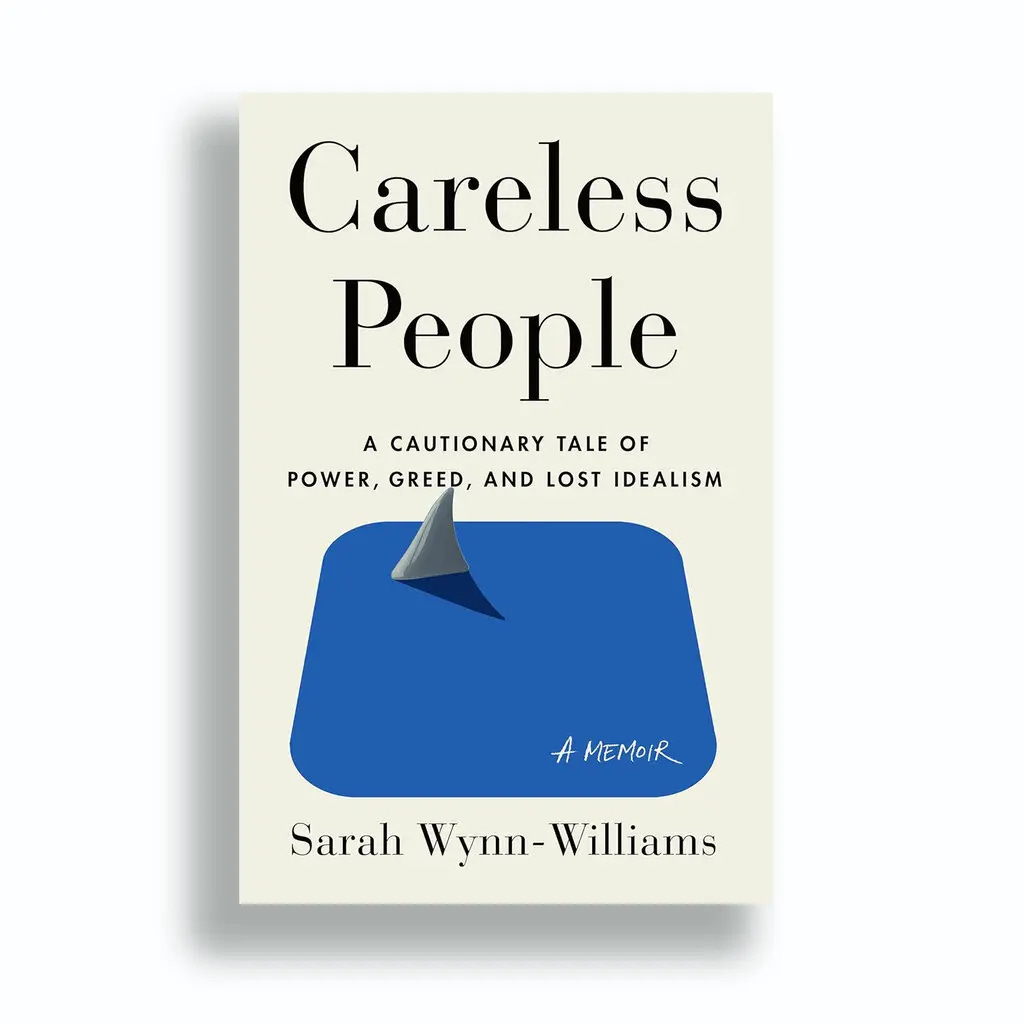
Careless People: A Tale of Power, Greed, and Lost Idealism by Sarah Wynn-Williams (2025).
This memoir is Sarah Wynn-Williams insider account of the Facebook corporation – apparently one that is accurate enough to warrant Meta (Facebook’s parent company) to file a motion to halt the publication of Careless People. While this book was published, the court ordered that Wynn-Williams could not actively promote it. By then, she didn’t need to. Everyone wanted to read it.
In this telling, Zucherburg comes off as a spoiled eight-year-old, and Wynn-Williams shares multiple scenes that make this clear. For example, when he plays one of his favorite games, “Settlers of Catan,” he always builds the longest road—without thinking about the ramifications of this choice. He doesn’t need to. His staff let him win. This is how he runs the company as well: no foresight, no consideration of moral or ethical issues, no larger vision. Just an expectation that in the end, he will be the victor.
His leadership creates the culture at Facebook, a workplace that focuses solely on expansion, veers from crisis to crisis without any long-term plan, and remains utterly indifferent to its impact on people (including contributing to the Rohingya genocide, violating business guidelines with China, assisting in Trump’s election in 2016, and targeting vulnerable teen girls with their product, among other things). Careless people indeed.
The author takes aim at Sheryl Sandberg as well, the CEO at the time of Wynn-Williams tenure (and author of Lean In, the ridiculous treaty that argues that women in business simply need the will to “lean in” to male-dominated businesses and claim their power—a relatively easy move to make for an ivy-league educated white woman who works as a corporate executive and earns enough money to hire a nanny to care for her children and a staff to clean her house). Sandberg comes off as even more privileged and obtuse in this memoir. She’s also a sexual predator of her younger female staff, behaving in ways that will make you squirm. In typical Orwellian form, it appears for Sandberg, some women are simply more equal than others.
The book does have a dry sense of humor, and Wynn-Williams can tell a good story. And the stories she tells, based on multiple reviews, are accurate; in fact, one of the complaints about the book is that if you are following Facebook in the news, many of these stories are old news. But it wasn’t old news to me, all collected in a single book from a person who witnessed these events unfold.
That said, you can’t help feeling a sense of irritation with the author. She tells you multiple times throughout the book that she finds Facebook’s culture toxic. Yet because she is convinced she needs this job and her presence at the company might make these situations better, she stays. This seems like an excuse to me. After all, Wynn-Williams is an attorney and a former diplomat, with experience at a Fortune 500 company. Surely, she could find another job. Early on, she tells the story of being badly bitten by a shark, but she keeps swimming in the ocean anyway. I remember thinking, she could just go swimming in a pool—that’s a lot safer.
But I suppose Wynn-Williams is a lot like me. I know Facebook is evil. In addition to all the serious issues outlined in this book, this corporation tracks and sells my private data, it uses algorithms designed to manipulate my consumption of products I don’t need, and it takes up way too much of my precious time. But like the author, I struggle to let it go—and I come up with excuses to stay on the platform.
I hate to say it, but maybe she and I aren’t so different after all.
Quotes
"They were careless people, Tom and Daisy—they smashed up things and creatures and then retreated back into their money or their vast carelessness, or whatever it was that kept them together, and let other people clean up the mess they had made." (epigraph from The Great Gatsby)
“In other words, this is a moment when governments are more interested in surveillance than people’s privacy. Which is good for Facebook’s business.”
“In April 2017, a confidential document is leaked that reveals Facebook is offering advertisers the opportunity to target thirteen-to-seventeen-year-olds across its platforms, including Instagram, during moments of psychological vulnerability when they feel “worthless,” “insecure,” “stressed,” “defeated,” “anxious,” “stupid,” “useless,” and “like a failure.” Or to target them when they’re worried about their bodies and thinking of losing weight.”
“But what I’m seeing is that the more comfortable he [Zuckerberg] gets, the less he cares. As his importance compounds, his regard diminishes.”
Sources
https://www.nytimes.com/2025/03/10/books/review/careless-people-sarah-wynn-williams.html
No posts
Comments
Nothing yet. Say the first thing.
Sign in to join the conversation.