
Field Notes is my monthly health post — studies that stuck, a book to read, a national park I hiked, and one thing I’m trying that science actually supports.
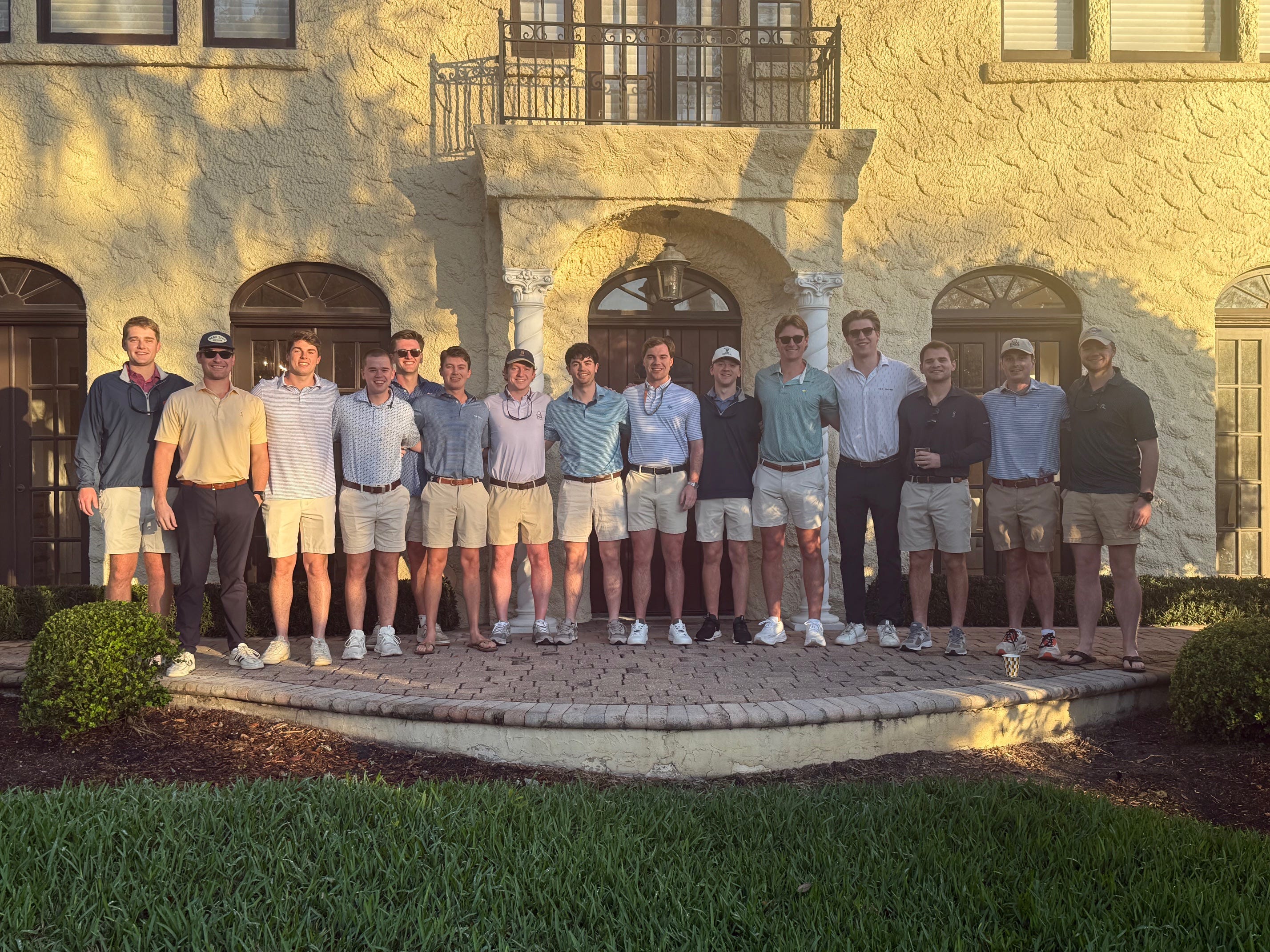
15 friends. One weekend. Year 5 of the tradition.
My son’s fraternity brothers took over our house again for TPC (The Players Championship). They’ve all graduated. Scattered across the country. But they showed up anyway — same as they do every year.
Friendships predict longevity as powerfully as diet or exercise. We can learn from them. Call someone. Make plans. Show up.
Which is why I’m reading Together by Vivek Murthy — former U.S. Surgeon General, and the person who put loneliness on the public health map. His case: loneliness kills. Same as smoking. Not metaphorically. Physiologically.
His prescription is practical. Fifteen minutes a day with people you care about. Full attention — no phone. Help someone. Smile to a stranger.
Watching 15 guys who actually do this gave the book a different weight.
This month’s Field Notes: why laughter is a health intervention. A game to help your brain. A 30-second stress reset you can do at your kitchen sink. And we made it to Denali.
Studies that actually stuck this month.
Laughter improves mood, stress, and sleep - Strong
A review found laughter interventions — a comedy video, a laughter class — lowers cortisol by 32%. Another review found laughter interventions reduced depression and anxiety — and improved sleep quality.
Why it matters: This isn't a feel-good idea. It's a replicated finding. Schedule something that makes you laugh. Free. No side effects. Works.
Mahjong slows cognitive decline - Emerging
A review of 53 studies found that playing Mahjong kept minds sharper and improved quality of life in older adults.
Why it matters: The game probably isn’t special. What it requires is focus, strategy, and showing up with other people.
A VR headset made stationary biking more effective - Preliminary
A small trial had adults ride a stationary bike wearing a VR headset showing outdoor nature scenes. Compared to a control group on regular bikes, the VR group saw better results on stress, physical activity, muscle mass, and body fat.
The theory: bringing nature indoors may reduce the monotony that makes people quit. Less boredom, more effort, better outcomes.
Why it matters: Most people don’t exercise outside enough. This suggests the next best thing might actually work — and it’s already available.
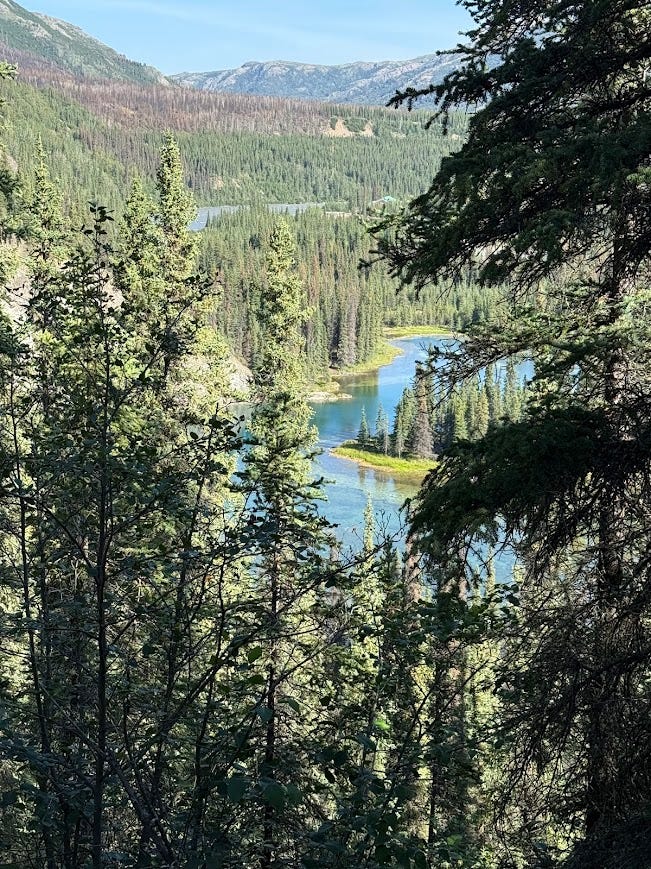
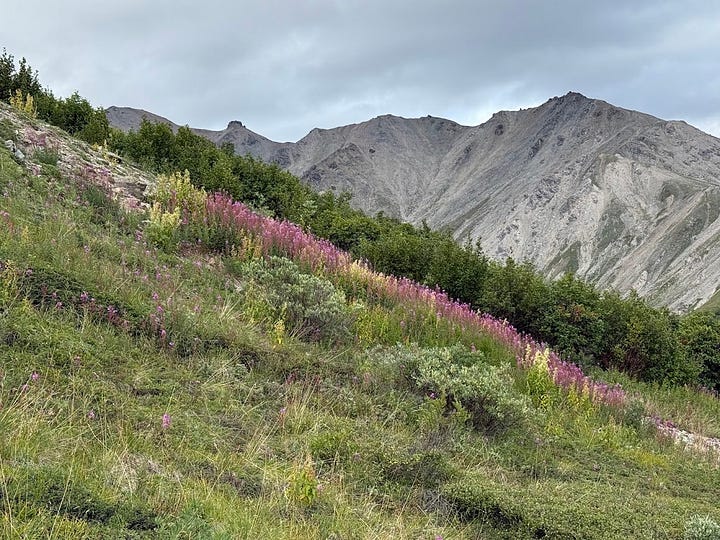
Denali National Park - Alaska
This park has a signature mountain. The challenge: most days, you can’t see it.
Mount Denali is 20,310 feet (6,190 meters) — the highest peak in North America. Cloud cover hides the summit roughly 70% of the time. Catching it clear is the whole game. Often visible from 200 miles away.
There is one road into the park’s interior — 92 miles, mostly unpaved. Private cars aren’t allowed past mile 15. You take a bus, or you don’t go.
It's also the only national park in the U.S. with its own sled dog team.
The park has one amphibian species: the wood frog. It survives winter by freezing solid. Heart stops. Lungs stop. Thaws in spring and carries on.
About 499,000 people visited in 2023 — Alaska’s most visited wilderness park, around 40th nationally. The window is mid-May to mid-September. Come in winter and it's -40°F.


One thing I’m trying that’s supported by science.
Every morning I play Wordle. Then I text my score to my brother in Northern Ontario.
It started as a way to stay connected. Now it’s deliberate. Our parents both developed dementia. We’d like to avoid that.
No one has studied Wordle specifically. But the science on what it requires is solid — daily mental effort, novelty, a reason to show up. Research shows cognitively challenging games protect the brain. The social piece adds to it.
Two minutes. Every morning. Same time. Same person.
Small habits compound.
14.5 million — people who play Wordle daily (2024). That’s a lot of people doing something cognitively challenging every day.
Kindness lives.
Last month at an NHL playoff game in Buffalo — which sits on the Canadian border — the mic died mid-Canadian anthem.
Instantly, 19,000 American fans picked it up and carried it home.
They sang for their neighbors. Because that’s what neighbors do.
Here’s the video.
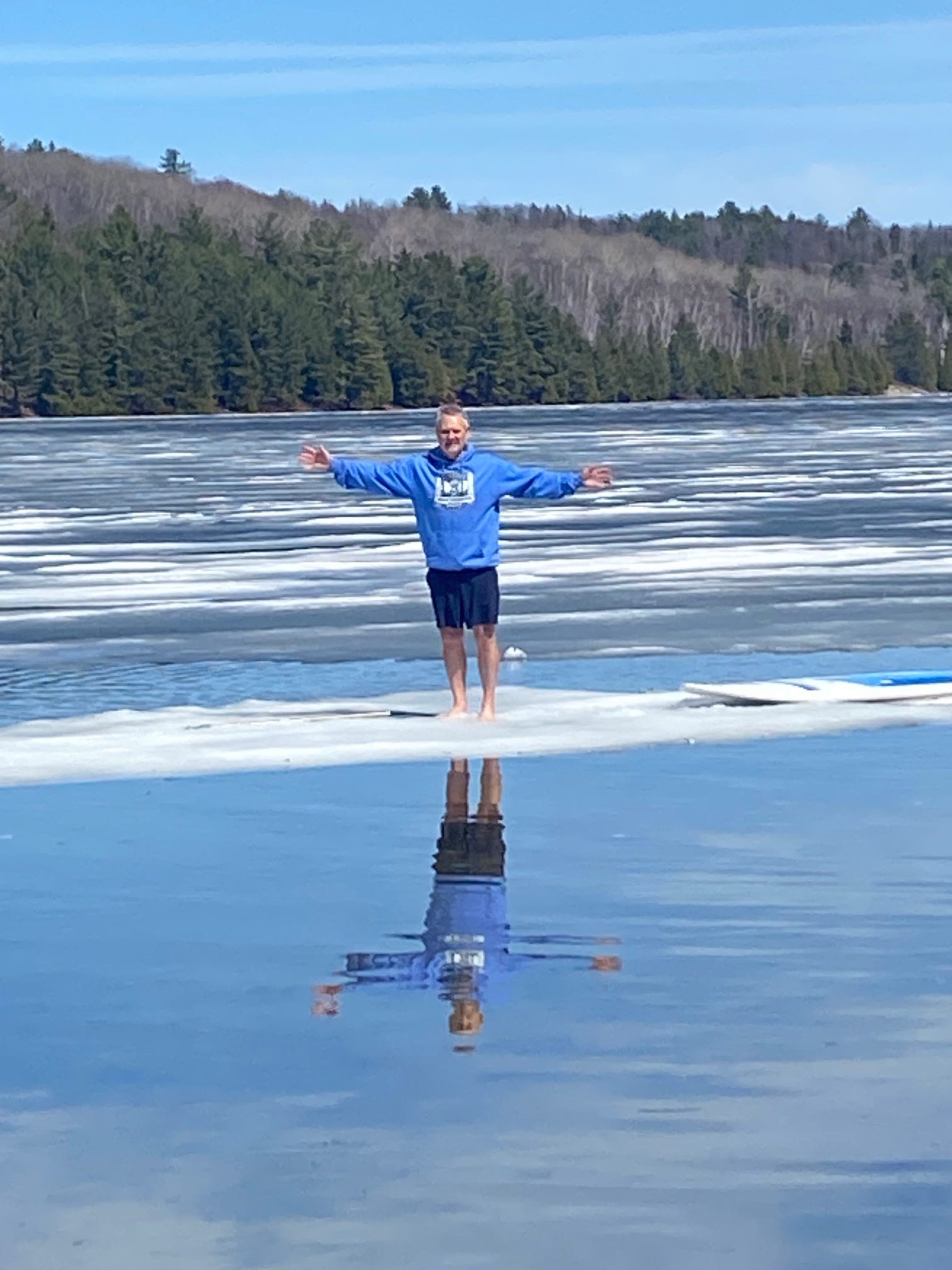
My brother. Northern Ontario. Spring arrives when the ice says so.
Share with you friends who want more health facts, not fluff.
Facts, no fluff - Heather
Comments
Nothing yet. Say the first thing.
Sign in to join the conversation.