
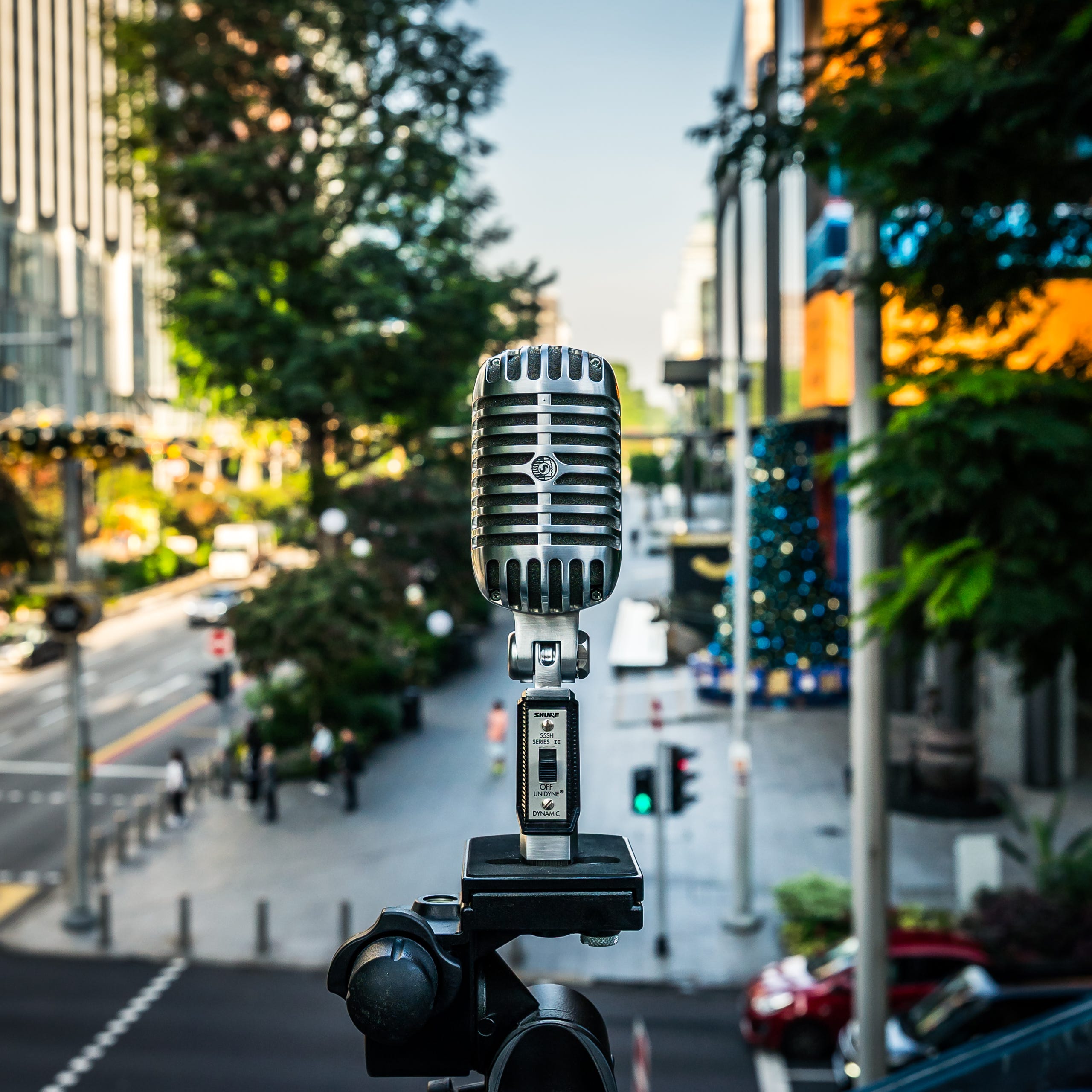
My background is sound - I’ve been fascinated with sound and music since I was young. Early in my career, I was fully focussed on anything related to sound. What started with music and bass (from rock to jazz fusion) transitioned to sound design (2 movies with late HK director, Ringo Lam) and eventually sound editing / mixing for MTV and other broadcasters.
The big change took place in around 2003 when the Apple Mac G5 let the 3 corners of TV post-production (video, audio, graphics) go independent. You could set out your own shingle & deliver broadcast-level work for a smaller investment.
I got together with a video editor and a graphics designer to start a boutique post house - 3 companies under one roof - and spent time with videographers & sound recordists who worked on sets & on location. In your career, you will pivot and adjust to the market demand, and I feel my time deep diving into photography has paid off in various ways.
I started field recording to build my own custom sound FX library (DM me if you need any authentic Hong Kong restaurant sounds!) while also finding my niche in photography - images of my Shure 55SH in various places used on my company’s various websites, and lately, on my social media.
Here are five reasons why sound recording feels a lot like photography:
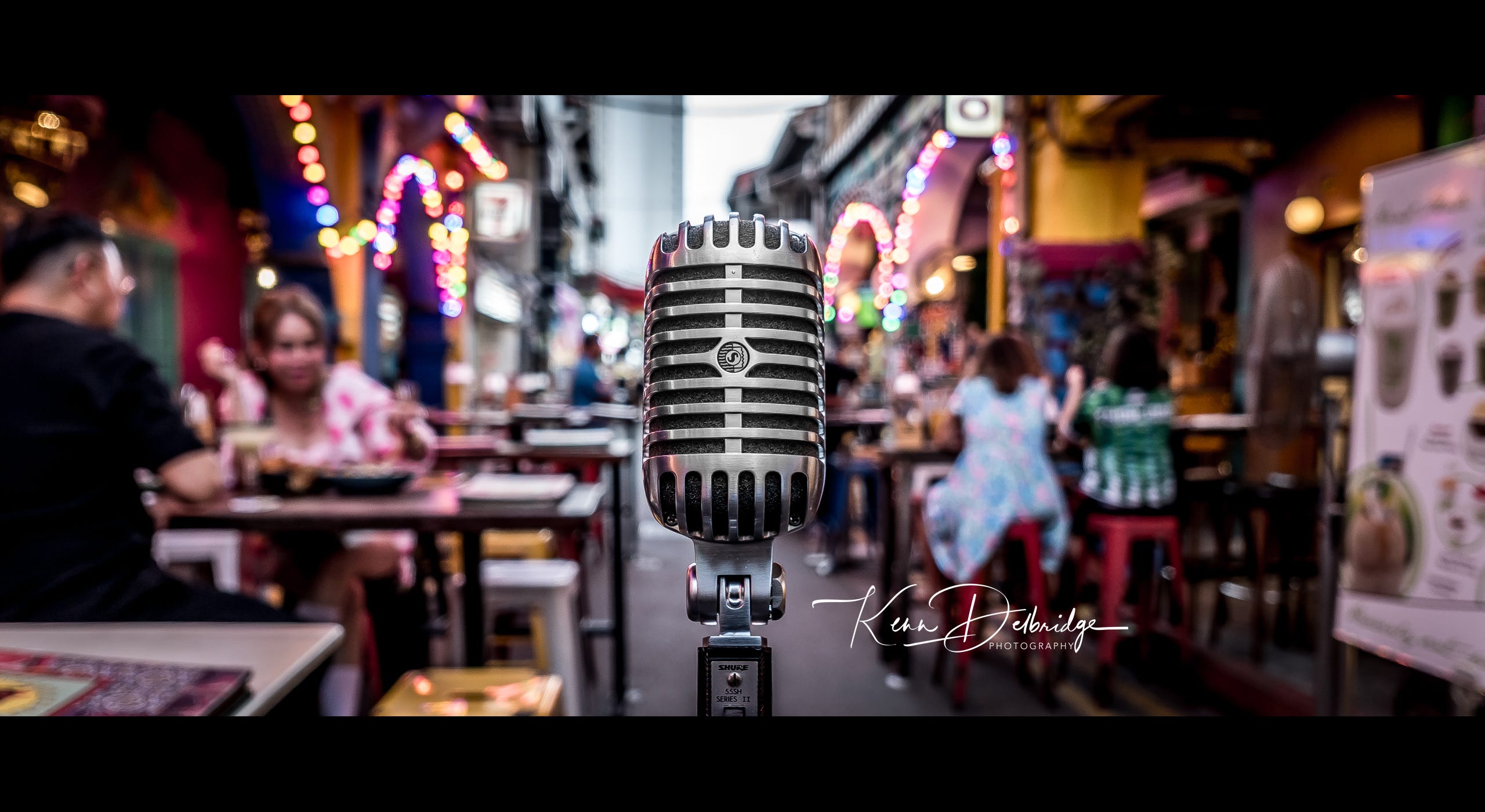
A photographer frames light; a field recordist frames sound. In both cases, the artistry comes from choosing what to capture, why, and from where — but none of that works without understanding the gear.
Just as photographers must know shutter speed, ISO, and lenses, field recordists juggle gain staging, mic patterns, wind protection, and noise floors. The more fluent you are with the tools, the more invisible the technical side becomes, letting creativity take over.
Getting to be so familiar with operating a sound recorder or camera that it’s second nature takes a lot of practice, and I felt at home with the same demand for attention to detail once in the field or on the street.
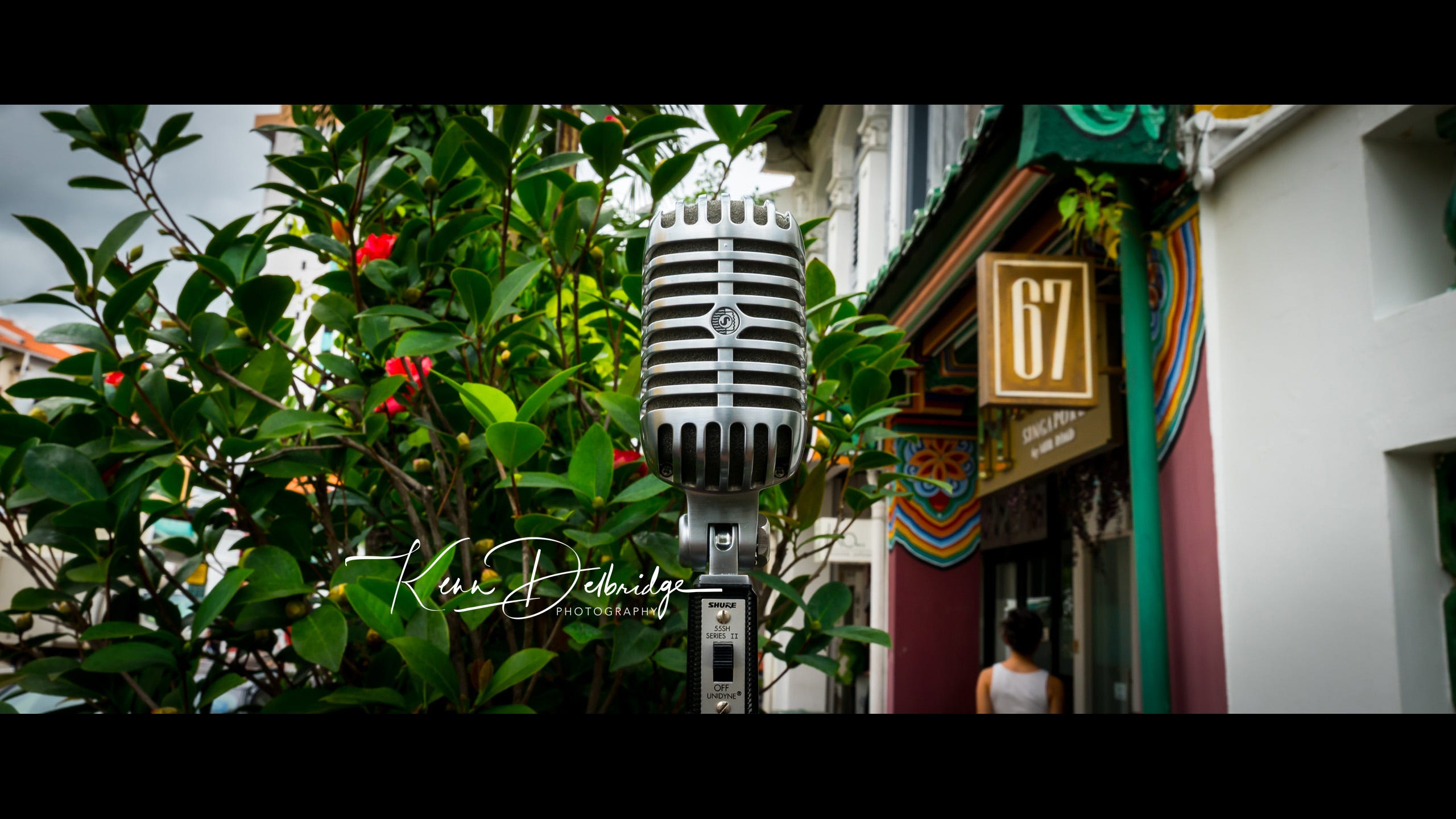
Successful shoots and recording sessions both start with planning:
scouting locations
checking weather and noise conditions - light for photos, traffic and unwanted noises for recording
understanding peak activity times - if you want a bustling road pic, you can’t come at 5am, you need to be there when the crowd is present. Same thing for recording that crowd as it moves across the stereo field
bringing the right equipment and backups - you can’t capture something with substandard gear: top lenses and premium microphones are worth what you pay cos they capture the details with incredible clarity.
Photographers check light direction; recordists check traffic hum, construction cycles, and tides. Being prepared means you arrive with intent rather than hoping for luck.
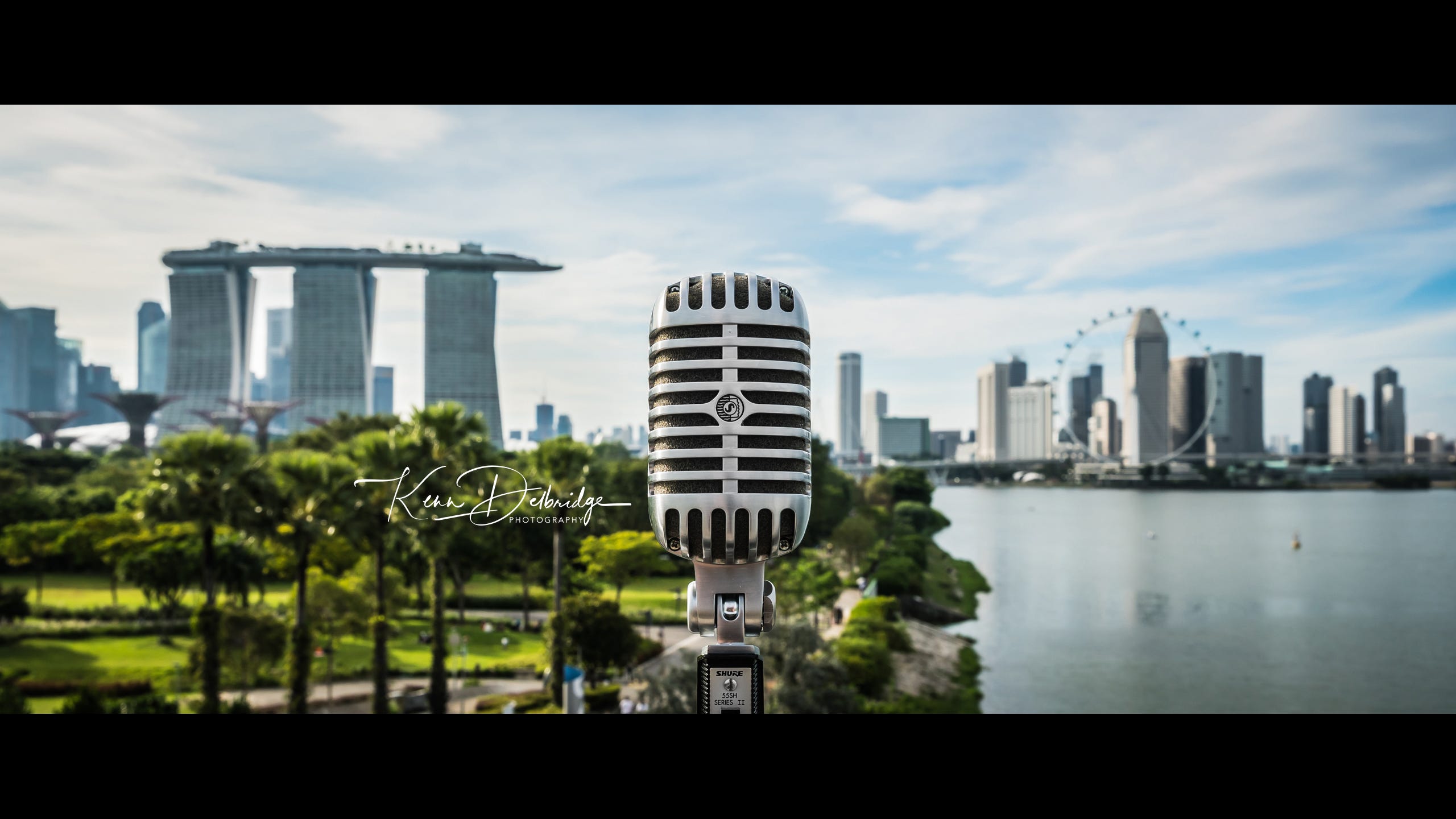
Both crafts involve long stretches of waiting for the perfect moment —
• the exact wave crash against a pier
• the quiet gap between buses
• the sudden birdsong when the cars and planes are far enough that they don’t contaminate the melody
• the pedestrian walking across a road and being at exactly the right point
Good field recording and good photography reward those who stand still, listen/look deeply, and let the moment unfold instead of forcing it.
Leica fans know this as “the decisive moment”, the exact point in time to release the shutter. Henri Cartier-Bresson was a legendary shooter who managed to do this with a manual film camera.
The same technique applies to sound, to have that patience to stay a little longer to see if that sound you want to record comes again when the others noises are softer, and to have the recorder rolling to capture that moment.
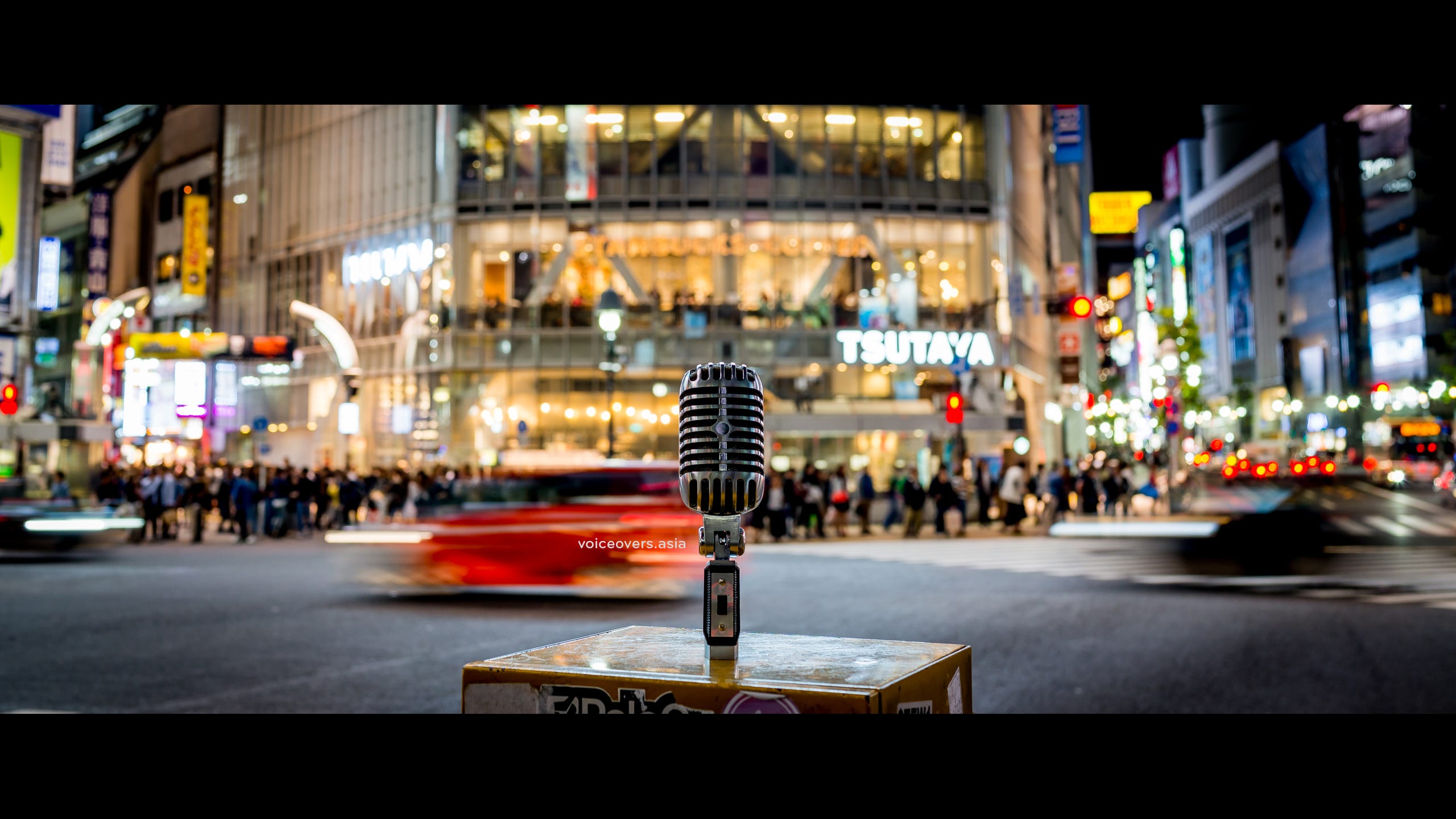
On location, things don’t go as planned.
A cloud rolls in. A bus triggers an unexpected low-frequency rumble. A crowd shifts, a hawker stall fires up, wind picks up, or a street performer starts playing a surprise set.
Photographers adjust exposure or reposition; field recordists change mic placement, switch polar patterns, alter wind protection, or change the subject entirely.
Creativity lives in the ability to pivot fast while still protecting the integrity of the capture. Being too rigid in keeping to what you’ve planned can cause you to miss a moment when magic happens.
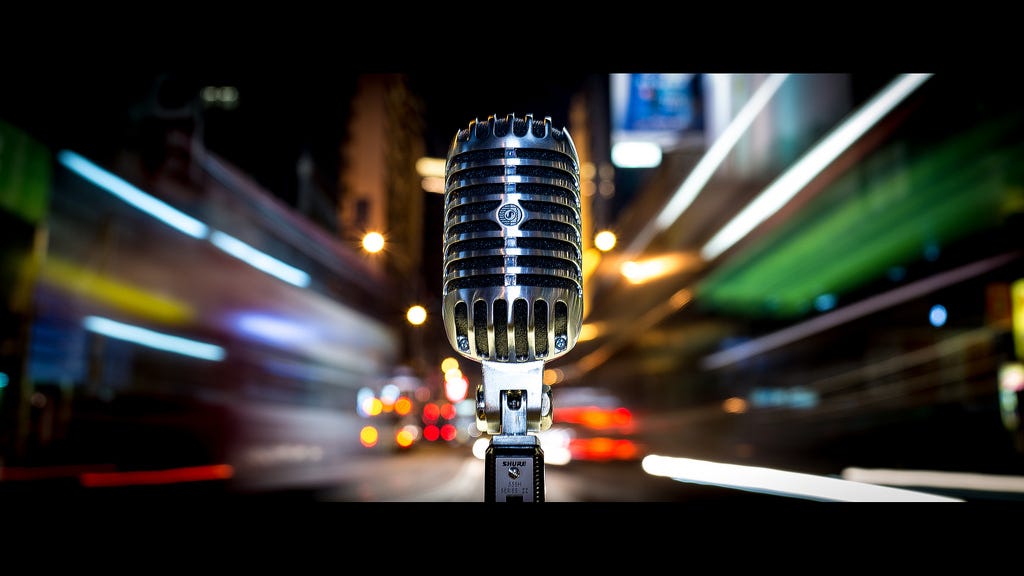
Photographers road-test images on the spot. Field recordists monitor with headphones, check test samples, and review levels before committing.
Afterwards, both need to:
listen/look critically
spot flaws
understand environmental variables
adjust technique for next time
This loop of capture → review → refine is identical across both crafts and is the difference between amateurs and professionals.
If you are visiting Singapore, let me guide you on a GPS-assisted guided audio walking tour of Chinatown to take in the street stories of the murals that adorn the walls of multiple buildings. Featuring 3 of the best artists in Singapore, I’ll take you to 5 murals, this temple, Sri Mariamman Temple, the largest Buddhist temple and bring you to eat at a place that lives and breaths Singapore’s Hawker Culture at Maxwell Food Market.
No posts
Comments
Nothing yet. Say the first thing.
Sign in to join the conversation.