
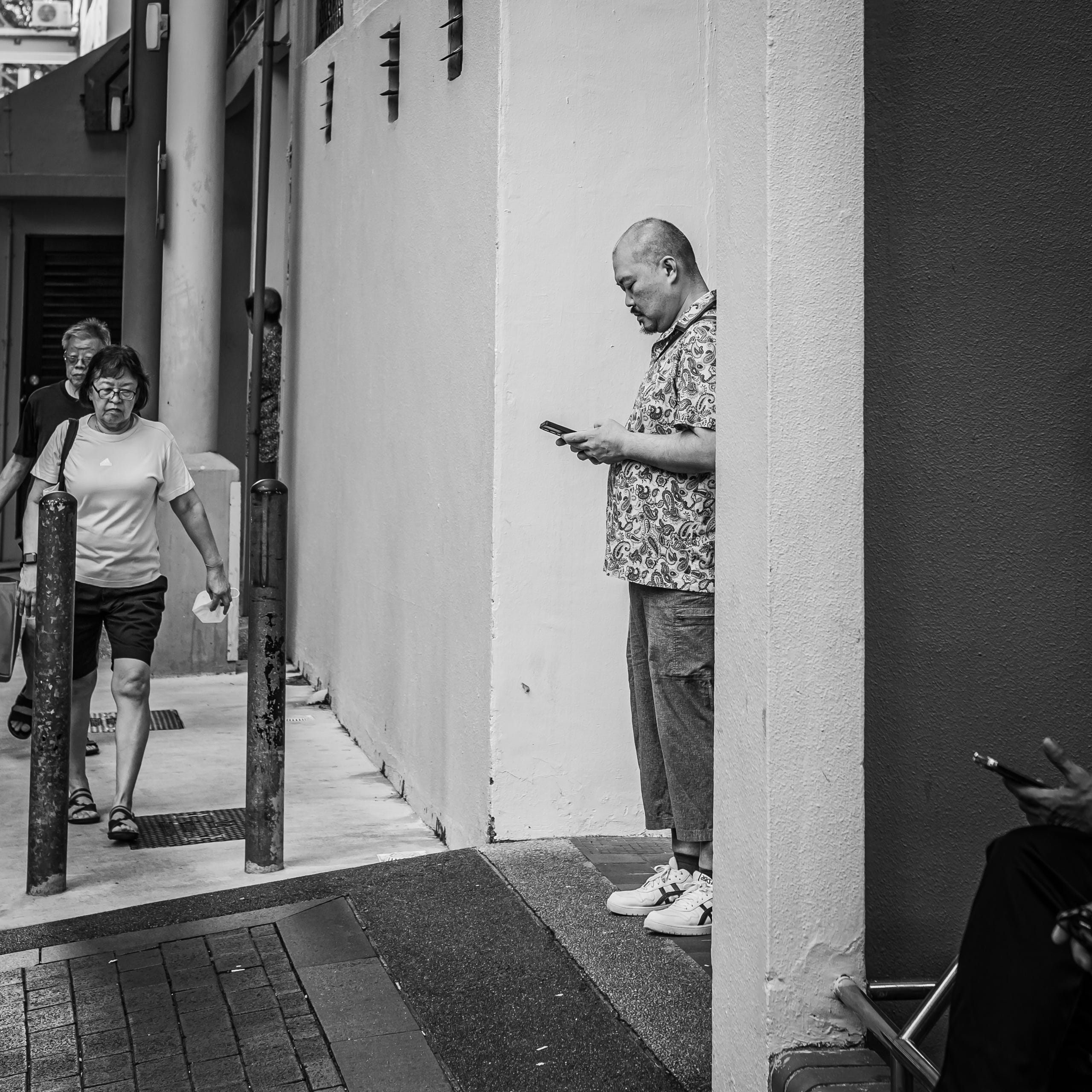
You’ve seen it. You’ve probably done it. A table of four at a restaurant, each face looking down, lit by the pale glow of a smartphone. Nobody speaking. Nobody even pretending to speak. It’s phones-out to fill every quiet moment. Welcome to the age of “social” media — an era of maximum connection, minimum contact.
The irony would be funny if it wasn’t so devastating: the tools we designed to make us more social have made us profoundly less so. This isn’t a boomer gripe about the younger generation - everyone, of all ages, is doing it. It’s a structural problem baked into the design of platforms to profit from your attention. Doomscrolling is reshaping how we behave in public.
Here are five reasons why.
There was a time — not long ago — when boredom in public meant noticing things. A woman with the funky hat. The argument brewing two tables over. The small, unremarkable miracles of other people going about their lives. That boredom was social raw material. It made us look up.
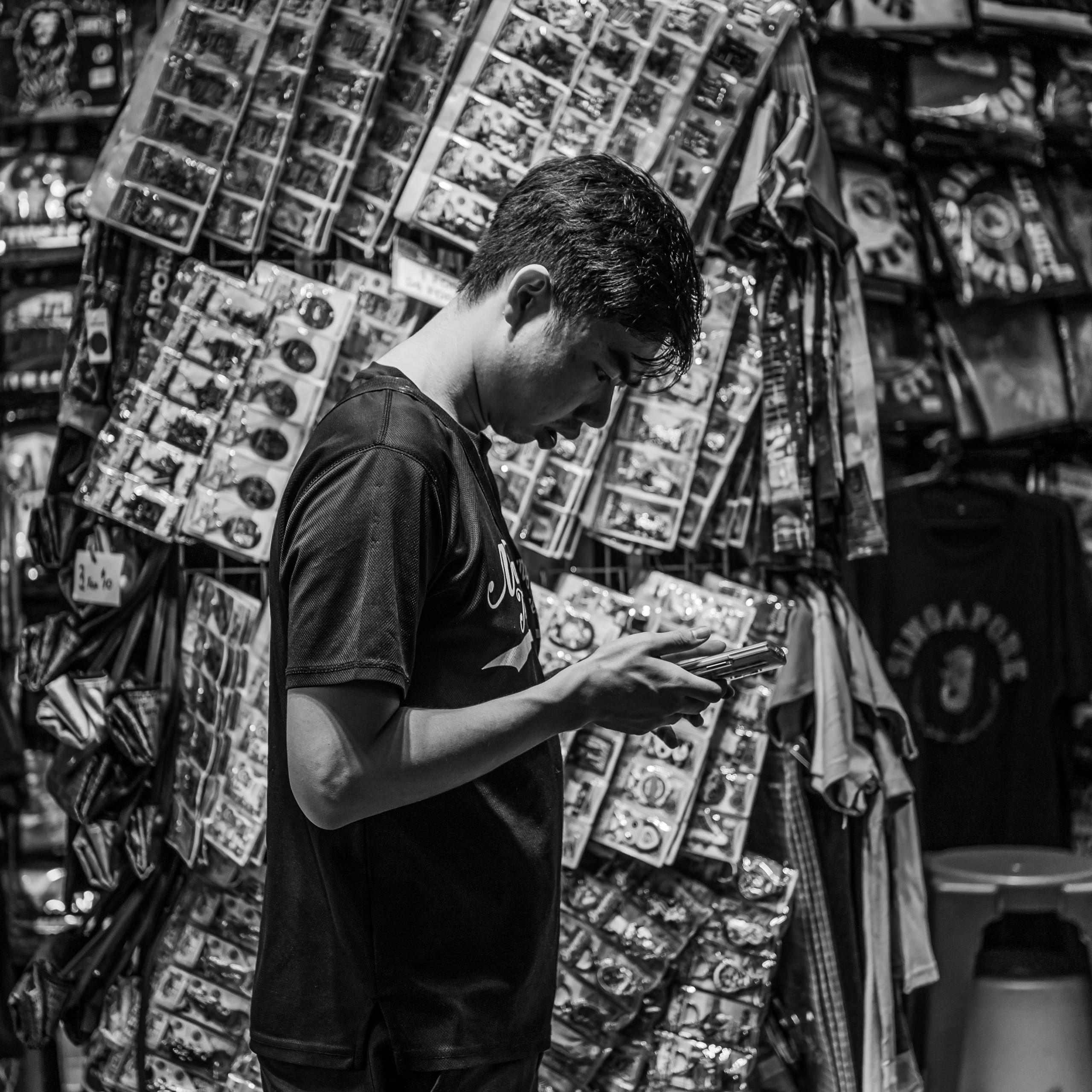
Smartphones, and social media in particular, have now moved into that space completely. Waiting for coffee, riding the train, even walking on a pavement: every pocket of idle time is now immediately filled with mind-numbing content. The phone has nuked the conditions under which spontaneous human connection used to open new doors of experience.
Doomscrolling — that compulsive, joyless consumption of an endless feed of bad news and hot takes — is particularly insidious because it doesn’t even feel good. Studies consistently show that heavy social media use, especially passive consumption, correlates with lower mood. Yet we do it anyway, because the alternative of making contact with another person, now feels somehow harder.
Real sociability is low-stakes. You say something slightly awkward. The other person laughs. You move on. No one is keeping receipts.
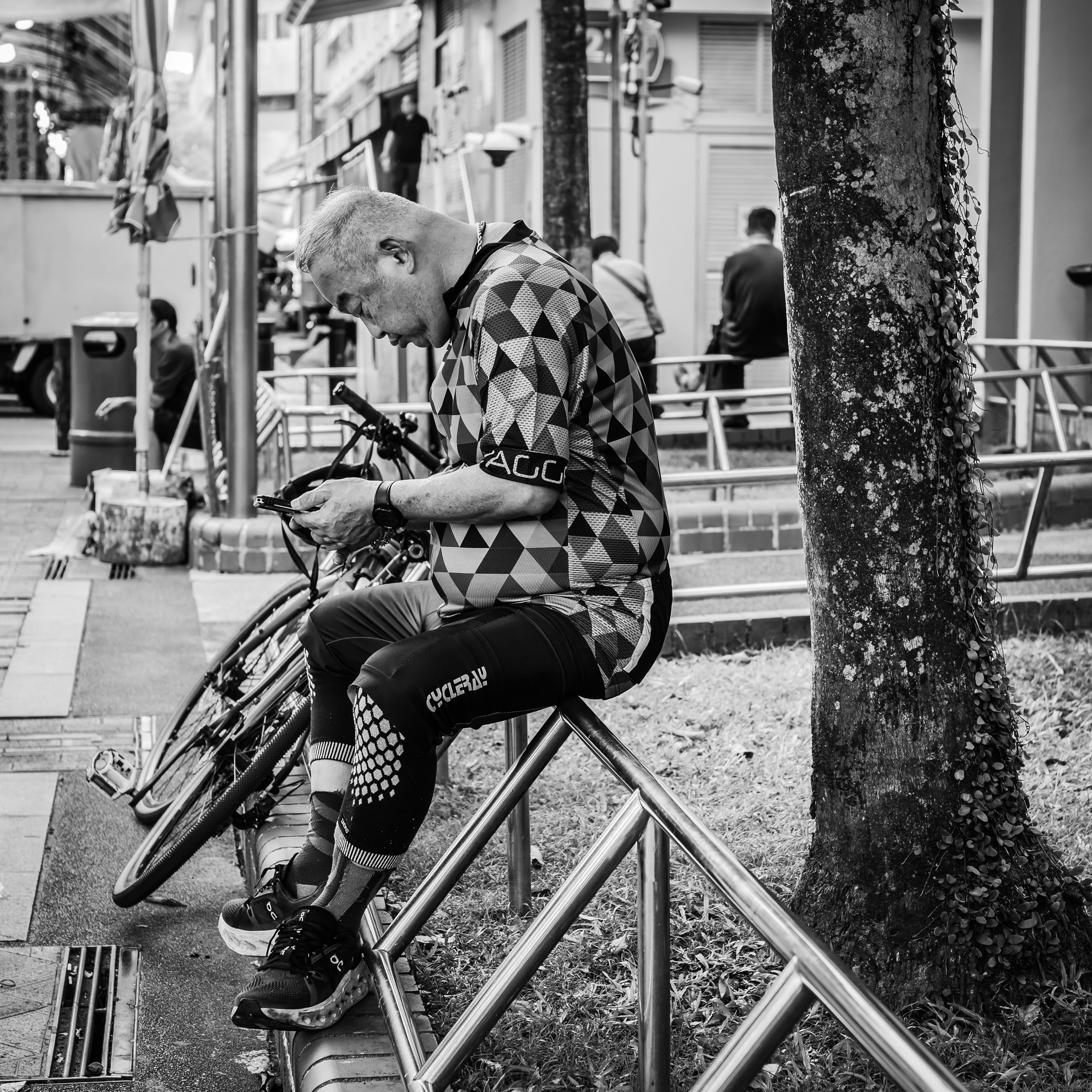
Social media is the polar opposite. Every interaction is public, archived, and subjected to faceless approval. The likes counter has restructured how we relate: communication is now content, something to be optimized, judged, even monetized.
This bleeds into face-to-face interaction in ways we’re only beginning to understand. People increasingly report feeling the need to perform in real-life conversations, a compulsion to say things that are “postable,” to mentally caption their experiences as they’re having them. That means always being half-elsewhere, never fully present.
The result is a generation that is, paradoxically, socially exhausted. Performing sociability online all day, they arrive in physical spaces with less appetite for the real thing. Life is messier, less curated, and far harder to edit.
Public space has always required a basic tolerance of difference — the ability to sit next to someone you disagree with, to nod at a neighbour whose politics you don’t share, to coexist. That tolerance was never perfect, but it was social infrastructure that made cities work.
Social media, optimized for engagement, has systematically dismantled it. Outrage travels faster than agreement. Algorithms have learned that conflict keeps you scrolling, so they surface it constantly, amplifying the most extreme voices on every side.
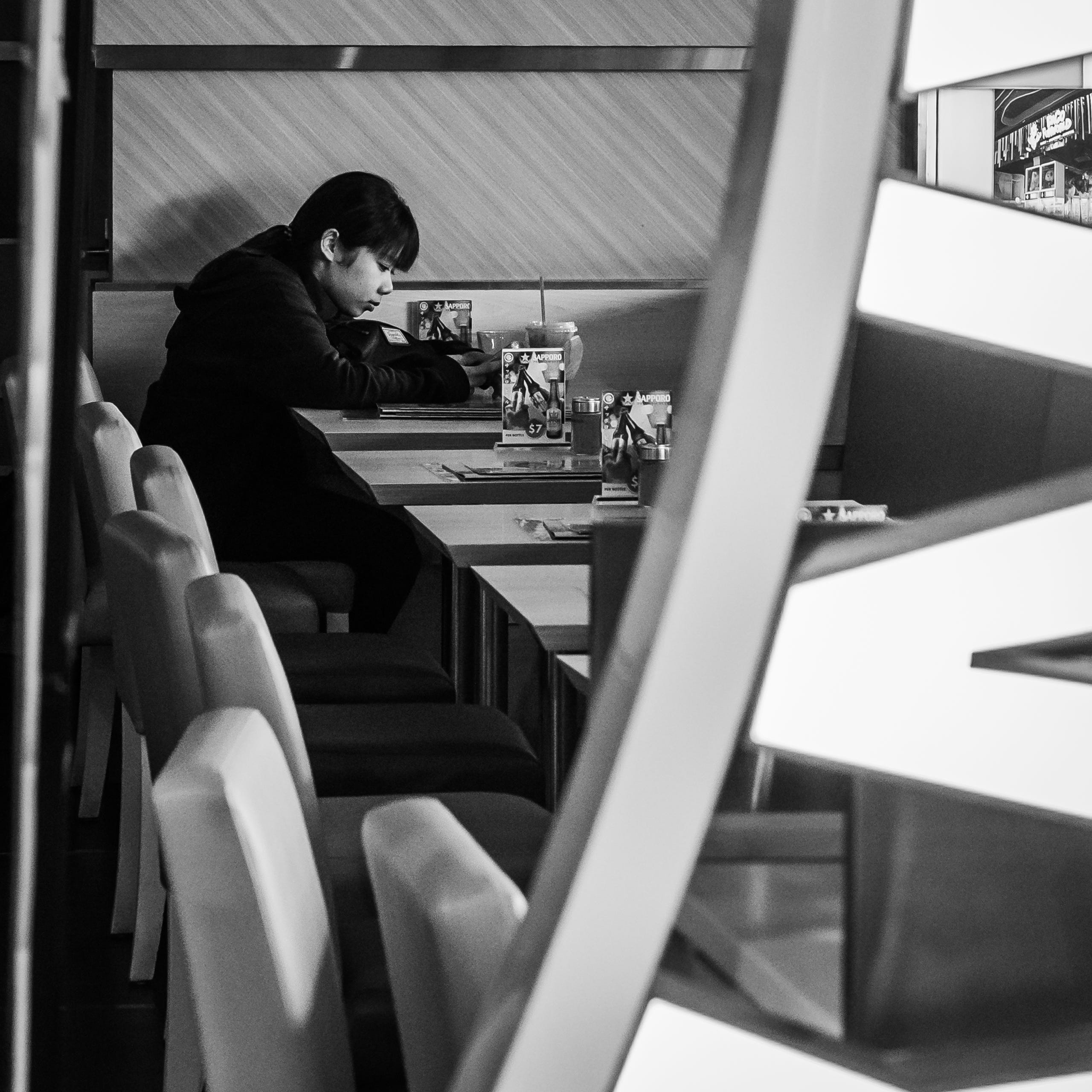
The downstream effect on public behaviour is real. People who spend hours each day consuming social media increasingly perceive real-world strangers through that lens. The default posture of public life, once mild curiosity, has curdled into low-grade suspicion. Better to look at your phone and avoid uncomfortable confrontation.
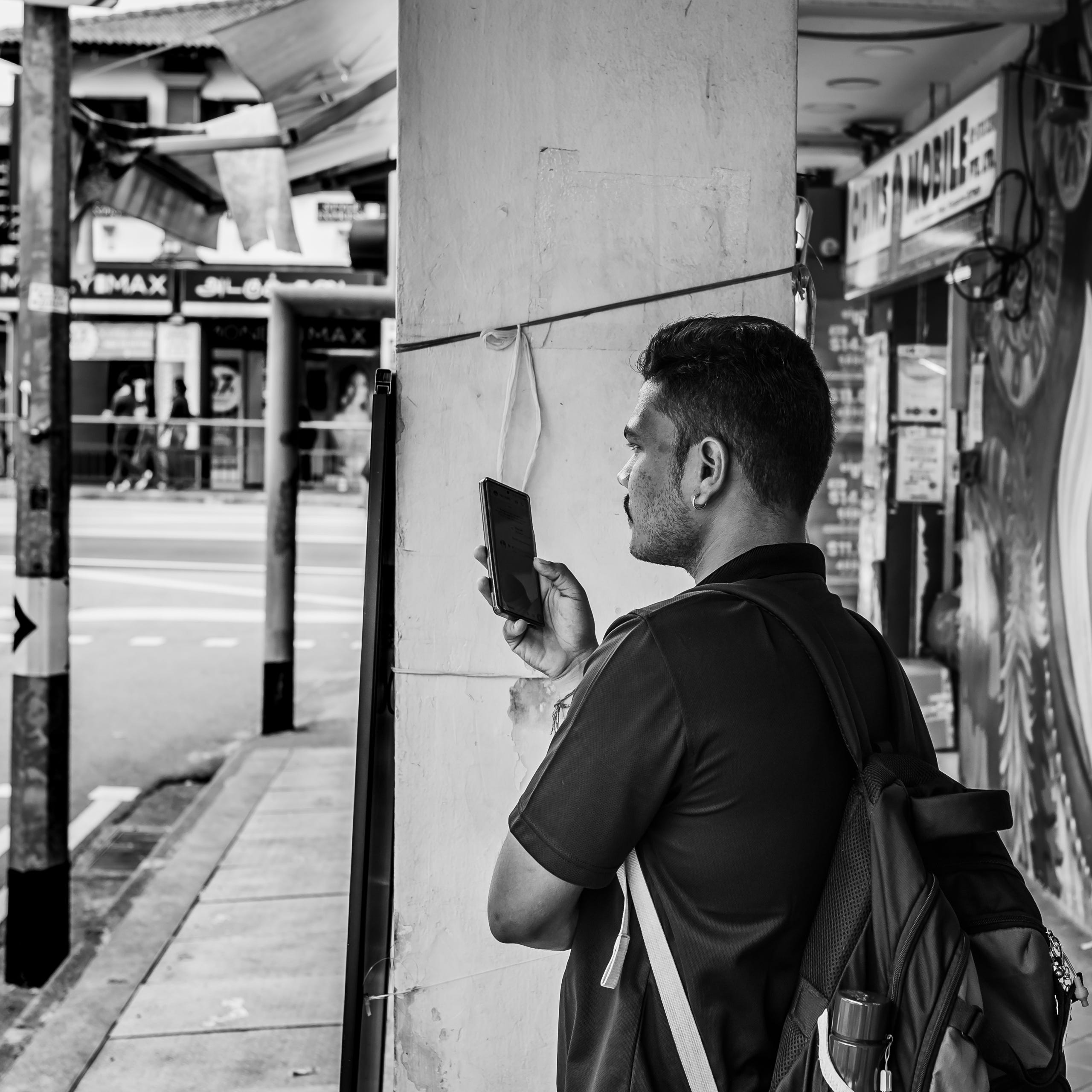
Sociologists have long understood that what makes communities resilient isn’t just close friendships — it’s weak ties. The barista who remembers your order. The neighbour you wave to. The regular at the cafe whose name you half-know. These low-intensity connections are the connective tissue of social life. They make us feel embedded.
Social media has offered us a seductive replacement: parasocial relationships. You follow a influencer daily. You know the contours of their life, their opinions, their inside jokes, their cat’s name. It feels like connection. But it’s entirely one-sided.
As parasocial bonds have proliferated, the effort required to maintain actual weak ties has started to feel disproportionate. Why chat with the neighbour when you have a whole community online, one that the algo has chosen for you that parrots your own beliefs and preferences? The weak ties wither. The neighbourhood grows quieter. And the content creator, of course, doesn’t know you exist.
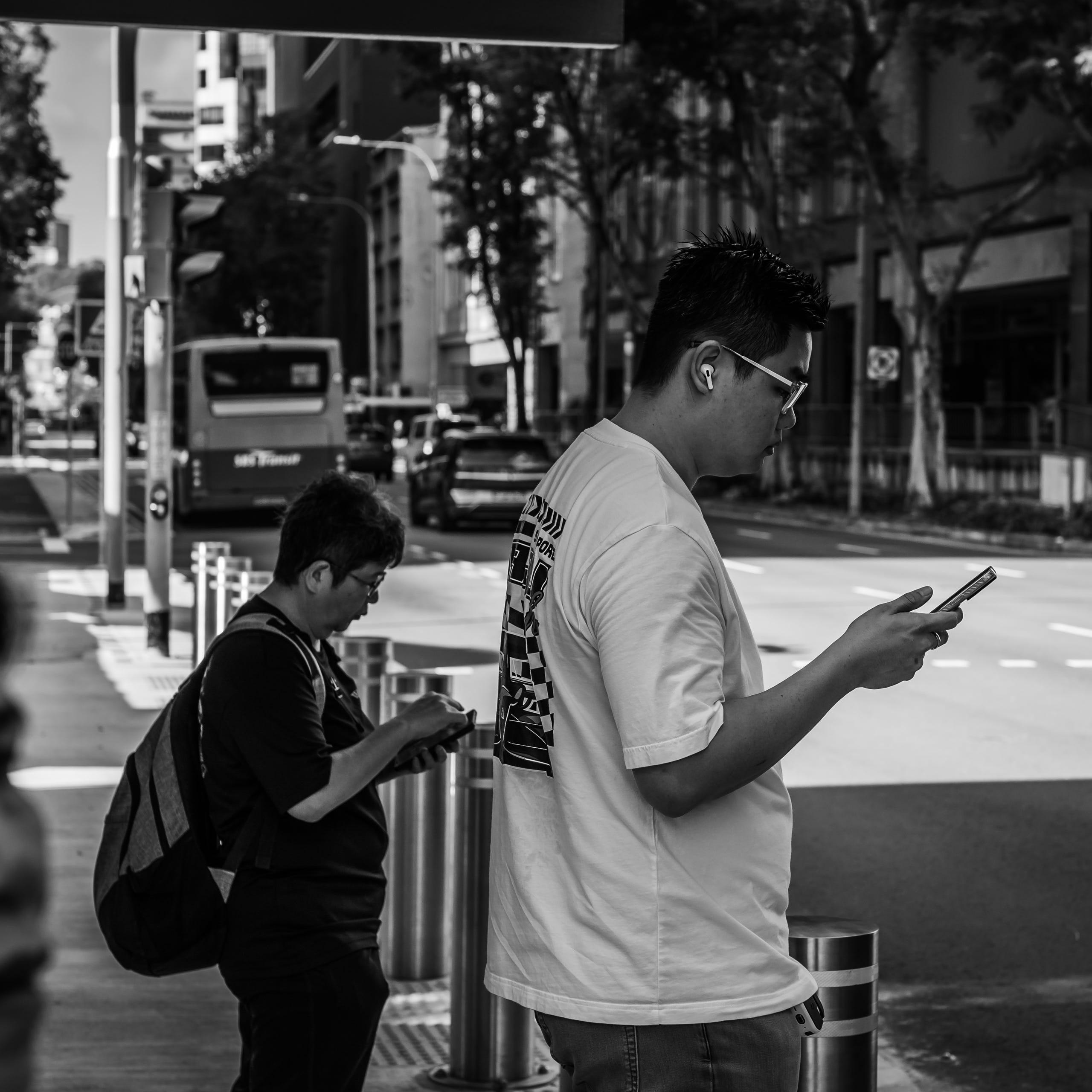
There is a specific moment that matters enormously for human connection: the awkward pause. The elevator silence. The few minutes before a party gets going. The wait for your friend who’s running late.
These moments of mild social discomfort used to be resolved by the people around you. A joke. A commiseration about the weather (in Singapore, always hot and rainy). An observation about the room. They were the on-ramps to connection.
We have opted out of them entirely. The phone is now drawn at the first sign of social uncertainty. It signals clearly to everyone around: I am not available - leave me alone. And because everyone else is doing the same, nobody is available. Our collective social contract has been autonomously renegotiated and the terms are: we will be together in this space, but we will be alone.
The tragedy is that most people, when asked, say they want more connection. Yet, they just can’t stop scrolling long enough to get it.
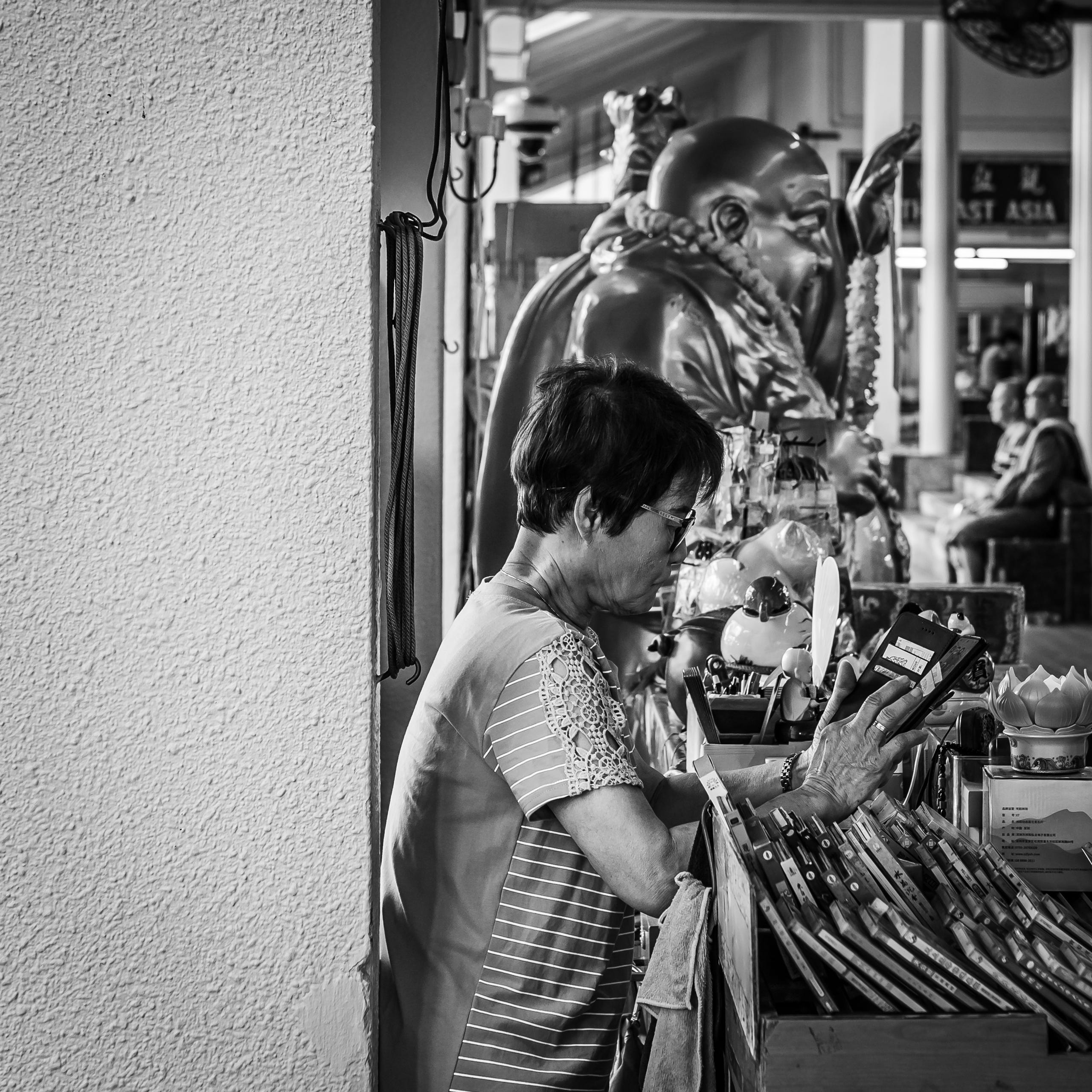
None of this means social media is purely malevolent. The platforms have given us real things: kept families in touch across continents, built communities for people who have none, amplified voices that would otherwise go unheard.
But the net effect on how we occupy shared public space has not been good. In Singapore, where all these pictures were taken in the space of an hour near Bugis & Little India, it’s evident that we are more connected, less sociable.
The first step, as with most things, is noticing it. Looking up. Sitting with the discomfort of the moment without reaching for your phone. Making eye contact with the person across from you on the subway.
It’s going to feel strange. That’s how you know it’s working.
If this piece resonated, share it with someone you’d usually just tag in a meme. Then maybe call them.
If you are visiting Singapore, let me guide you on a GPS-assisted guided audio walking tour of Kampong Glam to take in the street stories of Singapore’s hippest neighbourhood. I’ll take you from Sultan Mosque and past amazing street art to end up at Haji Lane, declared “the most instagrammable street in the world” in 2009 by the New York Times.
No posts
Comments
Nothing yet. Say the first thing.
Sign in to join the conversation.