
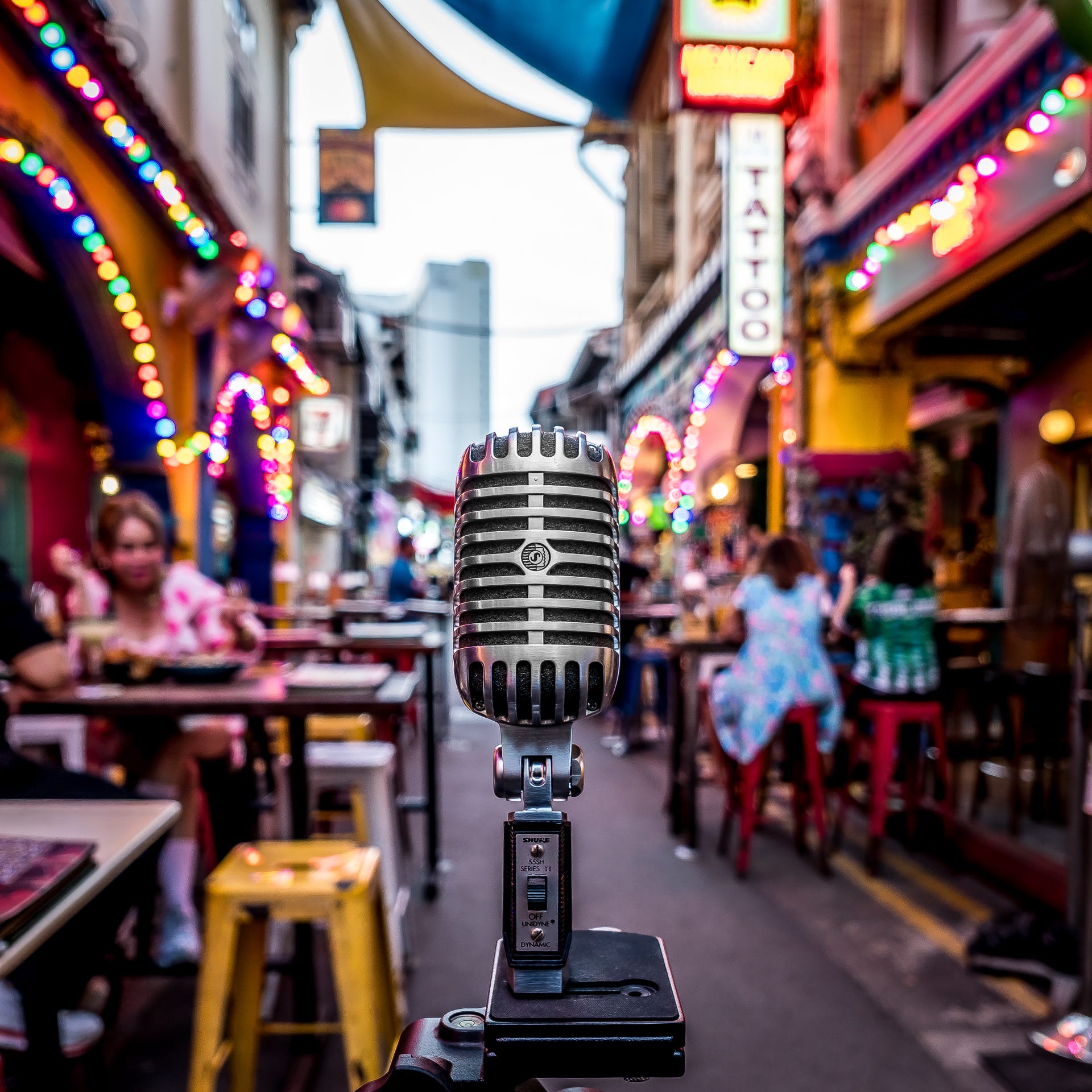
Kampong Glam is a neighbourhood you can walk end to end in twenty minutes. I thought that would make it one of the simpler GPS-assisted audio walking tours to build, but it wasn't. Nooooo… not by a long way. So much so that it’s been over 6 weeks since I last posted here!
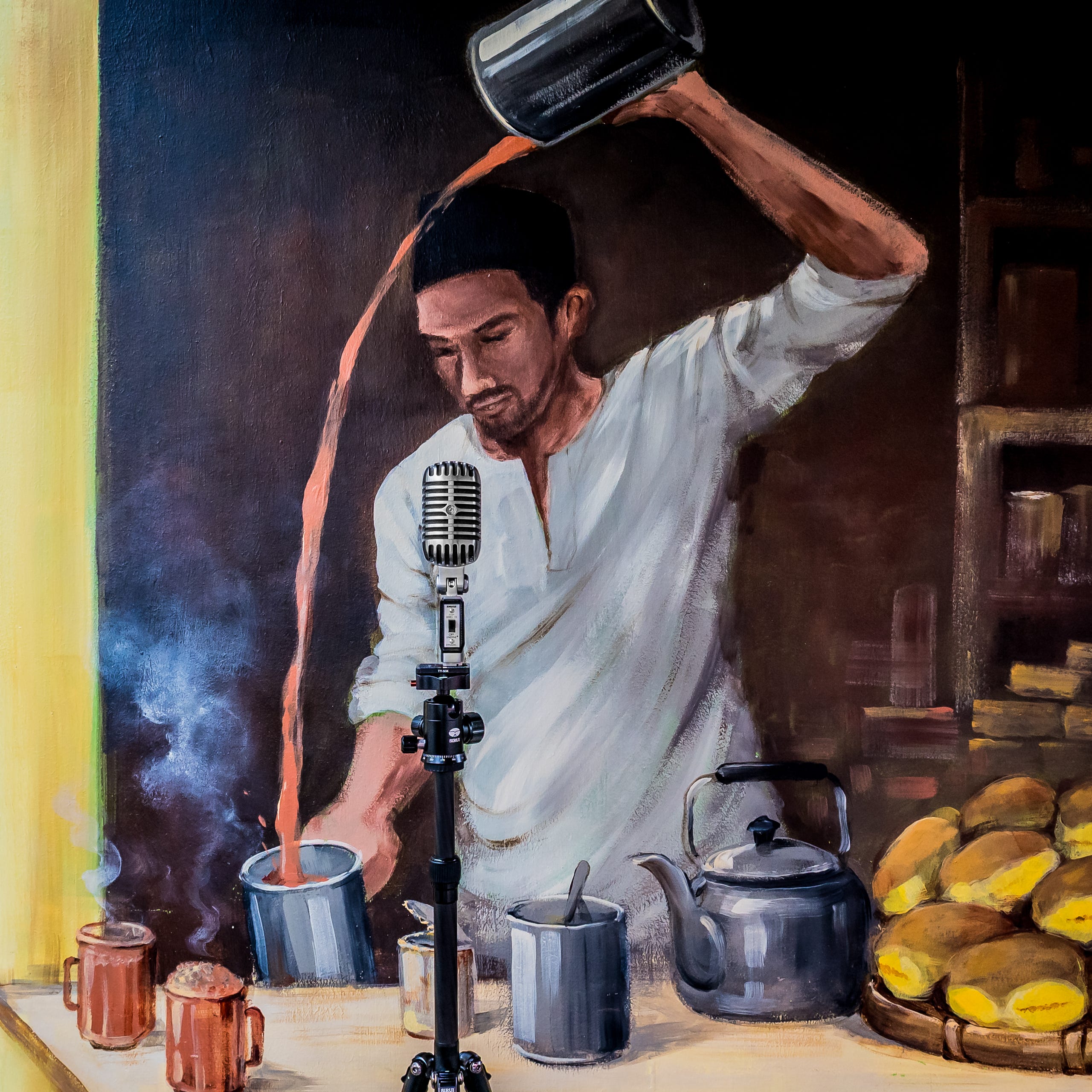
The more people I spoke to — street artists who had quietly based themselves in Aliwal Arts Centre, tattoo artists running studios out of restored shophouses, a younger generation entrepreneur reinventing teh tarik for a new crowd — the more the neighbourhood kept opening up. Everyone had a version of this place that didn't appear on any map. New layers kept surfacing beneath the ones I thought I already understood, and what I assumed would be a straightforward project stretched across months as I tried to do justice to a few small streets that turned out to contain an extraordinary amount of world.
These are my five main takeaways
Sultan Mosque is impossible to miss and impossible to forget. Its golden onion domes rise above the rooftops of Bussorah Street, visible from nearly every corner of the quarter. Built in the early 19th century, it’s the spiritual and physical heart of this community for over two hundred years. What makes it remarkable is not just the architecture, but the way it holds its ground in the middle of a neighbourhood that features eclectic contrasts. Five times a day, the call to prayer rolls out across the surrounding streets (the only mosque allowed to still use loudspeakers outside the mosque), momentarily stilling the bustle of Haji Lane and the shophouse cafes. This is not a museum piece. It is still exactly what it was always meant to be.
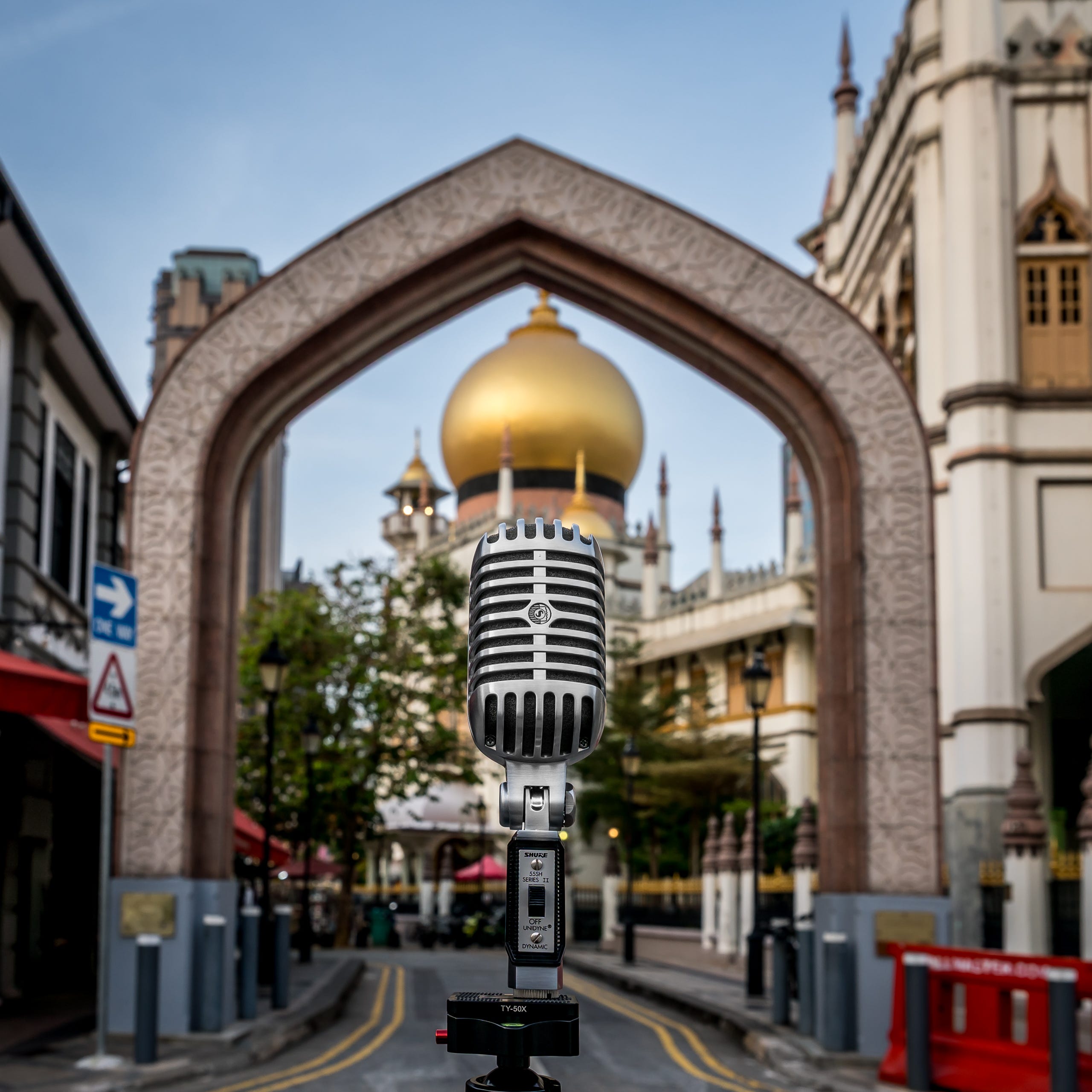
Few places in Singapore carry this much cultural density in such a compact space. A mix of merchants from the 19th century up to the current day each have their imprint here. Walk just three or four blocks in any direction and you move through worlds that would, in most cities, be separated by miles. A Yemeni perfumery sits beside a Malay bridal house. A Javanese batik seller shares a row of shophouses with a third-generation carpet merchant. The layering is not curated — it is simply how this neighbourhood grew, organically and over centuries, and it gives Kampong Glam an authenticity that no amount of urban planning could manufacture.
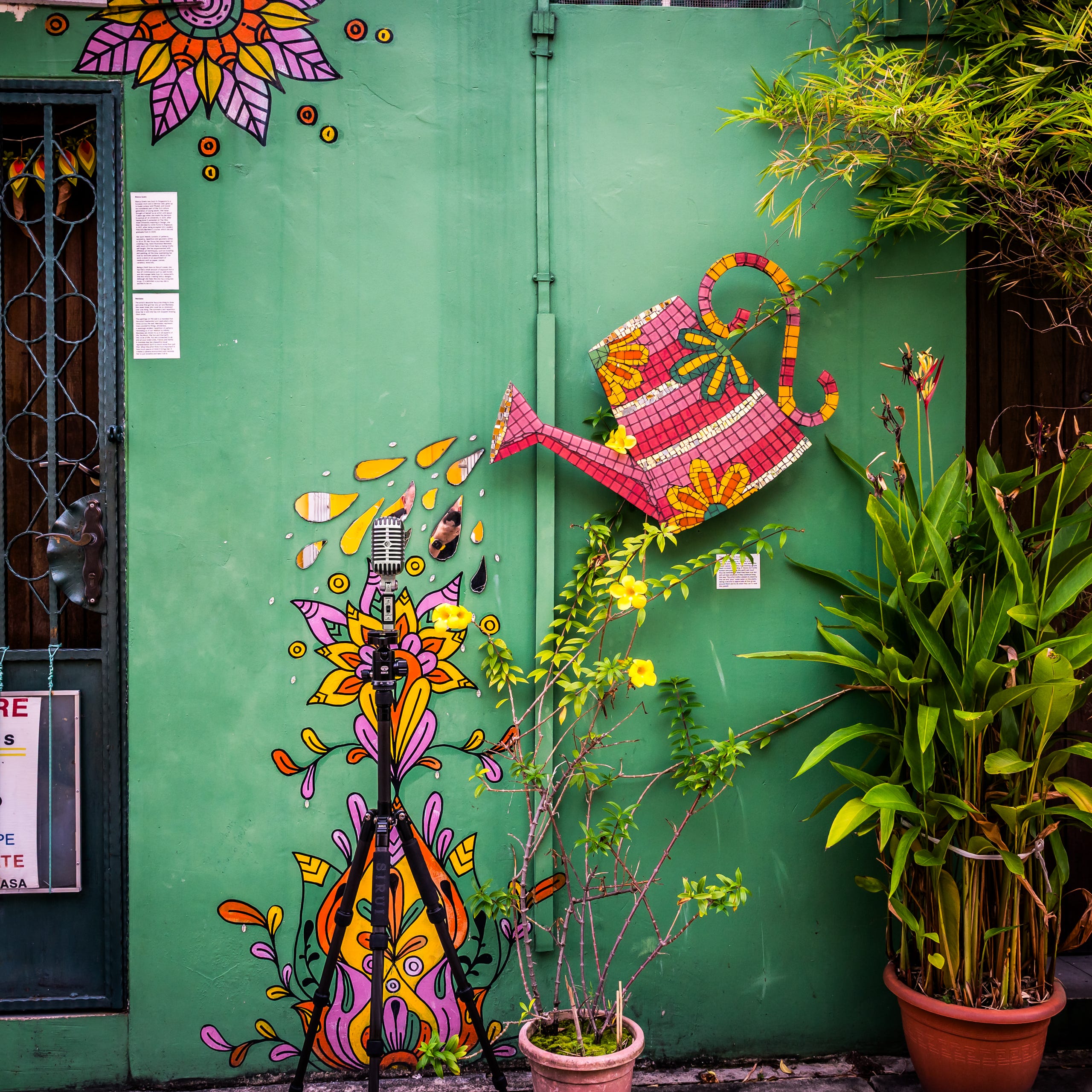
Artists have been drawn to Kampong Glam for years, and by now its walls read like a curated exhibition that nobody officially curated. Haji Lane was one of the first streets in the city where murals became part of the scenery rather than an act of defiance, and the tradition has spread outward through the surrounding lanes ever since. What sets the art here apart from civic beautification projects elsewhere in the city is its attitude. The work is bold, frequently political, often strange, and always in conversation with the street around it. Some artists have based their studios here permanently (in or near Aliwal Arts Centre), drawn by the neighbourhood’s tolerance for experimentation and its visual richness as a backdrop. The result is an open-air gallery that changes constantly, rewards slow walking, and gives the neighbourhood a creative energy that feels entirely earned.
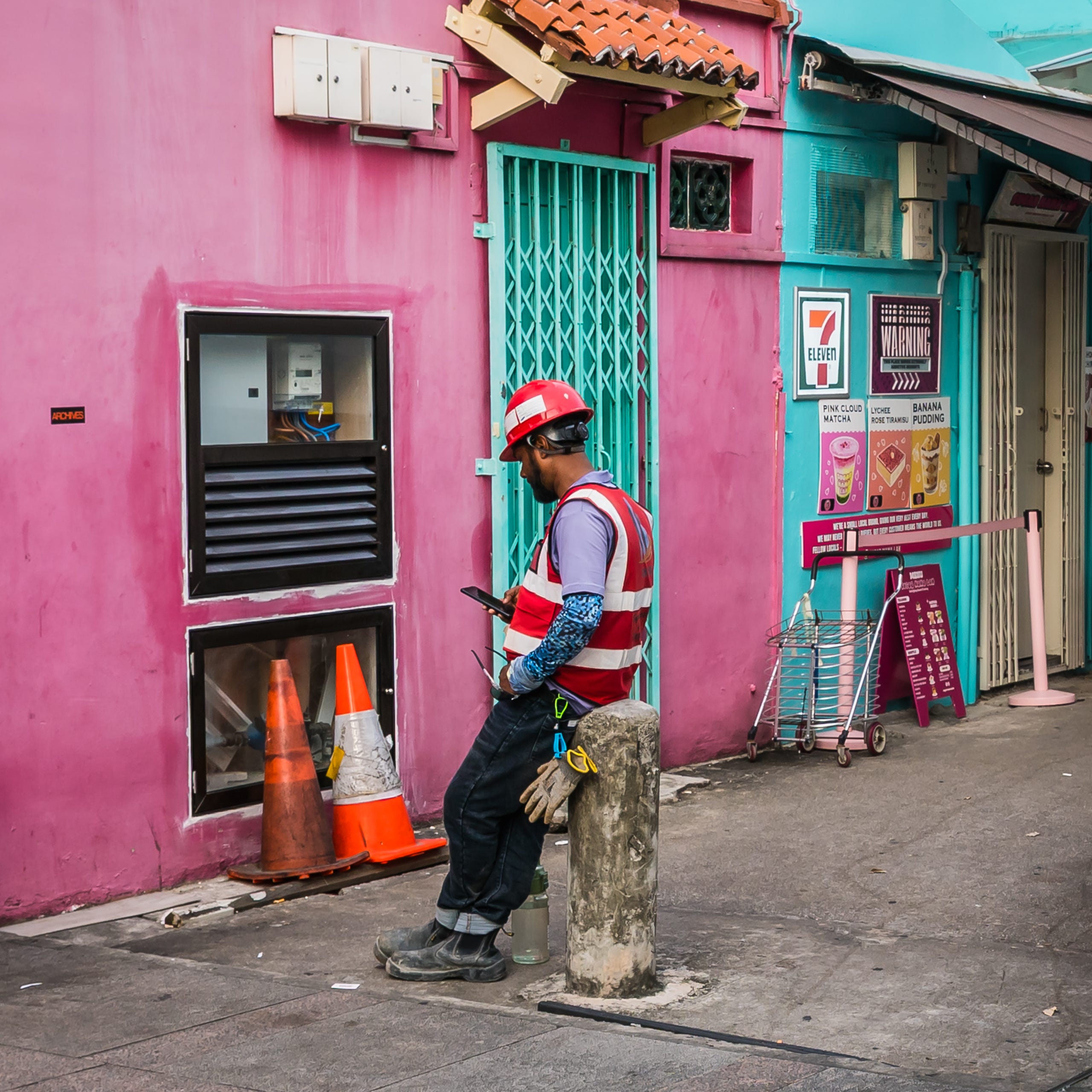
Singapore moves fast. It is one of the defining qualities of the city. Kampong Glam is the exception. The streets here are narrow by design, scaled for pedestrians and handcarts rather than cars and delivery trucks. The shophouses are low-rise and irregular, each one slightly different from its neighbour in the colour of its facade or the carving above its door. There is shade everywhere, from five-foot ways and old angsana trees, and the pace of people on the street is noticeably slower than on Orchard Road or in the CBD. This is a neighbourhood that still has corners where nothing much is happening, where an construction worker can chill and check his phone, entirely oblivious to everything around them. That quality is increasingly rare in this city, and increasingly precious.
The most interesting thing about Kampong Glam today is not that it has changed, but how it has absorbed change without losing its character. Many of the traditional shops and trades are still here. But alongside them, a new generation has moved in: concept cafes tucked into restored shophouses, young designers sourcing batik and reworking it into contemporary fashion, bookshops stocking titles you will not find at the airport. The neighbourhood has become a place where people in their thirties and forties — curious, culturally fluent, tired of the interchangeable — come to spend a full afternoon without a plan. It rewards that kind of visit. The longer you stay, the more you find: a courtyard behind a plain door, a rooftop with a view straight to the mosque’s domes, a hawker stall that has been in the same family since before independence. Kampong Glam keeps reinventing itself, as it always has — and it keeps doing so entirely on its own terms.
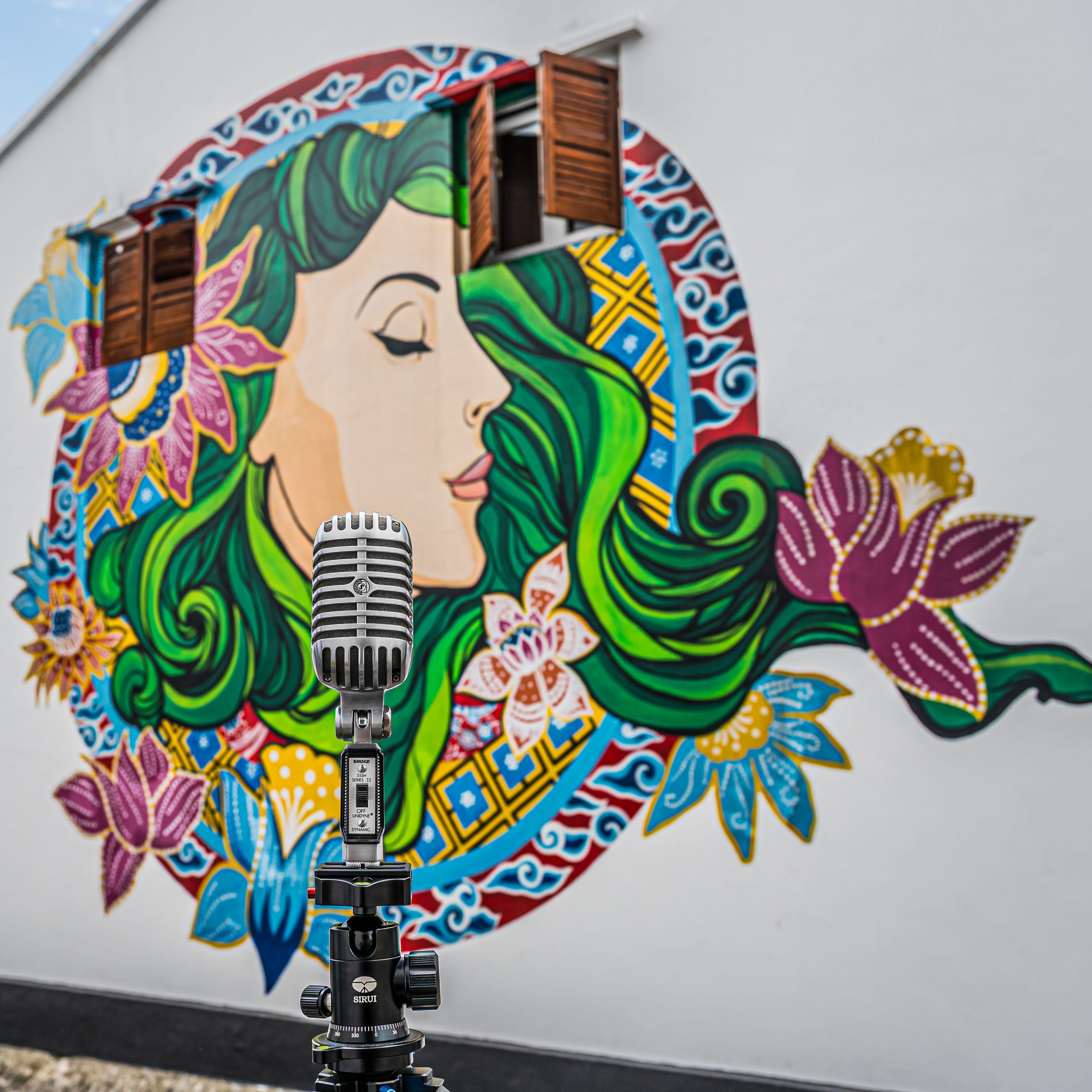
If you are visiting Singapore, let me guide you on a GPS-assisted guided audio walking tour of Kampong Glam to take in the street stories of Singapore’s hippest neighbourhood. I’ll take you from Sultan Mosque and past amazing street art to end up at Haji Lane, declared “the most instagrammable street in the world” in 2009 by the New York Times.
No posts
Comments
Nothing yet. Say the first thing.
Sign in to join the conversation.