
In the previous article in this series, we looked at natural light — how sunlight regulates our circadian rhythms, why blue light at night disrupts sleep and metabolism, and how modern indoor living has cut us off from something our bodies genuinely need. One detail from that article is worth revisiting here: roughly 40% of sunlight is infrared. Not the visible red we can see, but invisible wavelengths that penetrate our skin, reach our cells, and trigger real biological responses.
Most artificial indoor lighting delivers none of this. We get the visible part of the spectrum — sometimes poorly — but the infrared component that sunlight delivers so abundantly is simply absent. What we are only beginning to fully appreciate is how much that absence matters.
This article is about that missing spectrum, and about the growing body of research showing that therapeutic light — red, near-infrared, and far-infrared — may offer meaningful support for a wide range of health conditions. It is also about the practical ways you can bring more of it into your life.
Not all infrared light is the same. The therapeutic range of the spectrum spans from visible red light down through wavelengths invisible to the naked eye, and each range has distinct properties and reaches different depths in the body.
Red light (approximately 630–700 nm) is visible — you can see the glow. It penetrates the skin to a depth of a few millimeters, making it most effective for surface-level tissue: skin cells, hair follicles, and superficial circulation. This is the wavelength range most commonly associated with skincare devices and wound healing.
Near-infrared light (approximately 700–1100 nm) is invisible, but penetrates significantly deeper — up to several centimeters depending on wavelength and individual tissue density. At this depth, it can reach muscles, joints, connective tissue, and even bone. Near-infrared is the range most studied in photobiomodulation research on pain, inflammation, thyroid function, and brain health.
Far-infrared light (approximately 1100 nm and beyond) is also invisible, and works differently from the other two. Rather than stimulating cellular photoreceptors directly, far-infrared is primarily absorbed as heat by water molecules in the body’s tissues. This deep, gentle warming is what makes far-infrared sauna therapy distinct — it raises core body temperature from the inside out, triggering sweating, circulation, and detoxification responses at lower external temperatures than a traditional sauna.
Together, these three ranges form a continuum of light-based therapies with overlapping but distinct mechanisms and applications.
The primary mechanism behind red and near-infrared light therapy is one you are probably already familiar with: mitochondria. Every cell in your body contains these energy-producing structures, and their job is to convert nutrients into ATP — adenosine triphosphate — the fuel that powers virtually every cellular process.
When red or near-infrared light reaches the mitochondria, it is absorbed by a protein called cytochrome c oxidase, a key component of the electron transport chain — the series of reactions that produces ATP. This absorption appears to accelerate the energy production process, giving cells more fuel to carry out repair, regeneration, and anti-inflammatory work.
This is not speculative biology. The role of cytochrome c oxidase as a photoreceptor in this process is among the better-established mechanisms in non-pharmaceutical therapeutics. The practical effect, put simply, is that cells exposed to therapeutic light have more energy to do what they are designed to do.
Additional mechanisms appear to be at work as well. Light therapy increases local nitric oxide production, which relaxes and widens blood vessels and improves circulation. (I’ve written about the importance of nitric oxide previously). It also appears to modulate reactive oxygen species — the free radical activity involved in both cellular signaling and, in excess, oxidative damage. And it influences gene expression in ways that support tissue repair and reduce inflammatory signaling.
Far-infrared adds another layer: by gently raising core body temperature, it mimics some of the physiological effects of moderate exercise — increased heart rate, improved blood flow, enhanced detoxification through sweating, and activation of heat shock proteins that help the body manage cellular stress.
The evidence base for light therapy has grown substantially over the past decade, and a 2025 consensus review described the pace of research as accelerating. What follows is a brief look at the most studied benefit areas — a starting point rather than a comprehensive summary.
This is where the research is most robust. A 2024 meta-analysis of 18 randomized controlled trials confirmed that red and near-infrared light significantly accelerates skin wound healing. The mechanism is well understood: light therapy stimulates fibroblasts — the cells responsible for collagen production — and promotes cellular proliferation and migration. The result is faster tissue repair, improved skin texture, reduced scarring, and meaningful anti-aging effects. Unlike procedures that achieve results through controlled damage to the skin, light therapy is atraumatic — it works by directly stimulating regenerative processes.
Pain relief and reduction of inflammation are among the most common reasons people seek out light therapy, and the evidence here is meaningful. A systematic review published in Pain Research and Management found that red and near-infrared therapy significantly reduced pain and improved physical function in people with knee osteoarthritis. Physical therapists have begun incorporating near-infrared light into rehabilitation protocols, finding it reduces strength loss and muscle fatigue when applied before resistance exercise. Athletes report faster recovery from injury and reduced post-exercise soreness.
The mechanism — reduced inflammatory signaling, improved circulation, and enhanced cellular energy — makes biological sense. And importantly, unlike anti-inflammatory medications, light therapy does not suppress the inflammatory response systemically; it appears to support the resolution of local inflammation rather than suppressing it globally.
One of the more intriguing areas of research involves the thyroid, and it is particularly relevant for those dealing with hypothyroidism or Hashimoto’s thyroiditis, an autoimmune condition that is significantly more common in women than men.
Placebo-controlled clinical trials, including work by Höfling and colleagues, have shown that low-level laser therapy applied to the thyroid region can improve hormone levels, reduce the need for thyroid medication, and lower thyroid peroxidase antibodies (TPOab) — a key marker of autoimmune thyroid activity. Near-infrared wavelengths in the 820–850 nm range have been used most frequently in this research, as they penetrate deeply enough to reach thyroid tissue.
The mechanisms proposed include improved ATP production in thyroid cells, local anti-inflammatory effects that may protect thyroid tissue from ongoing immune attack, and potential modulation of the overactive immune response that drives Hashimoto’s. This is early and promising territory — light therapy is not a cure for thyroid disease, and results should be combined with appropriate nutritional and medical support. But the research is worth knowing about.
One caution: those with hyperthyroidism should avoid directing any light therapy device at the neck and thyroid area, as stimulating an already overactive gland could potentially worsen the condition.
Transcranial photobiomodulation — directing near-infrared light at the skull to reach the brain’s outer cortical layers — is one of the newer and most intriguing frontiers in this field. Wavelengths around 810 nm can penetrate four to five centimeters into tissue, which puts the prefrontal cortex and related structures within potential reach.
Early studies have reported effects on ATP production in cortical neurons, reduced neuroinflammation, and measurable changes in brain activity. Researchers have documented improvements in attention, mood, and short-term memory in small cohorts, particularly among older adults with mild cognitive impairment. Light therapy has also been studied in the context of depression, with some preliminary positive findings.
Seasonal Affective Disorder (SAD), a related but distinct condition, is a subtype of major depression that recurs at specific times of the year. It most commonly begins in the fall or winter (due to reduced sunlight) and lifts by spring, though a less common summer-pattern SAD also exists. A specialized light box or lamp that mimics natural sunlight can be an effective treatment for this specific condition.
Emerging research suggests that red and near-infrared light may also support gut health — a finding of obvious interest from a clinical standpoint. The proposed mechanisms include improved mitochondrial function in intestinal epithelial cells, reduced local inflammation, and support for tissue repair in the gut lining. Early human studies have explored applications in inflammatory bowel conditions. This research is in earlier stages than the skin and pain literature, but it aligns well with what we already know about how light supports cellular energy and tissue repair throughout the body.
Far-infrared sauna therapy has one of the more substantial evidence bases in this category. Research from Kagoshima University using what they called “Waon therapy” — regular far-infrared sauna sessions in patients with chronic heart failure — showed statistically significant improvements in cardiac function, exercise tolerance, and key biomarkers of cardiac stress. These were not healthy people experiencing marginal gains; they were patients with established cardiovascular disease showing clinically meaningful recovery. The cardiovascular demand of a far-infrared sauna session has been described as comparable to moderate-pace walking — making it potentially valuable for those who cannot exercise due to injury, disability, or chronic illness.
On the detoxification side, the deep sweating induced by far-infrared sauna appears to mobilize a different profile of toxins than conventional sweating. Sweat from infrared sauna sessions has been found to contain a higher concentration of heavy metals and environmental pollutants than sweat from traditional saunas or exercise — suggesting it may offer a meaningful adjunct to the body’s natural detoxification pathways.
The simplest and most natural source of all three therapeutic wavelengths is still sunlight. As discussed in the previous article, morning sunlight exposure offers circadian benefits, but mid-morning to afternoon sun — when the angle is higher — delivers more infrared along with the full visible spectrum. Time spent outdoors remains the foundation. Everything else in this section is a supplement to that, not a replacement.
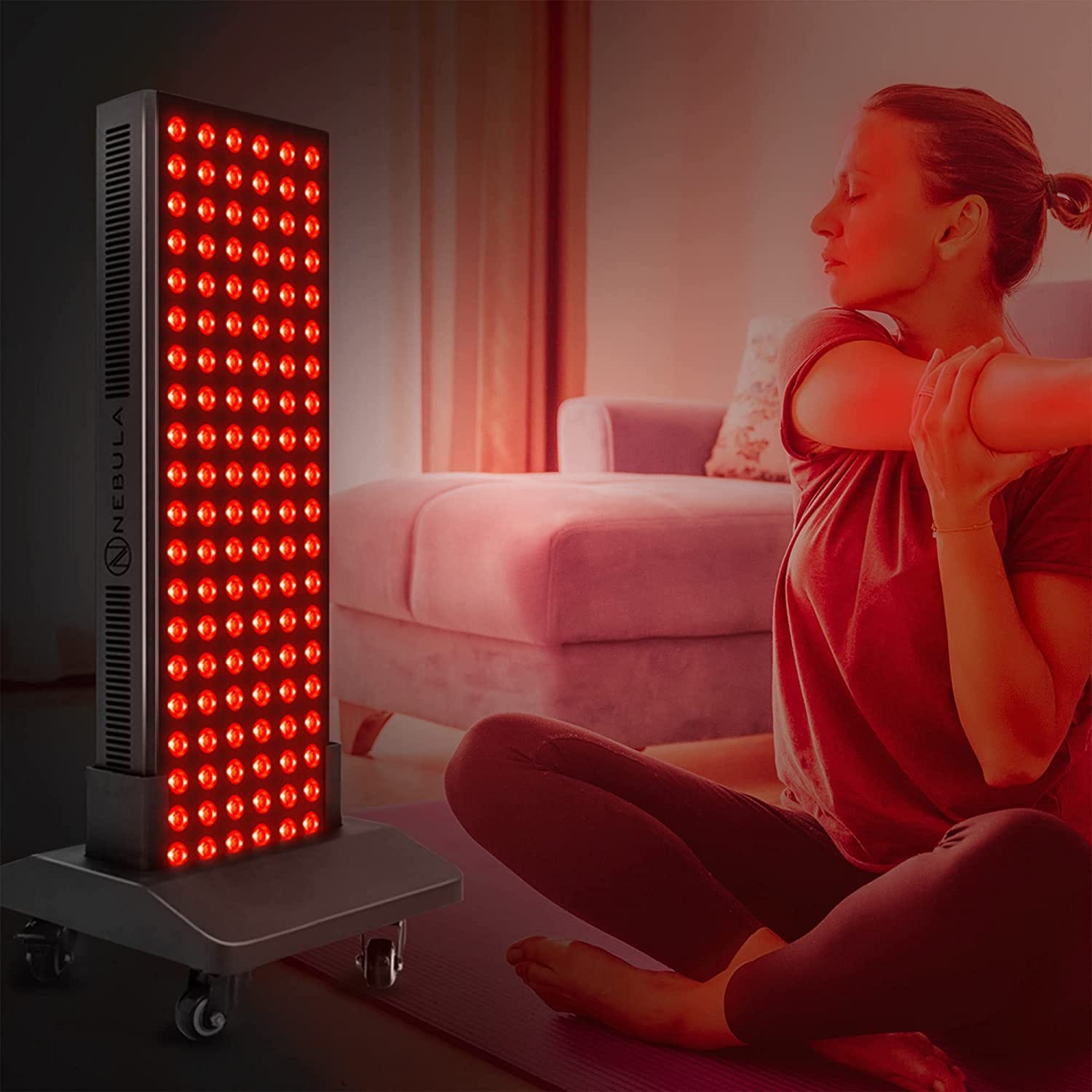
Tabletop and floor-standing LED panels are the most common entry point for home red light therapy. They vary enormously in quality, and quality matters — what you need to evaluate is not just marketing language but actual wavelength output and irradiance (the amount of light energy delivered per square centimeter, measured in mW/cm²). For most therapeutic applications, devices that deliver both red (around 660 nm) and near-infrared (around 830–850 nm) wavelengths provide the most flexibility, as these are the ranges most frequently used in clinical research.
Typical session times are 10–20 minutes, several times per week. Most people report noticeable effects within four to eight weeks of consistent use. Chronic conditions generally require longer and more sustained use.
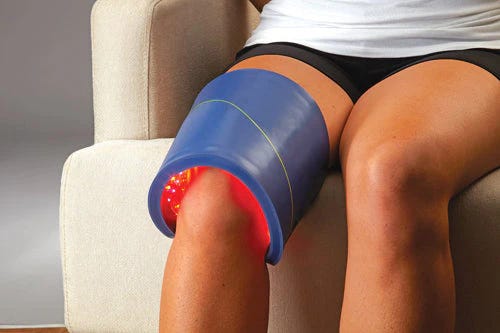
A newer category of red light devices is designed to wrap directly around the body, allowing targeted treatment of specific areas — a joint, the lower back, the thyroid region — with hands-free convenience. Unlike flat panels that require you to sit or stand at a fixed distance, wearable devices can conform to the body’s contours and treat areas like the shoulder joint or knee that are difficult to reach with a panel. For targeted use — pain, joint issues, localized recovery — this format has some practical advantages.
Far-infrared saunas operate at significantly lower temperatures than traditional saunas (typically 120–150°F rather than 180–220°F), which makes them more tolerable for longer sessions and accessible to people who cannot handle intense heat. About 80% of the heat in a far-infrared sauna goes directly into the body’s tissues rather than heating the surrounding air — which is why the deep warmth feels different from a conventional sauna.
Session lengths of 30–45 minutes are typical. The therapeutic benefits — cardiovascular conditioning, detoxification, pain relief, relaxation — appear to compound with consistent use over time. Home units are available at a wide range of price points; full wood-cabin style models with advanced features can run $3,000–5,000, while smaller portable options are available for several hundred dollars.
Light therapy is generally considered very safe, and the research to date has not identified major side effects in healthy individuals. That said, a few practical cautions are worth noting:
• Eyes: Do not look directly into any red or near-infrared light device during use. Close your eyes, look away, or use the safety goggles often included with devices.
• Hyperthyroidism: Avoid directing light therapy devices at the neck and thyroid area if you have an overactive thyroid. The research supporting light therapy for thyroid conditions involves hypothyroidism; stimulating an already overactive gland is not advisable.
• Photosensitizing medications: Certain medications increase sensitivity to light. Check with your prescribing physician if you are taking any medications that carry this warning.
• Device quality: Not all devices are equal. Marketing language about “clinical-grade” or “NASA technology” is widespread and not always meaningful. Look for devices that clearly state their wavelengths and irradiance levels, and that have been independently tested or verified.
• Consistency matters: Light therapy is not a one-time intervention. The evidence for most applications is built on regular, repeated sessions. Occasional use is unlikely to produce the results seen in research.
There is a thread running through this entire series: we evolved in a world full of light — all of it. Morning light to wake us. Afternoon sun for vitamin D - just be sure to avoid burning of the skin. Evening warmth to prepare us for sleep. And throughout the day, infrared energy penetrating our cells, feeding our mitochondria, supporting repair and circulation and inflammation resolution in ways we are still learning to fully describe.
Modern life has stripped most of this away. We live indoors, under artificial light that delivers a narrow slice of the spectrum and none of the infrared. Red and near-infrared light therapy — and far-infrared sauna — are not exotic interventions. They are ways of giving the body back something it already knows how to use.
As with everything in this space, the foundation remains the same: get outside, get sunlight, build the basics. What this article describes are tools that extend and supplement that foundation — available to anyone, grounded in real science, and increasingly accessible at home.
* As always, I am not offering medical advice. Please work with a qualified healthcare provider for your individual health needs.
Wound Healing & Skin
Taha N, et al. The Effects of Low-Level Laser Therapy on Wound Healing and Pain Management in Skin Wounds: A Systematic Review and Meta-Analysis. Cureus. 2024;16(10):e72542. https://www.ncbi.nlm.nih.gov/pmc/articles/PMC11602420/
Wunsch A, Matuschka K. A controlled trial to determine the efficacy of red and near-infrared light treatment in patient satisfaction, reduction of fine lines, wrinkles, skin roughness, and intradermal collagen density increase. Photomed Laser Surg. 2014;32(2):93-100. https://pmc.ncbi.nlm.nih.gov/articles/PMC3926176/
Thyroid & Hashimoto’s
Höfling DB, et al. Low-level laser therapy in chronic autoimmune thyroiditis: a pilot study. Lasers Surg Med. 2010;42(6):589-596. https://pubmed.ncbi.nlm.nih.gov/20662037/
Höfling DB, et al. Low-level laser in the treatment of patients with hypothyroidism induced by chronic autoimmune thyroiditis: a randomized, placebo-controlled clinical trial. Lasers Med Sci. 2013;28(3):743-753. https://pubmed.ncbi.nlm.nih.gov/22718472/
Höfling DB, et al. Safety and Efficacy of Low-Level Laser Therapy in Autoimmune Thyroiditis: Long-Term Follow-Up Study. Int J Endocrinol. 2018;2018:8387530. https://pmc.ncbi.nlm.nih.gov/articles/PMC6247385/
Cardiovascular & Far-Infrared Sauna
Kihara T, et al. Beneficial effects of Waon therapy on patients with chronic heart failure: results of a prospective multicenter study. J Cardiol. 2009;54(1):16-21. https://pubmed.ncbi.nlm.nih.gov/18922381/
Zaccardi F, et al. Sauna bathing and incident hypertension: a prospective cohort study. Am J Hypertens. 2017;30(11):1120-1125. Note: this study examined traditional Finnish sauna; far-infrared sauna research on hypertension is more limited but mechanistically related. https://pubmed.ncbi.nlm.nih.gov/28633297/
Tei C, et al. Waon therapy for cardiovascular disease: innovative therapy for the 21st century. Circ J. 2009;73(1):29-38. https://pubmed.ncbi.nlm.nih.gov/20154403/
No posts
Comments
Nothing yet. Say the first thing.
Sign in to join the conversation.