
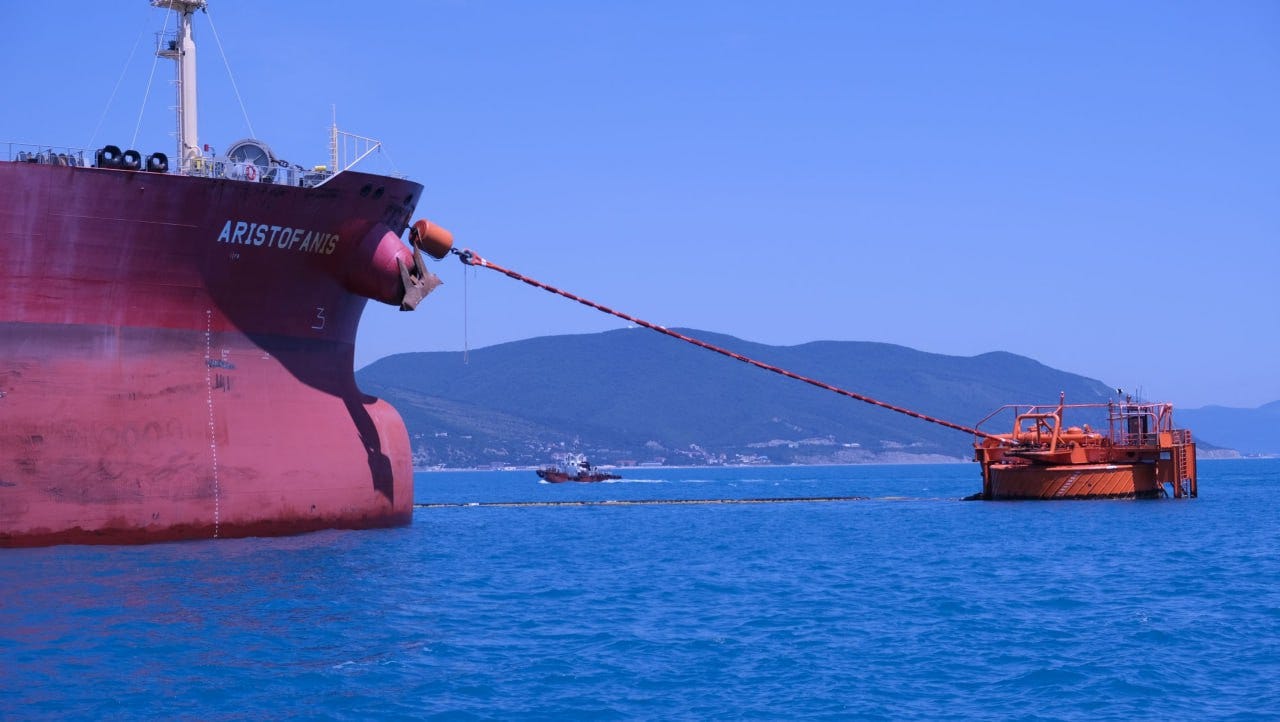
Kazakhstan temporarily halted oil flows towards the Caspian Pipeline Consortium’s Black Sea terminal after a series of drone attacks deterred shipowners from sending tankers to load crude near the Russian port of Novorossiysk. Bloomberg news agency cited its sources as saying the restrictions would remain in place at least until the end of the week. Another news wire, Reuters, reported that the consortium stopped accepting oil on July 21. The operator confirmed only that loading had been suspended and said the terminal itself remained undamaged. One tanker caught fire after an attack earlier this week, and several others serving the route were also targeted. More than 80 percent of Kazakhstan’s oil exports pass through the pipeline, meaning that a prolonged disruption may force producers to cut output. Astana has condemned the attacks on tankers in the Novorossiysk port area as a threat to its economic interests and said it may seek compensation. Ukraine’s envoy to Kazakhstan insisted there was no evidence Kyiv was behind the attacks. In a separate development, Kazakhstan said it would make no oil deliveries to Germany through the Druzhba pipeline, which also crosses Russian territory, in July or August because of infrastructure constraints along the transit route.
A severe heatwave strained electricity networks across Central Asia, forcing temporary outages in Kyrgyzstan and Uzbekistan as temperatures climbed above 40 degrees Celsius. Bishkek recorded 43.5 degrees on July 19, its highest temperature since records began. Utilities imposed cuts of up to two hours after demand pushed transmission equipment towards its limits. Temperatures reached 43 to 48 degrees across Uzbekistan, where electricity consumption set six consecutive summer records and more than 10,000 customers in Tashkent lost power during network failures. Authorities also restricted train speeds and some daytime freight traffic because of overheated infrastructure. Kazakhstan’s largest city, Almaty, reported similar outages during temperatures of about 40 degrees, exposing the age and limited capacity of parts of the urban grid. Some relief is now in sight, with temperatures falling into the high 20s across much of the region and the low 30s in Tashkent.
Kazakhstan escalated its dispute with the multinational consortium developing the giant Kashagan oilfield after authorities reportedly threatened the operator’s chief executive with possible criminal prosecution over a disputed $5 billion environmental fine. The warning came on the heels of a Bloomberg report that state-owned shareholder KazMunayGas has signalled it intends to pay its own share of the penalty, despite Shell, ExxonMobil, Eni, TotalEnergies, CNPC and Inpex continuing to contest both the fine and the underlying allegations in international arbitration. The government has now begun enforcement proceedings despite an interim order issued in arbitration under United Nations Commission on International Trade Law rules, which said the penalty should not be collected while the case continues. The dispute centres on alleged excessive sulphur storage at Kashagan, but has become part of a much broader confrontation over Kazakhstan’s attempts to extract greater value and control from one of its most important oil projects.
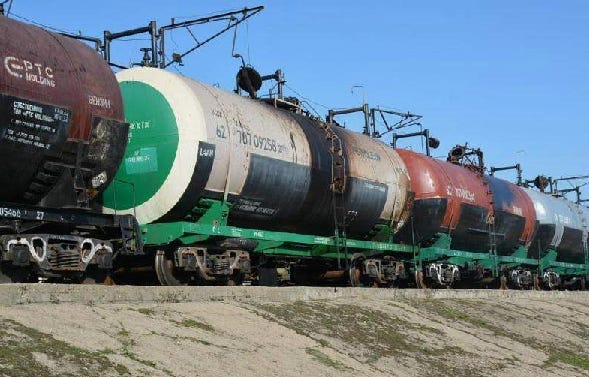
Kyrgyzstan moved to secure alternative fuel supplies across Central Asia and beyond as Russia’s supply crisis exposed the risks of its dependence on a single dominant supplier. Bishkek agreed to import crude into Uzbekistan for processing before bringing the refined products home. Also, Belarusian fuel began arriving through Russia and a Chinese shipment was prepared for delivery. Meanwhile, Kazakhstan authorised monthly exports of up to 20,000 tons of fuel oil, which Kyrgyzstan may refine into gasoline and diesel or use at heating plants. Astana has not yet approved deliveries of finished fuels. Tajikistan faces a similar vulnerability, with Russia accounting for about 90 percent of its petroleum imports. Customs officials said shipments fell sharply in June and declined further in July, particularly for diesel and jet fuel, but officials there have not announced any new emergency measures.
Comments
Nothing yet. Say the first thing.
Sign in to join the conversation.