
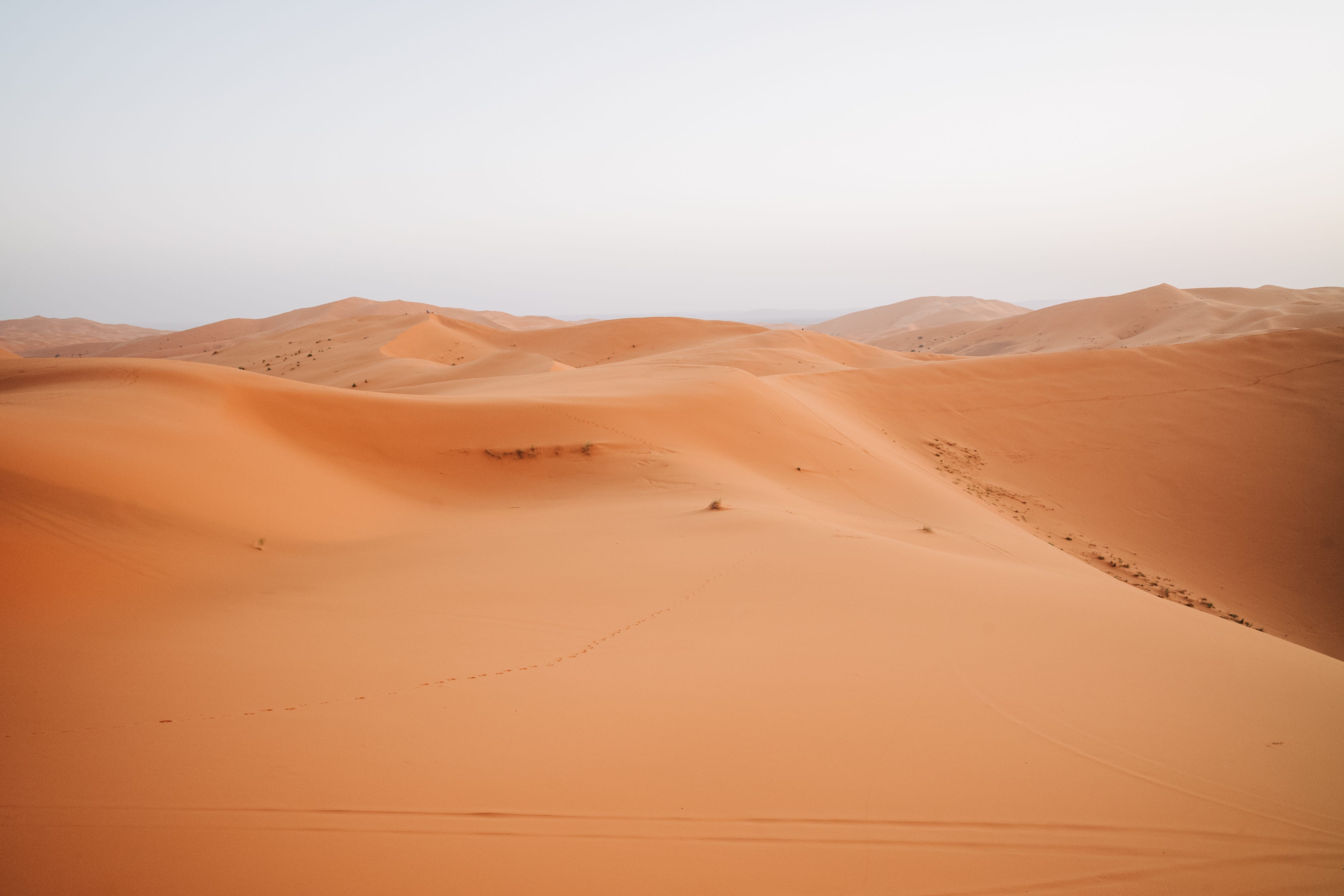
There’s a note in my phone from two weeks ago with the headline for this post. I wrote it after a string of days I spent getting bounced around at the edge of the Sahara in a beat-up Land Cruiser, without cell phone reception, completely dependent on the hope and trust in the kindness of strangers. I had to let myself surrender entirely to the fact that I could do nothing but hope it’d all work out, and it did. Then I went to Fes and things didn’t go as favourably for me. Last week, I wrote about my experience in Fes during my month-long stay in Morocco. This is often the nature of travel: you roll the dice and get what you get. With three six-sided dice, the odds of rolling 1, 2, 3 are the same as 4, 5, 6. Same chance, entirely different outcome. Isn’t that thrill what keeps us playing?
The first few days after I shared that story, it got a couple of likes and two or three comments from people I either know or have come to know through this platform—exactly what I am accustomed to with the writing I share here. Nearly a week later, something must have happened; the travel to Morocco algorithm on Substack went haywire, and Thursday morning, I woke up to dozens and dozens of comments from people I don’t know. 35k views on the post in the span of a couple of days, which isn’t the norm for me. I had to shut off all notifications around comments as they started coming in every few minutes and haven’t let up. I really enjoyed reading the stories that people shared with me of their own time in Morocco. I didn’t enjoy or appreciate the hateful, racist remarks that people thought they were entitled to leave. I could have done without the folks who felt they should hijack that post to make anti-immigration statements. I also laughed to myself that people actually seek out the grow-your-following garbage on Substack because I would never want this kind of unsolicited and chaotic feedback anywhere near my personal writing practice regularly. Writing for an audience will never be my thing.
I wrote that post on my phone while fighting intense nausea on a bus winding its way through the Rif Mountains. It’s certainly not the one post from the last four years of writing on Substack that I’d wish for thousands of people to read. It’s messy, riddled with bad grammar, and more emotionally charged than something I would have written after the fact at home, because I was still living the experience in real time as I wrote it. A majority of the comments were from people relating and sharing their similar experiences of travel in Morocco. Some were just kind folks saying thanks for sharing something honest in an industry where we’ve accepted diluted sugar water as the standard of writing. I’m not sure I conveyed the message I wanted to: I loved Morocco, but it was way more complicated than that. I was happy to leave Fes, and I felt for the first time in many years of travel that I’d met my match.
As that post started to gain momentum, the comments quickly devolved into a place where people decided to misinterpret what I wrote, spew hateful, Islamophobic, anti-immigrant ideologies, or simply call me awful names and make gross judgments about who I am as a person. I worried I didn’t write that story with enough time and attention that it deserved. I saw how slippery these discussions can become, especially once people with bad intentions have entered the room. Eventually, I stopped blaming myself for the fact that sometimes people will just read what they want to see. It gave me a new understanding and appreciation for why a writer on Substack would choose to set their comments section to paid subscribers only. They made themselves clear as people who didn’t read what I wrote, whether they were shouting racist sentiments or just telling me that I should shut up and stick to a resort island when I travel. Wow, people are truly awful, I thought as I watched these comments come in. It’s amazing to me that someone would take the time out of their day to be such an asshole to a total stranger they don’t know on the internet. Comically, many of them even subscribed. Maybe I’m just green when it comes to this type of stuff. I’ve never experienced so much dialogue around anything I’ve written in 20+ years of writing and sharing things online. Whatever it was that triggered Substack’s algorithm with that piece, I’d love to unlearn it immediately.
Then, of course, there were tons and tons of comments from people who shared similar experiences. I really appreciated reading those and realizing I am not alone in my own travels throughout Morocco. I wondered if most of the negative commenters trying to bully me have even been there. Likely not. Sharing that honest recounting of a time where I wasn’t exactly having fun will forever be tied to my travel to this country. It was like a mirror held up to the entire month there. Like the totally outrageous comments section, there was so much I loved about Morocco, and so much I’d rather have not experienced. In the span of a half-page scroll, you can see on display the best and worst sides of humanity. The good comments far outweighed the bad, but just like nearly getting robbed will put you at unease and make you forget you were having a good time, someone calling you names or hijacking the narrative will make you wish you’d never put yourself out there in the first place.
I felt like I needed to write this because I worried that in my imperfect recounting of the time in Fes, I didn’t accurately convey how complex the range of emotions was. I also felt like I was betraying all of the good experiences and people who were so kind and welcoming to me. What I realized after the fact is that Fes is a place where things happened to me. One of the fundamentals of a story is that something happens. I have stories from Fes, both good and bad, and the good moments are that much more interesting because of their proximity to the bad ones. We take travel for granted because it’s so easy to do these days. It’s easy to forget that flying thousands and thousands of miles from wherever we call home is still a novel, not entirely natural concept. For most of us in the vague age range of over 30, our great-grandparents could never have ventured this far. Even today, international travel is a luxury that much of the world cannot experience. This is why I feel thankful for the privilege and don’t take it lightly. I don’t want anyone to ever read what I wrote about Fes and think I was complaining about the place. It was a hard place to be. I experienced things I will never forget, and I was happy to leave.
Also, I will always speak out against hate wherever I see it, especially if it’s fomenting in the comment threads of something I wrote (this is my newsletter, I own it entirely, and I’m telling you you’re not welcome here if that’s you). I think they should know that immigrants don’t pose any threat to them; that it’s their own bigoted, isolationist, delusional mindset that will leave them cornered with their back against the wall, cowering in fear. What a dull and uninteresting life they will live.
A few things I thought about this week regarding travel culture as I made the journey back home from Tangier to Boston and tried to keep up with those comments:
Something that stood out to me in some of the comments I received was the way people (foreigners, not Moroccans) took such offense to an honest recounting of an experience that started and ended with the phrase “I’ve never been so happy to leave a place.” Not I hated this place, or do not ever go to this place. An honest, subjective reflection of my personal thoughts as I sat on a bus and tried to avoid vomiting on a four-hour drive while leaving Fes behind me. I was so happy to leave. Is there something wrong with that?
One commenter decided to tell me that it was my fault for experiencing these things because “there are rules to visiting North Africa,” as if all of what I wrote is applicable to a region comprised of seven different countries and covering 3.3 million square miles. Right. Another felt the need to remind me that Morocco is a monarchy, that they do things differently there, and that I should just travel to Cancun if I can’t cope with a different culture. It made me recognize this strange phenomenon where people who visit a country once, or even a few times, in their lives insist on owning the experience for all subsequent visitors. It smells like a colonizer mindset to me. These are people who go somewhere, check it off their list, and decide they’re experts on everything about X place. They talk about places as if they own or conquered them because they’ve been there once and know everything about them. Their experience is the required reading; all others are simply false.
The internet and our consumption of travel media encourage this behavior because people want the easy, SEO-optimized summary of a place they’re thinking about visiting. They want it as simple and malleable as a ChatGPT response. This is why I tend to pepper every travel piece I write with statements like this is not intended to be a guide, just a reflection on my own experience. I am not Rick Fucking Steves. I do not want to tell you where to go, what to say, or how to be around the world. That’s just not my schtick. Mostly, I don’t want anyone to read what I write as if I’m trying to sound like an expert. I am floating through this world with such a vague, at best, understanding of everything all the time! I do my research, and I know how little I know. My experience in Morocco isn’t a guarantee for what you’re going to encounter, and I’m not claiming it’s the only one to exist.
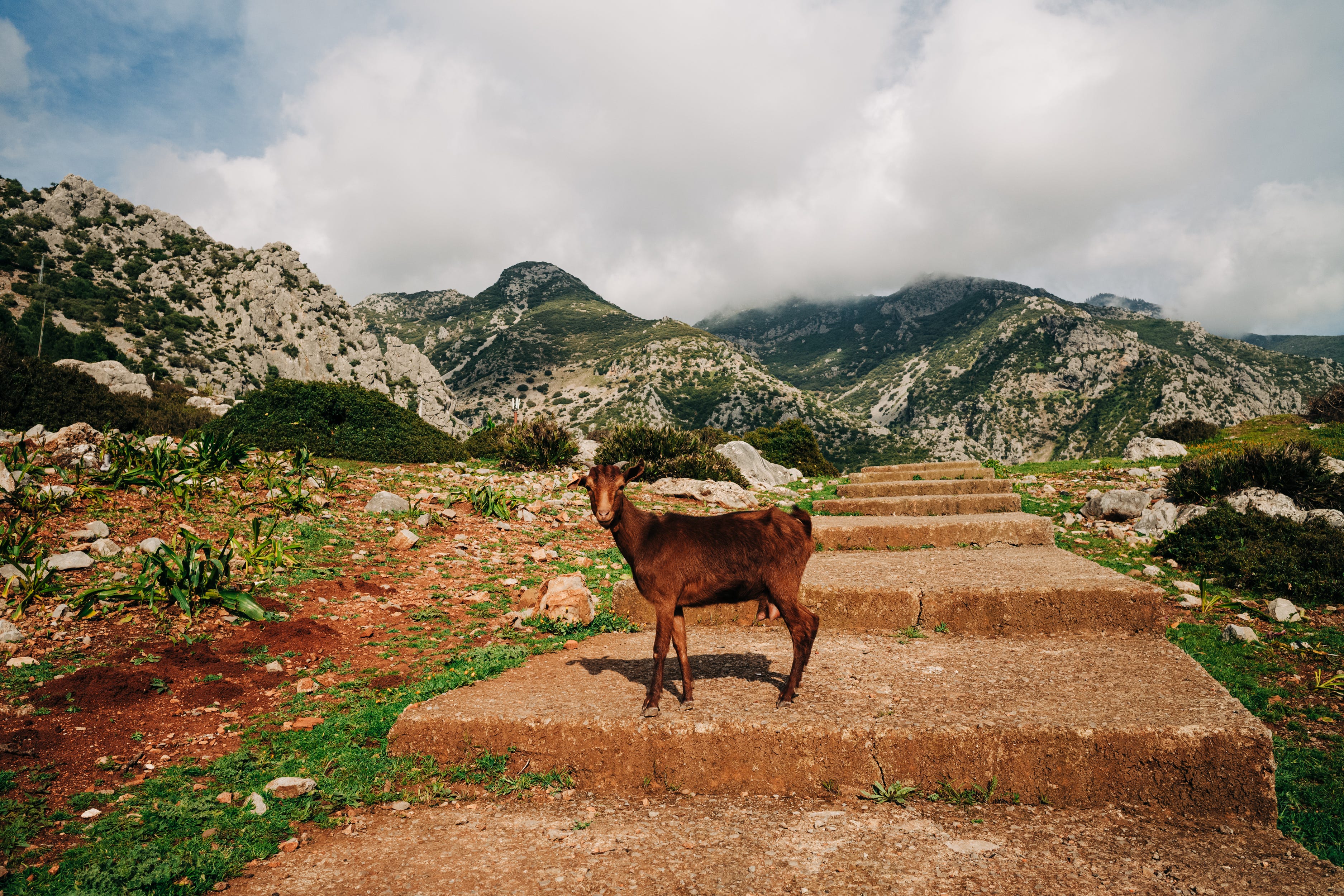
Morocco must be one of the most deeply polarizing travel destinations I’ve encountered. You will find no end to the number of people telling you exactly why they either A) hate the country entirely and will never recommend it to anyone they know or B) love the country more than anywhere else on earth and want nothing more than for everyone to visit. Like and subscribe, buy their survival guide to Morocco now because it costs less than a cup of coffee, and you can save yourself from these top 10 mistakes.
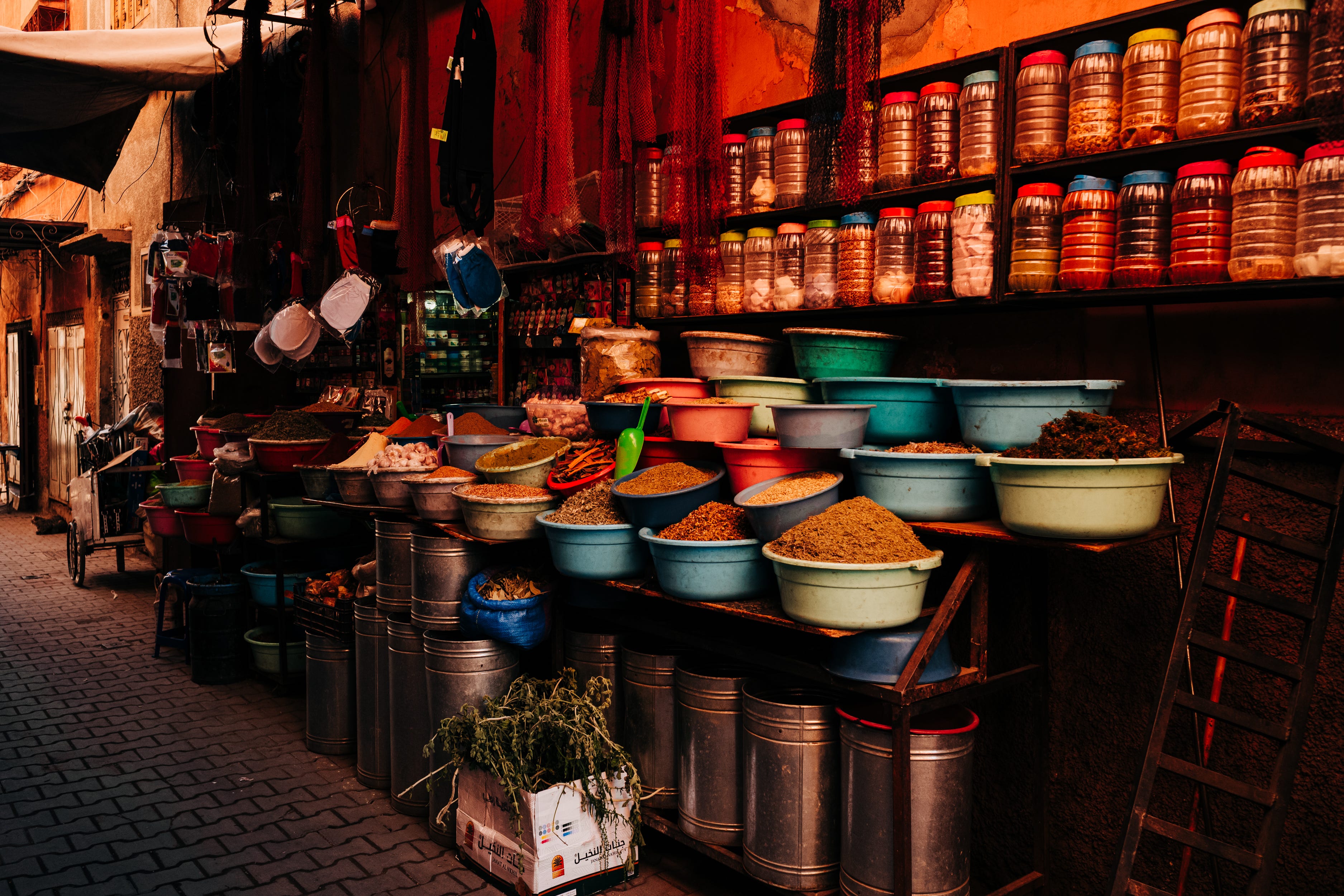
What I wrote doesn’t fit into either of those categories. I loved Morocco. I met so many incredibly kind people. I had some of the best and worst meals of my life. I’ve never found a place more exhausting and utterly draining. I’ve never seen color and light do things as they do in Morocco. I’ve never found a place that’s harder to photograph. The hospitality is unlike anywhere else. I’ve never experienced such hostility as a foreigner who earnestly does his research and tries his best to be a respectful visitor in every place he goes. I would recommend it to everyone I know. I will probably never go back.
Nothing about that summary works from an algorithm standpoint. How can an audience be targeted off that? It’s messy, conflicting, and not black and white. I’m thankful for the mix of comments because it reaffirmed for me what I want to write about. Not the perfectly curated, sterilized summary of a trip that fails to mention the realities of it. If you like reading the antithesis of that type of stuff, welcome. You are in the right place, and I plan to focus more honestly on sharing the duality of my travel experiences going forward. I have stories from Morocco and so many other places that I’ll continue to share. They’re not always pretty.
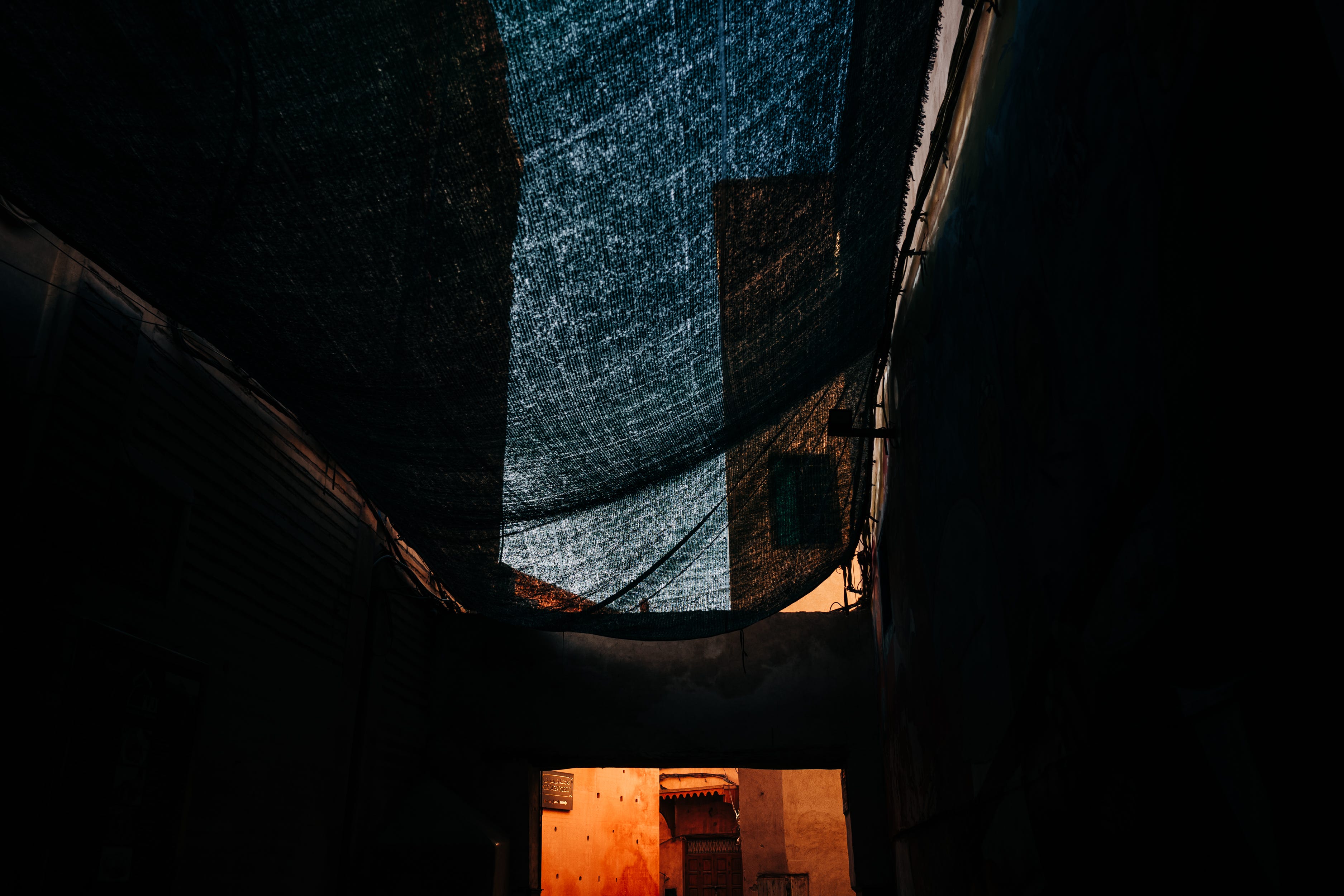
Morocco doesn’t need me to defend it, but I wanted to clarify what I wrote since the message seemed to be misunderstood: I loved Morocco, and I think anyone who wants to go should, but I’ve also never been more uncomfortable and have never experienced such a spectrum of emotions in any other place. It’s a place that changed me, which isn’t something I can say about every place I’ve ever been. It forced me to confront realities head-on and sit with discomfort. If you’re looking for comfort and relaxation, this 100% is not the destination for it. I travel often to rest and take it easy, and I also travel to push myself to my own limits, experience places unlike home, and learn more about the world. Both are valid and wonderful. Morocco is firmly in that latter category.
My outlook on travel is this: why would I want to only go to places that feel comfortable, that let me be the same version of myself as I am in the comfort of my own hometown? I was forced to adapt, I was forced to accept realities I couldn’t change, and I was made uncomfortable often. That is an incredibly valuable experience in my book, and I don’t want to shy away from it when traveling, but I also don’t always want every trip to look like that, and it’s okay if that’s not your idea of travel. Why has the internet created these travel cops that tell people what they should and shouldn’t like, where they must and must not go?
While there, I was texting with a friend of mine who has been to Morocco twice before. He said something like, “It sounds like you need a $5.95 large iced coffee and to enjoy the summer weather coming our way.” Exactly right, and there’s nothing wrong with that. I realized how much I love some of the quirks and comforts of my home. How much I actually appreciate where I live after a winter that all but broke me completely. If Morocco is a place you feel drawn to, please do go. Understand that you might be uncomfortable if you do. Appreciate that discomfort and see what it can teach you. Feeling something is a sign that you have a pulse.
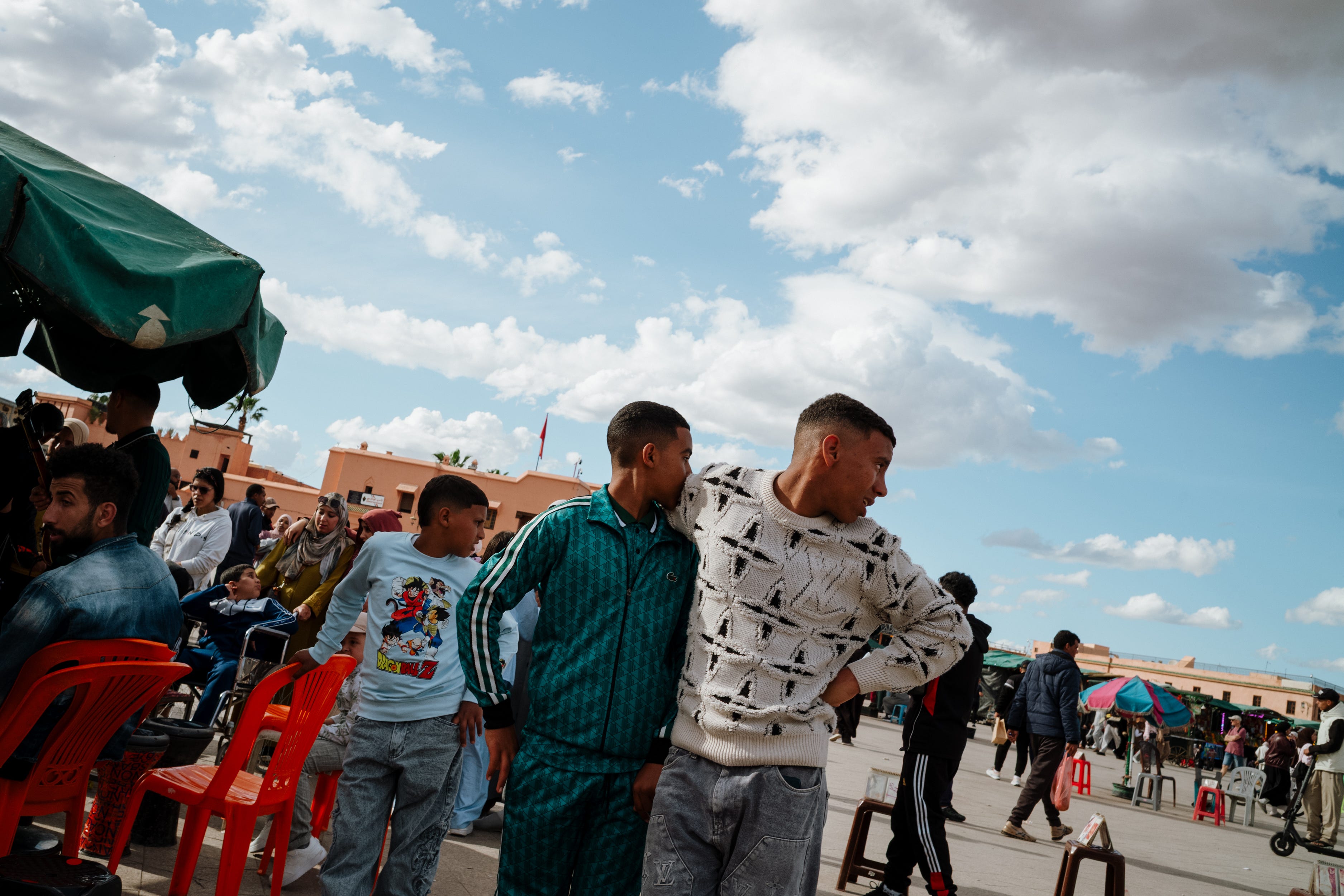
I write this with a limited but not small amount of data from the hundreds of people who left comments on that post about Fes. Is it at Denmark's or Japan's level of safety? Obviously not. Try to resist comparison when thinking about these types of things. I think Morocco overall is a pretty safe place. In a month, I was aware of one single moment where I was genuinely unsafe. The likely worst outcome would have been a knife pulled on me and losing $60 and my camera, which I have insurance for. I sensed that reality was so close that I was ready to pull the memory card out (isn’t that an insane thing to think about? I must have clearly loved something about Morocco if my first thought was to preserve the photographs I made over the last three weeks when facing danger).
It’s extremely unlikely that those people wanted to do me any real harm, although they definitely wanted me to think they would. I’d bet they didn’t even notice the camera; they probably just wanted money. Some people will read this and think that’s enough for them to rule it out entirely, and that’s fine, but take it from someone who has experienced it and looked at a huge range of stories from other people as well: I still think it’s relatively safe enough if you’re smart and understand the scams and tactics that are common there. There’s risk, but it’s probably lower than you think. The bad always has a way of being so much louder than the good when it comes to these types of things, but you shouldn’t let it scare you.
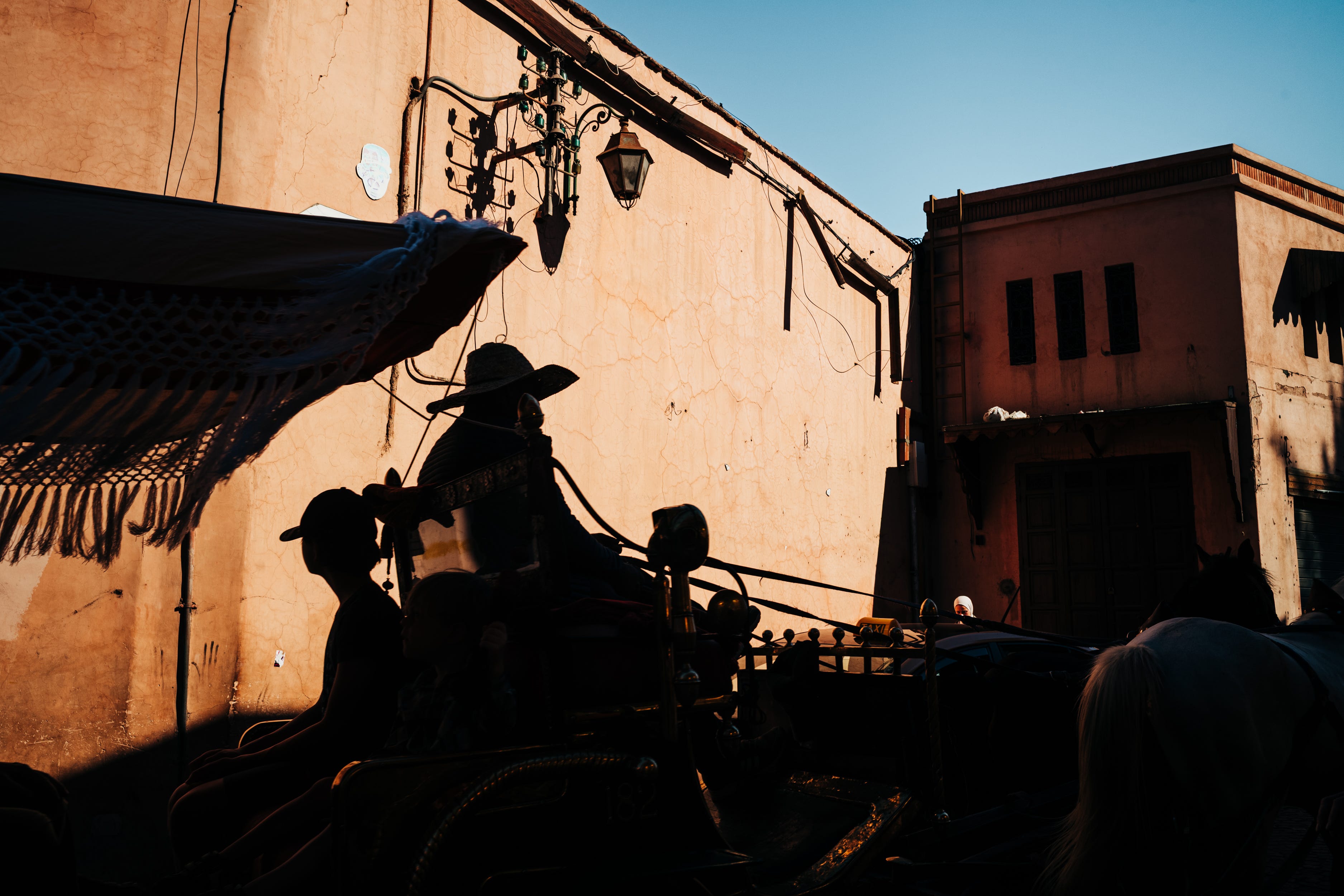
I’m back home now. In the state I live in, our motto is Hope. It’s one of the shortest and oldest state mottos in the U.S., and what I appreciate is its brevity. It was originally meant to have some biblical symbolism as it’s accompanied by the image of an anchor and references a passage from the book of Hebrews about hope being an anchor for the soul. As an atheist who grew up in a devoutly religious background, I’m glad they left that part out and allowed the word to retain its power on its own. Its simplicity has so much more impact when it’s not weighed down with a religious context.
What’s actually the single thing I’d want to distill from my experience in Morocco? What would I tell someone when they ask me how it was? Hope beats fear every time. I made it home, and you will too. Doesn’t mean you need to want to do it again. Should you want to do it in the first place? That’s up to you.
Comments
Nothing yet. Say the first thing.
Sign in to join the conversation.