
Field Notes — Stephen Albert, in the Sonoma Garden
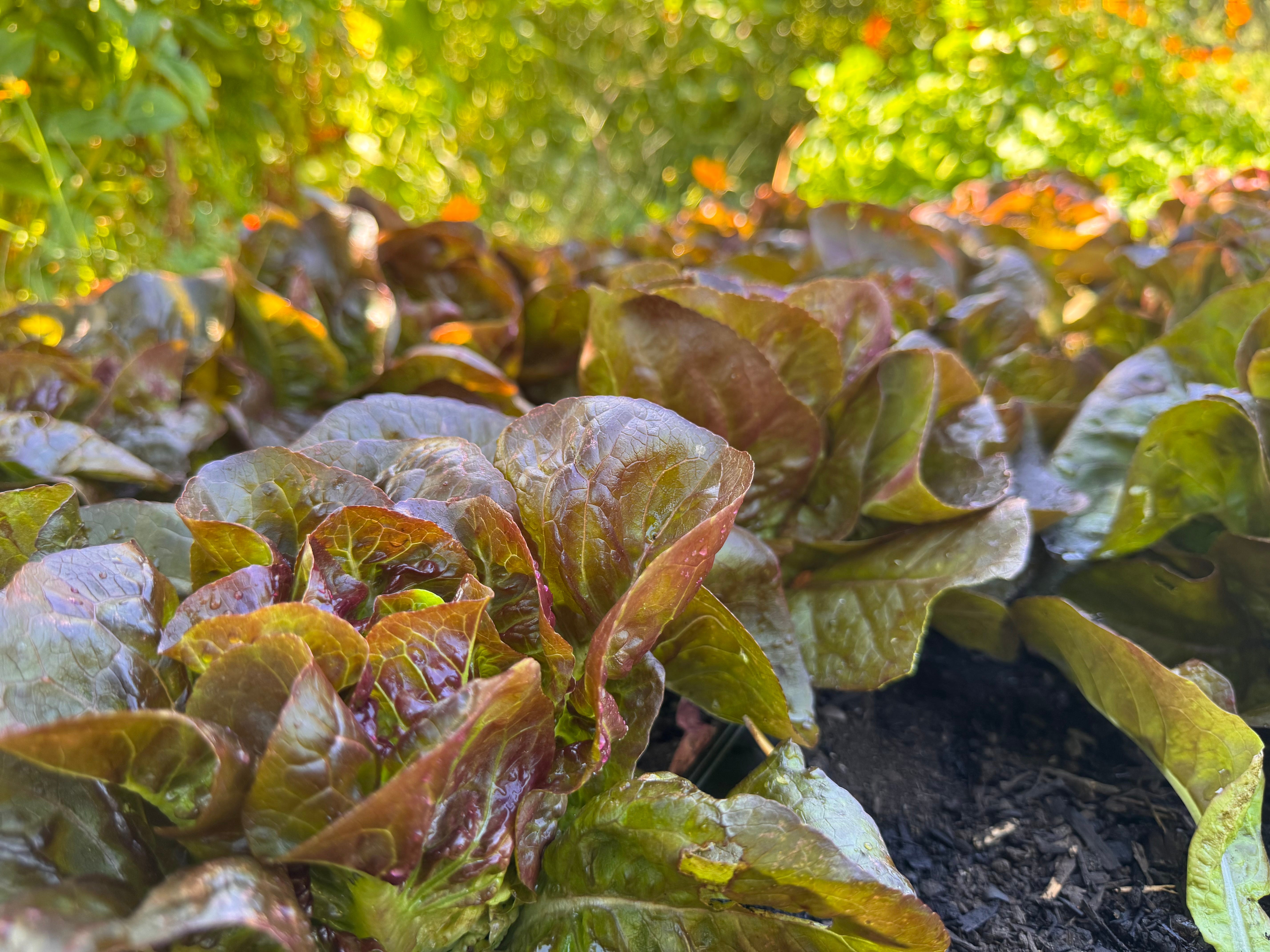
This week brings welcome relief to many summer vegetable gardens. After several days of triple-digit heat in some areas, forecast highs settling mostly into the 80s should help plants recover while warm soil continues fueling strong root growth. If you’ve been keeping your garden watered through the recent heat, expect another productive week of harvesting.
Harvest to Table’s Substack is a reader-supported publication. To receive new posts and support my work, consider becoming a free or paid subscriber.
Tomatoes, peppers, cucumbers, squash, beans, melons, eggplant, basil, okra, and sweet potatoes should all continue growing vigorously. Cooler afternoons will reduce stress on flowering vegetables, while nighttime temperatures in the mid-50s allow plants to replenish energy for another day of growth. Tomatoes should continue coloring quickly, peppers will begin sizing up after the recent heat, cucumbers and squash should remain highly productive, and basil will put on another flush of tender growth.
This remains an excellent week to sow another succession of bush beans, cucumbers, summer squash, basil, and sweet corn. Warm soil means seeds germinate quickly, giving gardeners an opportunity to extend harvests well into late summer.
One number, however, deserves your attention this week. Although the five-day average soil temperature has climbed to an ideal 79°F, soil moisture has fallen to just 14% VWC. That’s well below the range where most vegetables perform their best. Plants may still look healthy above ground, but many are now drawing on limited reserves of moisture below the surface. (Track your soil temperature and soil moisture, and be sure to see the Heat & Soil Gauge below.)
The focus this week is straightforward: water deeply before the soil becomes critically dry, keep mulch in place, harvest vegetables regularly, and continue doing major garden chores during the cool morning hours. Gardens that receive consistent moisture should continue producing heavily through the second half of July.
Warm soil continues to make this one of the best weeks of summer for succession planting.
Direct sow:
Bush beans
Pole beans
Cucumbers
Zucchini
Summer squash
Sweet corn
Southern peas (cowpeas)
Okra
Pumpkins
Melons
Armenian cucumbers
Malabar spinach
New Zealand spinach
Plant:
Basil transplants
Sweet potato slips
Water planting beds thoroughly before sowing seed.
Keep seedbeds consistently moist until seedlings emerge.
Sow during the morning or evening to reduce moisture loss.
Continue planting bush beans every two weeks for continuous harvests.
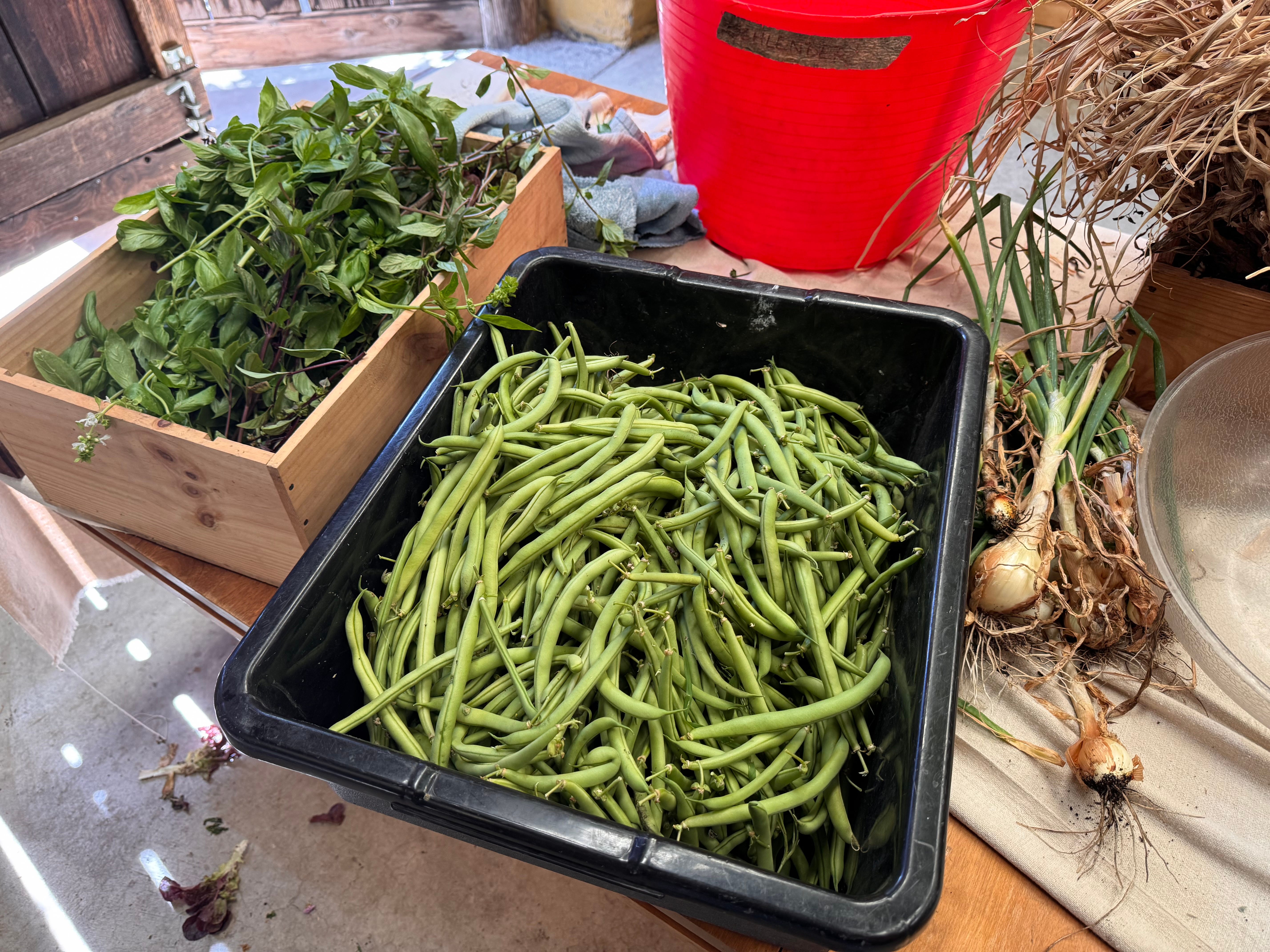
The summer harvest remains in full swing. Picking vegetables frequently encourages plants to continue flowering and producing.
Harvest as often as possible:
Zucchini
Cucumbers
Bush beans
Pole beans
Basil
Tomatoes
Peppers
Eggplant
Harvest during the cool morning hours whenever possible for the best flavor and longest storage life. Use pruners or scissors rather than pulling vegetables from the plant.
While your tomatoes, peppers, beans, and cucumbers are producing at their peak, now is the perfect time to begin planning the next season. Many of the vegetables you’ll harvest this autumn and winter—broccoli, cabbage, cauliflower, kale, carrots, beets, lettuce, spinach, and other cool-season crops—must be planted weeks before summer ends.
The best fall gardens aren’t planted after summer is over—they’re planned while summer harvests are still filling the kitchen. Spend a few minutes this week deciding what you’ll grow next, ordering seed if needed, and reviewing your planting schedule. When the time comes, you’ll be ready.
Start here:
This week’s garden challenge isn’t heat—it’s hidden drought stress.
Many tomato and pepper plants are carrying heavy crops while continuing to flower.
Watch for:
Blossom-end rot
Blossom drop
Smaller fruit size
Cracked fruit after heavy watering
Sunscald
Wilting during late afternoon
Although daytime temperatures are easing, the recent hot spell combined with very dry soil means many plants are still recovering. Avoid the temptation to overwater all at once. Instead, restore moisture gradually with deep, even irrigation.
These numbers are for my Sonoma garden. Be sure to track the numbers in your garden.
Soil Temperature: 79°F (five day average)
Excellent for warm-season vegetables.
Soil Moisture (VWC): 14% (What Is VWC and How to Measure It)
Extremely dry. Deep irrigation is now essential for maintaining production.
Forecast Highs: 80–89°F
Forecast Lows: 53–56°F
Growing conditions remain excellent above ground, but the soil has become the limiting factor. Gardens with consistent irrigation and a generous mulch layer should continue producing abundantly despite the unusually dry root zone.
Volumetric Water Content (VWC) measures how much water is stored in the root zone.
Most vegetables perform best between 25% and 35% VWC.
At 14%, nearly all vegetables are experiencing some degree of moisture stress, even if leaves remain green. Shallow-rooted crops, containers, recently transplanted vegetables, and newly seeded beds require especially close attention.
Read more at When to Water Your Garden: Understanding Soil Moisture and VWC Made Simple.
Think of soil temperature as the engine of your vegetable garden and soil moisture as the fuel.
This week, the engine is running almost perfectly.
At 79°F, warm-season vegetables grow rapidly, roots absorb nutrients efficiently, and beneficial soil organisms remain highly active.
The challenge is fuel.
With soil moisture now at only 14%, vegetables are using water faster than many gardens are replacing it. Even with cooler forecast temperatures, fruiting crops continue pulling large amounts of moisture from the soil each day.
The goal this week is maintaining steady moisture—not allowing the soil to swing from extremely dry to saturated.
Think of this as your garden’s weekly report card. It shows at a glance whether conditions are ideal for growth, whether it’s time to pay closer attention, or whether hot weather and dry soil are beginning to place crops under stress.
🟢 70–80°F — Ideal
🟡 80–85°F — Watch irrigation carefully
🔴 Above 85°F — Root stress increases
🟢 25–35% — Ideal
🟡 20–25% — Drying
🔴 Below 20% — Water stress becoming likely
Although this week’s forecast is cooler, brief spikes near 90°F can still slow some crops.
Tomatoes may reduce fruit set.
Beans may produce fewer blossoms.
Cucumbers may shed young fruit.
Lettuce bolts rapidly.
Squash may abort flowers.
Basil begins flowering sooner.
Peppers often pause before resuming production.
Fortunately, cool nights continue helping vegetables recover between hot afternoons.
Read more at The Complete Guide to Growing Vegetables in Extreme Heat.
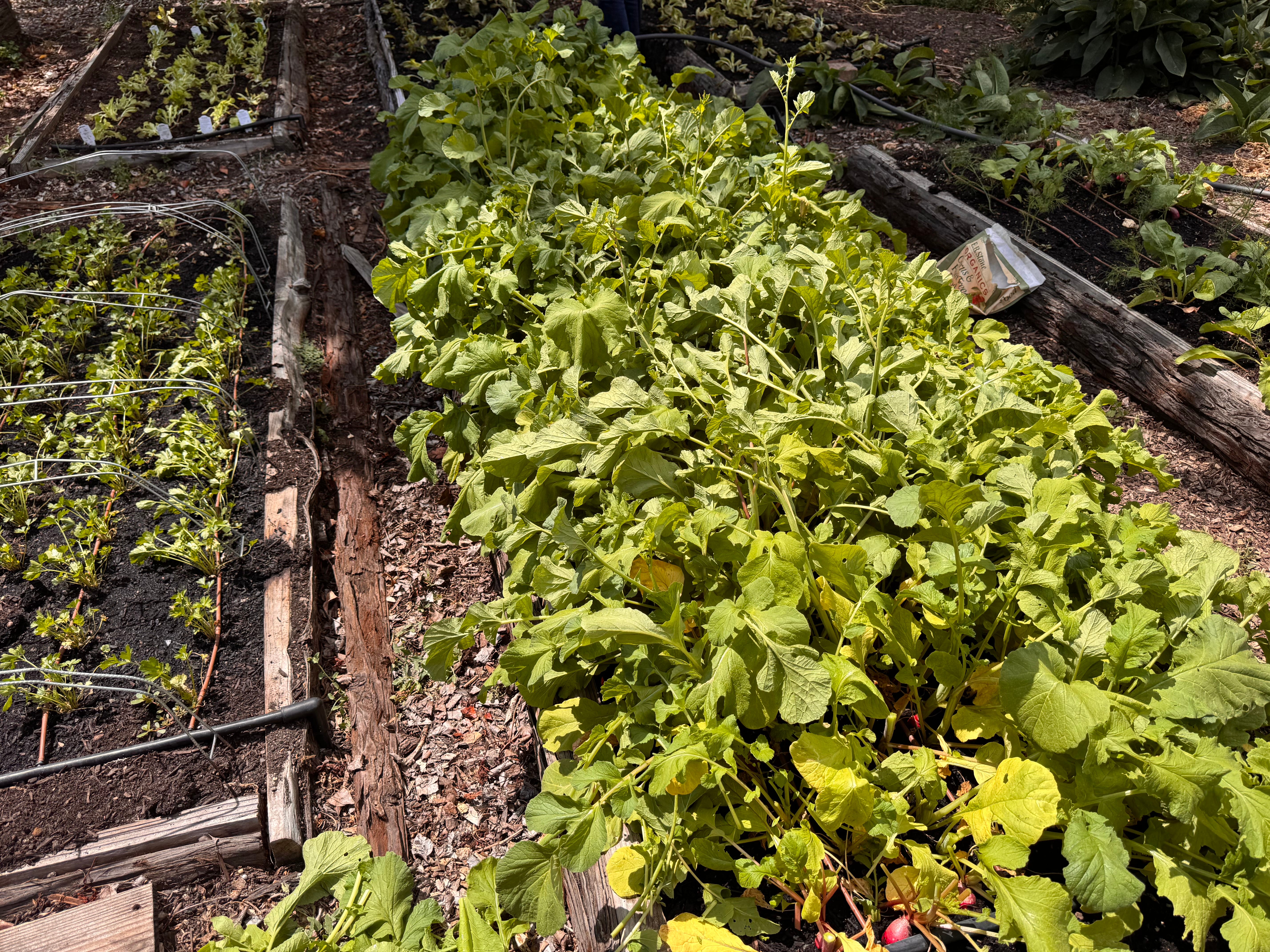
Water deeply and slowly.
Irrigate early in the morning.
Check moisture six inches below the surface.
Water containers once or twice daily as needed.
Inspect drip irrigation for clogged or broken emitters.
Maintain a 2- to 4-inch layer of:
Straw
Shredded leaves
Finished compost
Pine needles
Dried grass clippings
Mulch remains one of the most effective ways to conserve water, moderate soil temperature, suppress weeds, and feed beneficial soil life.
Don’t assume cooler weather means you can skip watering.
While air temperatures have moderated, warm soil continues drawing moisture from the root zone. Continue monitoring soil moisture rather than relying on the weather forecast alone.
Summer success now depends less on temperature than on moisture management.
Warm soil and cooler nights continue creating excellent growing conditions for tomatoes, peppers, beans, cucumbers, squash, melons, basil, and other summer vegetables. Your job is to maintain those favorable conditions below ground by watering deeply, preserving mulch, harvesting regularly, and preventing drought stress before it begins.
Protect the roots, and the harvest will follow.
If the forecast holds, soil temperatures should remain near 80°F while daytime highs stay comfortably below the extreme heat of recent weeks. Most warm-season vegetables should continue producing heavily. The biggest factor limiting production will remain soil moisture, making deep irrigation and mulch the two most important jobs in the vegetable garden.
When to Water Your Garden: Understanding Soil Moisture and VWC Made Simple
The Complete Guide to Growing Vegetables in Extreme Heat
Succession Planting Vegetables for Continuous Harvests
The Complete Guide to Fall Vegetable Gardening
Moisture Meter: Knowing exactly how much water your garden receives helps prevent both overwatering and underwatering.
Adjustable Watering Wand: Delivers a gentle shower for seedlings and newly planted successions while allowing deep watering around mature vegetables withut washing away soil.
Hose Timer or Smart Irrigation Timer: Automates early-morning watering—the best time to irrigate during hot weather—and helps maintain consistent soil moisture.
My books provide detailed guidance to support this weekly Blueprint, showing you exactly how to sow, transplant, and care for your garden each week.
The Vegetable Garden Grower’s Guide is a practical handbook for growing vegetables from planting to harvest. It covers soil preparation, planting times, crop care, and troubleshooting common problems—everything you need to grow a productive vegetable garden.
Vegetable Garden Almanac & Planner is designed to sit beside you through the gardening year. It helps you track planting dates, garden tasks, weather patterns, and harvests so you can learn from each season and improve the next.
Many gardeners like to use the two together: the Grower’s Guide for how to grow each crop, and the Almanac & Planner for keeping track of what’s happening in their own garden.
If you’d like to learn more, you can find both books here:
The Vegetable Garden Grower’s Guide
Vegetable Garden Almanac & Planner
For step-by-step guidance, visit the Harvest to Table YouTube Channel, where you’ll find more than 60 videos showing how to grow nearly every vegetable—from seed planting to harvest.
No posts
Comments
Nothing yet. Say the first thing.
Sign in to join the conversation.