
Field Notes — Stephen Albert, in the Sonoma Garden
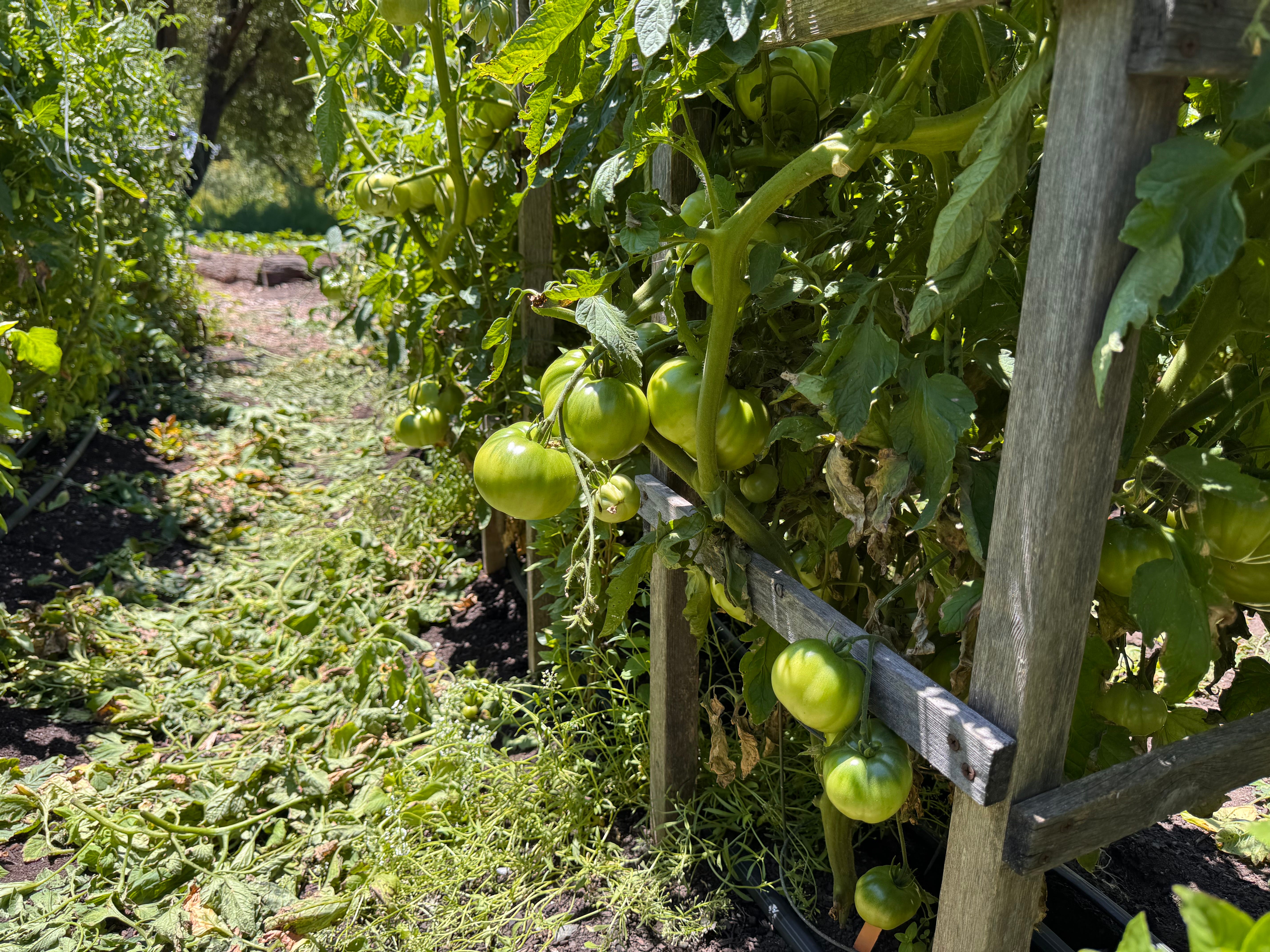
Summer gardens are entering one of the most productive weeks of the season.
If you’re growing tomatoes, peppers, cucumbers, beans, squash, melons, basil, eggplant, or sweet potatoes, conditions remain highly favorable for steady growth and abundant harvests. Warm soil continues to fuel rapid root growth, while comfortably cool nights give plants time to recover from the afternoon heat. Expect tomatoes to color more quickly, cucumbers and squash to produce heavily, beans to keep flowering, and basil to put on lush new growth.
This is also an excellent week to sow another round of bush beans, cucumbers, summer squash, basil, and sweet corn for succession harvests later this summer.
Behind these favorable growing conditions, the garden is entering a different phase of the season. The five-day average soil temperature here in Sonoma is 74.3°F—nearly ideal for warm-season vegetables—but soil moisture has continued to decline. Volumetric Water Content (VWC) now measures 18%, meaning the soil is drying faster than many gardens are being replenished. (Track your soil temperature and soil moisture and be sure to see the Heat & Soil Gauge below.)
Most vegetables will continue to perform beautifully this week if moisture remains consistent. Without regular watering, however, plants may begin showing hidden stress through blossom drop, uneven fruit development, slower growth, or reduced harvests.
The focus for the coming week is simple: keep the soil evenly moist, replenish mulch where it has thinned, harvest vegetables regularly to encourage continued production, and save pruning or other major garden chores for the cooler morning hours. Do that, and your garden should continue delivering one of its most productive periods of the summer.
Warm soil continues to make this an excellent week for succession planting. Gardeners who sow now can keep the harvest coming well into late summer and early autumn.
Direct sow:
Bush beans
Pole beans
Cucumbers
Zucchini
Summer squash
Sweet corn
Southern peas (cowpeas)
Okra
Pumpkins
Melons
Armenian cucumbers
Malabar spinach
New Zealand spinach
Plant:
Basil transplants
Sweet potato slips
Water seed furrows before sowing.
Keep seedbeds evenly moist until seedlings emerge.
Sow seeds during the morning or evening whenever possible.
Continue planting bush beans every two weeks for continuous harvests.
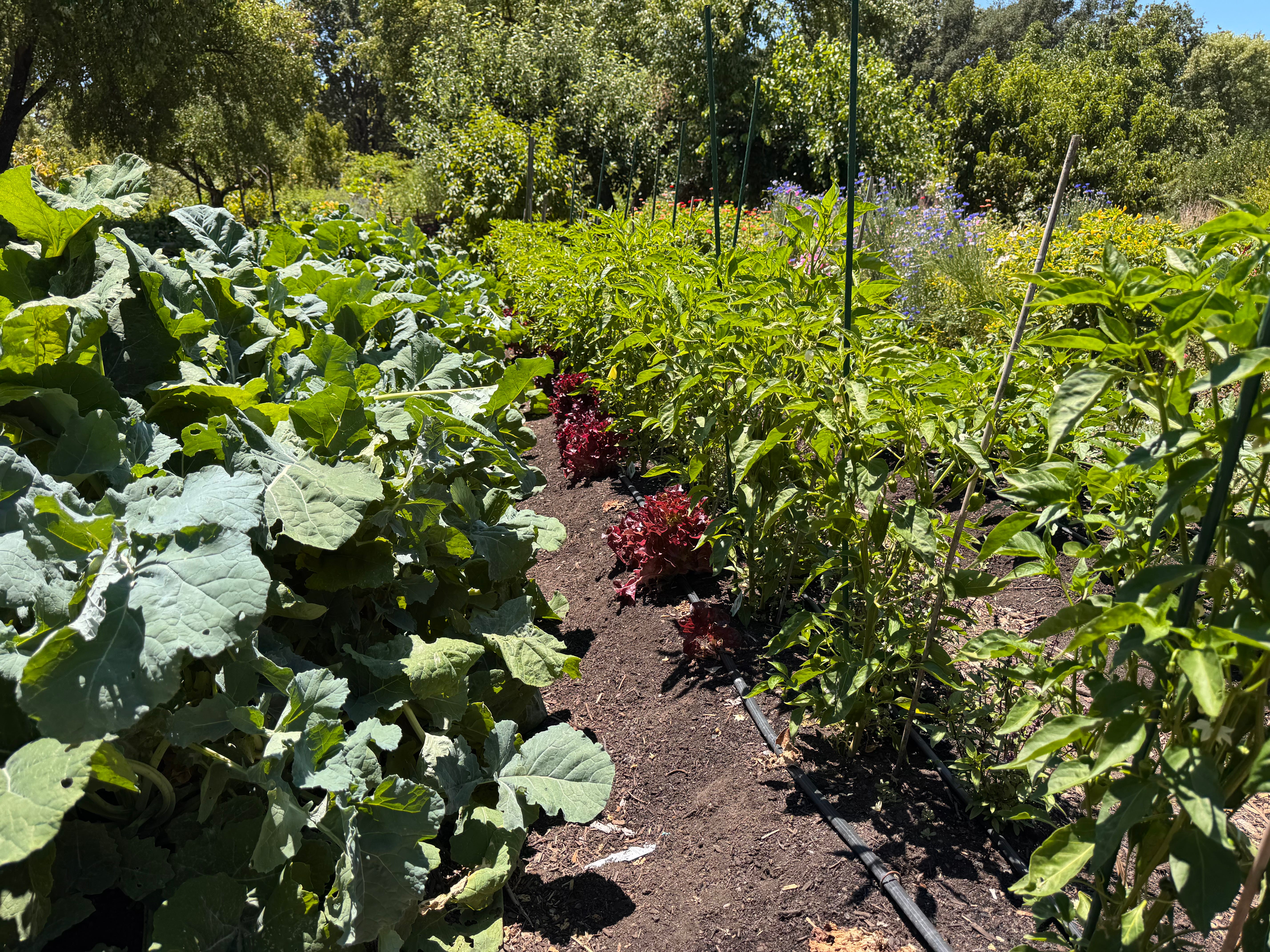
Many warm-season vegetables are entering peak production. Frequent harvesting keeps plants productive by encouraging new flowers and fruit.
Harvest as often as possible:
Zucchini
Cucumbers
Bush beans
Pole beans
Basil
Tomatoes
Peppers
For the best flavor and longest storage, harvest during the cool morning hours. Use hand pruners or scissors rather than pulling vegetables from the plant.
This week’s focus isn’t on encouraging faster growth—it’s on protecting the harvest you’ve already worked to produce.
Tomatoes and peppers are carrying heavier fruit loads while continuing to flower.
Watch for:
Blossom-end rot
Blossom drop
Cracked fruit
Overloaded branches
Sunscald
Dense foliage restricting airflow
Some blossom drop during afternoons above 90°F is perfectly normal. Fortunately, the forecast continues to include cool nights, allowing plants to recover and resume flowering as temperatures moderate.
The best protection remains remarkably simple: maintain even soil moisture, mulch the root zone, and harvest ripe fruit promptly.
These numbers are for my Sonoma garden. Be sure to track the numbers in your garden.
Soil Temperature: 74.3°F
Excellent for warm-season vegetables.
Soil Moisture (VWC): 18%
Below the ideal range. Irrigation is now becoming the key factor in maintaining production.
Forecast Highs: 87–95°F
Forecast Lows: 54–58°F
The growing season has entered its summer management phase.
Warm soil continues driving vigorous growth, but soil moisture has become the limiting factor. Gardens that receive consistent irrigation and maintain a generous mulch layer should continue producing heavily despite the heat.
Volumetric Water Content (VWC) measures how much water is stored in the root zone.
Most vegetables perform best between 25% and 35% VWC.
At 18%, deep-rooted crops can usually continue growing well, but shallow-rooted vegetables, containers, and newly seeded beds require closer attention.
Read more at When to Water Your Garden: Understanding Soil Moisture and VWC Made Simple.
Think of soil temperature as the engine of your vegetable garden and soil moisture as the fuel.
The engine is running beautifully.
At 74°F, roots absorb nutrients efficiently, beneficial microbes remain highly active, and warm-season vegetables continue growing near their peak potential.
The challenge this week is replacing water as quickly as plants are using it.
Afternoon temperatures near 95°F increase transpiration, causing vegetables to lose moisture rapidly through their leaves while developing fruit continues demanding large amounts of water.
The goal is not simply watering—it’s maintaining consistent moisture from one irrigation to the next.
Think of this as your garden's weekly report card. It shows at a glance whether conditions are ideal for growth, whether it's time to pay closer attention, or whether hot weather and dry soil are beginning to place crops under stress.
🟢 70–80°F — Ideal
🟡 80–85°F — Watch irrigation carefully
🔴 Above 85°F — Root stress increases
🟢 25–35% — Ideal
🟡 20–25% — Drying
🔴 Below 20% — Water stress becoming likely
Expect some crops to temporarily slow production.
Tomatoes may reduce fruit set.
Beans may produce fewer blossoms.
Cucumbers may shed young fruit.
Lettuce bolts more rapidly.
Squash may abort flowers.
Basil begins flowering sooner.
Peppers often pause before resuming production.
Cool nights remain the reason many summer gardens continue producing well despite hot afternoons.
Read more at The Complete Guide to Growing Vegetables in Extreme Heat.
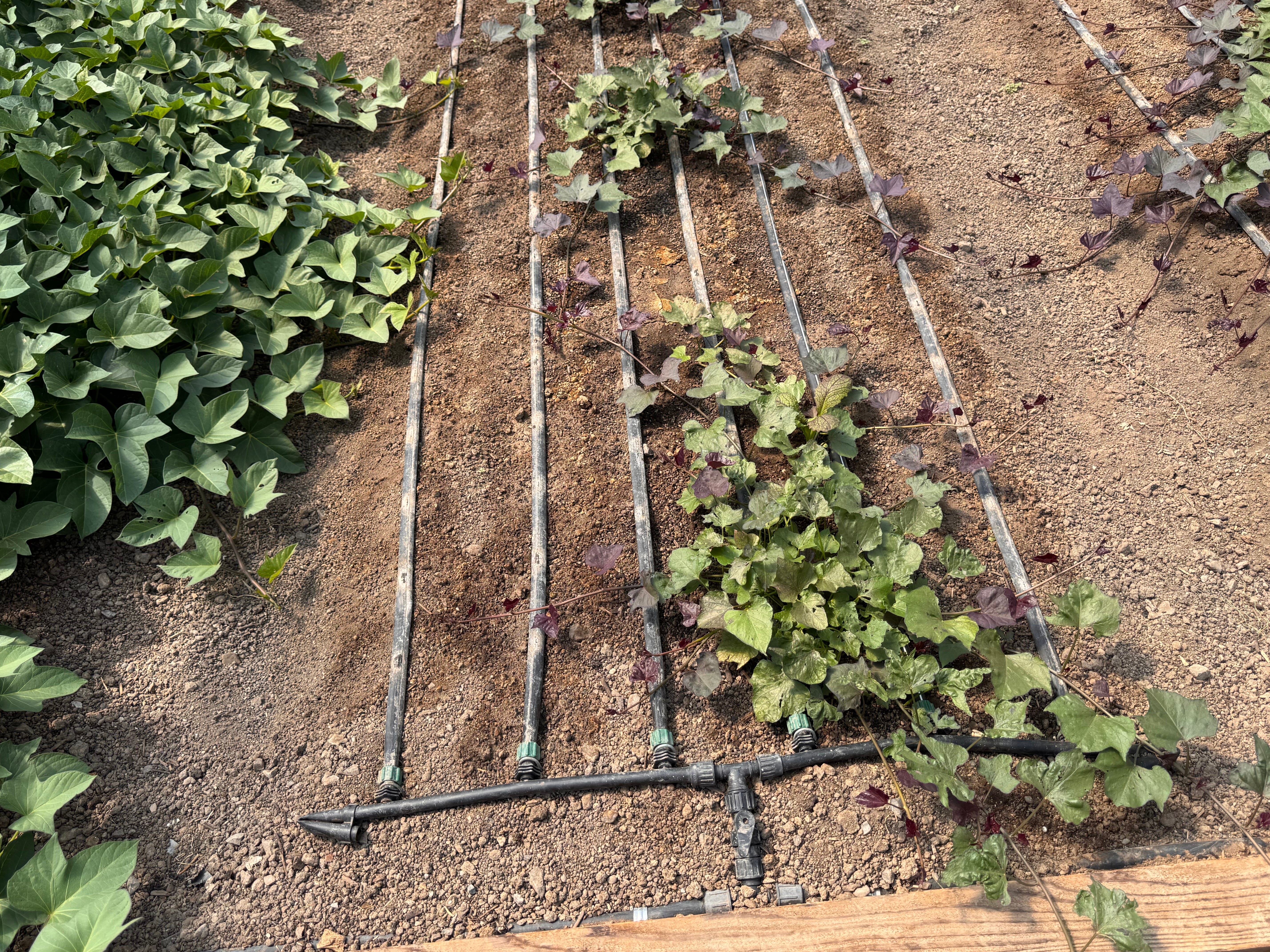
Water deeply rather than frequently.
Irrigate early in the morning.
Check soil moisture six inches below the surface.
Inspect containers morning and evening.
Repair drip emitters if needed.
Maintain a 2- to 4-inch layer of:
Straw
Shredded leaves
Finished compost
Pine needles
Dried grass clippings
Mulch conserves moisture, cools the soil, suppresses weeds, feeds beneficial microbes, and reduces irrigation needs.
Don’t wait for vegetables to wilt before watering.
Wilting is a sign plants have already experienced stress.
Instead, monitor the root zone and irrigate before moisture becomes limiting.
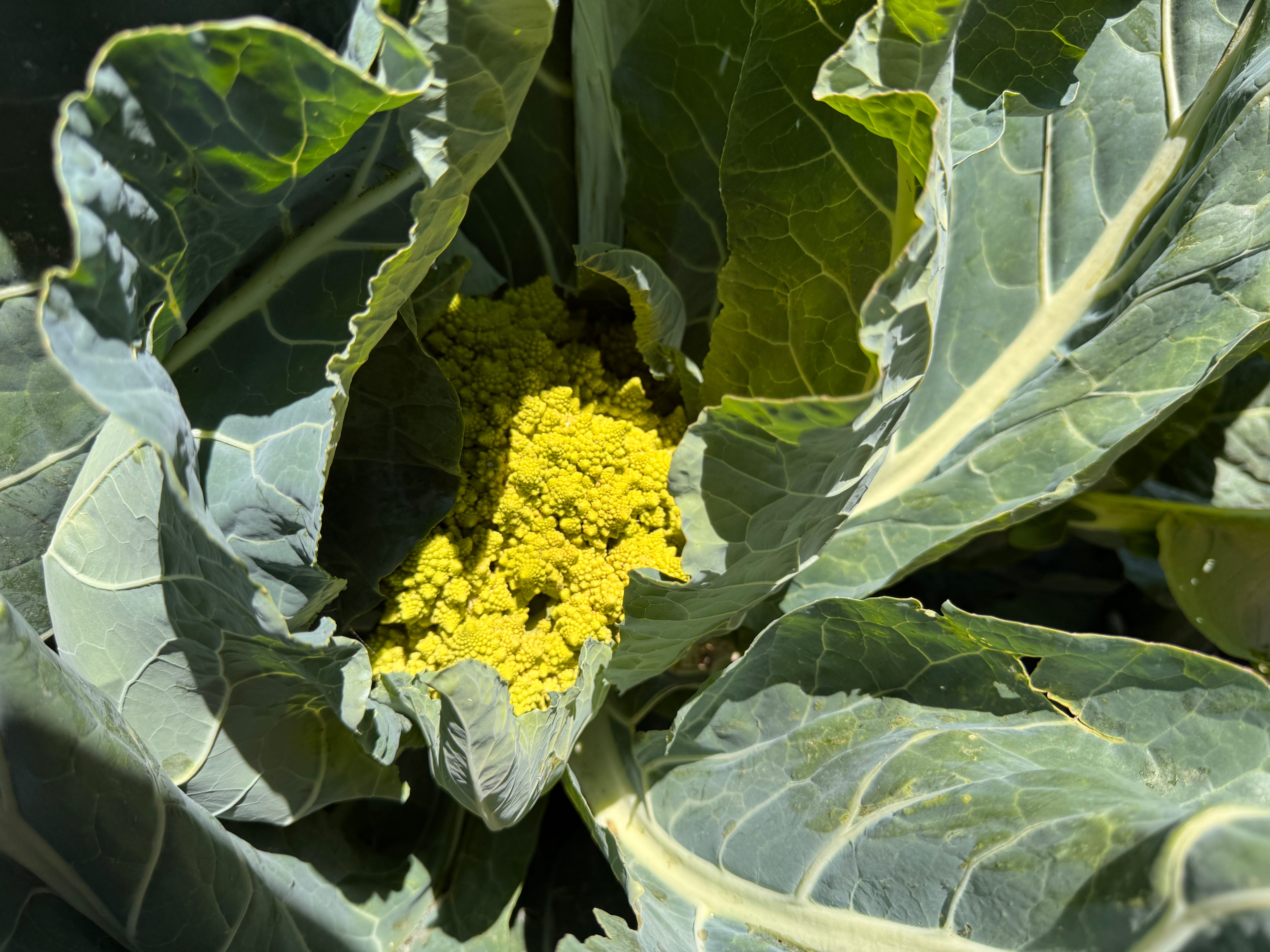
Summer isn’t slowing your vegetable garden—it is changing how you manage it.
Warm soil and cool nights continue providing excellent growing conditions. Your role now is to protect those favorable conditions by keeping moisture consistent, maintaining mulch, harvesting frequently, and avoiding unnecessary stress during the hottest part of the day.
Do those few things well, and your tomatoes, peppers, beans, cucumbers, squash, melons, and basil should continue producing abundantly through the hottest weeks of July and into August.
Looking Ahead: If the forecast holds, soil temperatures should remain in the mid-70s while daytime highs continue in the upper 80s to mid-90s. Expect tomatoes, peppers, melons, and basil to remain highly productive. Watering and mulching will continue to be the two most important jobs in the vegetable garden.
Rather than generic tools, recommend tools that solve this week’s gardening challenges.
🌡️ Soil Thermometer
The simplest way to know when conditions are ideal for planting and how quickly summer soil is warming.
💧 Soil Moisture Meter
Take the guesswork out of watering by checking moisture in the root zone before irrigating.
🚿 Drip Irrigation Kit or Soaker Hose
Delivers water slowly where plants need it most while reducing evaporation during hot weather.
My books provide detailed guidance to support this weekly Blueprint, showing you exactly how to sow, transplant, and care for your garden each week.
The Vegetable Garden Grower’s Guide is a practical handbook for growing vegetables from planting to harvest. It covers soil preparation, planting times, crop care, and troubleshooting common problems—everything you need to grow a productive vegetable garden.
Vegetable Garden Almanac & Planner is designed to sit beside you through the gardening year. It helps you track planting dates, garden tasks, weather patterns, and harvests so you can learn from each season and improve the next.
Many gardeners like to use the two together: the Grower’s Guide for how to grow each crop, and the Almanac & Planner for keeping track of what’s happening in their own garden.
If you’d like to learn more, you can find both books here:
The Vegetable Garden Grower’s Guide
Vegetable Garden Almanac & Planner
For step-by-step guidance, visit the Harvest to Table YouTube Channel, where you’ll find more than 60 videos showing how to grow nearly every vegetable—from seed planting to harvest.
No posts
Comments
Nothing yet. Say the first thing.
Sign in to join the conversation.