
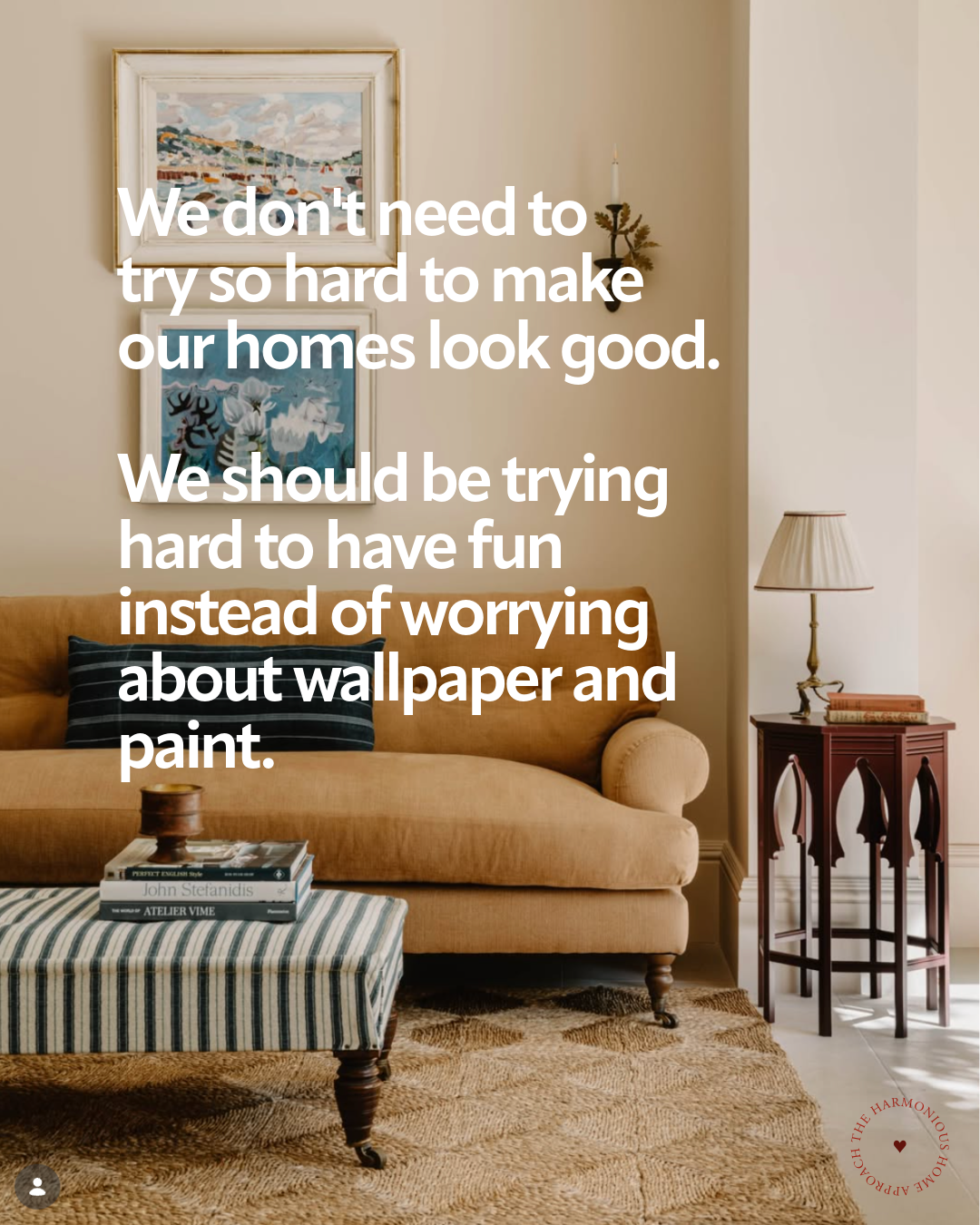
Interior design content has lost the plot. Completely delulu, and we drink it all in. Every styled, edited, controlled, perfect image, thinking it’s normal, thinking that’s what homes look like, what my home should look like.
Thinking that top-to-bottom home renovations are normal. Schemes for every single room, made up of little swatches of £180-a-metre fabrics and £130-a-roll wallpaper all placed in matching trays. Custom cabinetry. Custom sofas. Custom curtains. Bespoke kitchens. Imported Italian tiles. Designer paint. Designer light switches. Designer taps. Designer lights. Designer hardware. Marble everywhere. All while renting a gorgeous little four-bedroom cottage just around the corner.
This. is. not. normal.
Most of the homes I’ve been invited into, either friends, family or clients, have been normal average homes. The odd few stand out from the rest, but most are just lovely normal homes. Completely different to the homes I see in magazines, social media, and interior books. But let's be honest, it’s not just the fresh paint and plumped cushions that make them look good; it’s the architecture and details of the home that really help make the decor look extra lovely.
No interior designer is showing their latest project of a semi-detached without original cornicing, an average-height ceiling, and a view of the neighbours’ bins through the standard-sized UPVC windows. Along with clever editing of the pictures, they’re also cleverly editing which homes they show us, but believe me, there are plenty of interior designers who take on ‘normal home’ projects; we just don’t see them.
Which adds to our distorted view of what a normal home looks like, so when we see a gorgeous image we think it’s possible for everyone. It’s only when we get the quotes back that we realise it is not. And unless we up our DIY skills, the built-in bunk beds just ain’t happenin’. Sorry kids, the IKEA beds are staying.
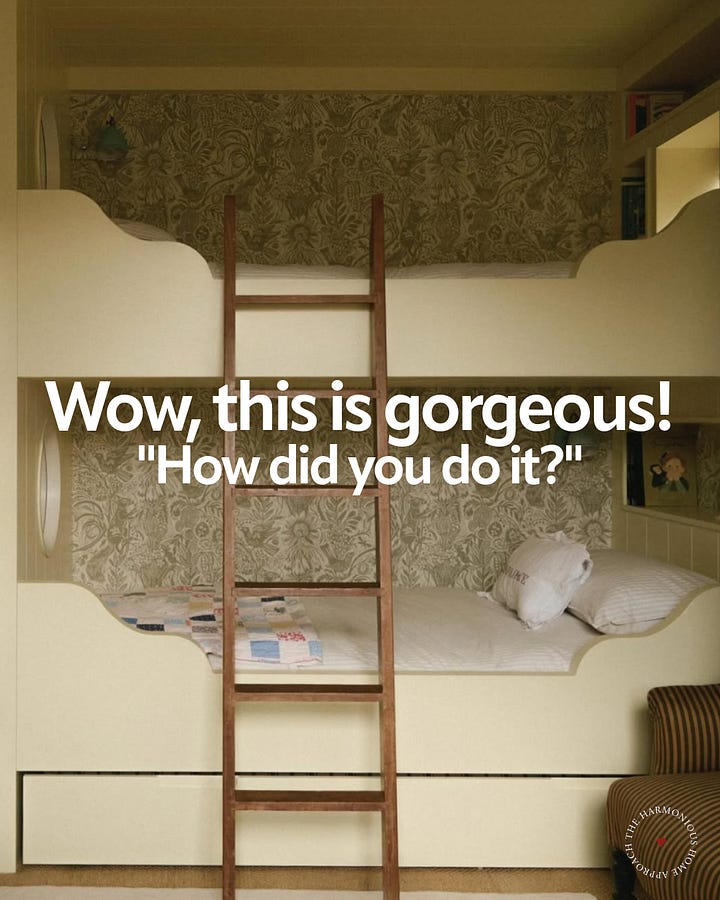
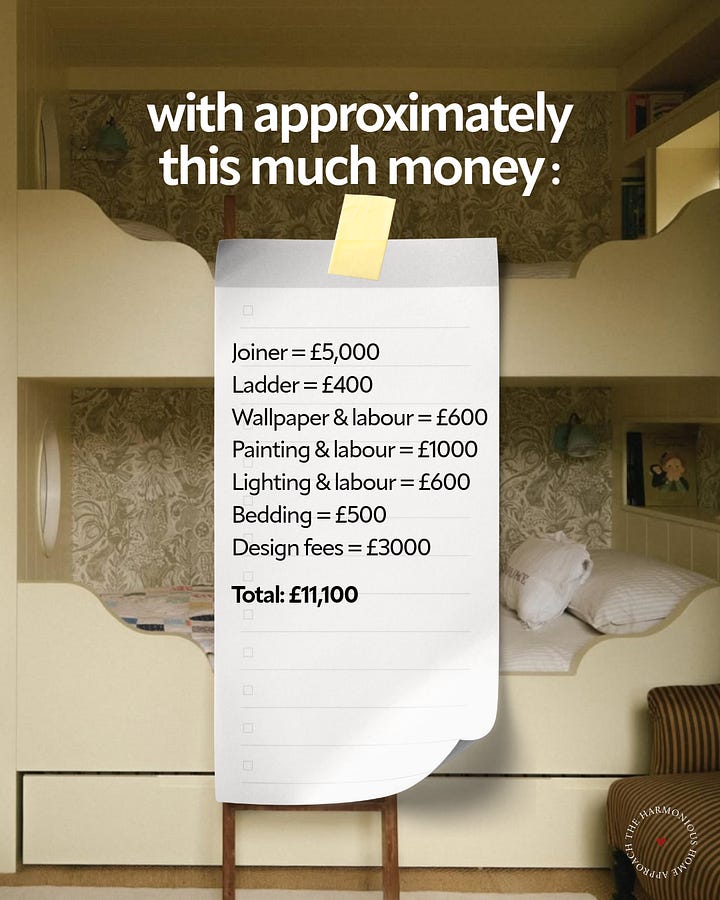
I’m not saying we shouldn’t decorate our homes, but maybe we can give ourselves a break and ignore the ridiculously expensive and hard-to-achieve standards set for the privileged few.
Back in 2019, when I was looking to buy a house, I viewed a gorgeous Georgian townhouse. It was being used as commercial offices but had planning permission to revert to a home. We didn’t buy it as it needed too much work; we did, however, buy another home not too far away, which meant that as I walked the kids to school, I passed it. A young family of three, nearly four as the mum was pregnant, bought it and moved in, in its current state.
Over the years, there have been various skips and trade vans parked outside, and I started following her on Instagram ( I know how this all sounds!), watching each part of the renovation unfold through her posts. Yesterday she shared a picture of the latest room completed. Seven years after buying the house, she is still knee-deep in her renovation, with plenty more jobs left on the to-do list.
Her latest picture was of her daughter’s room, with the obligatory floral wallpaper, painted trim, a custom blind, sisal carpet and a built-in wardrobe with Matilda Goad handles all proudly revealed with stills and a walk-through video.
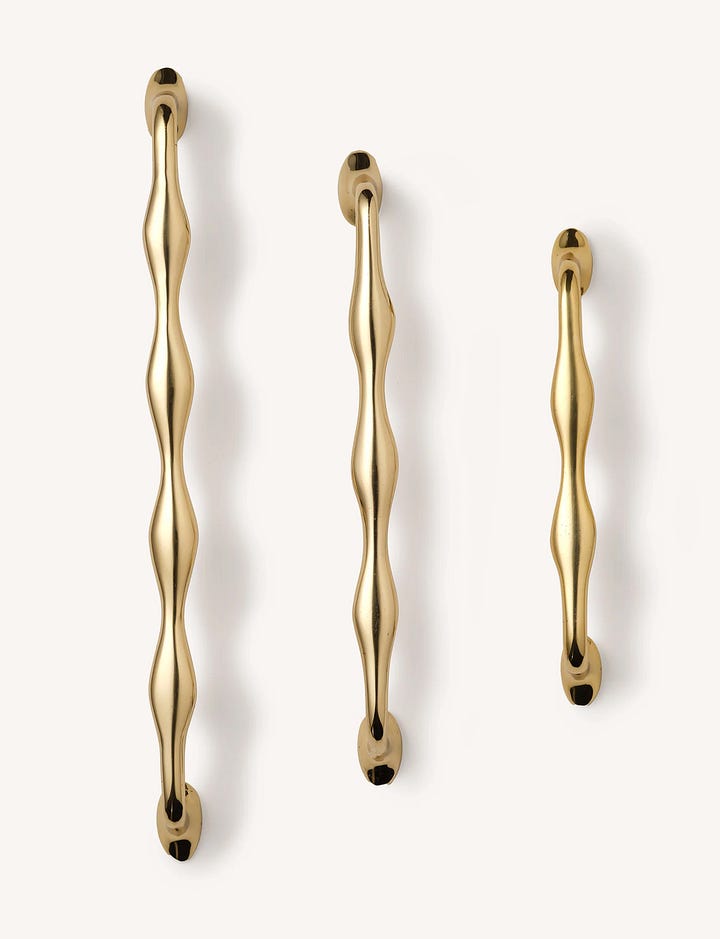
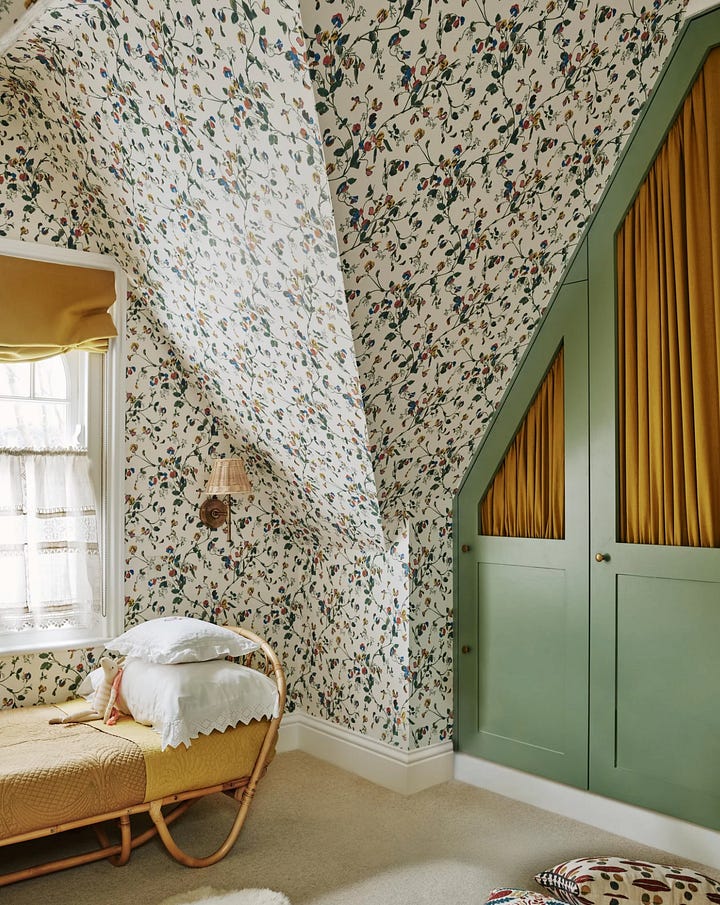
They are a young family of four, which brings enough costs just living the day-to-day. I can only imagine how hard they needed to work and what sacrifices needed to happen to afford to decorate even just this one room. Costs can add up quickly, especially when you use designer products: the Sweet Pea Wallpaper by Cole & Son is £145 per roll, and the Mylands by Beata Heuman paint costs £120 for a 5-litre tin, and the Matilda Goad handles are £46 each.
Seven years to get to this point, and her daughter, who is most likely eight or nine years old, will be hitting the tween years. She’ll be wanting to feel more grown up and flex her individuality muscle soon, and I’m not sure how long the floral wallpaper will last before it’s deemed babyish, uncool and replaced with fairy lights and posters instead.
Some call this ‘slow decorating’ to make themselves feel better, but I think it’s more ‘stop-start’ decorating. Start when you can afford it, then stop when you can’t. The cycle goes on for years, but it means home never feels finished, or a place to fully relax, because the nagging voice in your head to replace the pink carpet kindly left from the previous owners, or the dodgy kitchen drawer front you need to bang back on every time you use it, is there constantly reminding you of what’s left to do. Home becomes a source of stress instead of somewhere to have fun.
There’s the quote: you only have eighteen summers with your children. I think of this all the time when I see anyone with a young family wanting to renovate or build a home, as it makes me a little anxious for them. The reality is you have all the summers with your children, but you only have about fourteen when they’re little, when they need you and are around all the time. Because as teenagers over the summer they don’t need you so much; they are either sleeping or out with their friends. The time with babies in nappies running around the garden, or sticky faces from ice lollies, is so short, and I’m not sure, alongside enjoying those precious years, anyone needs the stress of renovation money worries or endless time-consuming decisions for a bedroom a child will grow out of sooner than the credit card bill is paid.
I speak from experience, taking years and thousands of pounds to renovate my mid-century bungalow, only to sell it six months after it was all finished.

The happiest and least stressful time was before the renovation, living with what the house already had to offer. Time and spare cash. It was my inspiration folder that urged me to knock walls down and make it bigger. My kids didn’t need it, the house didn't need it, and our stress levels and bank balance didn’t need it either. Maybe it’s ego, or looking for validation and approval, but I happily shared every step of my renovation journey and reveals on Instagram.
So what do we do? We all deserve to love where we live, but I think knowing it is okay if our homes look like we designed them, and not a team of designers and stylists. It is okay not to buy designer paint or wallpaper. If your aim is to show the big reveal on Instagram, the question runs a little deeper: who are you making a home for? Who are you sacrificing your time and money for: your family or for likes?
What if the owner of the Georgian townhouse changed her expectations for herself and her home? She never shared any of her renovation journey on Instagram. Only bought things she could afford without having to save up. Get the decorating done so she could move on and enjoy her family instead of losing precious time choosing samples and deciding which room to paint what colour.
Maybe painting your house one colour in the cheaper non-branded paint isn’t so bad, because it means you can buy the big tins of paint and if you’re using a decorator there is no need to keep cleaning brushes, which reduces labour costs. Maybe we don’t wallpaper and put pictures up instead, which are far easier to change. Maybe we don’t need a built-in wardrobe and an FB Marketplace find does the job, with the bonus you can take it with you if you move. Maybe we choose off-the-peg curtains or blinds instead to save money and eliminate hours of going through a million swatches. Maybe we never replace the kitchen. Maybe we put a rug over the pink carpet.
Sacrificing your life to make a carefully edited fake version won’t make anyone happy, and there are easier ways to make home a happy place to live. But the hardest decision to make is being ok with that.
Thank you for reading!
Claire x
I’d be so happy if you tapped the little ♥️, left a comment, or shared it with someone who might like it too. And don’t forget to subscribe if you haven’t already, so you don’t miss future posts.
Comments
Nothing yet. Say the first thing.
Sign in to join the conversation.