
The workers’ union IF Metall concedes defeat in the nearly three-year long industrial conflict and strike against Tesla.
‘We lost this fight’, said Marie Nilsson, President of IF Metall in a statement aired by public service channel SVT. She explains that the conflict is no longer viable because Tesla has taken the—for Sweden—highly unusuall step to buy out all union members from their employment contracts.
It means Tesla has paid them [the union members] a certain amount of money to quit their job an move on. It’s not uncommon for that to happen in working life, terminating contracts with a compensation worth a certain number of monthly wages. But this is quite startling, to apply this measure to all members of the workers’ union.
Clearly, it is saddening, and we must call a spade a spade: We lost this fight, but it does not mean that we do not think that Tesla must have a collective agreement in the future. It should prevail that 'the Swedish model’ with collective bargaining on the workplace will continue. And we will not hesitate to take on strife for that in cases when it turns up, but this conflict with Tesla in Sweden we have finished it now, anyway.
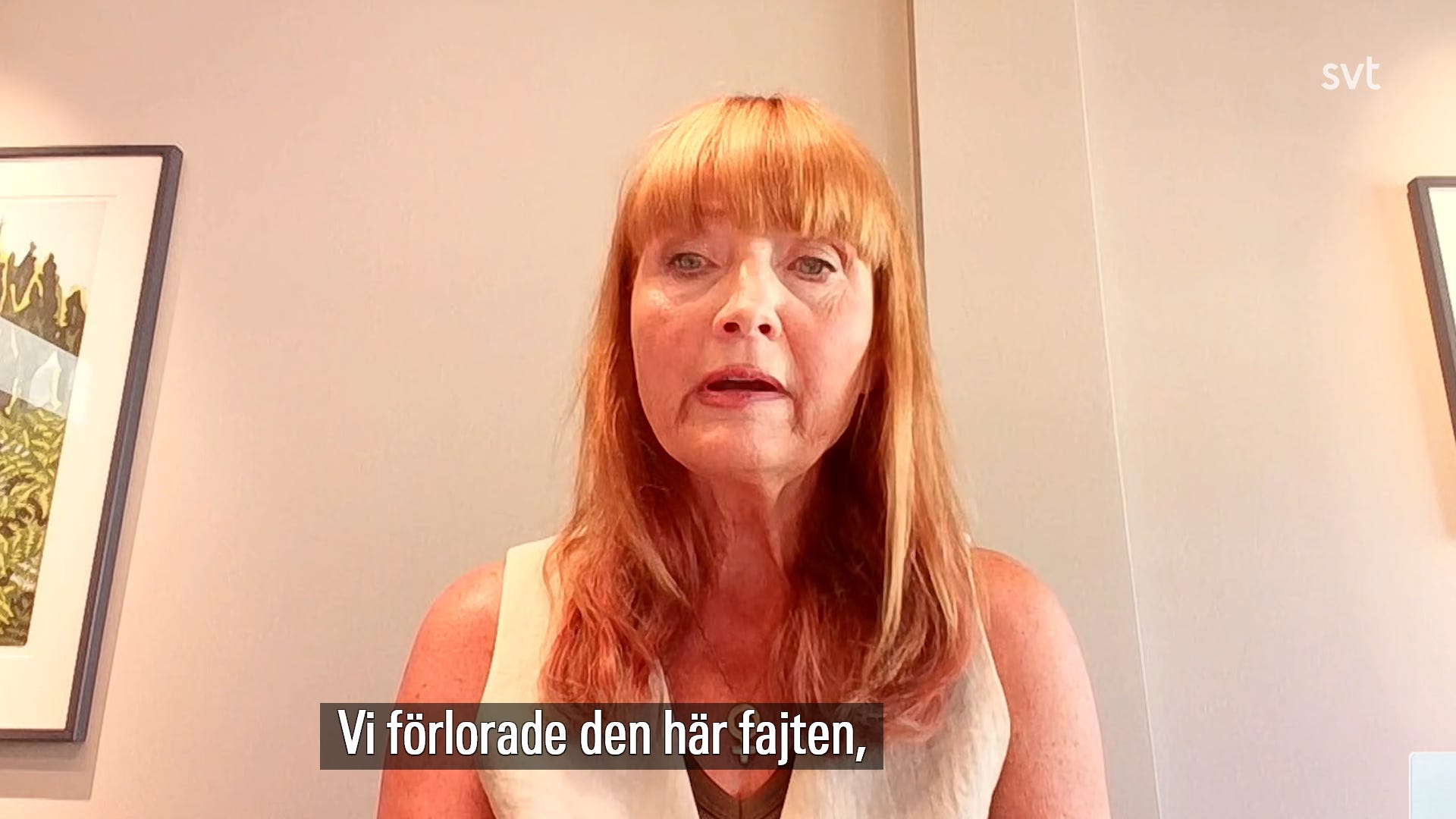
Marie Nilsson, President of IF Metall. Photo: Still from SVT
In a statement to the media, the union’s contract secretary Simon Petersson said that
We can conclude that Tesla is so strongly opposed to collective agreements that they would rather buy out employees who are members of the union than give them safe conditions. This is unprecedented in the Swedish labor market.
Elon Musk, CEO of Tesla, earlier on in the conflict called the situation in Sweden ‘crazy’. According to media sources, the number of people directly affected by Tesla’s measure amounts to about 80 people. A number twice as high was mentioned earlier on in the conflict, but we may assume that there has been some attrition since October 2023. In the end, the conflict of attrition was won by the company.
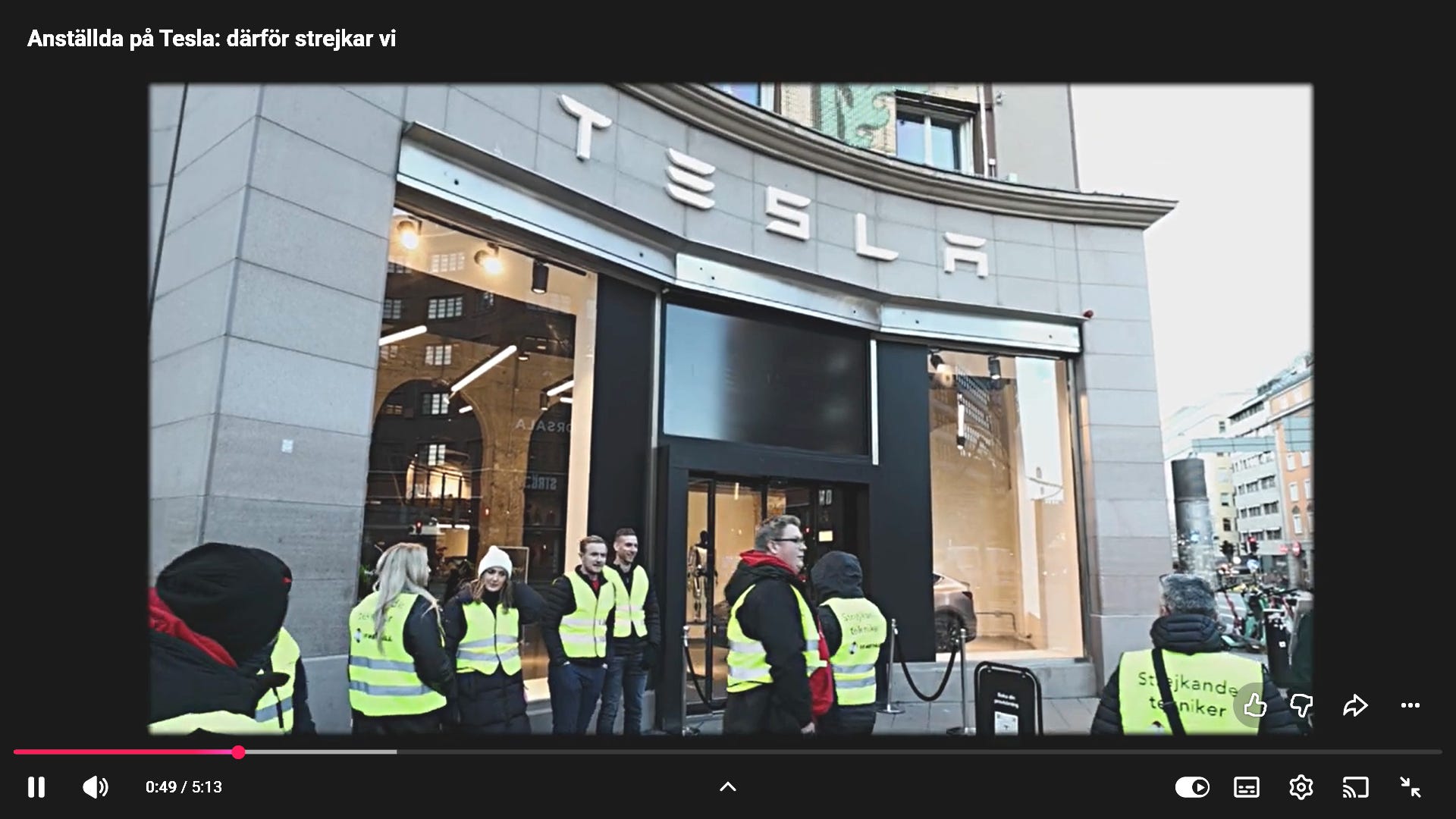
Picket line at a Tesla showroom in Sweden. Photo: IF Metall
The fact of the matter is that Tesla in Sweden is limited to an import, sales and service organization. The only production facility in Europe is the one in Germany, which has also been hit by conflict but seems now to be back on a growth track.
At the same time, Tesla’s Berlin-Brandenburg Gigafactory has announced that it will ramp up production by 20%, increasing total to 7,500 vehicles per week from October. This is due to a recovery of demand in Europe. The expansion includes hiring over 1,000 new staff and boosting battery-cell capacity, according to press reports.
In March, the workers’ union IG Metall suffered another clear defeat in its effort to regain the majority at the works council elections for the Tesla Gigafactory in Grünheide. The union won 13 of the 37 seats. The Giga United list, an alliance of numerous groups, will again hold the chairmanship of the works council. The approximately 11,000 employees at the factory have endured weeks of tough internal struggles, which intensified as the works council election approached.
Christiane Benner, First Chairwoman of IG Metall said in the press release
Second strongest force – that’s an absolutely respectable result after a tough election campaign waged with dirty tactics by employers! My sincere thanks and respect go to Laura and Philipp from the IG Metall list Tesla Workers GFBB. I am convinced that they will dedicate all their energy to advocating for local employees and better, fairer working conditions, even under adverse circumstances.
The resistance, hostility, and implicit threats from employers that characterized this election campaign should serve as a warning to us all about the immense pressure union work is under. More effective legal measures against union busting are urgently needed. If democracy in the workplace is weakened, it will have unpleasant consequences for democracy in society as a whole.
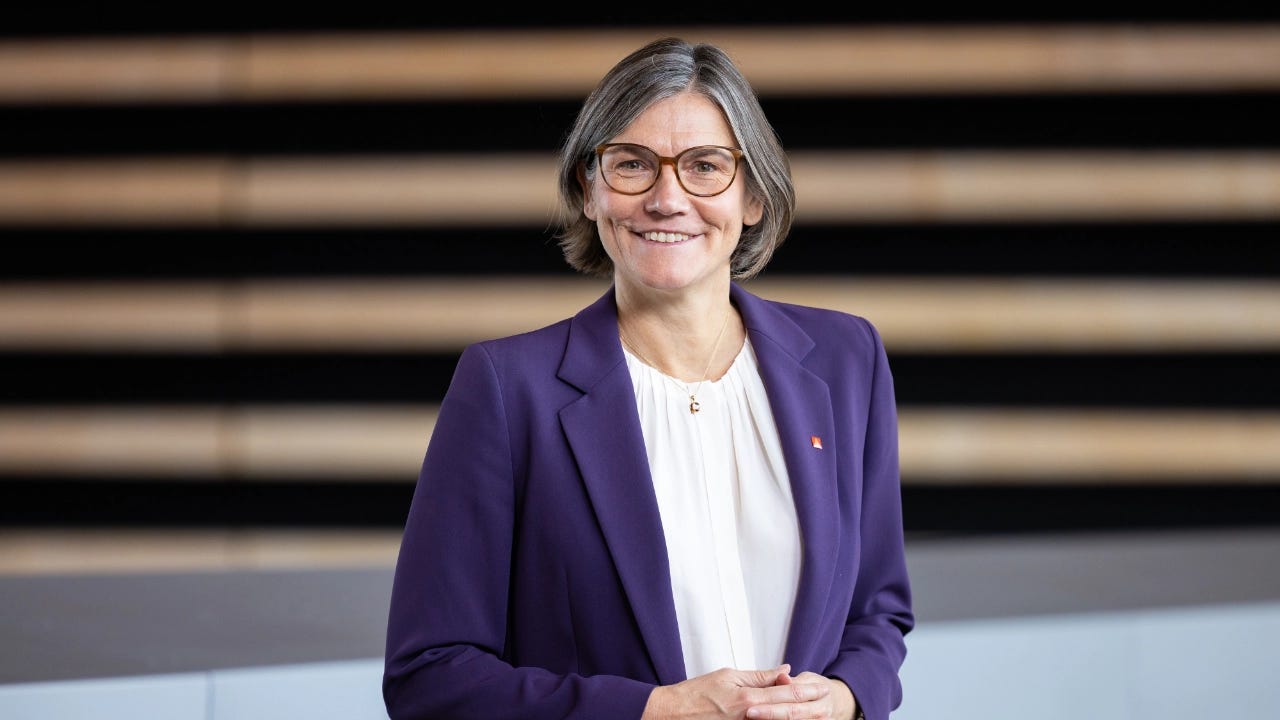
Christiane Benner, First Chairwoman of IG Metall. Photo: IG Metall / Lando Hass
Comments
Nothing yet. Say the first thing.
Sign in to join the conversation.