
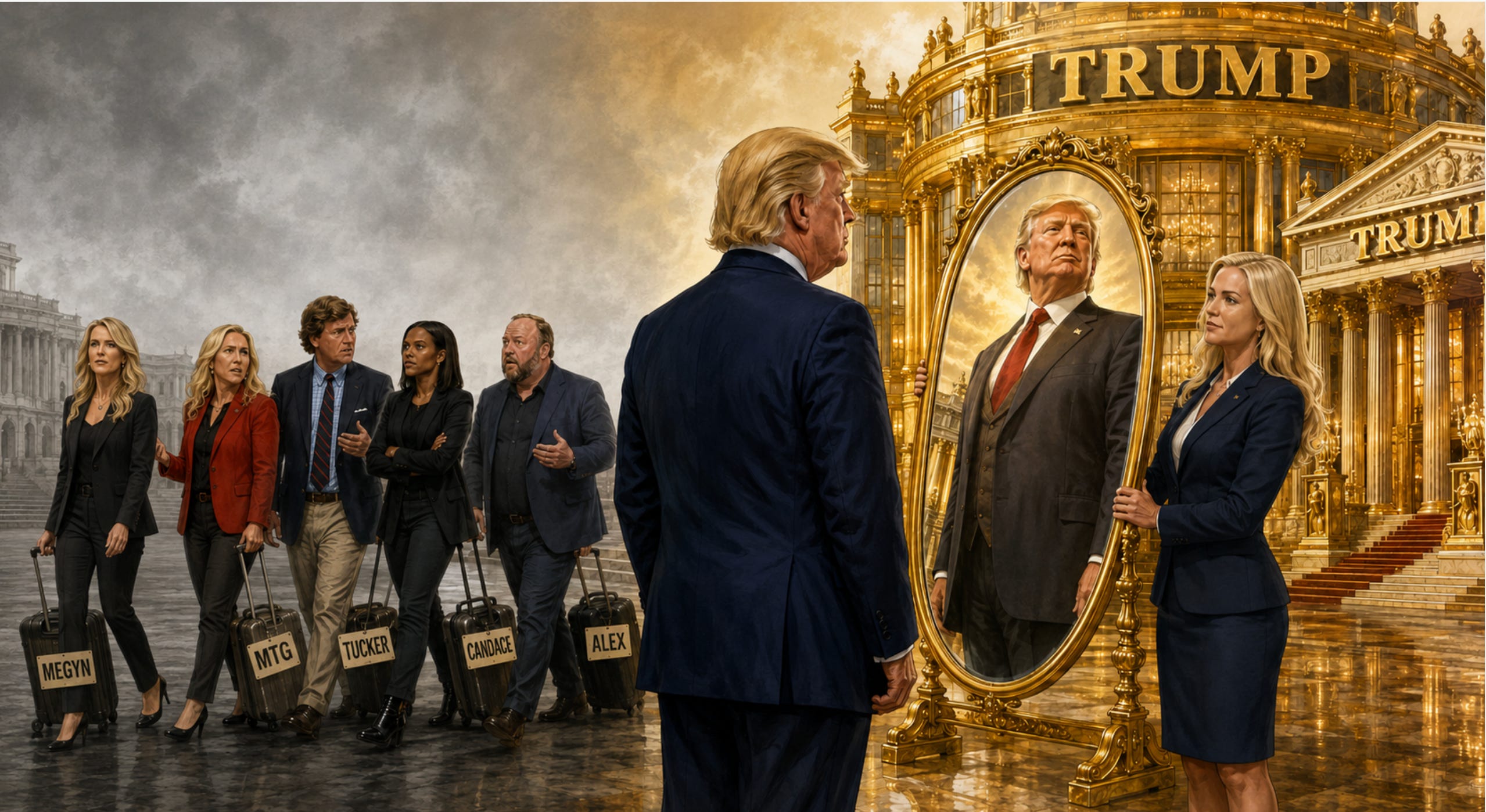
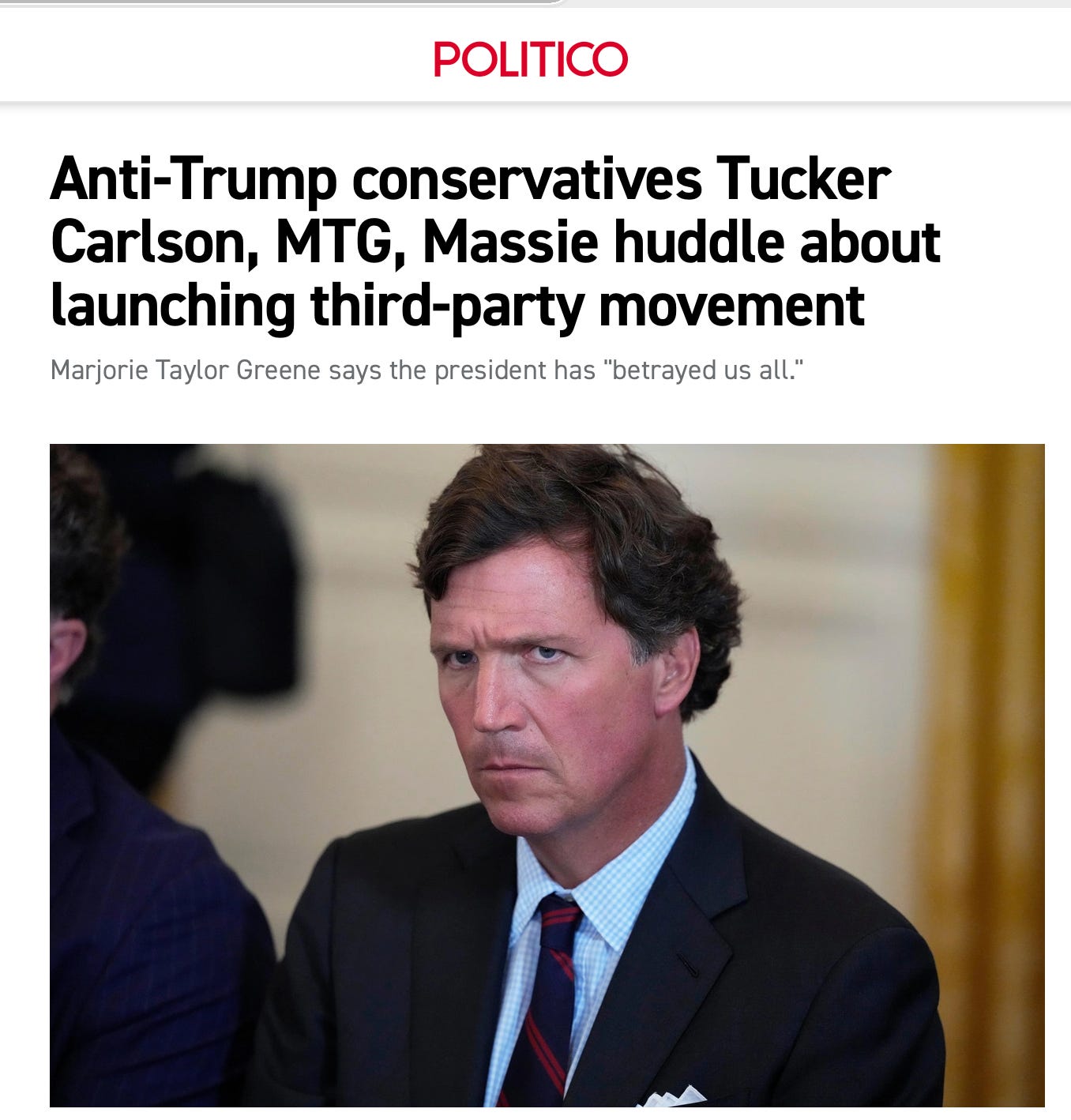
Several prominent right-wing MAGA figures, including Megyn Kelly, Marjorie Taylor Greene, Tucker Carlson, Candace Owens and Alex Jones, have not only stopped supporting Trump but have made their disapproval very public. (See article)
Others include:
Joe Rogan — endorsed Trump in 2024 but now sharply condemns the Iran war, Trump’s immigration tactics and his handling of the Epstein files.
Andrew Schulz — voted for Trump and subsequently said Trump was doing “the exact opposite” of what he voted for.
Theo Von — hosted Trump during the campaign but now says he feels deeply disillusioned with Trump’s foreign policy.
Nick Fuentes — once an enthusiastic MAGA propagandist, now calls the movement a scam and has urged his followers not to support Republicans.
Tim Dillon — was part of Trump’s podcast coalition and has become an aggressive critic, although his original support was less explicit than Rogan’s or Schulz’s.
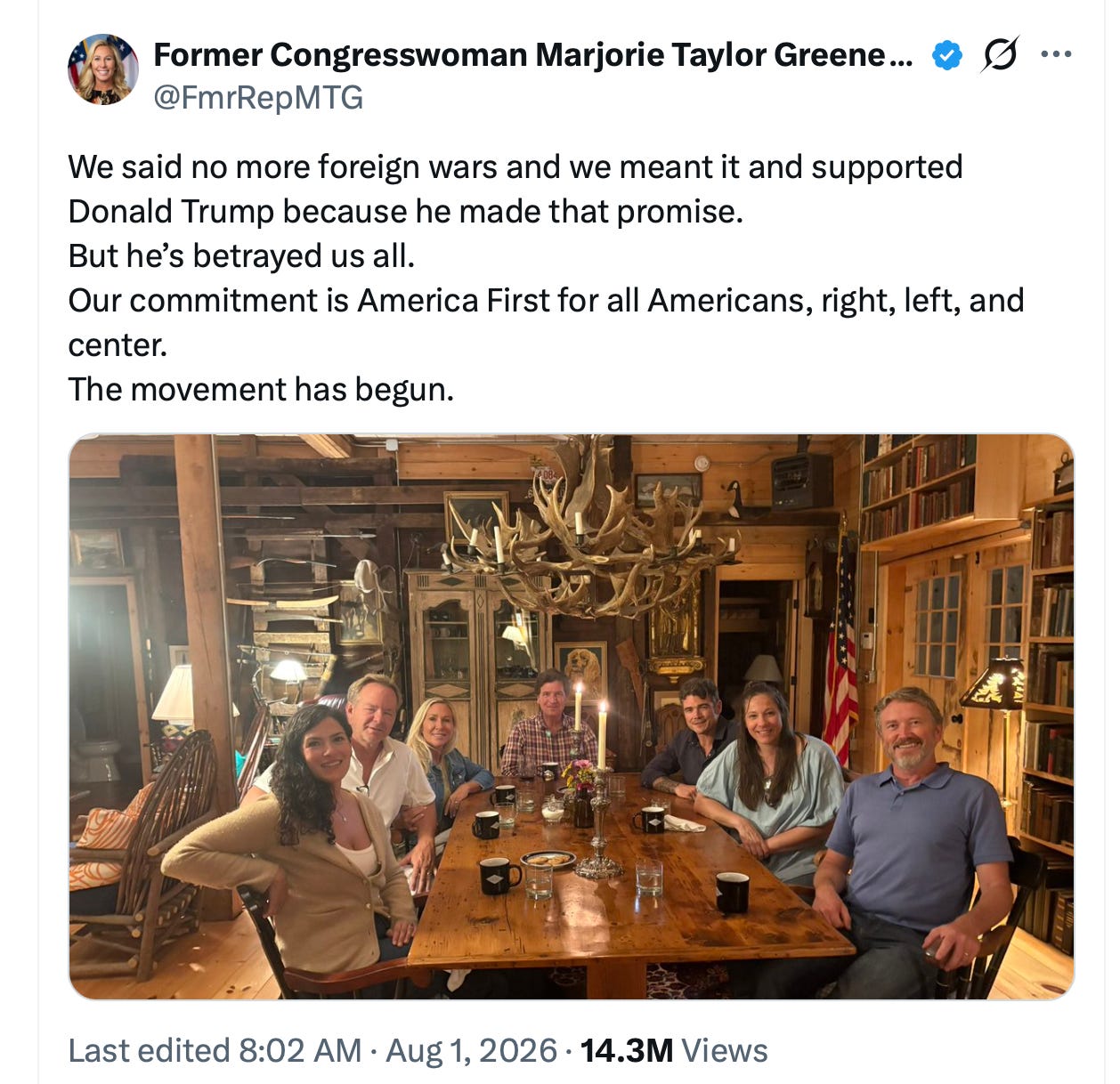
The real story isn’t simply that Trump is losing supporters. It is that these people insist, as Marjorie Taylor Greene recently put it, “We never changed. Trump did.”
My sense is that Trump really doesn’t pay much attention to this. In fact, it may represent background noise so faint—like the barely discernible hum of a refrigerator—that he doesn’t even hear it.
I am among countless critics who see him as more concerned with gratifying his emotional needs at the expense of governing. Put another way, even what should be pressing issues—such as the Iran war, the economy and North Korea launching missiles—barely register. They may be a little louder than a refrigerator, perhaps more like an air conditioner that turns on and off periodically with a sound you eventually tune out.
What does register is when his grandiose building or naming plans are disrupted or thwarted by what he sees as court overreach into his domain.
Trump is complex and has characteristics associated with what’s called the Dark Tetrad—extreme narcissism, psychopathy, Machiavellianism and sadism. Yet when I look at him through a psychological lens, I also see him, paradoxically, as a very simple person.
His needs not only come first, without regard for or even cognizance of other people’s feelings, but they override every other consideration, including the actual work of being president.
I view his primary need as something humanistic psychologists might call a need for affirmation. I’d call it self-adoration.
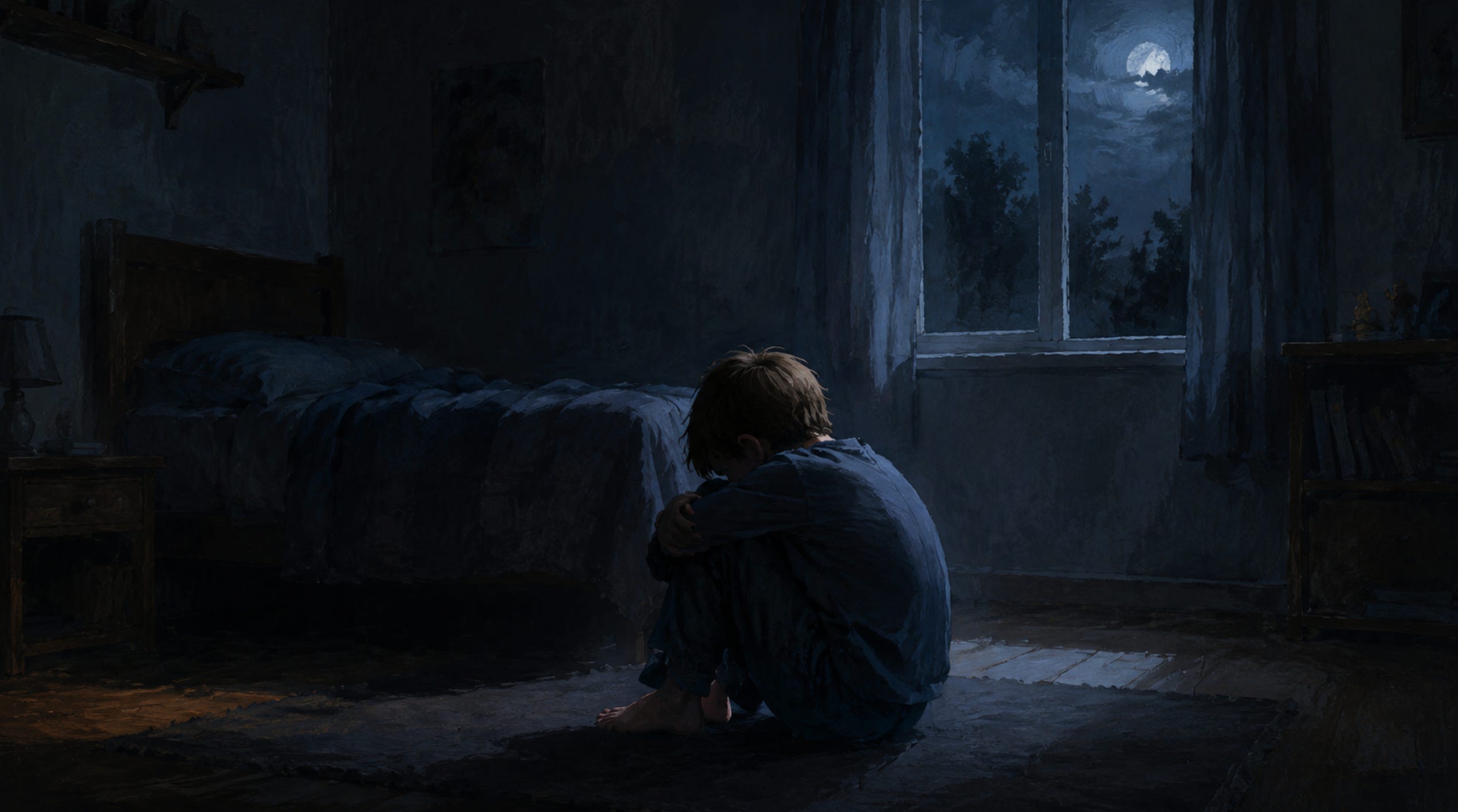
When I visualize Trump, I see a lonely figure trying to hug himself. For all the cruel cartoon depictions of Trump, I have a mental image of him as a lonely child sitting alone in the evening, hugging himself and trying to self-soothe.
Update Aug. 22:
Comments
Nothing yet. Say the first thing.
Sign in to join the conversation.