
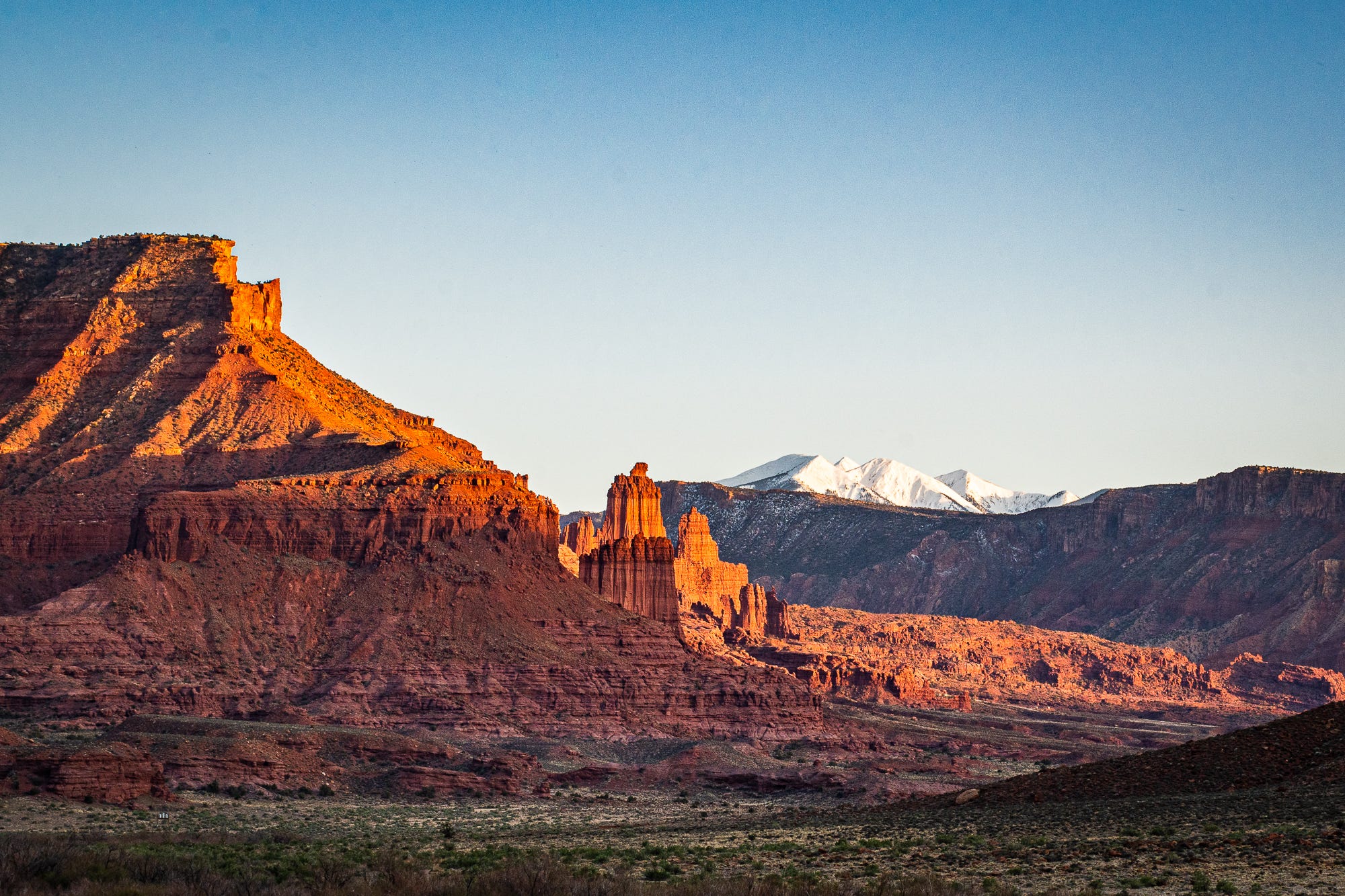
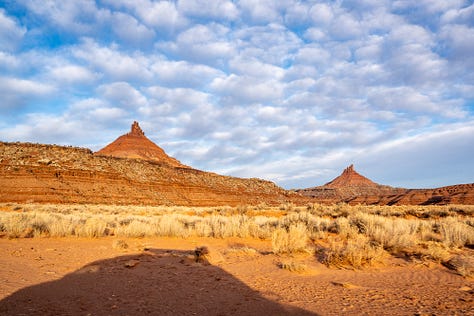
Summer 2014. It was on the long drive from Santa Fe to Park City that I got my first exposure to the desert country of southeastern Utah. A post-graduation road trip and only my second time west of the Mississippi River. The highway persisted forward, across the stark sweep of rolling sandy shrubland as far as the eye could see, occasionally framed on one side by a squat sandstone tower or crumbling bluff. Looking out from under the midday sun’s relentless glare on the windshield, the arid vastness unnerved me.
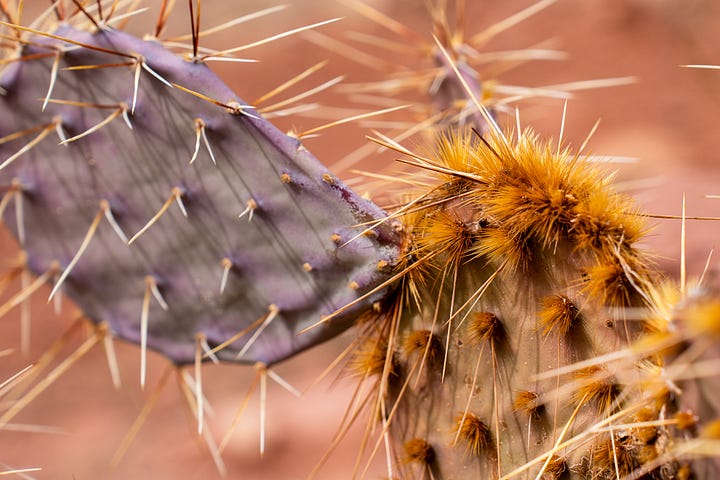
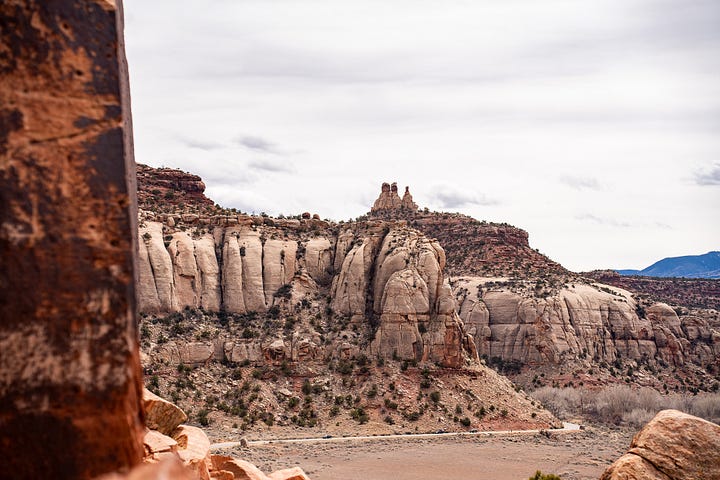
The expanse spread before us coupled with the heat had a raw physicality about it; I’d never felt smaller and more ungrounded from the familiar. That realization sat uncomfortably in my chest. A tree-sheltered East Coaster my whole life, the sheer space of it all swallowed my comprehension of geographic scale, my understanding of time. I thought What is this place, so inhuman? How do people live here? It was, afterall, the first time I’d felt the desert’s sense of time yawn over me. And what could feel more terrifying to a 22-year-old than the promise of insignificance?
The general vehicular scene in Moab left me further bewildered—souped up Jeeps, rat rods and ATVs patrolling the streets. The roughneck thrum of so many engines revving. The way the town itself sat huddled like a hideout in the Spanish Valley, flanked by walls of rock, made it feel like a place that didn’t want to be found. But I hadn’t yet seen beyond those walls into the real canyonscape, hadn’t yet felt the drug of the desert sun. When we arrived in Arches, though, any unease was quickly replaced with enchantment. Gawking at the suspended red rock arms, bridging wall to wall, I thought So this is what time can do.
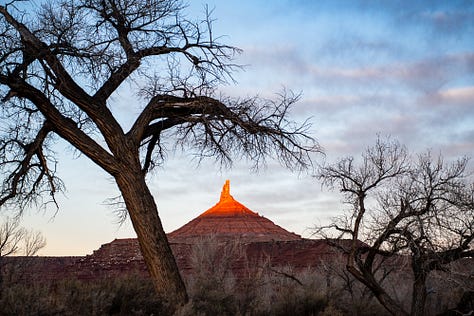
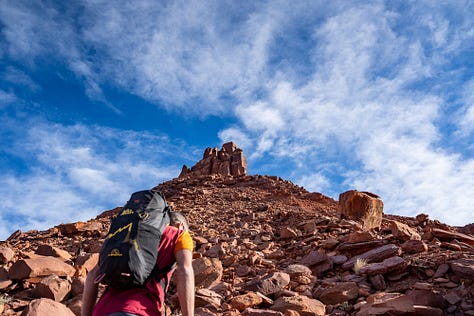
Less than a year later, I found myself back in Moab with the same traveling companion, my boyfriend and primary climbing partner of those immediate post-college years, only this time we were less than enchanted with our circumstances. We were in the middle of a cross-country climbing road trip and a stern check engine light warning had stopped us in Moab, two hours premature of our intended destination for the day. The news that we needed a new alternator in the Honda Element that we’d made our transient home was not what we wanted to hear, already cash-strapped and scrimping.
Still the mechanic put in a shift to get us on our way, staying an hour past closing time. Looking back, I wish we’d bought the man a beer, but at the time we only had our own plans in mind. We drove on into the falling night, wheels pointed north and west to the burgeoning bouldering hot spot of Joe’s Valley up canyon from the town of Orangeville. We arrived after dark to the warm embrace of friends and a campfire’s crackle under the open desert sky. It was late March 2015 and we had time on our side.
Over the next month that we stayed in Joe’s, I shed my earlier unease and quickly grew to relish the rhythm of springtime in the desert. Tempered by the earlier season, the sun beat without the fury of summer. Cool nights gave way to brisk mornings, prompting us to linger over coffee and books before rousing ourselves to go climbing. As the initial slow warming of the day rapidly accelerated with the sun’s midday ascent, we’d seek out climbs in the shade until the afternoon’s full-force heat caused us to retreat for a brief siesta. Pull-out the crashpads again for an evening session and chase the last light over the horizon. Make dinner on the tailgate, rehash the day around a fire, sleep, and repeat.
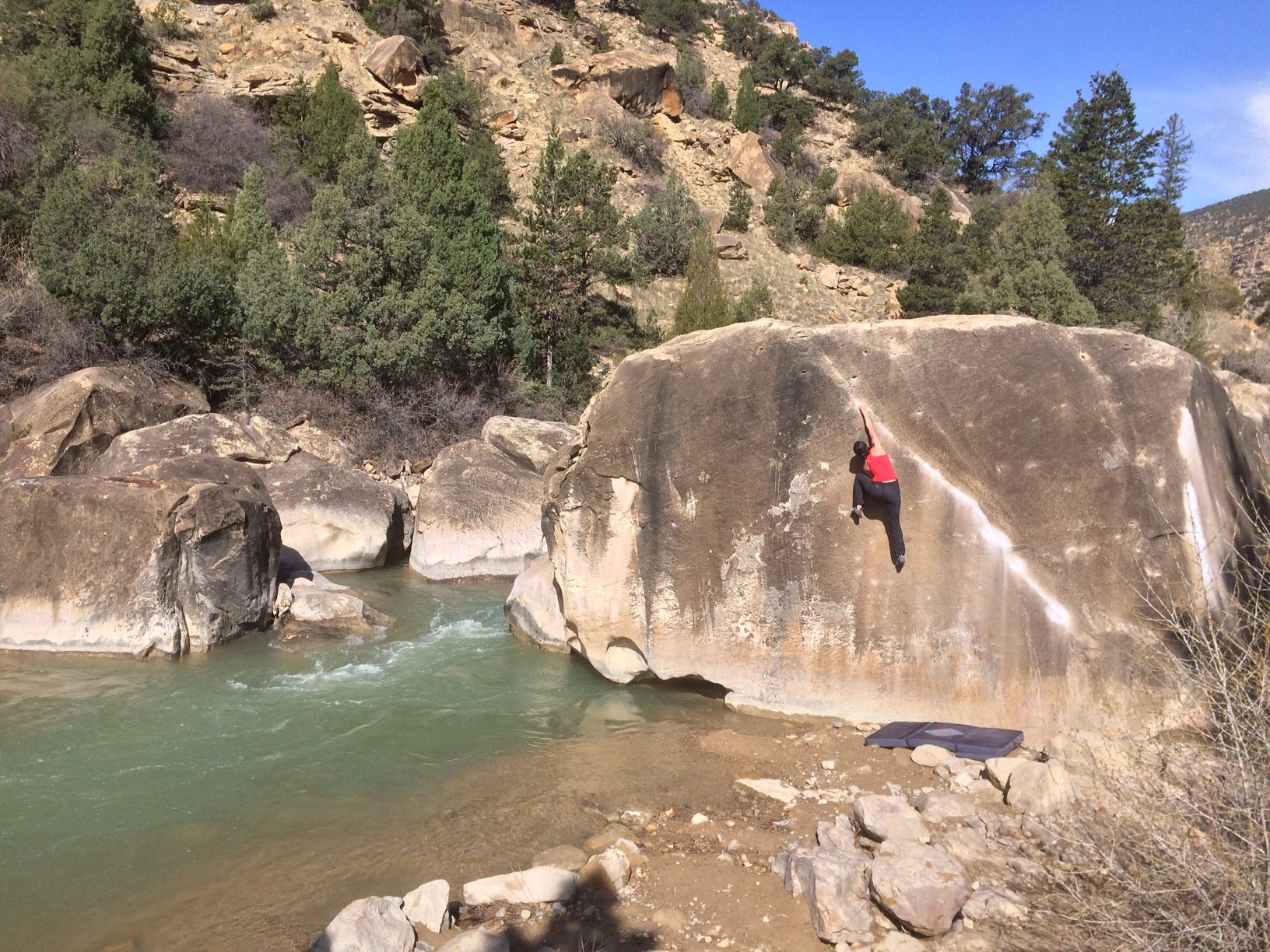
We could pass most days without spending any money (with the exception of the occasional Food Ranch donut, our weekly groceries were kept tight to $50 and our once-weekly shower cost $7 at the nearby Aquatic Center) and the mild weather felt like an invitation to stay indefinitely.
Lulled into a Groundhog Day state by the ease of our self-directed routine, the shifts in weather and the water level in the river were our only indication of time passing. We had some big decisions to make post college graduation (namely, where we’d live after we finished traveling), but time seemed to expand under the desert sky, while the imperative of those impending decisions contracted. It was the first time that I entertained the thought, What if living this way was enough?
The days felt long even as the weeks passed quickly. Before we knew it though, even the shade wasn’t offering much relief from the sun’s strengthening gaze. The forever we’d had was over too soon. Time to move along.
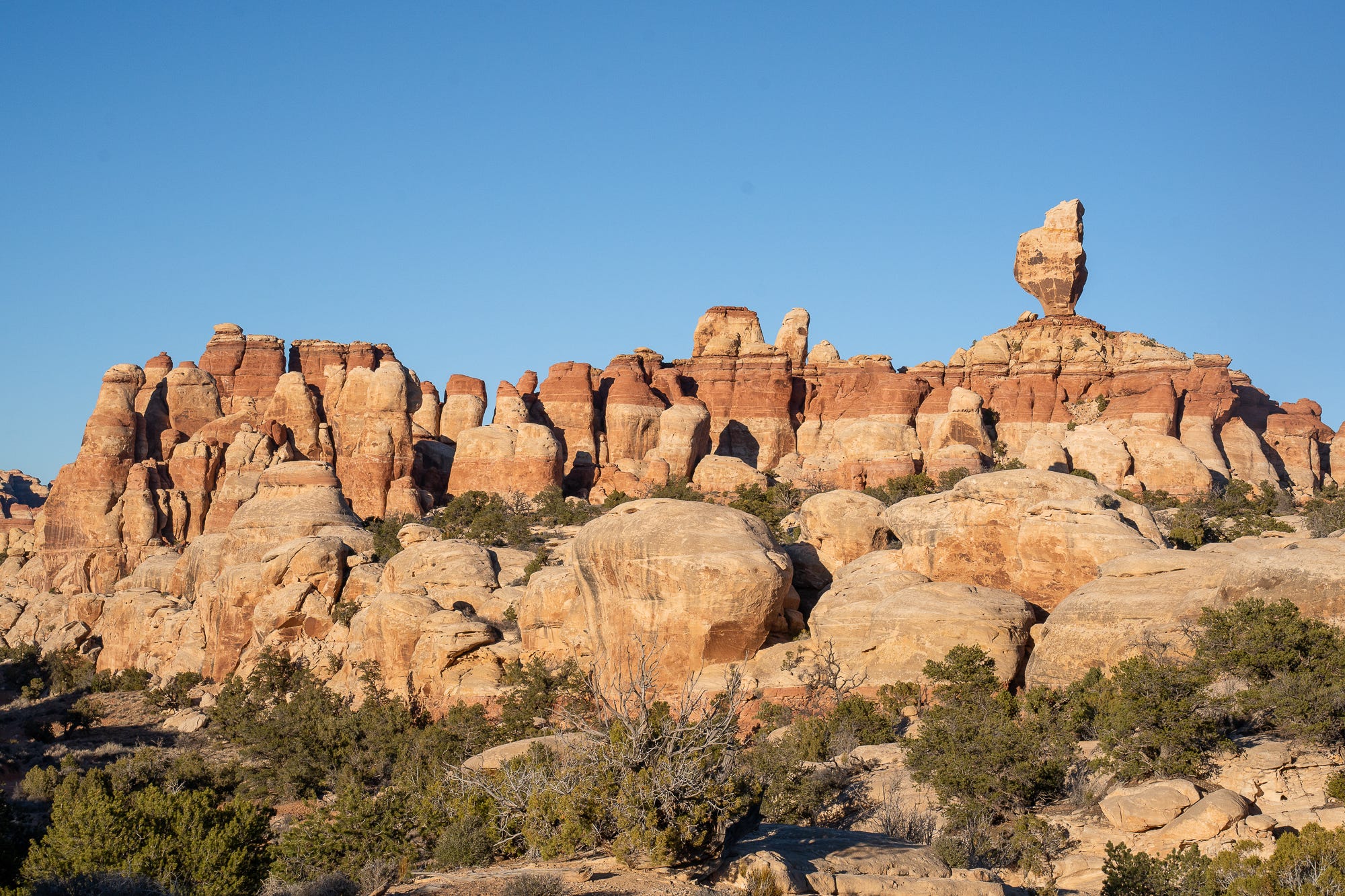
Since that first month, I’ve made a handful of short trips back to Joe’s but never with the luxury of that initial freedom. In the intervening decade, I’ve also made several trips back to Moab and, with each one, my appreciation for the canyon country of Utah has expanded, reflective of and proportionate to my mode of travel: running my first 30K at the Behind the Rocks race in 2018; riding the White Rim road as a 140-mile overnighter bike tour from Moab in 2019; returning in spring of 2022 to ride the classic Jeep-road loop in a day; and, this year after a long hiatus, traveling back to Canyonlands with both riding and rock climbing ventures in mind.
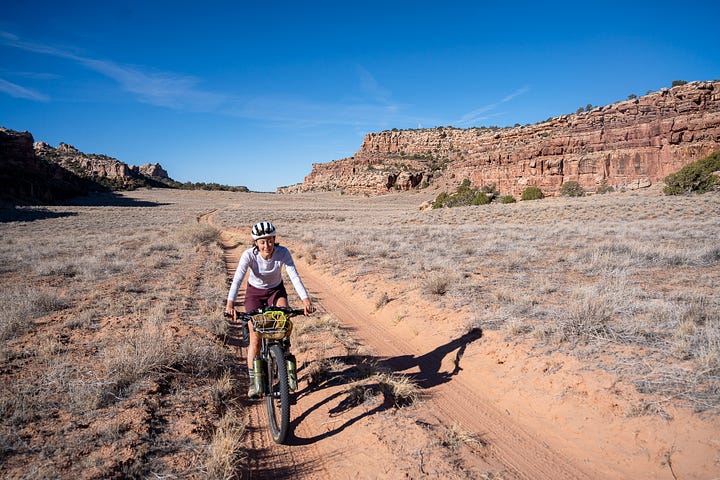
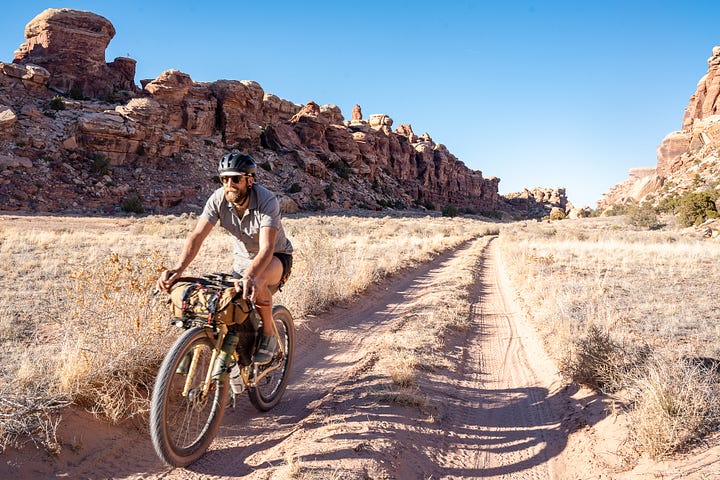
I’m no longer unsettled by the way that the desert seems to quash my concept of time; in fact, in going back, it’s what I crave most. The Blue Ridge mountains where I learned to climb are themselves ancient, but, for the most part, the signs of time have been concealed by the old growth and new growth of the forests that blanket their sides. In the sandstone mesas, leaning arches, blackened buttes, and stooped hoodoos, the mark of time is laid bare. Eroded towers stand like the remains of Greek statues; the layers in the cliff bands paint a history like preserved frescos, and the architecture of the carved canyons create cathedrals grander than any you’ll find in Rome. That engulfing sense of insignificance feels like liberation, at least for a weekend.
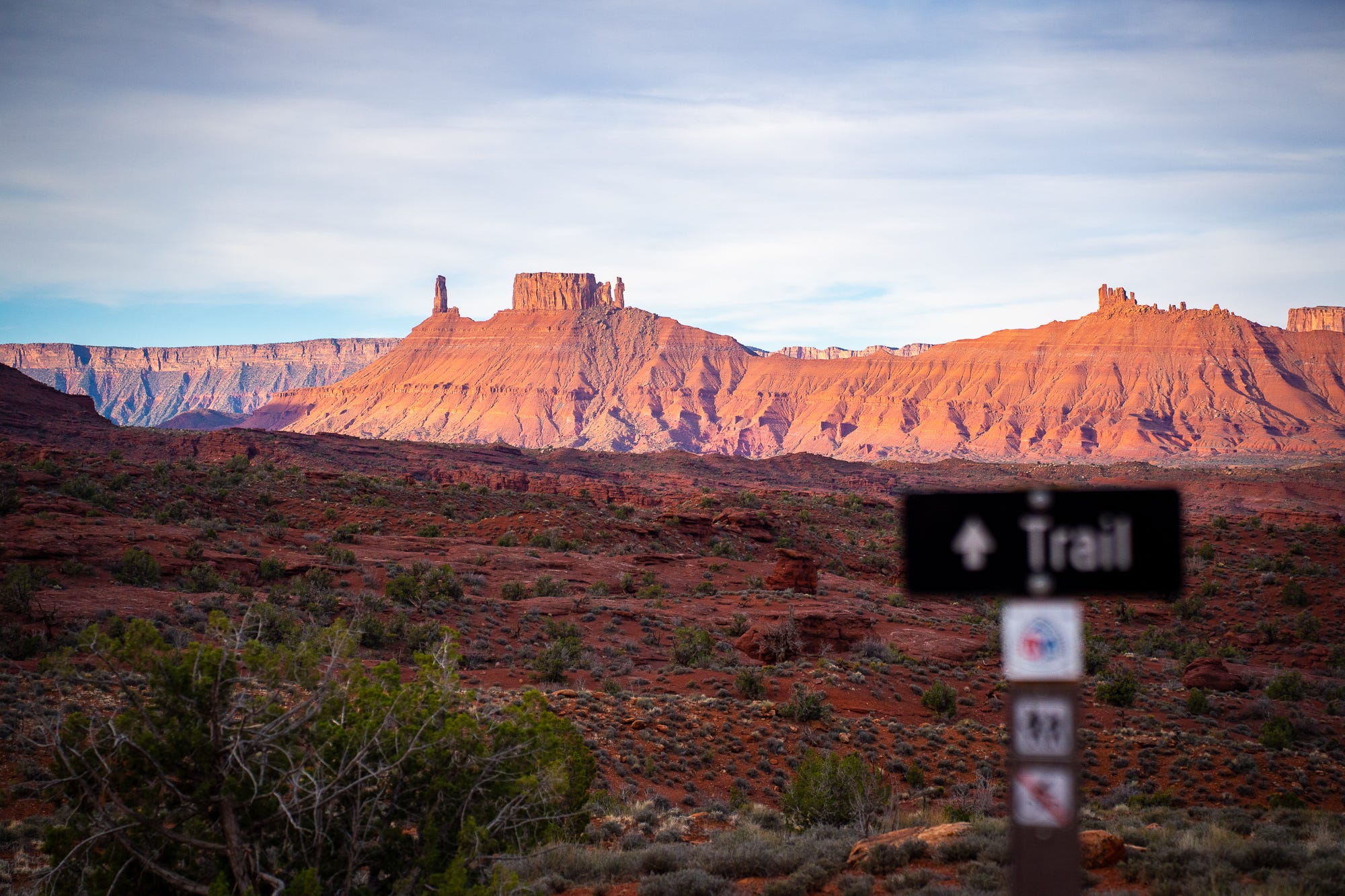
Perhaps Mark Sundeen wrote it best in his book The Man Who Quit Money:
“And instead of being inspired to make some permanent mark on the landscape, we sense the permanence of the landscape itself, and the fleeting nature of all human endeavor. In the desert we see the eternal. So while the mountains become a proving ground for manhood, the deserts remain the proving ground for the spirit.”
Dusk was already falling as I started my return journey home from my most recent solo trip to Canyonlands, during which a friend and I rallied to tick off another day-ride on the White Rim and squeeze in some climbing pitches on Indian Creek’s famed splitters. The past few days of van camping had felt the most similar to that singular month I’d spent in Joe’s—slow mornings perfumed with the musky scent of juniper, motivation moving in opposition to the sun’s arc—though this time with Starlink keeping me at least semi-clocked-in. I wasn’t ready to leave, but I was grateful for being able to make a second trip this spring.
A pastel afterglow washed the canyon walls after the sun sank out of view. With one song on repeat and the windows down, I followed the serpentine road, weaving between the cottonwood-lined creek on one side and the base of towering buttes on the other. I had a long drive ahead, but I took the road especially slowly, stalling, wanting to stretch the spell of desert time just a few moments longer.
Comments
Nothing yet. Say the first thing.
Sign in to join the conversation.