
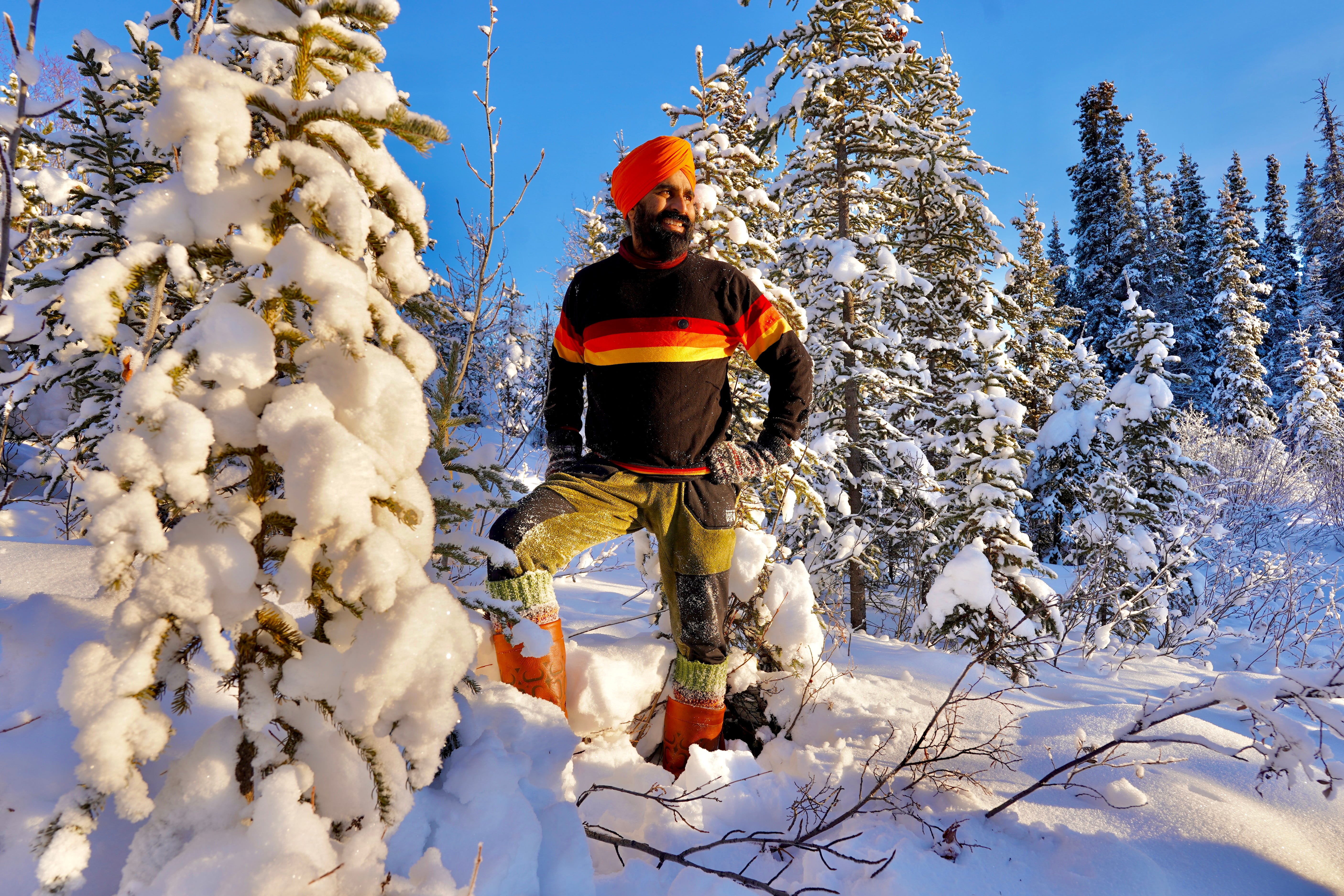
Up here in the Yukon, joy is not a constant sunshine that never sets. It is more like winter light, brief and honest, showing you the edges of the world and then letting darkness return. I have learned to trust that kind of joy because it does not pretend that storms are not real. It simply reminds me that even in a storm, a person can breathe, notice, and choose how to walk.
People often mix up hope with expectation. Expectation says, “This must happen, and it must happen the way I imagined.” Hope says, “I will step toward what matters, and I can still be okay if the river takes a different turn.” In the North, you cannot live on expectation alone. Weather shifts without asking permission. Plans bend. Machines break. A long road can close. If I demand certainty from a place built on change, I will live clenched, always measuring life against the picture in my head.
Hope has a softer grip. It is not passive, and it is not naïve. It is a commitment to keep moving, even when the outcome is unknown. When I teach dance or share stories, I hope the work lands in someone’s heart. I hope it brings comfort to a lonely day or courage to a weary week. But I cannot expect applause, agreement, or instant transformation. If I do, I start performing for a reward instead of offering something true. That is how joy gets contaminated. It becomes a transaction.
Healthy positivity is not a forced smile. It is the steady practice of making room for the full human range. Some days I feel bright, and some days I feel heavy. Both are allowed. The unhealthy version of positivity tells you to deny grief, to rush past pain, to cover everything with glitter. That kind of cheerfulness can feel like being told to whisper when you need to cry. Real joy does not silence sorrow. It stands beside it.
I have seen how quickly expectation can turn into anger. A person expects life to be fair, expects relationships to be smooth, expects their effort to guarantee a certain result. When reality refuses, the mind can spin into anxiety. The body tightens. Sleep becomes thin. You start treating every setback like a personal insult. Hope behaves differently. Hope admits that struggle is part of the landscape, like frost on the windows. It does not call struggle a blessing. It simply refuses to let struggle become the only story.
There is a particular kind of joy that comes from showing up anyway. When the day is long and the news is hard, I still go outside. I feel the air, sharp as a clean blade. I watch how the snow holds every footprint like a quiet record. I listen for the small sounds that survive winter, a raven’s call, the crunch of boots, the distant hum of a truck on the highway. This is not escapism. This is grounding. It tells my nervous system that I am here, and that here is bigger than my fear.
Joy also has boundaries. It asks for honesty in relationships. It asks for rest. It asks for forgiveness, but not self erasure. Sometimes hope means saying no, stepping back, letting a dream change shape. Sometimes it means admitting that I am tired and that I need help. I do not have to dress exhaustion as inspiration. I can name it plainly, and that naming is its own relief.
When loss arrives, expectation can make it crueler. If I expect nothing to be taken from me, then loss feels like proof that life is against me. Hope cannot undo loss, but it can keep my heart from hardening around it. Hope says, “This hurts, and it matters, and I can still carry love forward.” It offers reassurance without denying the wound.
In my own life, I try to treat joy like a lamp I tend, not a spotlight I chase. I feed it with simple practices: moving my body, calling someone I care about, doing work that feels aligned, letting silence do its healing. I celebrate what is good, and I do not demand that goodness be permanent. That is the difference. Expectation wants permanence. Hope makes peace with seasons.
If there is one thing the Yukon teaches, it is that light returns, but it returns on its own time. The healthiest positivity I know is the patience to wait without collapsing, and the courage to act without guarantees. I keep hope in my heart not because it makes everything easy, but because it keeps me open. And an open heart can still laugh, still create, still love, even when the road is rough.
Thank you for purchasing my independent, ad-free, and grant-free print magazine at Gurdeep.ca/magazine. Thank you for giving this magazine a place in your life, and for welcoming its words and spirit into your home. Every time you read it, share it, or pass it along, you help this small, independent effort travel further than I could ever do alone.
Comments
Nothing yet. Say the first thing.
Sign in to join the conversation.