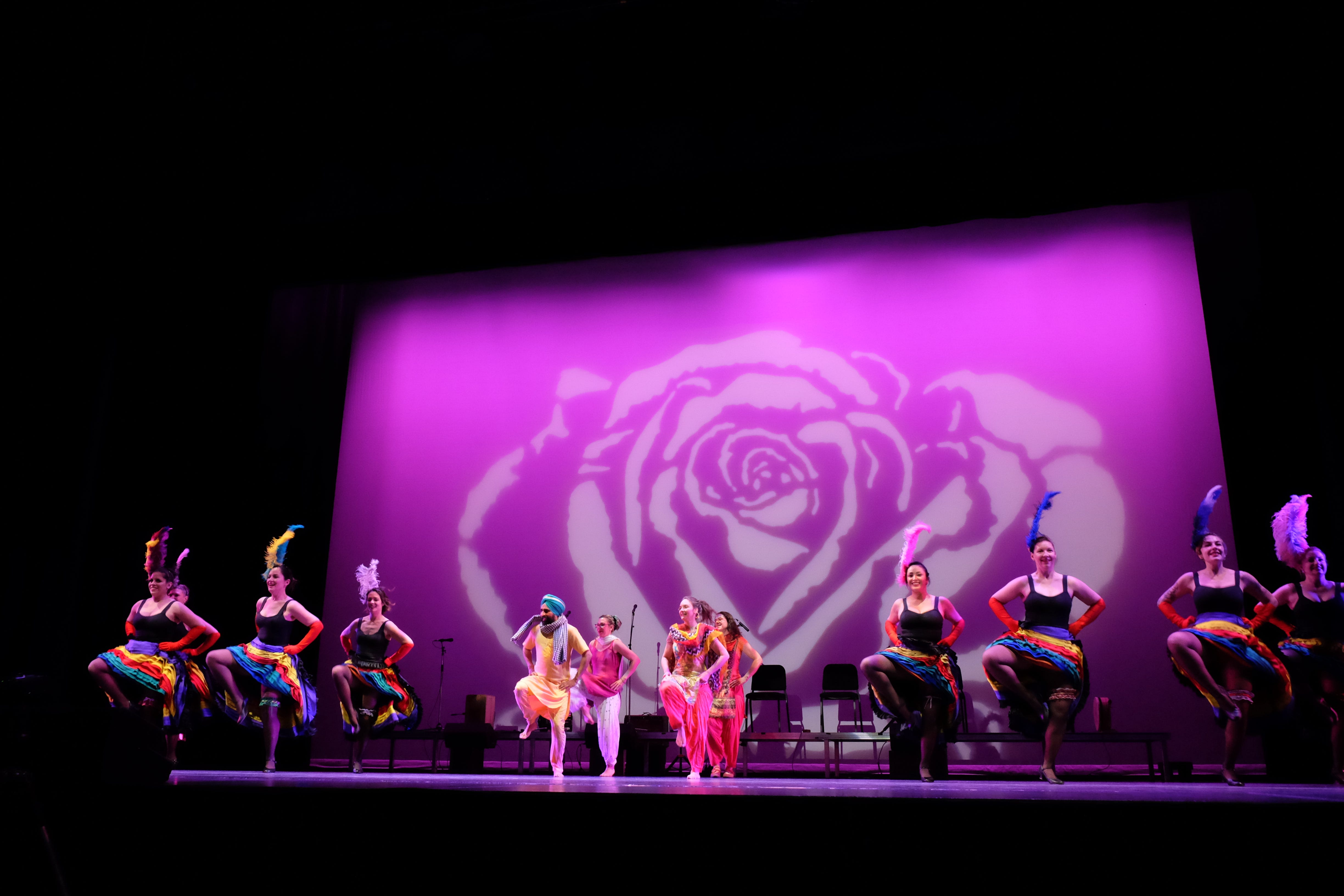
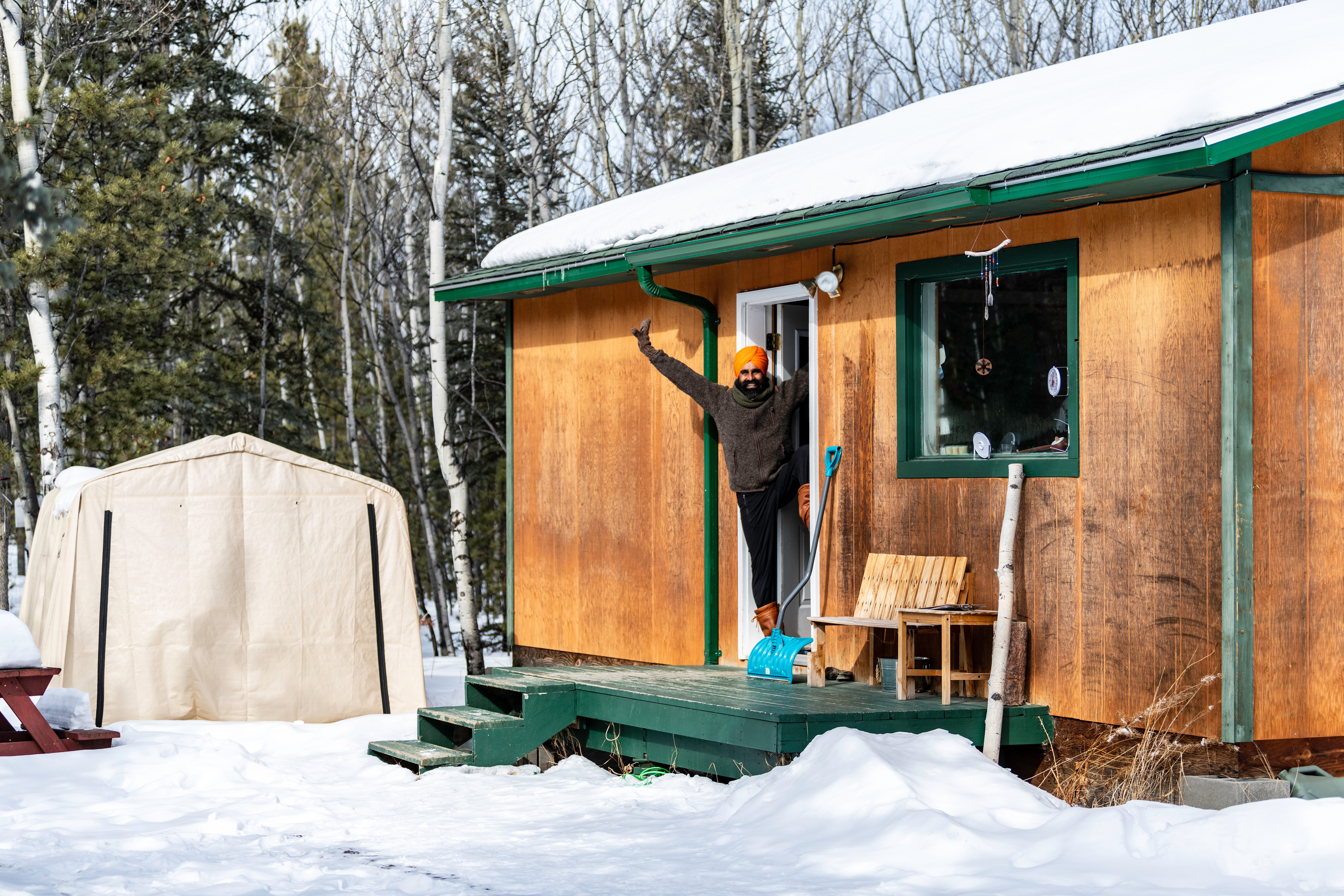
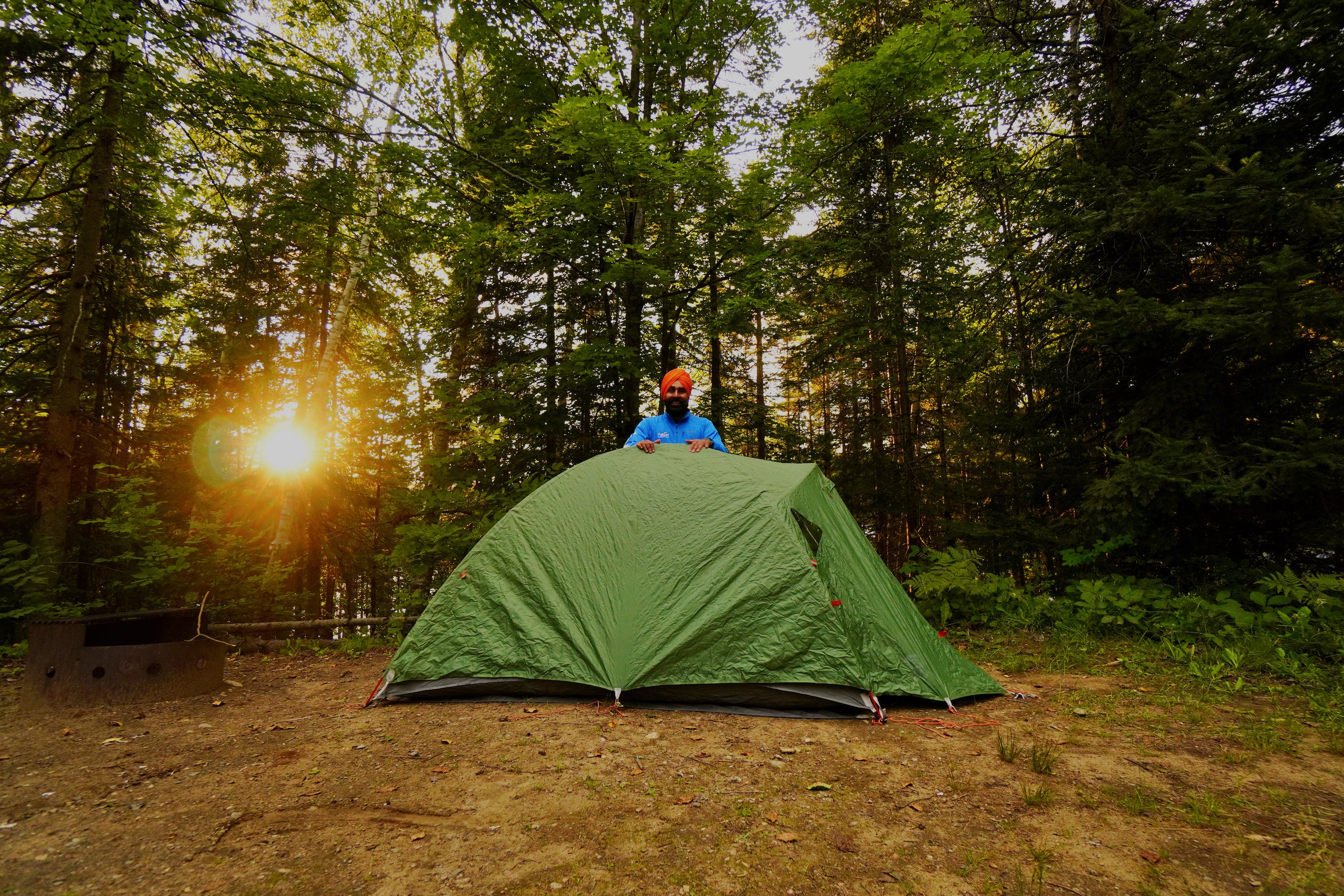
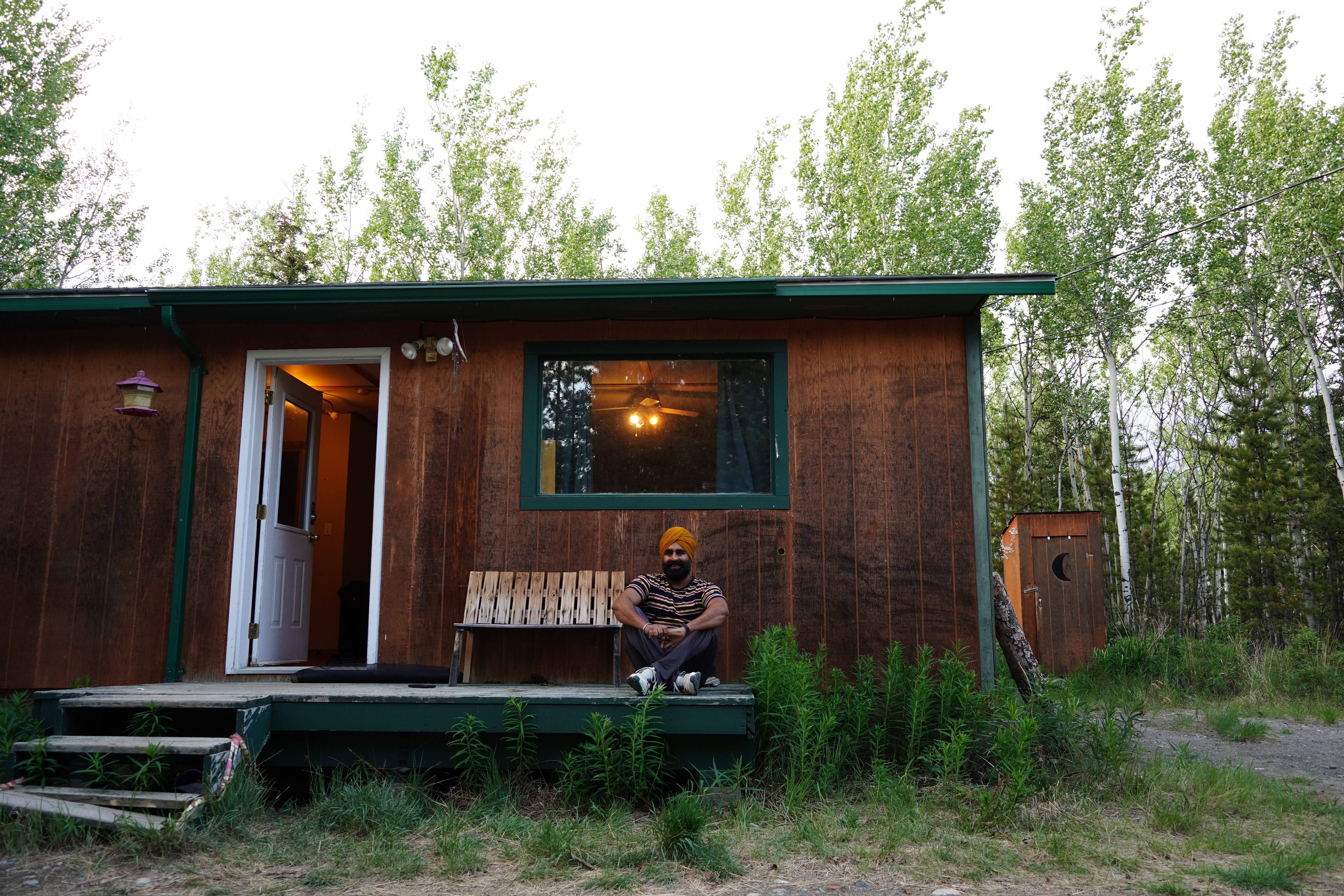
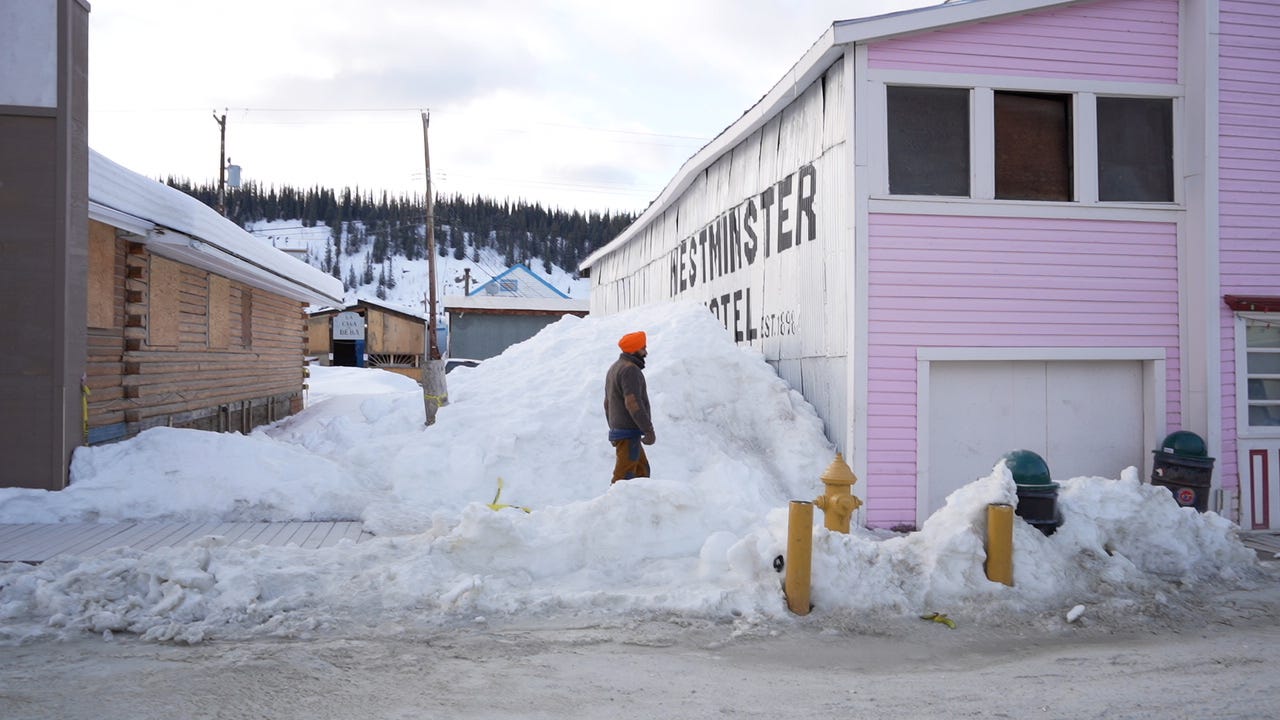
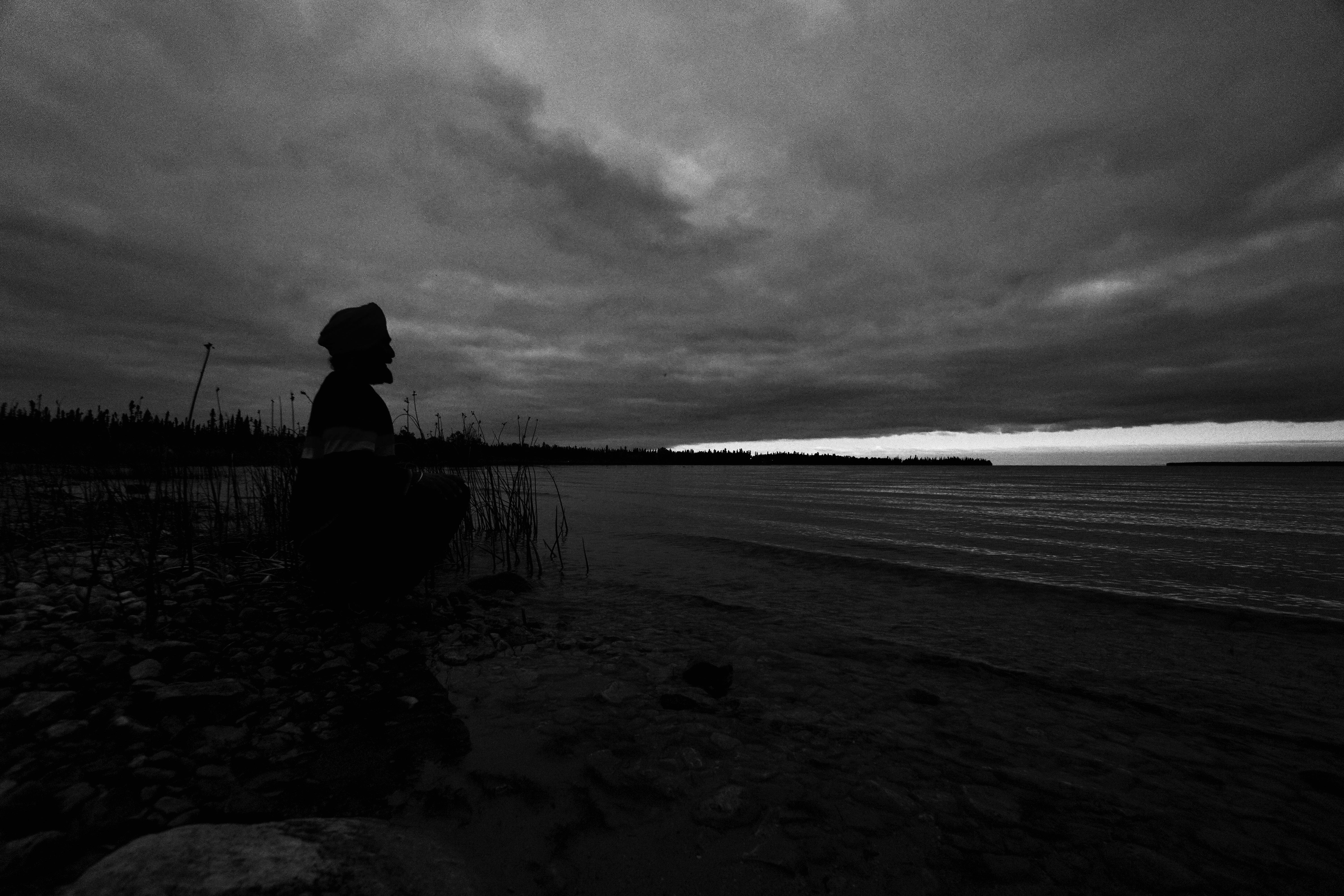
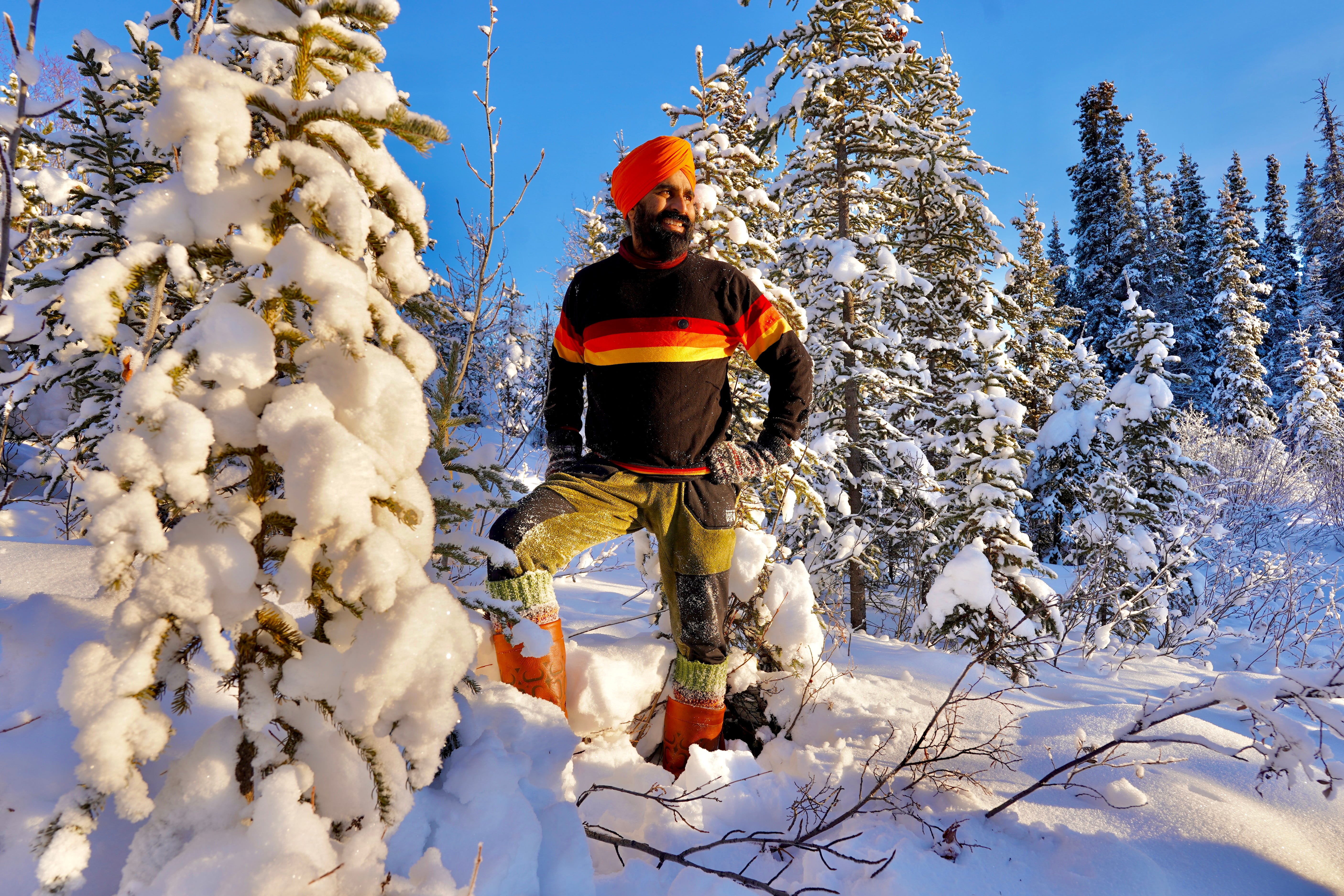
Our world faces shared challenges that deeply affect our mental well-being. Sharing hope is vital for maintaining emotional balance during difficult times. Gurdeep's dancing and writing embody this spirit, expressing joy, hope, love, and positivity.
And that’s the part that keeps coming back to me: so much sadness is not just personal; it’s relational. It lives between us as much as it lives inside us. It grows in the gaps—gaps in attention, gaps in time, gaps in care. When people don’t feel seen, they start to believe they don’t matter. When they don’t feel rooted, they start to drift. When they don’t feel safe, they start to harden. And…
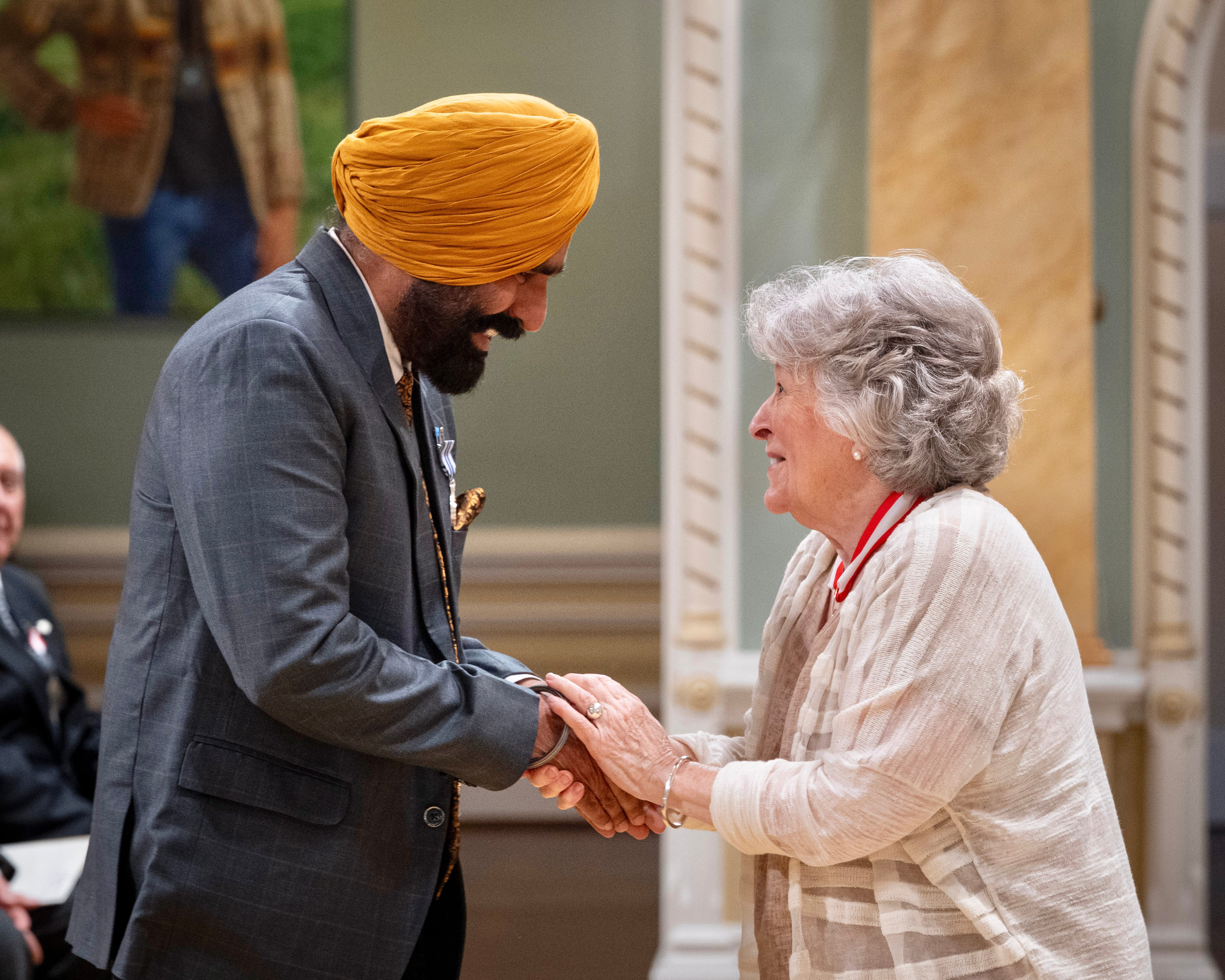
This medal belongs to you as my viewer or reader. It belongs to the Yukon, which gave me the space and the silence to find my voice. It belongs to Canada, which opened its arms and said: you are welcome here, and what you carry matters.
I believe that when we suppress one emotion, we dull them all. We cannot selectively mute sadness and keep joy at full volume. The heart does not work that way. The baby's laughter was so luminous precisely because his tears were so genuine. They were part of the same wholeness.
When you stop filling every gap with noise, your senses begin to sharpen. I started noticing things in the Yukon winter that I had walked past a hundred times. The way ravens communicate with an intelligence that feels almost personal. The specific blue of light on snow at four in the afternoon. The sound the trees make when they contract in extreme cold, a sharp crack like a small gunshot that…
I remember the first time I realized I was treating sadness like a mistake. I had returned from dancing in cities where everything is bright and fast, where the roads are full of headlights and the days are measured by appointments. After weeks of dancing across Canada, I came back to my cabin, and the quiet felt like an accusation. My body missed the crowd, the smiles, the quick conversations…
People often ask me, sometimes softly, sometimes as if it is a riddle they must solve before the next snowstorm arrives, how to be happy in life. I understand the hunger inside that question. I have felt it too. Happiness is more like learning to dance with whatever day has brought, including the heavy days.
That kind of joy does not demand constant brightness. It does not ask anyone to audition for sweetness. It just says, here we are, still alive, still listening. Even tears can fill the inner vessel with joy, if we let them be part of the water.
At first, I tried to outrun it with noise. I would fill the car with music, podcasts, calls, and plans. I treated joy like a shield. If I stayed bright enough, maybe nothing dark could touch me. But that kind of positivity is like a thin jacket in a northern winter. It looks fine until the wind changes. Then it fails, and you feel foolish for believing it was protection.
Sometimes support looks like tears. Sometimes it looks like stillness. Sometimes it looks like calling a friend and not pretending the day is easy. When people cannot cry, I do not tell them to force it. I tell them they are not broken. I tell them that the heart has more than one language.
If there is one thing the Yukon teaches, it is that light returns, but it returns on its own time. The healthiest positivity I know is the patience to wait without collapsing, and the courage to act without guarantees.