

Everyone is selling out. That’s the dream, at least, to exit this mess with a nice chunk of change. Why? We live in capitalism. Maybe you love it. Maybe you hate it. I’ll say this, it’s a mess. It’s mostly ridiculous. And yet here we are.
Well, what is capitalism? Simply, it is an economic system that prioritizes the needs of capital holders, i.e., “capitalists”, the investors and shareholders that own the capital we all need to survive. Yes, that oversimplifies it for the time being.
Capitalism requires a profit. There are laws and regulations that (mostly) proscribe things enterprises can and can’t do to make that profit, such as keeping raw material costs down but quality high enough, managing labor expenses while paying staff enough to survive (well, sometimes), delivering a desirable product at a reasonable price (well, prices have gone up-a lot), finding and retaining a consumer base, entering and conquering markets, and of course, growing, growing, growing.
In capitalism, you must grow. You must grow sales, you must grow profits. Dreaming of the exit.
Line must go up.
It is not an addiction, or even a compulsion. It is a fundamental rule. Grow or die. And stay profitable. It is, in a sense, a totalitarian system, as there really is no alternative (for now). You must grow.
This goes for any private enterprise, no matter the ownership model, whether publicly traded/C-corp, LLC, owner operator, consumer cooperative, worker owned, ESOP, etc. Of course there are variations. Publicly traded companies are under enormous pressures to deliver profits and growth to shareholders every 90 days, and can be notorious for labor and environmental exploitation, while also generating unheard of wealth for shareholders and management. Owner operators can be more steady state, although they personally tend to absorb costs. Cooperatives can be much more equitable in how they generate value and support their communities. Their capital is held in common by consumers or employees, but they are not perfect (ahem, REI). ESOPs and private, family owned enterprises can be a mixed bag, with a small group of family members at the top owning the biggest chunk, but they tend to retain employees and value community and loyalty over short term returns, like a more benevolent feudalism.
Our particular form of American capitalism prioritizes size, concentration, and consolidation, with the inevitably attendant corruption, while pretending it loves free enterprise, that American Dream mythos with all the little fellas pulling ourselves up by our bootstraps (that saying, by the way, started out as a sarcastic comment in the 1800’s, and now is essentially free market gospel). This all creates cognitive dissonance for small, startup entrepreneurs trying to enter a market and build a food brand.
On the one hand, founders and startup staffers are indoctrinated that we live in a free, open system where anyone can succeed and anything is possible, dreaming of a massive, glorious exit. On the other hand, we all must compete with our many peers, as well as with incumbent, multinational food processors, and retailer and wholesaler owned brands, all while navigating a complex array of unregulated market imperfections that no business school really teaches anyone thoroughly, such as retailer and wholesaler slotting fees, jobber fees, lumper fees, chargebacks, deductions, marketing expenses, trade promotion requirements, category management metrics and thresholds for staying on shelf, plus all the service fees, food safety requirements, co-manufacturer line times, mark-ups and raw material expenses, and inventory management, retail media ads, sales broker fees, etc. And in the midst of this, you still must grow. And generate a profit.
And so, small brands take on debt or investor equity to fund that growth, sometimes deferring profitability until they can show a bit more market penetration, sometimes proving profitability early on to justify themselves to capital holders dangling the keys to their survival in front of them. Sometimes brands are lucky and self-fund their growth just through their own revenue, or with some friendly family money as a backstop. It always helps to come from wealth when you are entering the brand world (i.e., the “friends and families” round of investment implies you have friends and family members with enough savings or disposable income that they will risk throwing it away on a startup food brand with a less than 2% chance of hitting a $10 million annual run rate, ever).
As brands grow and reach more customers, the challenges grow with them. The retail and wholesale fees get higher, the competition on shelf gets fiercer, the investors get more demanding and impatient. The one security brands will have in all this is how they connect with their target audience, their consumers. That is their life raft, their jet fuel. What problems are they solving for, what services are they providing, what market niches are they filling or what market failures are they correcting. And as they grow, they put their resources into strengthening that connection, acquiring and retaining more and more consumers to protect their space on shelf, their share of wallet, their share of the marketplace. Grow, grow, grow. Generate a profit. That is the mantra.
At some point in a food brand’s lifecycle they reach a cross roads. The keys to growth never get cheaper. The challenges never get easier. With big success and market penetration comes bigger problems. At some point, the owners and managers of an emerging food brand need to decide if it is time to sell out. Time to exit.
The decision to sell out is driven by a few different tendencies. The first being of course, whether their company is appealing to buyers, much more than just a going concern. Let’s assume that is the case.
Founders and shareholders may decide it’s time to cash in their chips, get it while it’s hot, quit while ahead. Most founders end up owning less than 10% of their company at this stage, but that could still mean a lot of pennies and a comfortable retirement, or capital they can plug into their next venture.
The company may have taken on some debt to fund their growth and at some point those loans need to be paid off. The company may have outside investors, private equities, venture capitalists, hitch hikers who will become carjackers if that line does not go up fast enough, and they need to be taken off the balance sheet and sent on their merry ways (probably in their yachts to the Azores or Lesser Antilles).
Sometimes a “strategic” comes calling, an incumbent multinational packaged food conglomerate that has a venture arm that seeks out acquisition targets to fill an emerging market gap, to grab more market share by absorbing a popular upstart, or to move into a new demographic or consumer preference audience through acquiring a brand that has captured that little niche and could use “strategic” resources, capital, inventory, sales and distribution expertise, some adult supervision, etc. The strategic acquisition may send the management team on their way as soon as the checks are cashed, they may absorb them into their org chart or they may retain them as a standalone enterprise, letting them run the business semi-autonomously as long as things are going well.
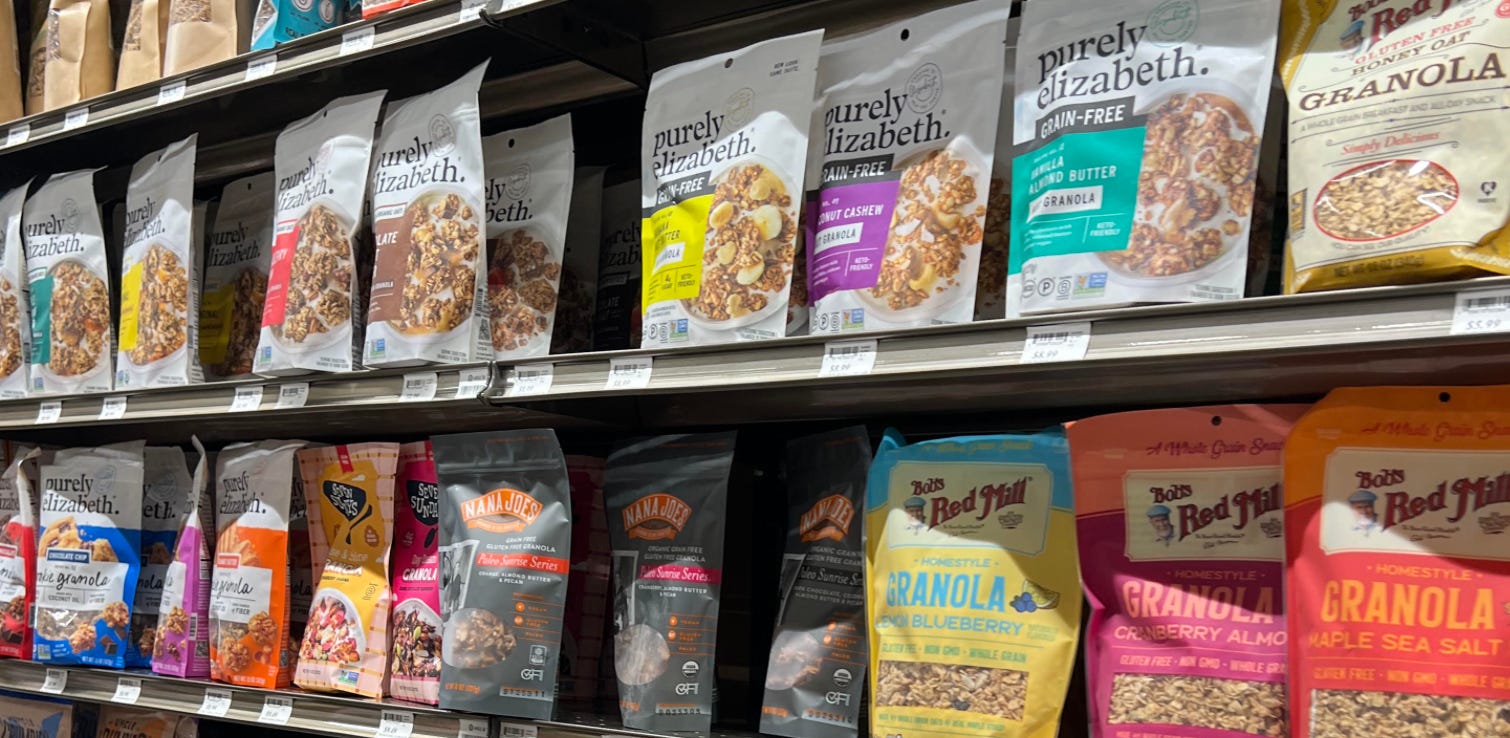
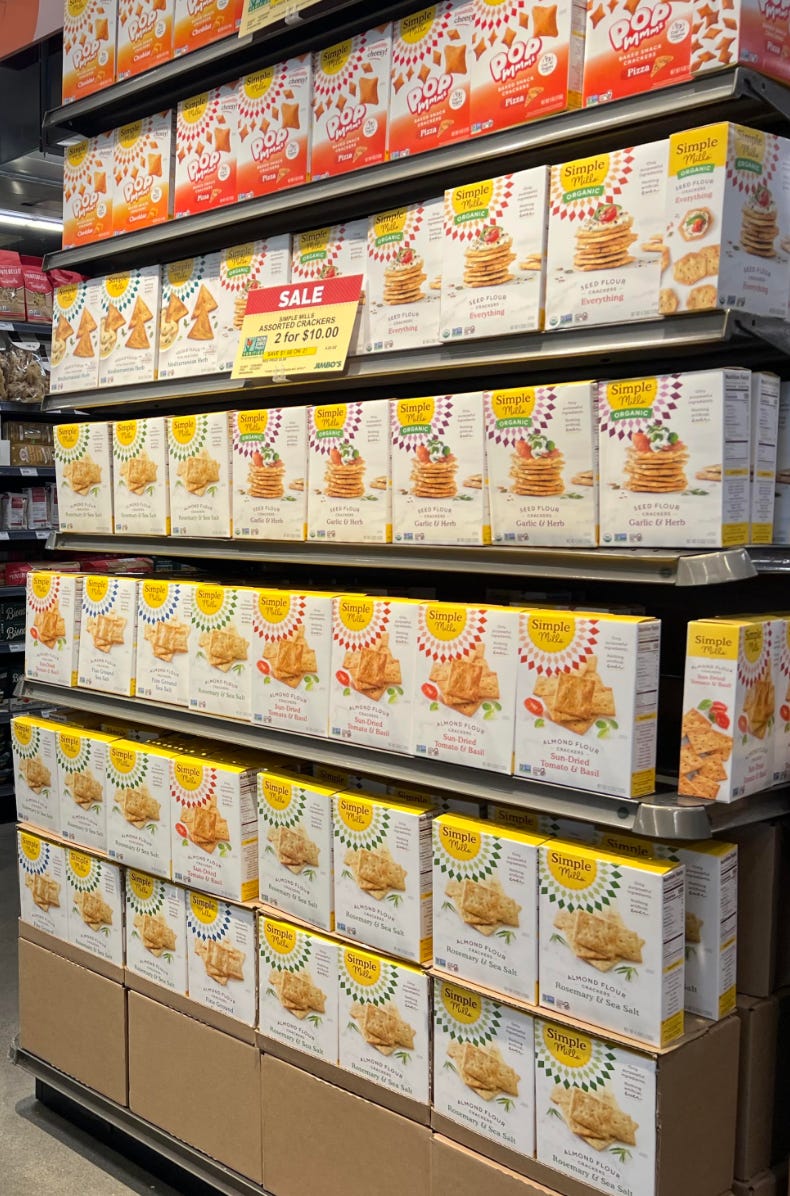
This strategic option tends to be pretty popular lately, with big exits such as Pepsico buying Siete and Poppi, or Flower Foods, the maker of Wonder Bread, buying Dave’s Killer Bread and Simple Mills. Or most recently, Nerds, Nutella and Kellogg’s owner, the confectioner and cereal giant Ferrero, buying granola marketer Purely Elizabeth for $850 million. The brand started out as a local producer at Whole Foods and scaled to be a national leader in the “BFY” breakfast segment, with a committed customer base and a founder who stubbornly clung onto nearly two thirds of the company and will be retained to run the new vertical for Ferrero, for the time being. It’s a hard won miracle for a brand built on oats, good branding and customer loyalty.
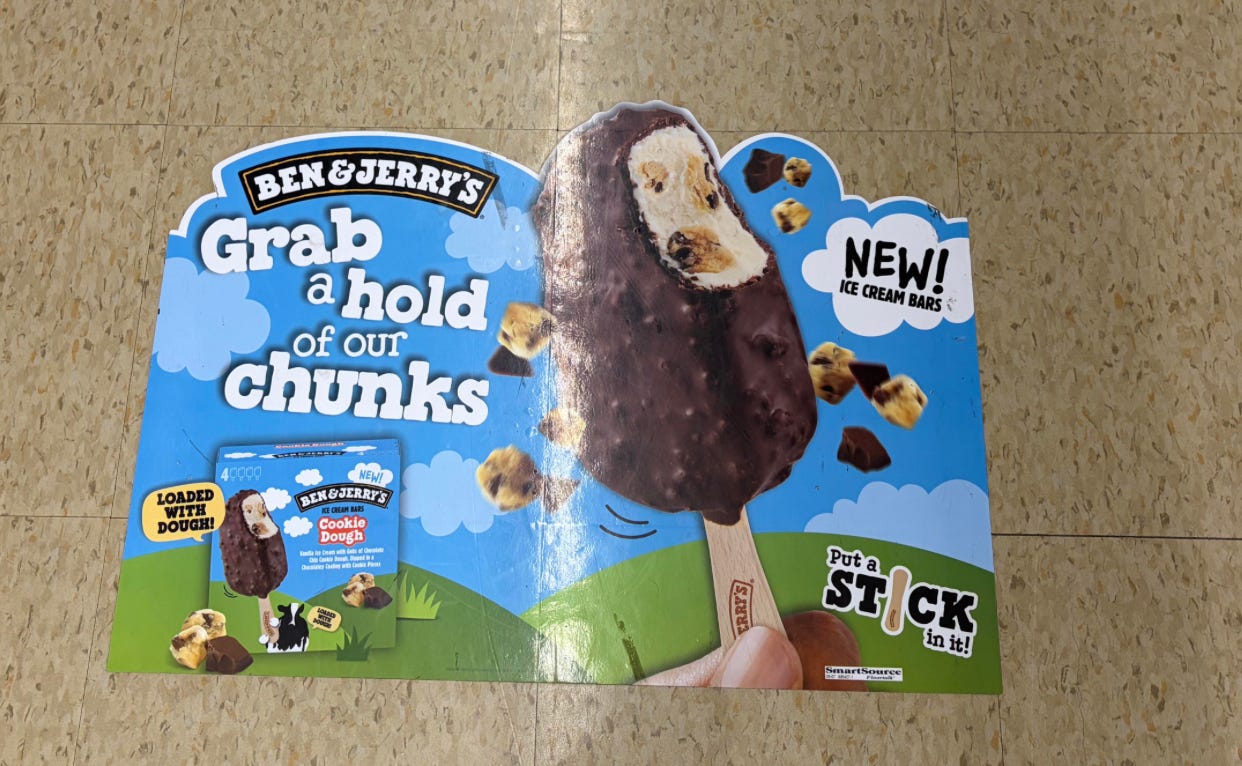
As an exit model, besides the cash, selling to strategics is an effective way to reach many more consumers and tap enormous resources and efficiencies, but also comes with huge risks. Hain Celestial was notorious for buying small natural food brands and running them into the ground. Campbell’s bought Pacific Foods and soon gutted their sales teams, collapsed their regionalized supply chains and eventually shut down their facilities in order to centralize procurement and production through Campbell’s corporate, a decision driven by fiduciary responsibility more so than sentimental attachment to the farmers and processing workers. Unilever gutted Talenti’s premium offerings with cheaper ingredients, as McCormick has done with Cholula, or Hershey’s with Reese’s. Input substitution and value engineering is a great way to harvest short term margins and please shareholders because consumers NEVER notice the enshittification of their favorite foods. And autonomous structures can also be reabsorbed and compromised, such as Ben & Jerry’s struggles with Magnum and Unilever over social responsibility.
The odd, even unpopular, thing here is there are always alternatives to selling out. First, very few brands will reach that critical mass to justify an enormous exit. Most folks who work for food brands will be lifers, if they like the gigs. It’s hard to walk away once you’re in the food biz. So the first alternative is the most popular. Selling out is not an option. No exit. Just keep rolling.
Or brand owners can sell shares back to their employees and become an ESOP, an employee stock owned enterprise, a model beloved by both progressives and conservatives. Bob’s Red Mill and King Arthur Flour are two examples, as is KeHe Distributors and grocers such as Woodman’s, Redner’s, WinCo and Publix. They retain their corporate org chart but carve out a lot or even all of their ownership shares for staff, who get a sweet retirement if they stay with the company long enough. Another, more obscure option, is the Purpose Trust, where the company transfers its assets into a perpetual trust meant to preserve the mission and values of the enterprise, typically overseen by staff, founders or allies. Recent examples include Patagonia, or Organically Grown, a produce wholesaler. Selling out, in a sense, but aspirational too. More like selling up.
And some companies just keep at it, even as they scale and the waters get choppier. Nature’s Path is one example, a vertically integrated organic cereal and snacks manufacturer that is still family owned. Or Dr. Bronner’s. Or Amy’s, an organic food manufacturer that went through a rough patch with some layoffs and restructuring but seems to have found its footing again. Or Organic Valley, a farmer owned cooperative who markets organic dairy, meat, produce and other products. There’s no exit for a cooperative made of hardscrabble farmers, just a lifestyle they hope to continue.
These enterprises, who must still grow and be profitable, have enough scale to generate cost-side efficiencies and enough market penetration to have a committed, stable and growing consumer base. They tend to prioritize quality, sustainable sourcing and authenticity over short term gains and tactical zig-zags. Sometimes the market reward those practices and these brands become iconic for what they do and the compromises they refuse to make. There are many smaller enterprises still trucking along at various stages of their lifecycle, as the spine of the natural/specialty food trade, navigating capitalism and generating modest profits, but trying not to perform to the lowest common denominator, trying very hard not to sell out while they must still sell, sell, sell and grow, grow, grow.
But this shit ain’t easy. And yet here we are.
Capitalism. It’s mostly ridiculous. Maybe you love it, maybe you hate it. And still, if you participate, you must grow. You must generate a profit. You can’t help but dream of a massive exit that sets you up for life, no matter how unrealistic and aspirational. It’s no surprise that at some point, almost everyone wants to sell out.
(perspectives are 100% our own and do not reflect sponsors.)
Comments
Nothing yet. Say the first thing.
Sign in to join the conversation.