
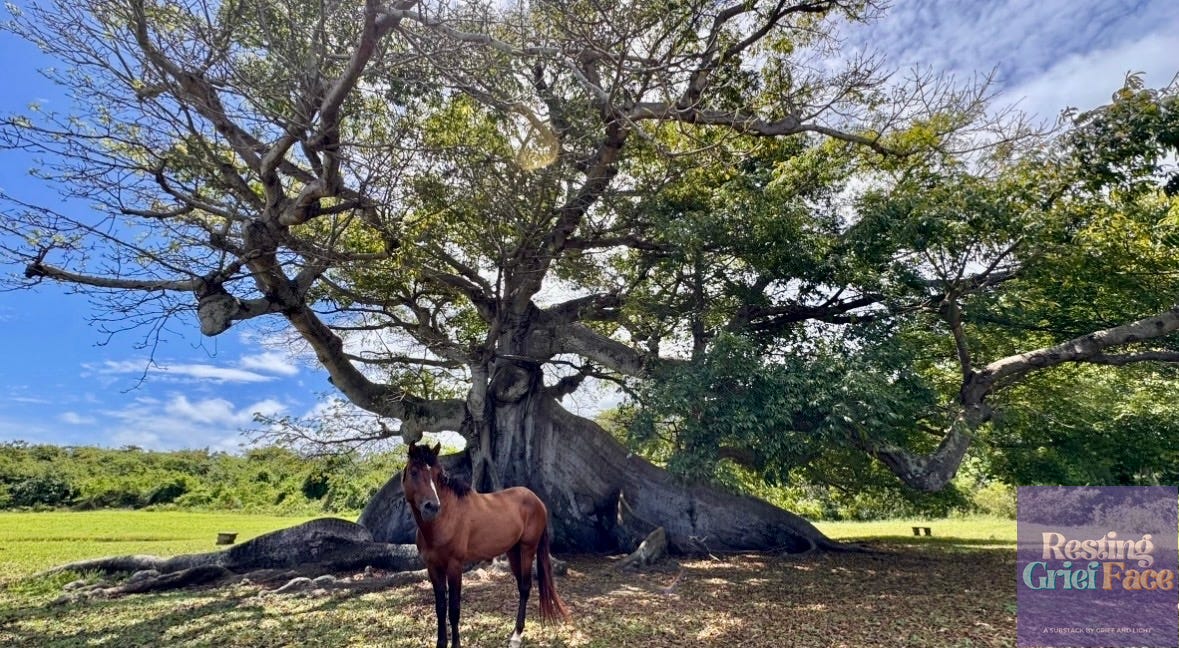
When my only sibling died, he didn’t leave behind children. Neither do I.
Somewhere between the death certificates and the “he’s in a better place”, it dawned on me. I’m the remaining child, therefore, the family tree ends with me.
In the eyes of family-tree logic, I became a dead end. The last branch. The full stop at the end of a sentence nobody asked to end. That felt like a heavy burden to carry.
Society has a very tidy story about what a woman’s life and legacy should look like: children who carry your eyes, grandchildren who carry your recipes, and a family name meant to ripple forward through generations.
It’s a beautiful story.
It’s just not the only one.
And for those of us who are childless or childfree (by circumstance, by health challenges, by loss, by choice, by the strange and winding roads our lives took), the absence of that story can feel less like a different path and more like a verdict.
I’ve been sitting with that verdict. Wondering whether it actually belongs to us, or whether we inherited it from a world that never quite had room for women like us.
But what if legacy was never meant to be measured that way?
We talk about family trees as if growth only counts when it extends into the next generation. As if continuation must look like replication. As if permanence is the goal.
But permanence has always been an illusion. In time, everything changes and fades.
Even today, a lost password, an obsolete platform, a corrupted drive, and there go years of preserved memories. We stream instead of own. We store our memories in corporate clouds. Entire lives now exist in formats that may not be accessible in fifty years.
The promise of being remembered was never as stable as we imagined.
So perhaps the deeper fear isn’t that the family tree ends. Perhaps it’s that we were taught our worth depends on being extended.
Women, especially, have been conditioned to equate legacy with reproduction, biological or otherwise. To nurture, to pass down, to ensure continuity. If you do not produce the next branch, the cultural script implies you have opted out of meaning itself, and you are treated as such.
But legacy is not the same thing as lineage.
Lineage is biological continuation. Legacy is relational transmission.
One moves downward. The other moves outward.
What if legacy is less about who carries your last name and more about who carries your influence?
Less about who inherits your eyes and more about who inherits your courage?
Less about being remembered in records and more about being felt in rooms you once entered?
Think about the people who shaped you, who are not related to you by blood.
A teacher who changed how you see yourself. A colleague who modeled leadership without diminishing herself. An aunt, neighbor, or mentor who lived fully in her own skin and, without ever saying so, gave you permission to do the same.
They may not be etched into your genealogy chart. But they live in your behavior, your tone, your decisions. They ripple outward through you. That is legacy.
When I say “the family tree ends with me,” I am speaking in the language of lineage. But when I look at my actual life (the conversations I’ve held, the spaces I’ve created, the humans who have thanked me for helping them through) I see the ripple effect of my existence echoing in eternity.
Grief has a way of clarifying this.
When someone dies, what remains isn’t their DNA. It’s the imprint. The way they laughed. The way they showed up. The way they made you braver, or softer, or more honest. You carry them not in your cells but in your choices. And you do the same for others, whether you realize it or not.
The myth of being remembered assumes legacy requires recognition. A name spoken generations from now. A photograph labeled correctly. A story told accurately. But what if being remembered isn’t the point?
What if the real question is:
Did my presence alter anything meaningfully while I was here?
We are living in a time when traditional milestones are shifting. Marriage is no longer guaranteed. Children are no longer inevitable. The structures that once organized a woman’s life are bending.
For some, this feels destabilizing.
For others, liberating.
For many, both.
But in the absence of a prescribed path, we are being asked to define legacy for ourselves.
The family tree that ends with me can feel heavy to carry.
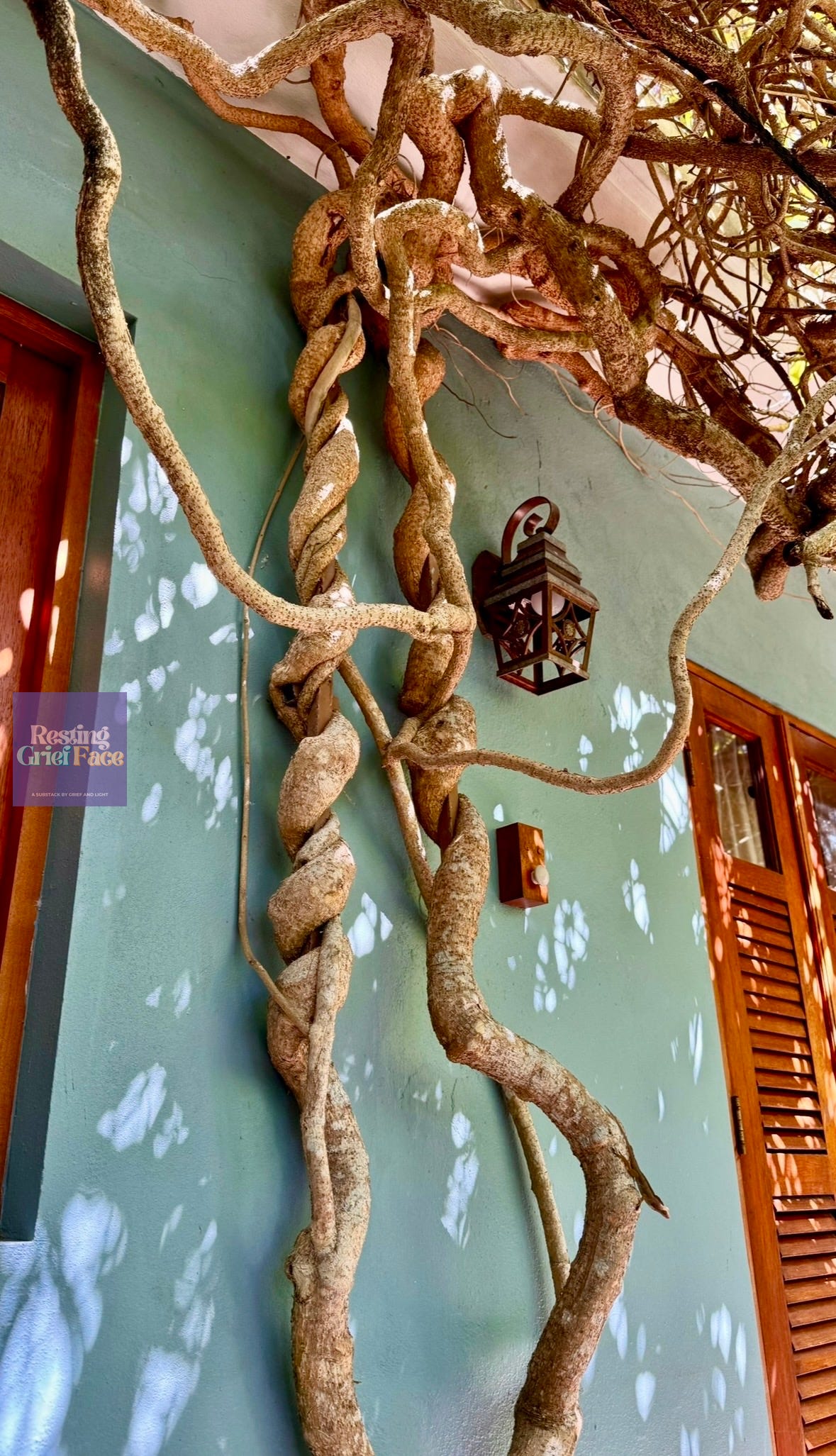
And yet, the more I sit with it, the more I see that a tree is only one metaphor for continuity. There are also rivers, currents, and fields where seeds scatter without permission or planning. Legacy might be less about extension and more about diffusion. Less about permanence and more about participation.
I’ll likely never be a mother or an auntie. I am the last branch in a particular biological line. And still, I have influenced humans. I have loved and been loved. I have altered conversations. I have witnessed and been witnessed. I have made space in rooms that might otherwise have been smaller.
Maybe the family tree ends with me.
But the energy does not. The influence does not. The kindness does not.
Long before we diagrammed ancestry, legacy was the ripple effect of a life lived in relationship.
It was never guaranteed to be permanent. It was only ever guaranteed to be shared.
And shared meaningfully, even briefly, is enough.
This article was originally published in Issue 8 of Get Griefy Magazine, and a companion episode on the Grief and Light podcast.
Available online, in print on Amazon, and wherever you watch or listen to podcasts.
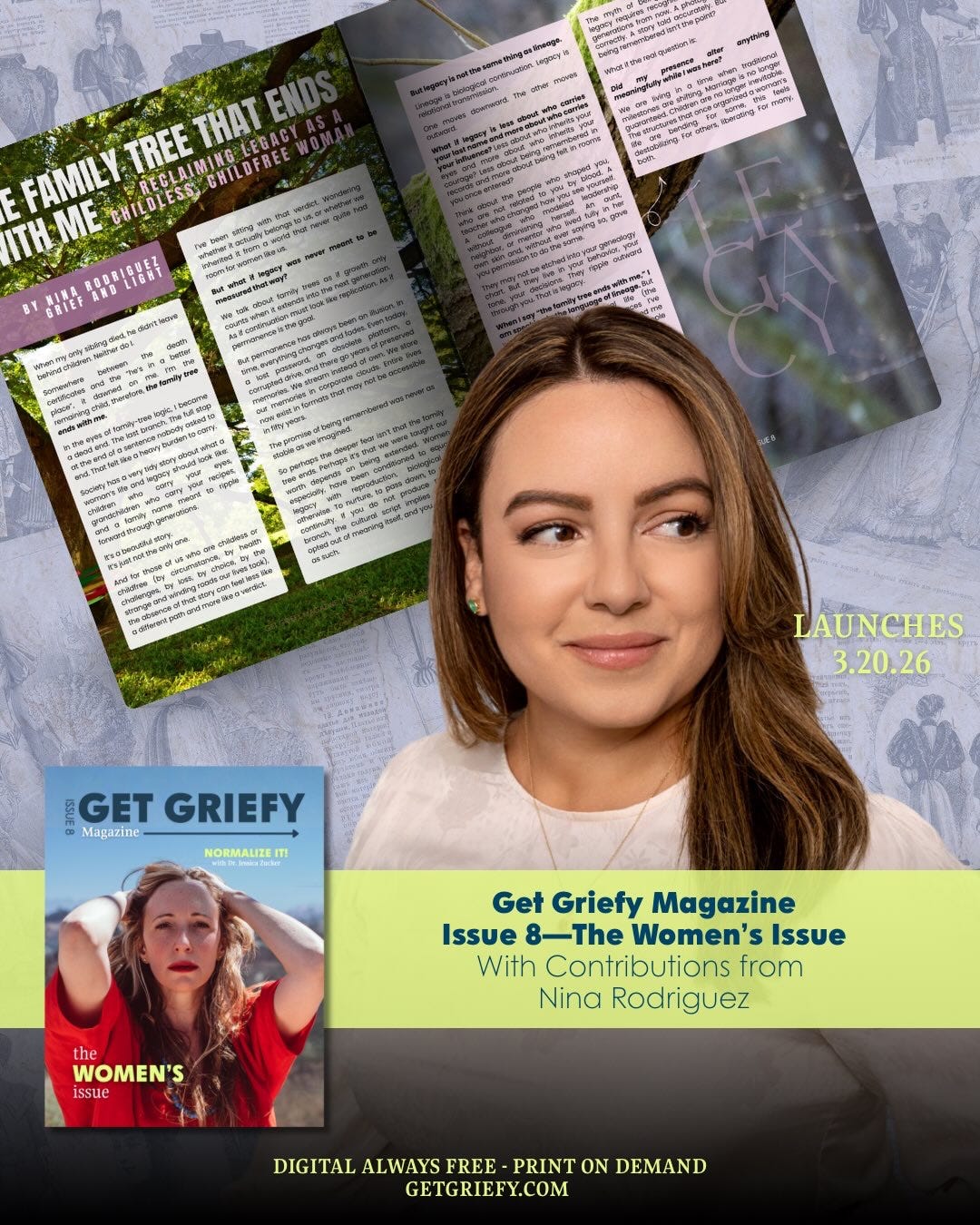
Nina Rodriguez is a Grief-informed Guide, podcaster, writer, and speaker helping humans thrive in the “and” of life. Following the unexpected loss of her only sibling, Yosef, she founded GRIEF AND LIGHT™, an award-winning podcast and supportive online community to educate and empower individuals navigating loss and life-altering change. Through her work and collaborative spaces, Nina aims to foster a more grief-informed, hopeful world. Learn more at: griefandlight.com.
Comments
Nothing yet. Say the first thing.
Sign in to join the conversation.