
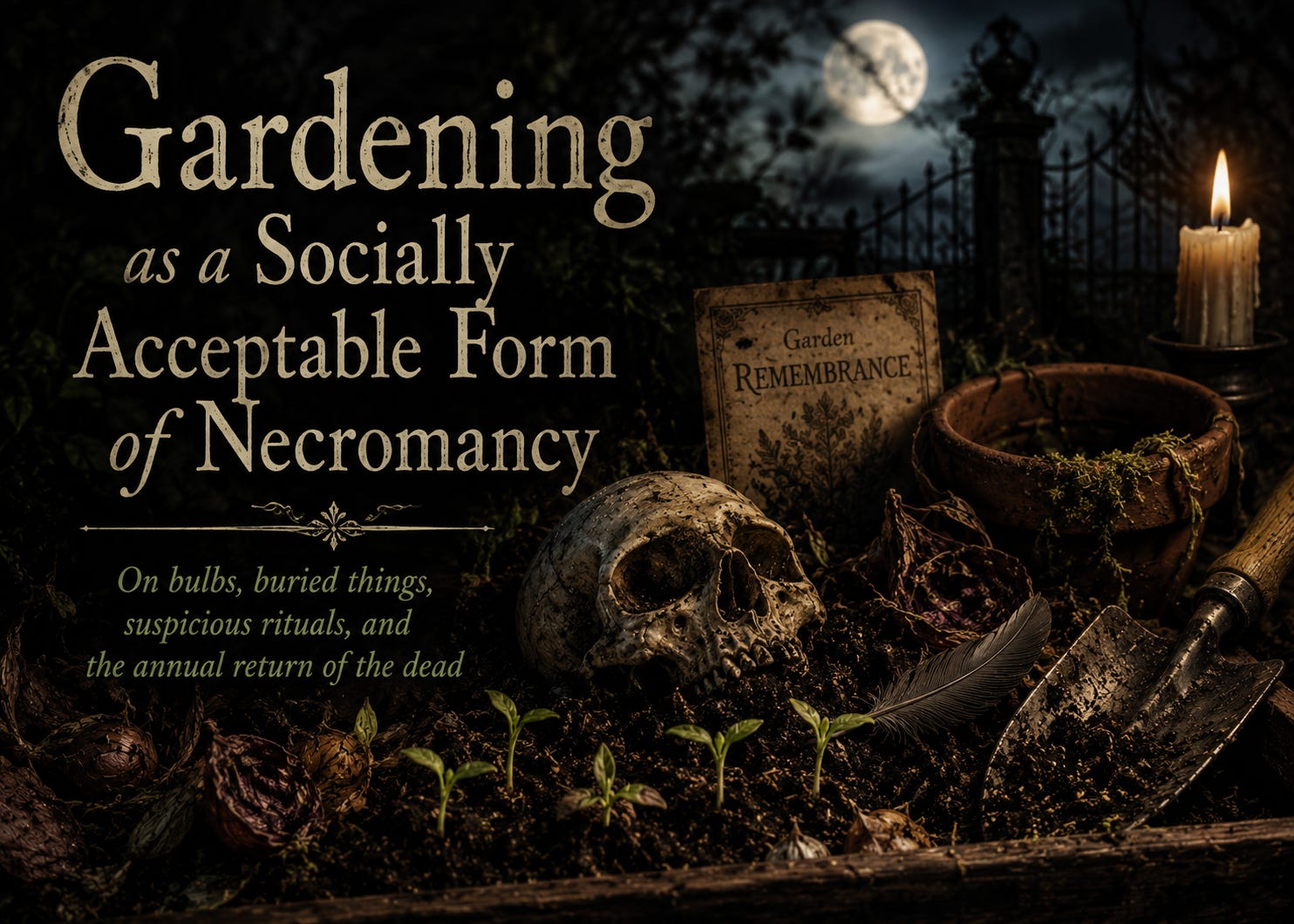
Gardening is generally presented as a wholesome activity. It appears in catalogues alongside linen aprons, sun hats, and people smiling serenely while holding baskets of vegetables that have never encountered a slug. But strip away the cheerful packaging and gardening becomes something far stranger. We bury dead-looking objects in the ground, whisper hopeful instructions over them, and wait for them to rise. This is necromancy. It simply has better public relations.
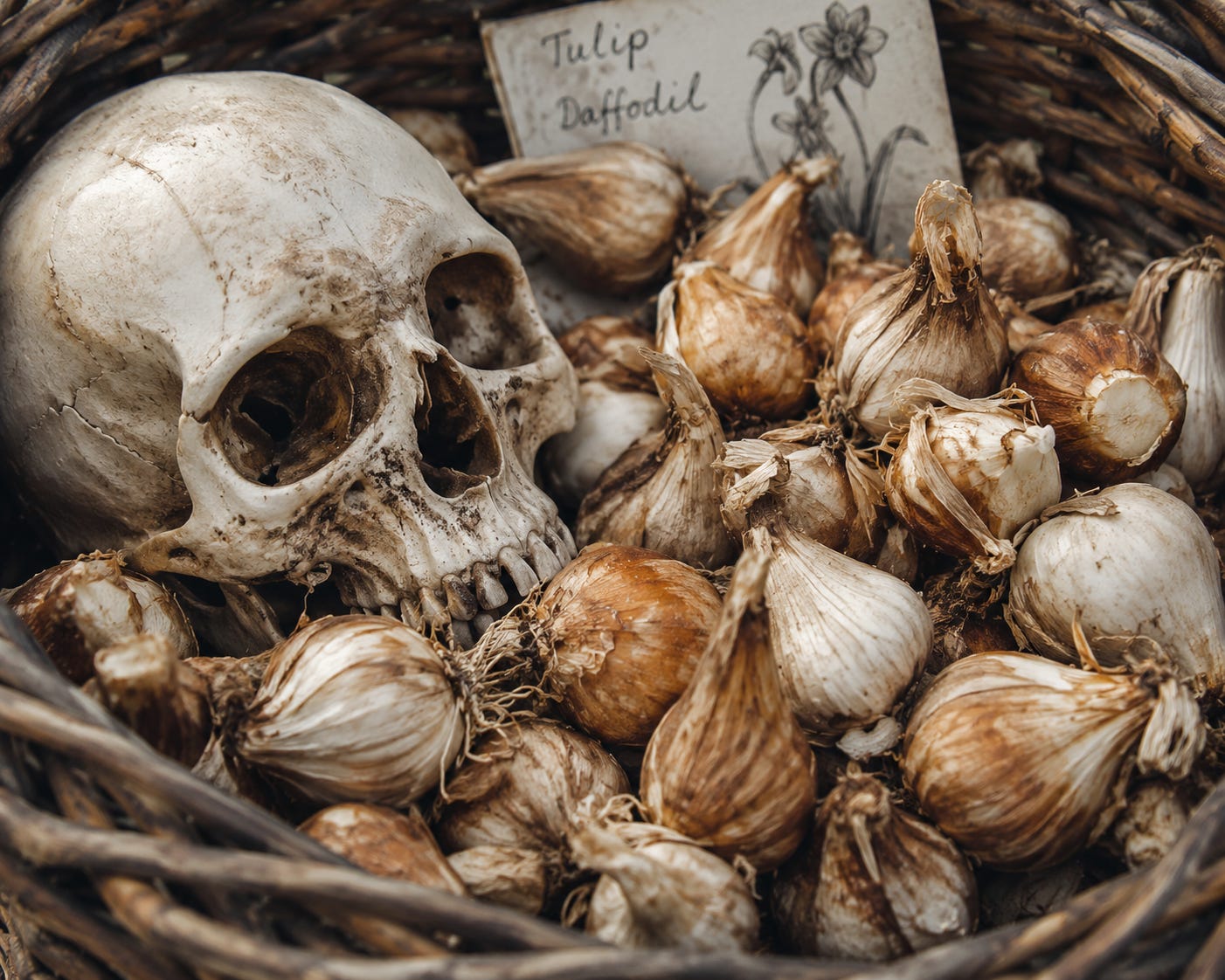
Every autumn, gardeners perform rituals that would look deeply suspicious without the presence of a wheelbarrow. We dig holes in the fading light. We place bulbs inside—small, pale, papery things with no obvious signs of life. They resemble onions that have been left too long in a crypt. Then we cover them with soil and walk away, trusting that several months later they will claw their way back toward the sun. No one calls the authorities. Instead, neighbors say things like, “I love what you’ve done with the tulips.”
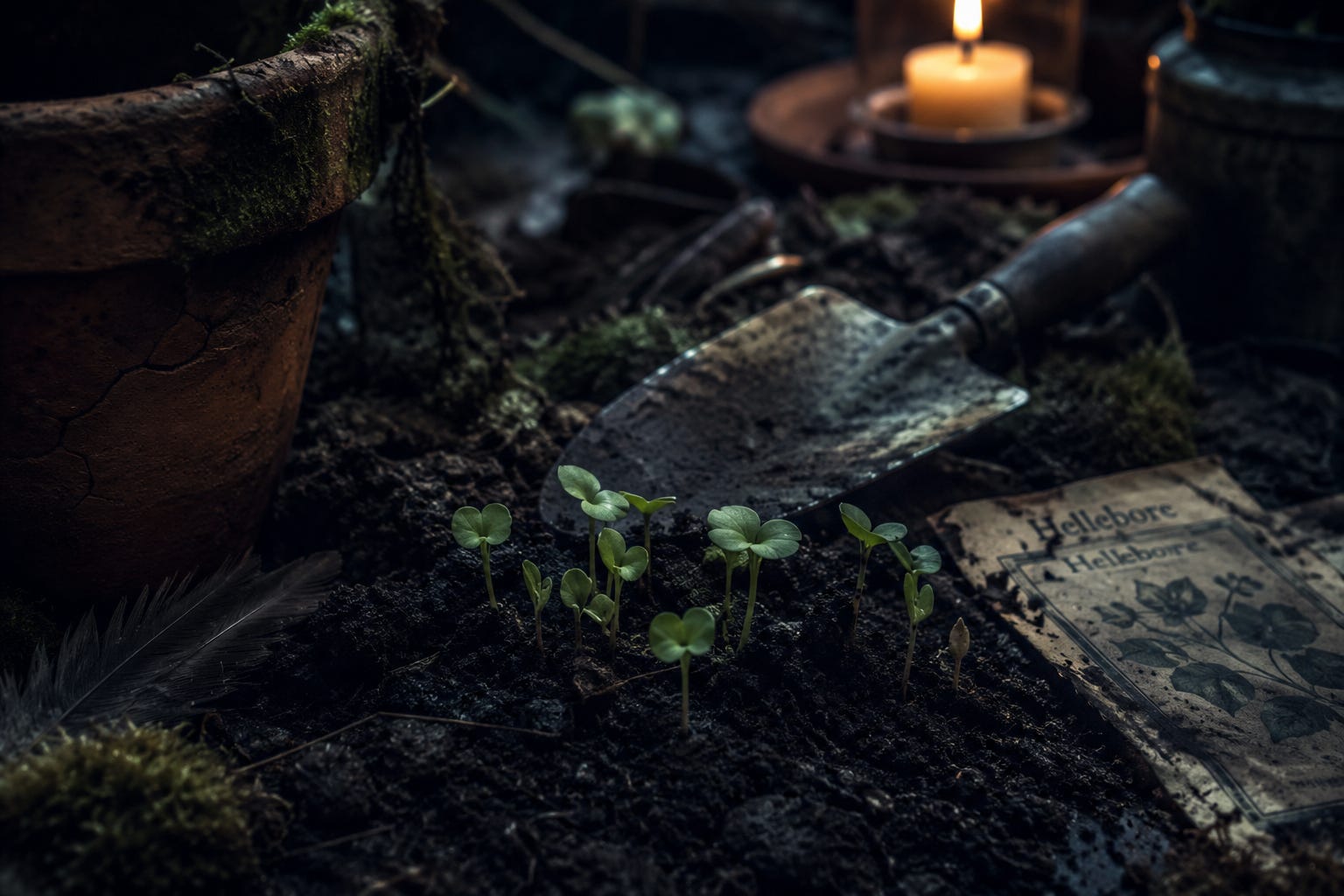
Seeds are even less convincing. Many are tiny, dry specks that could easily be mistaken for dirt, insect debris, or the contents of an old coat pocket. Yet gardeners purchase them in decorative envelopes, carry them home with great ceremony, and arrange them under lights as though preparing an altar. Then comes the chanting. “Come on.” “Please germinate.” “I know you’re alive in there.” Occasionally, we threaten them. “I paid seven dollars for twelve of you.” The seeds remains silent, as seeds often do when accused.
Eventually, a small green loop pushes through the soil, and we experience the thrill of successful resurrection. The dead speck has returned. It is tiny, damp, and immediately in danger from fungus gnats, damping-off, and our own unbearable attentiveness. This is where gardeners differ from traditional necromancers. A necromancer raises the dead and presumably moves on to conquering kingdoms or asking forbidden questions. A gardener raises the dead and then spends the next four months worrying about moisture levels.
Plants also participate in a more theatrical form of resurrection known as “coming back from the roots.” A perennial can vanish completely in winter, leaving behind nothing but black stems and a patch of mud that looks like the site of a minor crime. Sensible people assume it is dead. Gardeners crouch beside it in March and say, “Not necessarily.” We know the roots are down there, plotting. Sometimes they return politely. Sometimes they return with an army. Mint is especially gifted in this area. Mint does not merely rise from the dead; it conquers neighboring territories and installs a fragrant dictatorship. You may believe you removed it, but this only encourages it to rethink its strategy. One spring morning, it appears six feet away near the foundation, looking refreshed. “I have returned,” says the mint. “Your borders mean nothing.”
Cuttings are perhaps the purest form of botanical sorcery. You take a severed piece of plant—an object that, by all ordinary standards, should be finished—and place it in water. Then you wait. Soon, pale roots emerge from the stem like little ghost fingers. Gardeners call this “propagation,” because calling it “creating an immortal army of identical hydrangeas” would make people uncomfortable.
Compost, meanwhile, is the underworld through which everything must pass. Dead leaves, collapsed flowers, vegetable scraps, and the remains of last summer’s tomatoes are gathered into a heap and allowed to decay. It smells earthy, mysterious, and occasionally like a terrible decision. Months later, we spread the remains back over the garden so that new life can feed upon the old. This is not a metaphor. The garden is literally built from its dead.
Perhaps that is why gardening can feel so comforting. It does not deny decay. It uses it. Nothing stays beautiful forever, but very little is truly wasted. The sunflower becomes seed. The leaves become soil. The fallen apple becomes a drunken wasp convention and, eventually, nourishment. Even failure is rarely final. A plant dies, and we learn something—usually that we planted it in the wrong place, sometimes that rabbits have no respect for personal property, and occasionally that a plant labeled “easy to grow” was lying.
Still, we try again. We bury another bulb. We press another seed into the dark. We water an apparently empty pot for three suspicious weeks because somewhere beneath the surface, something may be preparing to return. Gardening is faith for people who like evidence. It is also necromancy for people who own kneeling pads. So go ahead. Dig your holes. Bury your strange little objects. Speak gently to the soil and keep an eye on the mint. Spring will come, the dead will rise, and everyone will congratulate you on your lovely garden.
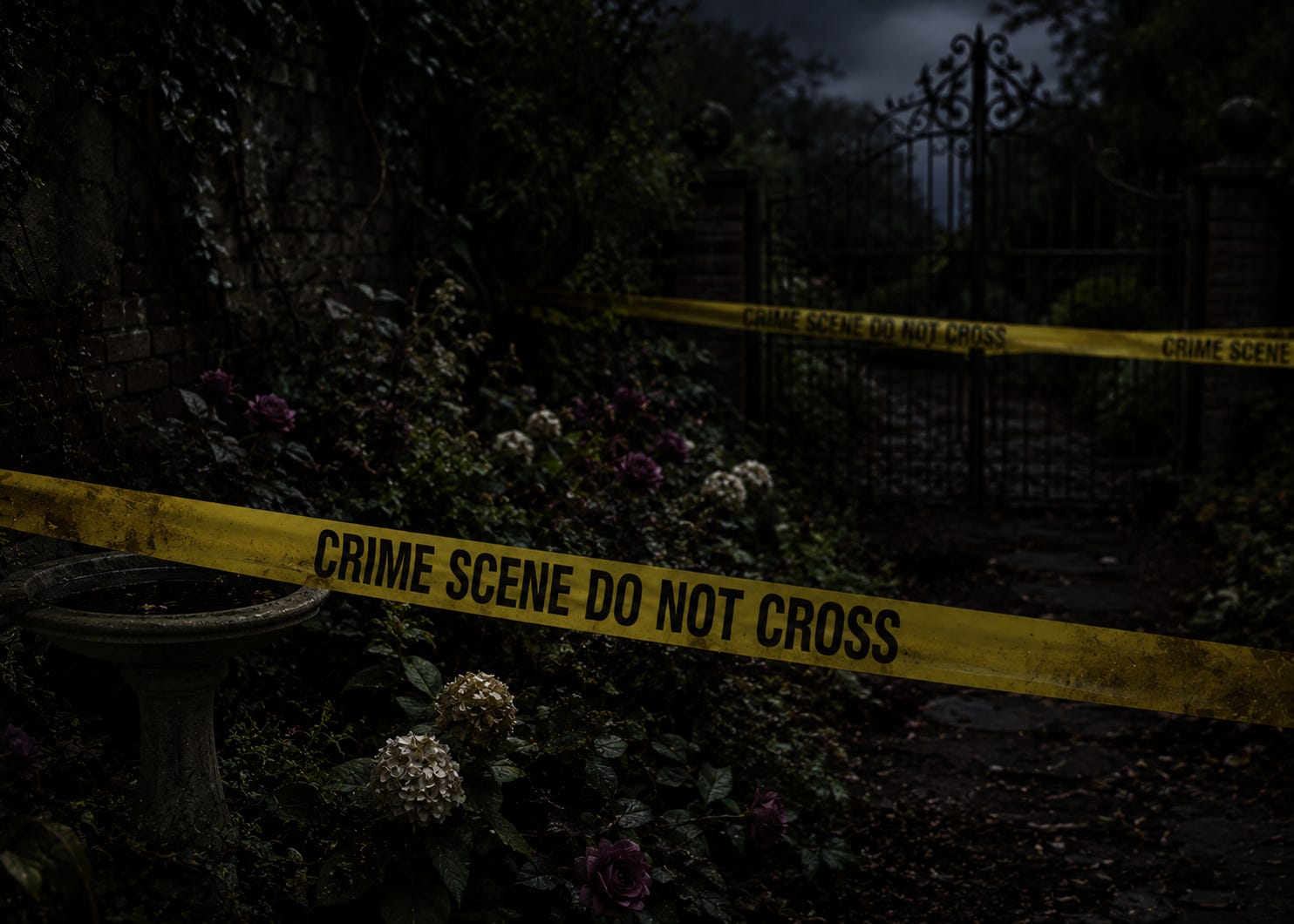
May your garden be lush, your shadows long, and your botanical crimes impossible to prove.
-G
No posts
Comments
Nothing yet. Say the first thing.
Sign in to join the conversation.