
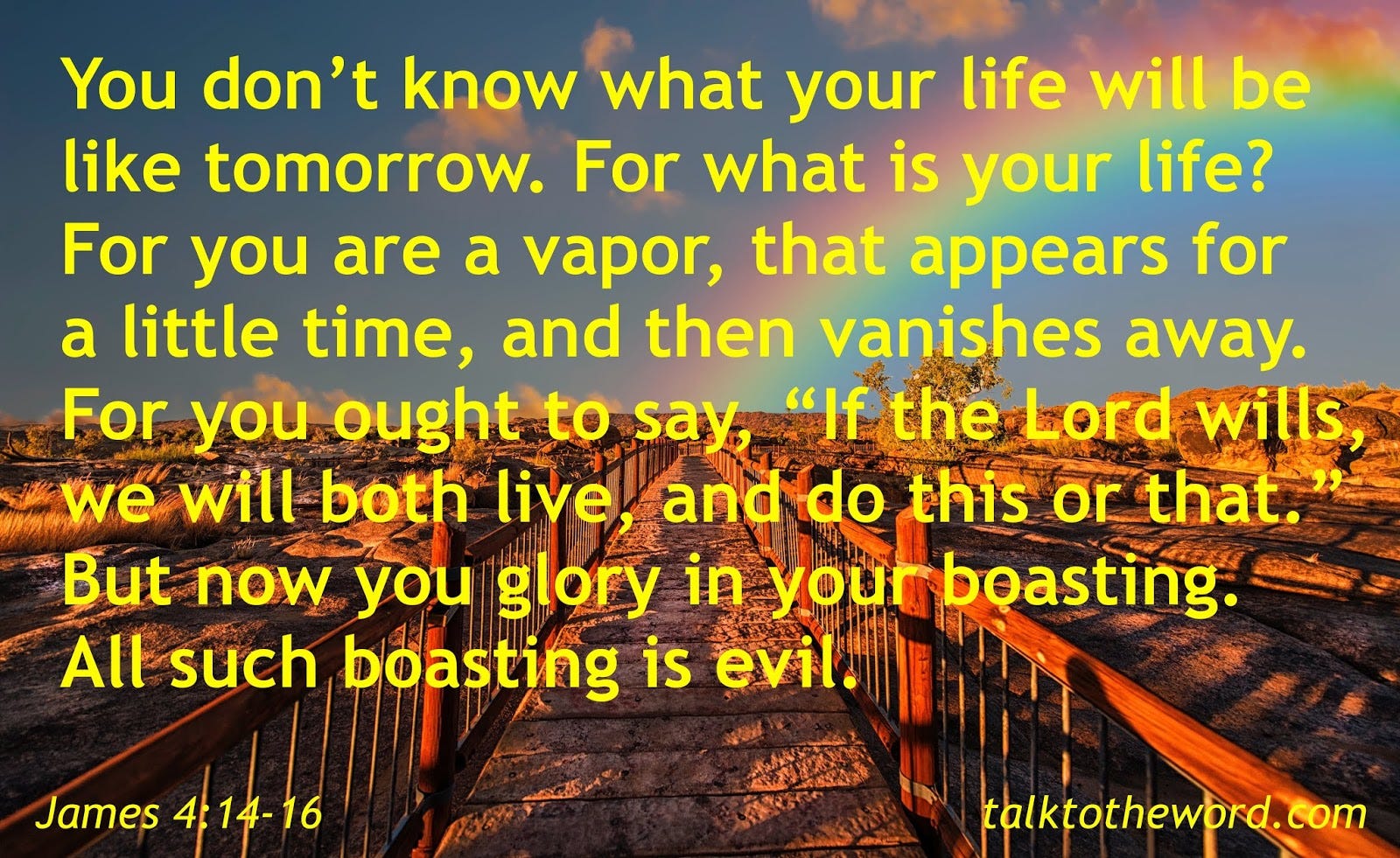
The phrase “vaporous temporal nature of each successive breath” captures a stark observation: every inhalation and exhalation is fleeting, unrepeatable, and ultimately dissolves into nothing. Human life, measured breath by breath, is a mist that appears for a little while and then vanishes (a biblical image found in James 4:14 and echoed in the Psalms). From a purely material or secular standpoint, this succession of breaths has no lasting substance. It is pure temporality, meaningless, here, then gone, leaving the Atheist person with an underlying sense of fragility, anxiety, and eventual erasure.
Christianity Presents Itself as a Welcome Relief From That Condition For Several Interconnected Reasons Rooted in its Core Claims:
1. It Relocates Identity Beyond the Temporal: In Christian teaching, a person is not reducible to the biological sequence of breaths. The human being is understood as a creature made in the image of an Eternal God that is destined for permanence. The successive breaths are real and precious, but they are not the whole story. Existence is grounded in something that does not evaporate.
2. It Offers a Concrete Victory Over Death Rather Than a Philosophical Shrug: The central Christian narrative is that the Eternal God entered the temporal order in the person of Jesus, lived a fully human life of successive breaths, suffered death, and rose bodily. The Resurrection is presented as the decisive interruption of the vaporous cycle. Death does not have the final word. Because of that event, we are promised participation in an undying life—what the New Testament calls “Eternal Life”(Zōē Aiōnios), which begins already in the present and continues beyond physical death. The successive breaths are no longer a countdown to extinction but the temporary stage of a larger drama.
3. It Transforms the Meaning of the Present Moment: If life is only vapor, then each breath is either trivial or desperately significant in a tragic way. Christianity reframes every breath as an opportunity for communion with the eternal. Prayer, love of neighbor, worship, and moral action are not merely coping mechanisms; they are ways of participating already in the life that will not end. The temporal is not denied or despised; it is taken up into the eternal and thereby given weight and purpose it would otherwise lack.
4. It Answers The Existential Ache With Hope Rather Than Resignation: Many philosophies and religions acknowledge the fleetingness of life and counsel detachment, acceptance, or cyclical rebirth. Christianity’s distinctive claim is that the vapor can be, and has been, permanently condensed into something solid: a resurrected body, a new creation, a face-to-face knowledge of God that does not pass away. That promise functions psychologically and spiritually as relief—relief from the pressure of having to squeeze ultimate meaning out of a few decades of breathing, and relief from the fear that those decades will simply stop.
In short, Christianity does not pretend the successive breaths are permanent. It agrees they are vapor. Its relief lies in the assertion that the One who gives the breath is himself outside the vaporous order, has entered it, has defeated its end, and invites human beings into a life that the successive breaths can neither create nor destroy. Whether one finds that claim persuasive is a separate question. The internal logic of the faith is that this is precisely why it registers as welcome relief from the pure temporality of breathing.
Comments
Nothing yet. Say the first thing.
Sign in to join the conversation.