

Just as France managed to contain devastating wildfires, a new emergency has emerged this summer: drought.
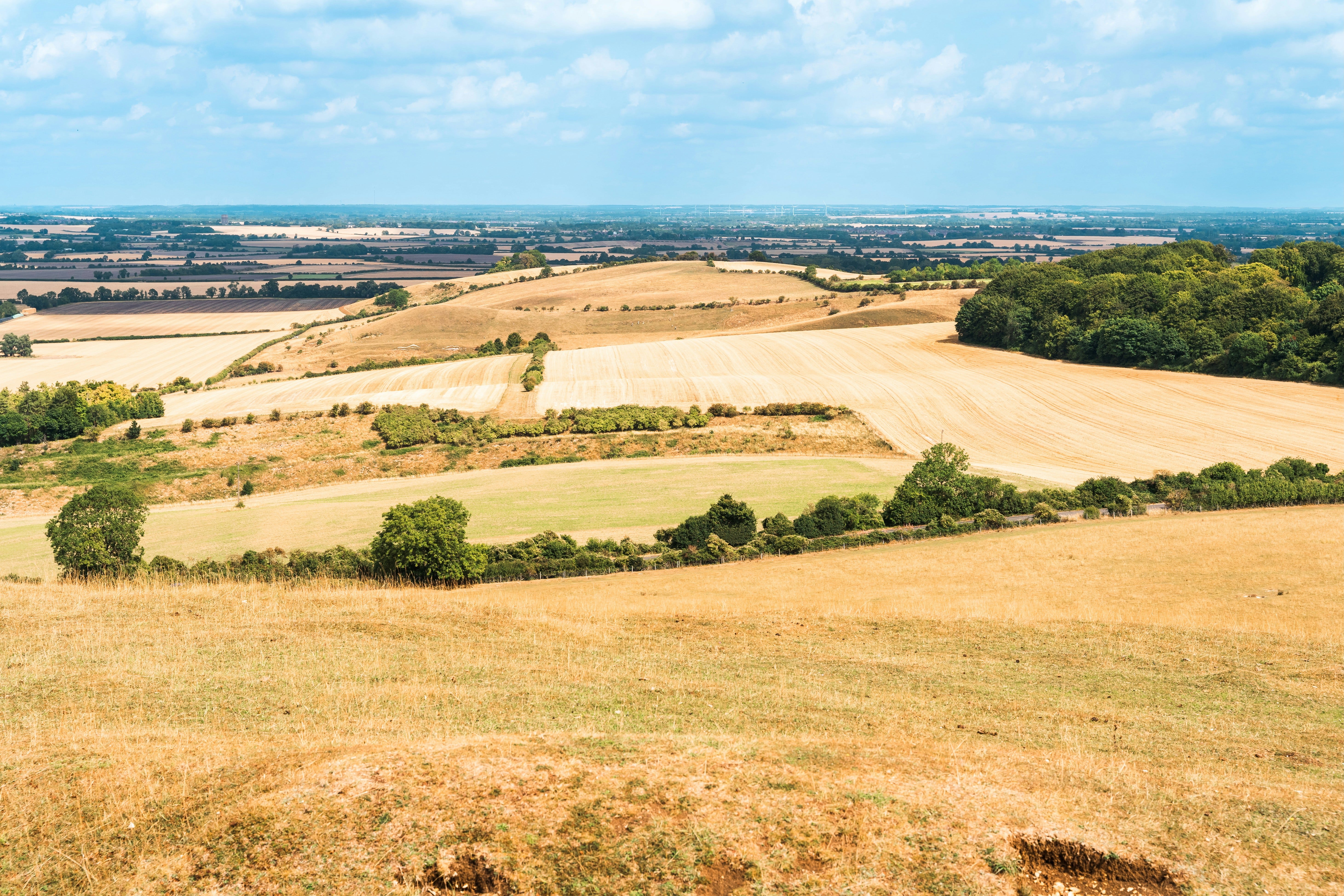
A review of the European Commission’s drought watcher shows that nearly the whole continent (including the UK) is either in drought or on watch.
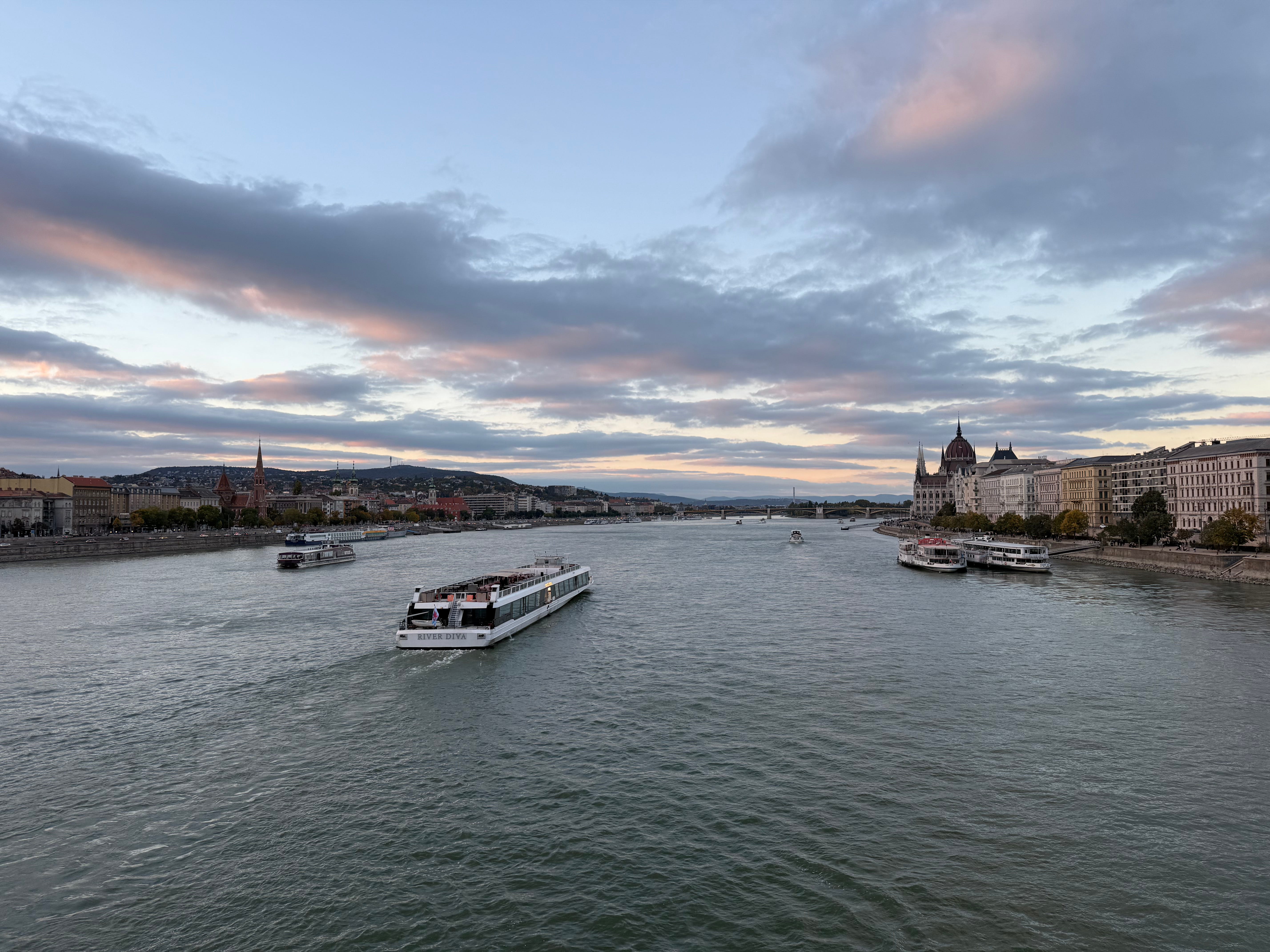
Key rivers in Europe are starting to dry up, as the heat continues to put pressure on the continent and threaten some of its energy and transport services. These rivers not only transport goods like chemicals and oil, but also provide cooling methods for some of the bloc’s nuclear plants.
And now all that is in peril.
Hungary shut down a nuclear power plant that powers nearly half of the country’s electricity after a record drought left the country without any way to safely cool the plant. Romania has also had to shut down nuclear reactors and is trying to divert water from the Danube river to cool its last operating plant. Both countries have asked residents to lower their electricity consumption in the coming days.
Meanwhile, companies in Germany that rely on Europes rivers to transport goods are having to rethink their reliance on 20th-century technology.
Farmers have even warned that the UK could face food shortages if the drought continues.
And while the wildfire near Bordeaux I spoke of last week is thankfully contained, it’s not over yet. Wildfires have broken out in Greece, Portugal and Italy and continue to rage elsewhere in France and Spain.
These wildfires are bringing up a topic I’ve been covering for several years at Green Central Banking - Europe’s climate insurance gap. The damage from the wildfires is mostly borne by private companies and could cost as much as €10 billion to €15 billion in France alone, with a preliminary estimate from The economic damage is huge, costing an estimated €15.6bn to €19.1bn in total damage and economic loss, according to preliminary estimates from experts at AccuWeather.
Read about the climate insurance gap
It’s going to be a long and hot summer, with the UN warning that a strong El Niño will only make it worse. But as some climate scientists have warned, it could be remembered as one of the coolest in Europe, as the worst is yet to come.
Loss of nature due to climate change could affect countries' creditworthiness. A recent report found that it could increase borrowing costs across 23 countries by as much as US$162bn, with China and India the most at risk.
New climate finance sources have grown, with China leading on finance contributions from Annex-II countries, some of which have become more developed or advanced economies. And while this financing is sorely needed, it’s also skewed against poorer nations, with only 8% of climate financing going to low-income nations.
Climate finance is doubling and is needed to reach net zero. But how can you make sure that financed projects aren’t just greenwashing? Experts Tianyin Sun and Yuan Zheng argue that embracing AI and other technology can help take climate finance to the next level.
There’s plenty of money out there to solve the climate crisis. The problem is that we aren’t using it well, argues Adam McGibbon of Oil Change International. National development banks are best positioned to redirect money from fossil fuel companies towards the energy transition.
Quote of the week
“Climate change and growing exposure persist, increasing the risk of larger losses in the future. The best way for society to reduce losses is to stop building in high-risk areas and to keep investing in prevention.” - Thomas Blunc, board member at Munich Re in the insurance giant’s review of the first half of the year.
While global losses were down, Munich Re warned that climate change is likely to make things worse, with heat waves “regarded as the natural hazard that claims the most lives”.
Wildfires in Europe have already cost at least €3bn and will be far higher as insurers are still counting the damage. - The Financial Times
ECB board member Frank Elderson told The Guardian that climate change and nature degradation are a threat to the economy, a sentiment he’s been saying for years, as I’ve covered at Green Central Banking. - The Guardian
The UK is in a political divide over how to approach climate change and the transition to net zero, even as the country faces increasing droughts and wildfires. - The Financial Times
The Earth is passing its limit of adaptation, and we aren’t moving fast enough to mitigate it, says climate scientist Johan Rockstrom. - NPR
Pension funds have voiced their opposition to the US Securities and Exchange Commission pulling the plug on its climate disclosures rules, with many arguing doing so would put other disclosure rules in peril and limit investor access to data. - Environmental Finance
With a French election around the corner, some are worried that French leaders aren’t taking climate change seriously enough. - The Guardian
10–11 August 2026
CETEx, Central Bank of Chile & Sustainable Macro
Santiago, Chile20-27 September 2026
New York City
SFI–SSF Conference 2026- Nature and Climate Risks Shaping Investment Decisions
24 September 2026
Zurich
26 October 2026
University of Amsterdam27-29 October 2026
Singapore
Revisiting monetary policy and price stability in the green transition
Centre for Economic Transition Expertise
With climate change and volatile fossil fuel prices creating economic pressures, central banks are rethinking their approach to monetary policy. While a transition to a green economy will create inflationary pressure in the short term, a restrictive monetary policy could affect the green investments needed. Instead, the authors argue for an adaptive inflation target, with monetary-fiscal coordination.
Feeling the heat unevenly: energy prices and household consumption
European Central Bank
Energy supply shocks such as those from the war in the Middle East and the closure of the Strait of Hormuz are not felt evenly by households in Europe. ECB senior economist Alina Bobasu writes that lower-income households end up spending a larger share of their budget on energy and have less means to absorb sudden price increases. This in turn leads to lower consumption and dampens the overall economy.
Comments
Nothing yet. Say the first thing.
Sign in to join the conversation.