

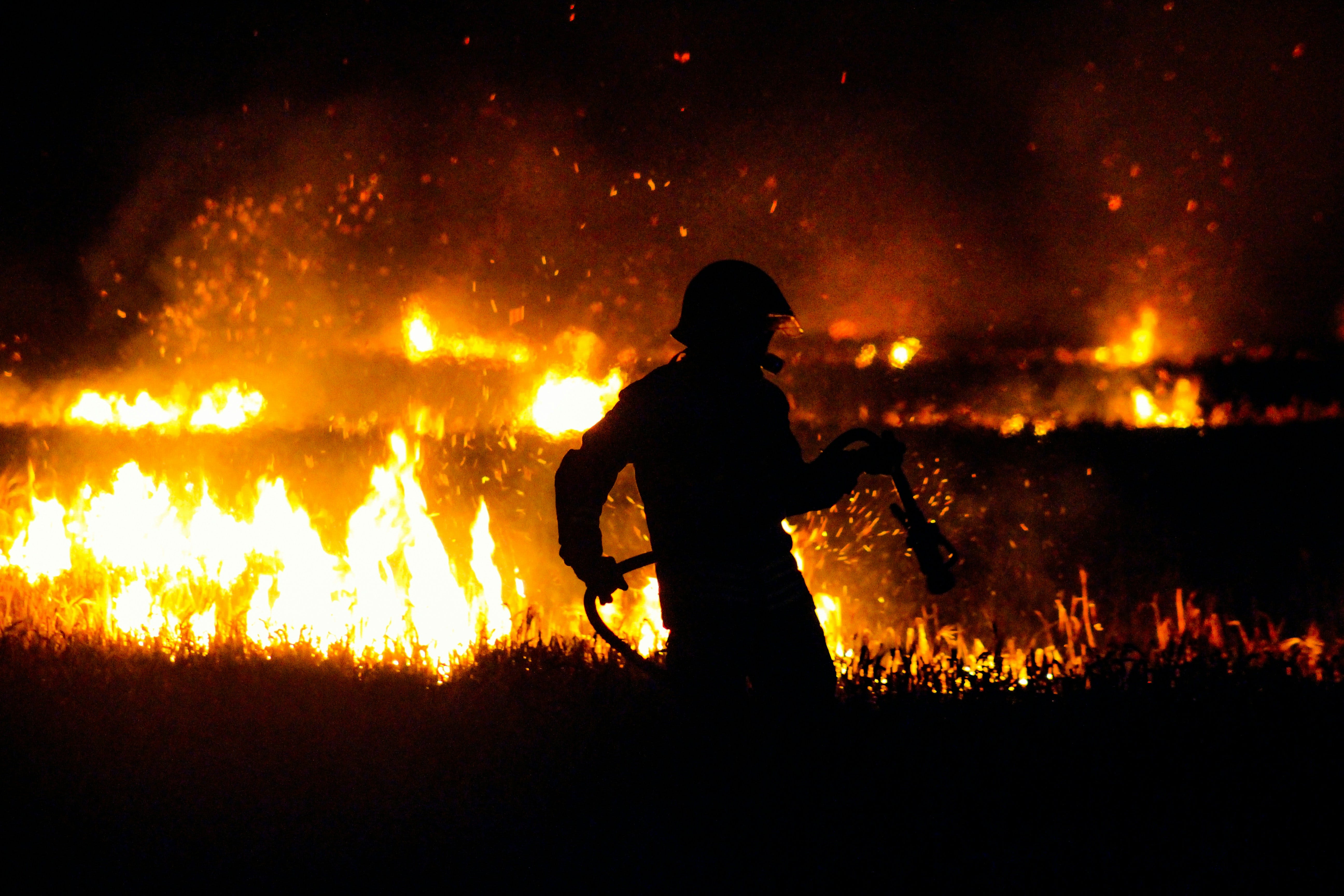
Europe is on fire. What was supposed to be a nice Sunday at the local market in the south of France ended up with me having a coughing fit as smoke from nearby fires cloaked the small village my in-laws live in.
I spend a few weeks every summer working remotely from my in-laws. It’s normally a great escape from the bustle of Paris, with clear skies, a swimming pool, trips to small villages and spending time with family.
This year was marked with anxiety, as my in-laws could speak of nothing but the wildfires. Not just the devastating ones happening near Bordeaux, but the dozens in the rest of France, including a smaller forest fire in the same region as my in-laws. Meanwhile, I’ve watched with anxiety as Madrid — a place I called home for four years — is on high alert from nearby wildfires.
While wildfire season is nothing new, it’s happening at an alarming pace in areas that aren’t used to so much destruction.
In France, this level of fire damage hasn’t been seen since WWII. The wildfires near Bordeaux have created a rare phenomenon known as pyrocumulonimbus — storm clouds that create their own weather but instead of rain, produce torrents of fire.
Hundreds of thousands have had to leave their homes in France and Spain. And with a fourth heat wave reaching Europe on 29 July, the risk of wildfires is far from over.
Experts in France warned as recently as May that climate change could change the impact of wildfires in urban areas and that France is far from ready. And it’s not just Europe that is suffering. Forest fires in Canada and the US and Algeria and Morocco have all contributed to increased health concerns about smoke exposure.
Despite warnings that wildfires and other natural disasters are likely to worsen due to climate change, it seems policymakers are slow to move. In Spain, Prime Minister Pedro Sánchez has failed to secure politicians’ approval for a state pact that would implement measures to combat climate change.
We don’t yet know what the economic impact from the fires will be, but it’s likely to be huge. And it could add to inflation concerns, as experts are already worried that crop losses from heatwaves, coupled with a strong El Niño and a difficult spring planting season due to the Strait of Hormuz closing, could lead to even higher grocery prices in the autumn and beyond.
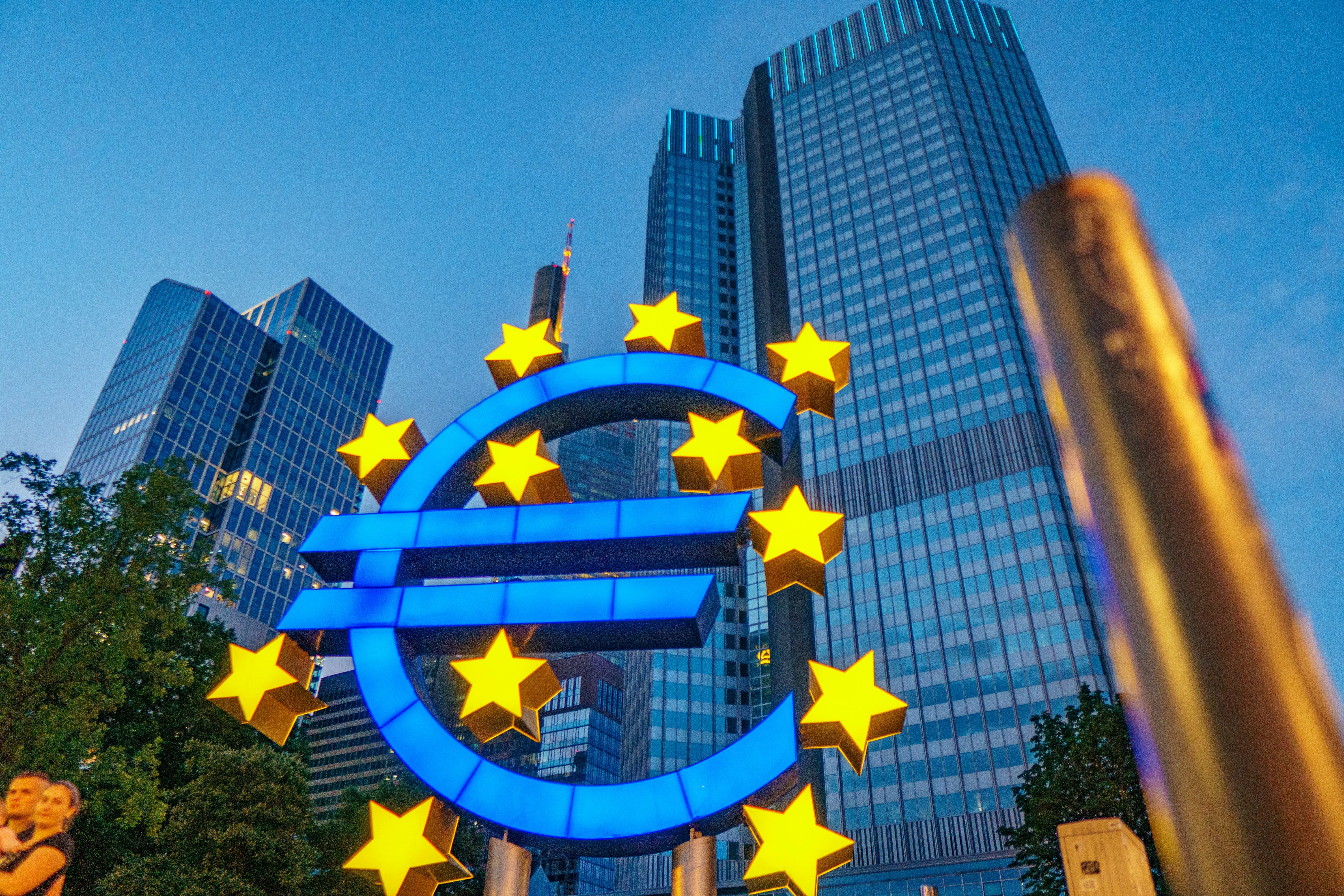
The European Central Bank expanded its climate factor to include non-bank loans, sending a signal to banks that assets linked to climate-transition risks aren’t worth as much as they might think.
Central banks should look beyond their traditional policy toolkit if they want to safeguard against climate-related financial risks, leading central bank officials and former policymakers said during a webinar.
EFRAG, the European Financial Reporting Advisory Group, has expressed reservations about the EU Commission’s request to simplify sustainability rules even as it launches a public consultation on changes to those same rules.
The UK seems to be moving away from climate in the name of defence, with Prime Minister Andy Burnham appointing former defence secretary John Healey as the new Treasury, argues GCB publisher Peter McKillop. The UK is already set to spend more on defence than on the net zero transition, with 3.5% of GDP compared to just 0.5% by 2035.
"Reducing emissions is essential — full stop. But it's not a substitute for adaptation. We don't get to choose between cutting emissions and adapting to their impact. The climate change that's already locked in demands both." - Swenja Surminski, professor at the Grantham Research Institute on Climate Change and the Environment at LSE.
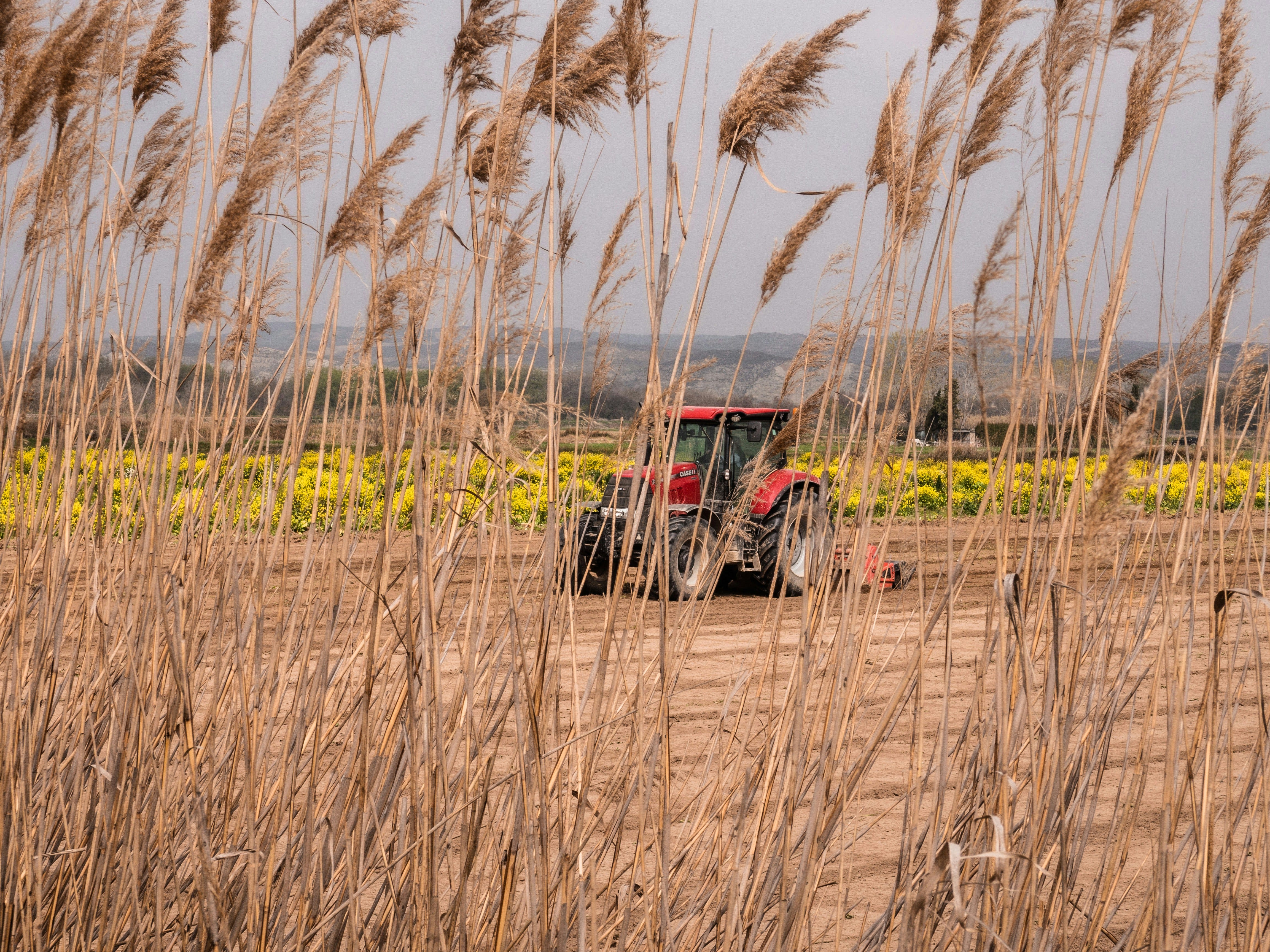
Worries about food inflation in Europe are already cropping up after June’s heat wave destroyed an estimated €2bn worth of crops. - The Guardian
And that’s already after previous concerns about increased prices from a “super El Niño” adding to inflation shock from the Iran war. - The Guardian
Wall Street is trying to pick the winners and losers of the next heat wave and make a fortune while doing so. - Bloomberg
Climate change is becoming a core banking risk. - International Banker
Longer and more frequent heat waves are starting to have a dent in summer sports. This one in particular hits close to home - some are starting to argue that the Tour de France should no longer be held in the summer after gruelling temperatures and wildfires forced the race to bend some of its rules. - Mother Jones
These scientists break down how their peers know when climate change contributed to an extreme weather event. - The Conversation
An EU decarbonisation fund meant to help soften the economic impact of a transition to a green economy was actually largely spent on fossil fuels, a new report finds. - Euroactiv
Despite political backlash on climate issues, investor demand for sustainable-focused funds is still up. - The Financial Times
10–11 August 2026
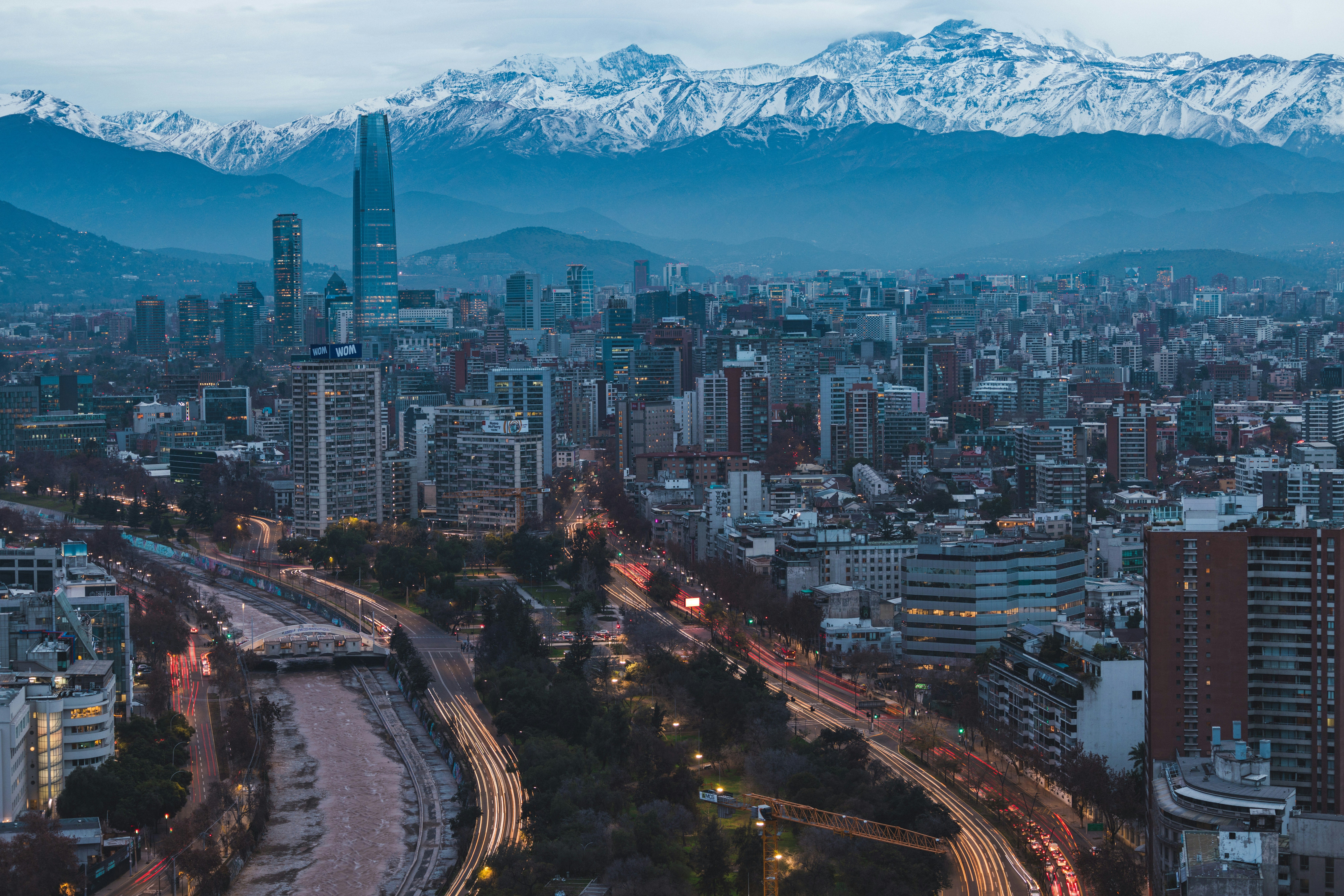
CETEx, Central Bank of Chile & Sustainable Macro
Santiago, Chile20-27 September 2026
New York City
SFI–SSF Conference 2026- Nature and Climate Risks Shaping Investment Decisions
24 September 2026
Zurich
26 October 2026
University of Amsterdam27-29 October 2026
Singapore
Call for young researchers - The Banque de France is accepting applications for its Young Researchers in Green Finance award. Applicants must be under 40 and either hold a PhD or be a PhD student who has not yet defended their thesis. They must also be affiliated with a French academic institution. Deadline: 9 October.
What do sustainability disclosures disclose?
Hajin Kim, Ningzi Li, Ronen Feldman, Yuval Feldman, Yun Liu
This joint working paper finds that while there has been rapid growth in voluntary sustainable disclosures, it doesn’t always lead to quality reporting. While reporting has become mainstream, it includes a lot of fluff and is less quantitative. Meanwhile, voluntary standards and external assurances show mixed quality outcomes. Understanding these differences is key as policymakers look to make reporting mandatory, the authors argue.
Climate change’s heat tax on the UK’s labour force and economy
Grantham Research Institute on Climate Change and the Environment
A short research brief from the London School of Economics finds that June’s heat wave cost the UK economy £0.77bn as people worked less due to increased temperatures. The authors note that the numbers are likely to be higher, as it does not take into account actual effort and productivity levels during working hours.
Comments
Nothing yet. Say the first thing.
Sign in to join the conversation.