

“Every time I talk about the weather, I think about climate change.”
My husband said this to me recently as we were discussing our summer holiday plans and wondering whether the heat wave would break.
While climate change is always on my mind as a journalist who writes about the topic every day, it’s increasingly becoming a topic of discussion with all of my friends and acquaintances — even those who don’t normally follow the nuances as closely as I do.
And as I recently reported, climate change is even changing the world of monetary policy. Research from the Banque de France shows that banks lend less during heat waves. The Network for Greening the Financial System has also warned that increasing extreme weather events is likely to lead to inflationary pressures. Central banks, it says, should consider the long-term impacts of climate change on the economy and monetary policy.
The conflict between the US and Iran has also exacerbated the situation and shown how dependent the world is on fossil fuels. This, combined with climate change, has led to an increase in food prices, according to Frank Elderson, executive board member of the European Central Bank, speaking earlier this month.
“Merely managing the risks related to energy insecurity, climate and nature is not enough. By taking action to accelerate the transition to net zero carbon, it is possible to bolster Europe’s resilience to these risks and lessen their economic impact,” he said at the World Congress of Environmental and Resource Economists.
But while several central banks have been following this issue closely, it’s not just up to them to sound the alarm. It requires “many different actors to play their role,” with central bankers operating “within the context of the policy decisions taken by those who are policymakers in these fields,” said Elderson.
In other words, if actors like finance ministers, policymakers, governments and central bankers work together, the disruption and volatility caused by the green transition will be less severe for the economy.
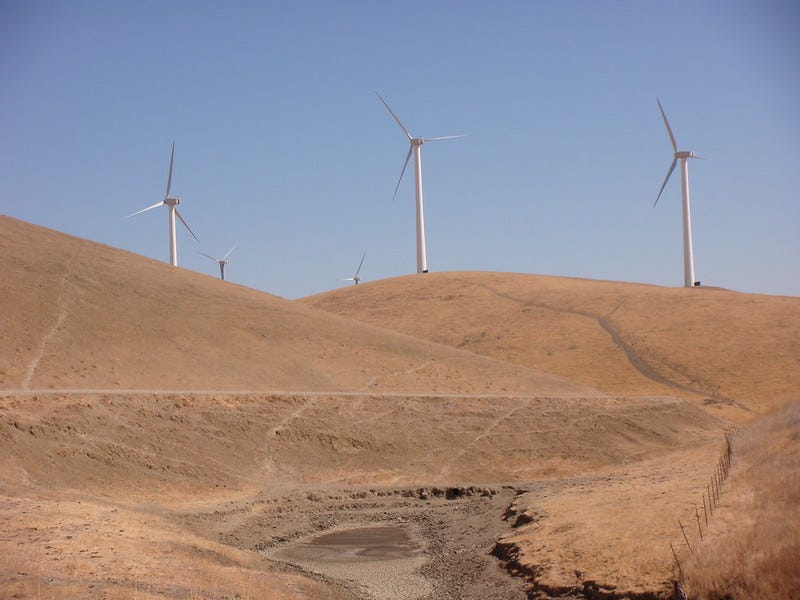
Climate change is increasingly affecting inflation and economic growth, making it a growing concern for central banks and monetary policymakers. The Network for Greening the Financial System says that climate change is likely to increase prices and have an impact on inflation. The central bank network argues that early climate action could reduce long-term economic and financial risks.
Banks and insurers are already at risk of climate litigation, the European Central Bank’s legal chief has warned. The London School of Economics’ ninth annual snapshot of the state of play in climate litigation shows that insurers are increasingly seeking restitution linked to governments’ failures to tackle climate change.
Banks are less likely to lend during a heat wave, which can lead to lower growth in the long-term, research from the Banque de France found. While some banks don’t completely withdraw from sectors, they may shorten loan terms, the report authors found.
The UK’s financial stability is at risk from climate change, the Bank of England has warned. A repricing of assets due to climate risks could lead to massive stress on markets, the central bank found.
“We need reforms to global financial architecture to access finance based on vulnerabilities, not income levels,” - Jwala Rambarran, former governor of the Central Bank of Trinidad and Tobago during a webinar following the Santa Marta conference.

Europe’s heat waves are testing the climate resilience of the bloc, writes researcher Julia de Freitas Sampaio in The Conversation.
While the EU wants to double its electricity use, Brussels is backing away from making a legal commitment. -Politico
Europe’s climate adaptation costs are soaring. But who will actually pay? -EU Observer
Brussels is making changes to its carbon markets. A group of NGOs and researchers warns that the reforms could threaten the bloc’s climate targets. -Clean Energy Wire
The impacts from climate change are already trickling down into the economy. -Time
10–11 August 2026
CETEx, Central Bank of Chile & Sustainable Macro
Santiago, Chile20-27 September 2026
New York City
26 October 2026
University of Amsterdam27-29 October 2026
Singapore
European Central Bank
A working paper from the European Central Bank finds that an unexpected tightening of the EU Emissions Trading System led to firms with high emissions cutting their greenhouse gases without reducing output. In other words, the reduction came from improved efficiency rather than production cuts.
Credible Taxonomy Canada
Canada has opened public consultations on its green taxonomy proposal, which the government has struggled to pass due to disagreements about the role of fossil fuels. This research paper presents the case that including oil or gas would be problematic, misguided, and reduce the overall credibility of Canada’s taxonomy.
Comments
Nothing yet. Say the first thing.
Sign in to join the conversation.