
The Super Bowl has always served as a money-making spectacle which pushes products and services to hundreds of millions of viewers. But beyond this simple objective, the annual athletic spectacle has always helped to convey how the underlying aspects of American society were performing and taking shape. Times of struggle and hardship beget emotional ads predicated on patriotism and love for country; political unrest brought with it ads devoted to friendship and appeals to some vague form of bipartisan consensus; economically, ads also helped to show which new and shiny things were helping to propel our society into the future of consumption.
Rather than just serving as an American pastime, the event has managed in the 21st century to evolve into a kind of social and cultural mirror, conveying back to us various aspects of our country that we both enjoy and disavow. When watching the adverts, we as Americans are able to witness firsthand how corporate America is attempting to sell us new products and services through the means of cultural and emotional appeal. It is as if, for just a moment, we are able to see openly, the underhanded logic driving the snake-oil salesman, and for many, this is both exciting and entertaining. But over the years, our consumer republic’s biggest spectacle has seemingly lost this salience more and more, and the driver of this decline is largely based on a change in economic conditions rather than culture or prestige.
The football game itself, while semi-close until the latter half of the 4th quarter, was not all too interesting or nerve-racking. The Seahawks won, the Patriots lost, and nature within the sports world seemed to heal. Movie trailers and celebrities still dominated in large numbers, as did emotional appeals meant to instill within us a familial fondness for Rocket Mortgage and Budweiser. But more often, these coveted ad slots were littered with appeals to gambling and get-rich-quick schemes. Sports betting platforms showered us with constant updates and opportunities to make it big, as did AI companies with their promises of future returns and achievement. Even within the realm of healthcare, weight-loss and the rapid thinning of our own bodies took center stage, offering us a quick and easy way to fix our ailments or insecurities.
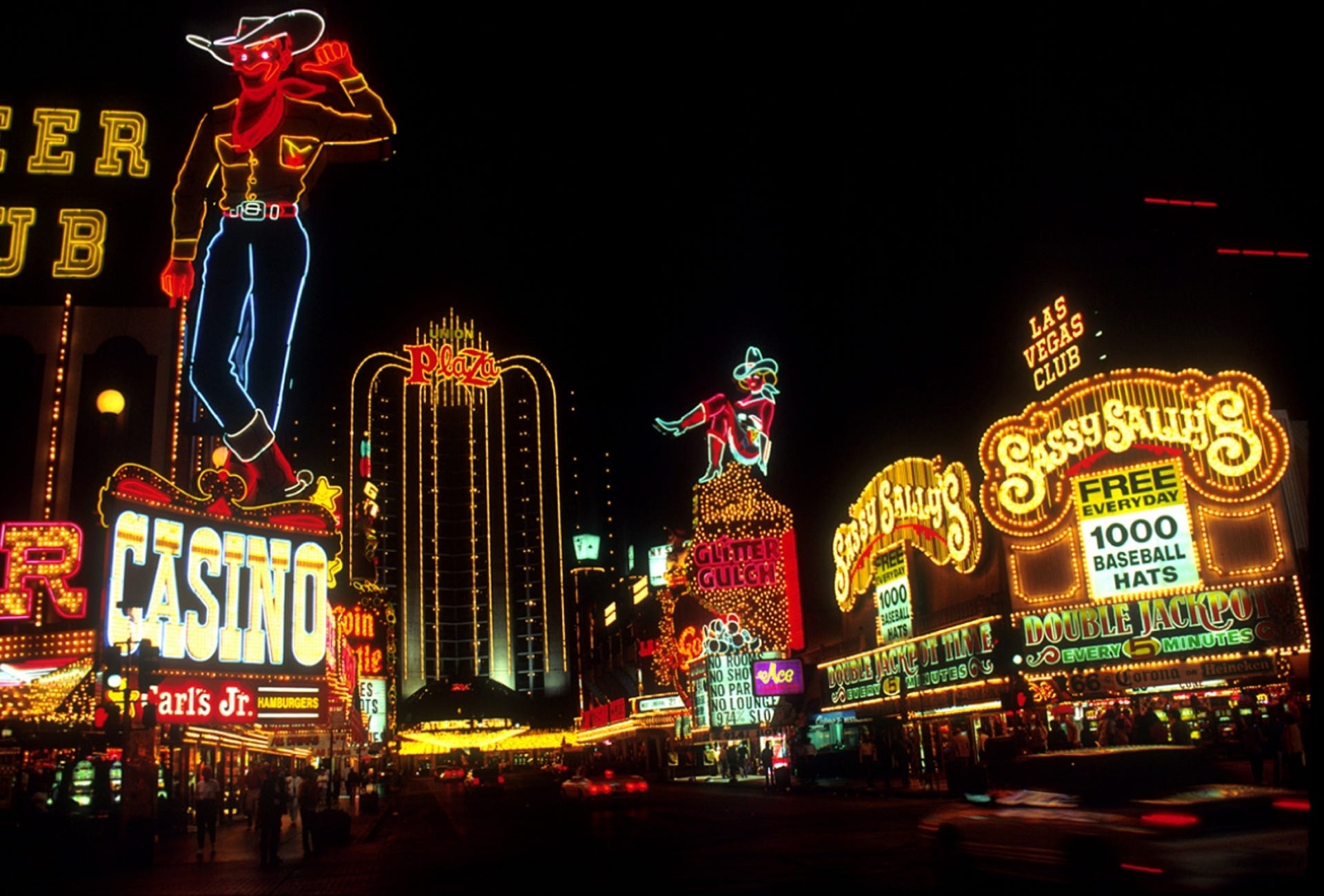
The Super Bowl is a mirror into what makes our current moment tick. It offers glimpses into what is currently making money and what is expected to make greater returns in the future. Appeals to technology, the past, and patriotism have always existed, as have ads meant to frame success as being something within arms’ length. But the mirror this time around did not convey any semblance of optimism or innovation, nor was there any appeal to American unity; it just merely conveyed an economy that is now nothing more than a casino, a gambling ring characterized by lumps of liquidity chasing an ever-shrinking opportunity for success.
Crypto platforms, AI, and sports betting, despite all the ostentatious flash, are in the end just different coats of paint for the gambling industry. Quite ironically, it is within these three industries where much of our recent growth has been concentrated and praised. Investors, in each of these sectors, rather than creating value or providing new avenues for innovation, are instead merely betting on future valuations or on the potential of an outcome. Similarly to derivatives, investors and gamblers now stake their bets, not only on the future valuation of the housing market, but on various granular events and outcomes. Bets are placed on the weather; they are placed on the occupation of Greenland and Russian gains in Ukraine; they are placed on crypto assets, meme coins, and potential rug pulls; and in some cases, they are even being placed on bets tied to bets tied to other bets. Bets are plentiful, but their supposed ability to drive growth is making less and less sense.
Markets are betting on AI’s increased valuation without substantial evidence that the technology will improve our lives or productivity, or that we’ll even have enough water and energy to power it to its most productive potential. We are betting that crypto coins will serve a greater purpose beyond just being another financial asset to play around with. Within sports, every little game, detail, or outcome is now tied to an ocean of bets and counter bets. Insider chicanery and gamesmanship, within all of these industries, is growing and little is seemingly being done to tamp down on the growing problem of overvaluation and corruption.
Within healthcare, we are betting that weight loss drugs will deliver perpetual growth for the pharmaceutical industry alongside positive individual results, and all with no consequences. Bets are not being placed on expanding coverage, or on how the closure of hundreds of hospitals and clinics nationwide will impact living conditions and health, and this is because no profit logic exists for these options. Bets are centered around products, and on the ability of these products to deliver higher valuations and higher charges to the average insurance holder, with no emphasis being placed on outcomes for the average person.
After all, a casino is not concerned about the mental health of a client, only on the ability of them to continue to gamble and drive profit. And the great thing about being a casino is that the house always wins, especially when backed by robust legal and political authority. The casinos of Wall Street, Big Tech, health insurance, and crypto will not be the ones who face existential fears of insolvency or collapse; this luxury will be reserved for normal people. These industries of promised gains are playing with the house’s money, and they’re well aware that they’re too big to fail. As the saying goes, if you owe the bank $100 that’s your problem, but if you owe $100 million it’s theirs.
Success in today’s economy is driven by the specters of speculation and financialization. It’s essentially economic vampirism, with fraudsters out simply for the purpose of draining life and resources from unsuspecting people. Growth now stems from scams, corruption, rug pulls, insider trading, reckless investment, and personal brand legitimacy. Playing nice with the President increases your likelihood of success, as does attaching the title AI to any kind of company or startup. It is an economy where oceans of liquidity are splashing around trying to find what lucky investment, coin, or event will help to deliver quick and easy wealth. Everything is short-term, defined by a logic of instant success, a belief in personal infallibility, and a cultural moment of intense listlessness and alienation.
The Super Bowl’s famous ad spaces ultimately felt empty and unoriginal because they are representative of our current political-economic moment. It is a freeze frame, helping to convey the tip of an iceberg which is much larger in size for those willing to look beyond the surface. Thus, do not expect our cultural moment to suddenly improve, nor should you anticipate some magical or positive shock which will help to make everything positive and affordable. Our problems are structural, not vibe-based.
Within the next two years, millions of Americans will lose healthcare, SNAP benefits, and large chunks of their savings. More and more, gambling within our various emerging betting platforms will seem like a form of economic escapism, offering get-rich-quick pathways that are unavailable anywhere else. In the end, people who are desperate will increasingly use these platforms as an attempt to pull themselves out of precarity, with casino capitalism serving as the logical endpoint for what’s left of the American dream. With social mobility and meritocracy dead, the only potential avenue left is either generational or luck-based wealth
As hiring rates grind to a halt, and as large segments of the population face either unemployment or underemployment, these effects will trickle down into culture. Cost-of-living pressures will remain salient, as will the economic disconnect between official indicators and the actual lived experience on the ground. It will be socially and culturally alienating, thus helping to further reinforce the logic behind our desperation-driven casino economy.
The Super Bowl’s shitiness was not an aberration. It is a glimpse into the conditions of our current economy and society, and things look mighty bleak at moment.
No posts
Comments
Nothing yet. Say the first thing.
Sign in to join the conversation.