
Our coffee module has been going wonderfully well. As Pranoy pointed out, coffee can often feel like a bit of a boys’ club — a sentiment reflected in the many wonderful and curious men who joined the call. But it was equally exciting to see so many women attend too: some coffee farmers, others simply curious to learn.
Pranoy Thipaiah and Marc Tormo have both been fantastic speakers, and our final session in this module is Arshiya Bose. She will be exploring biodiversity-aligned farming practices, the indigenous communities who hold generations of ecological knowledge, and what these knowledge systems can teach us about growing coffee in harmony with the living world around it.
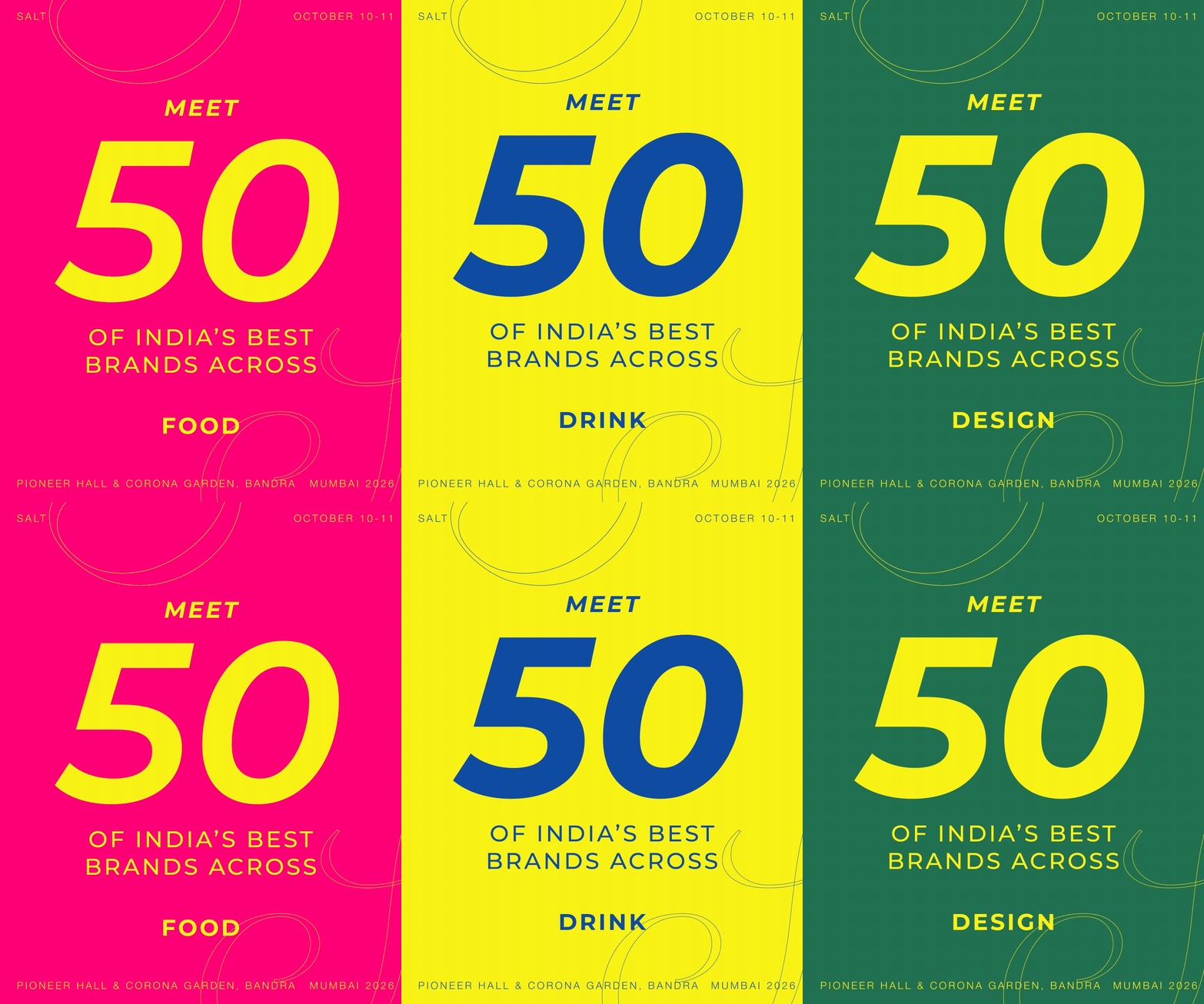
SALT Early Bird tickets are now live! For this month only, we’re offering 2-day access for the price of 1.
Expect immersive tastings, thought-provoking talks, and the chance to discover exceptional artisanal brands and meet the founders behind them. Beyond food and drink, we’re bringing together design, furniture, art, lighting, and more — everything that celebrates the joy of hosting and makes gathering beautifully feel effortless.
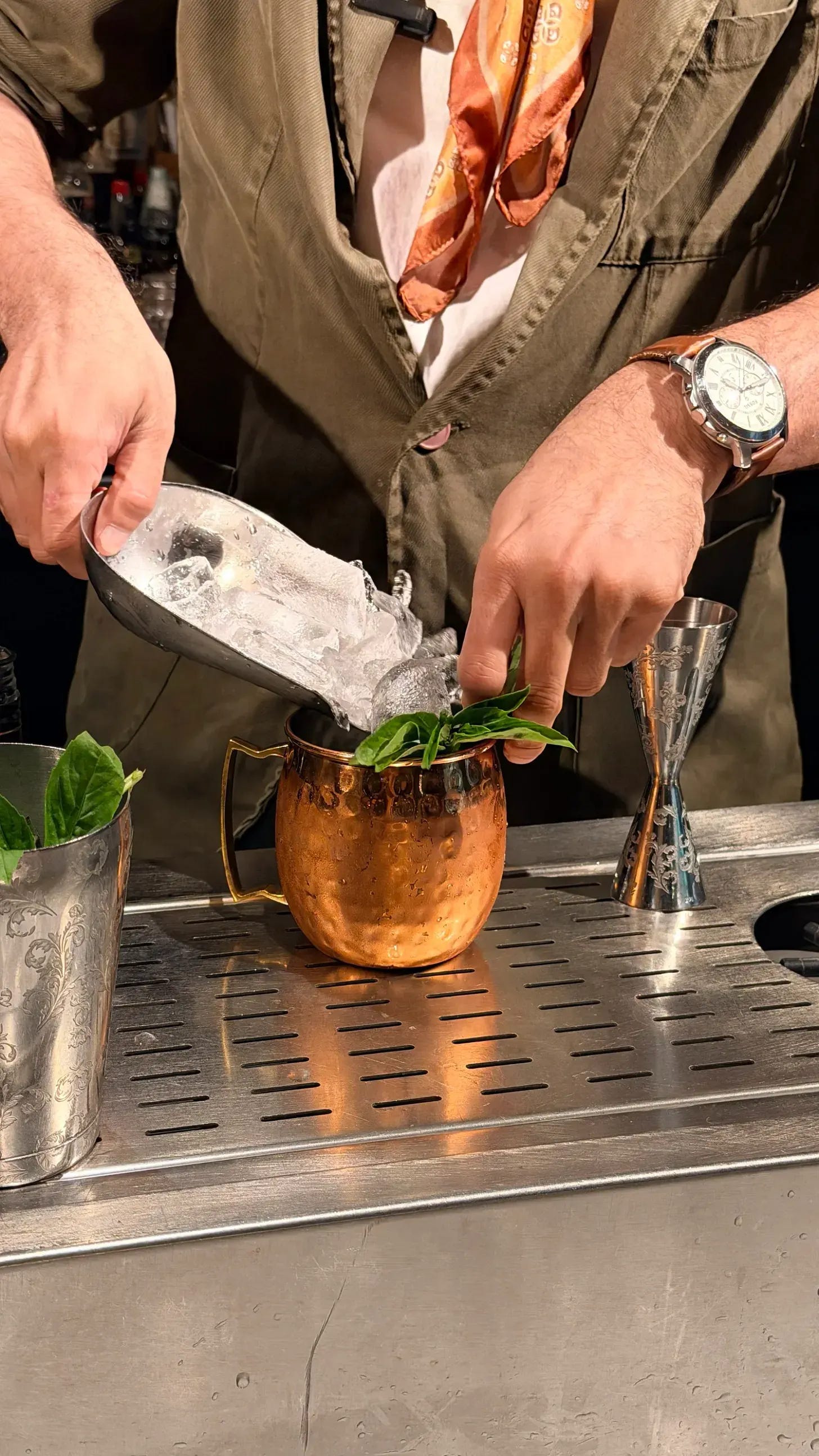
In 1941, this classic cocktail was birthed as part of a guerrilla marketing campaign by a fledgling vodka company. Smirnoff, Cock ‘n Bull ginger beer and Sophie Berezinski, an immigrant from Russia created a cocktail that was strong on marketing flex. Smitha tells the full story here. Leaving you with Cobbler & Crew’s experimental take on the Moscow Mule
COBBLER & CREW’S RECIPE FOR MOSCOW MULE
Ingredients
60 ml vodka
15 ml fresh lime juice
180 ml ginger beer
3 dashes five spice tincture
2 fresh basil leaves
Fresh lime wedge and fresh basil sprig for garnish
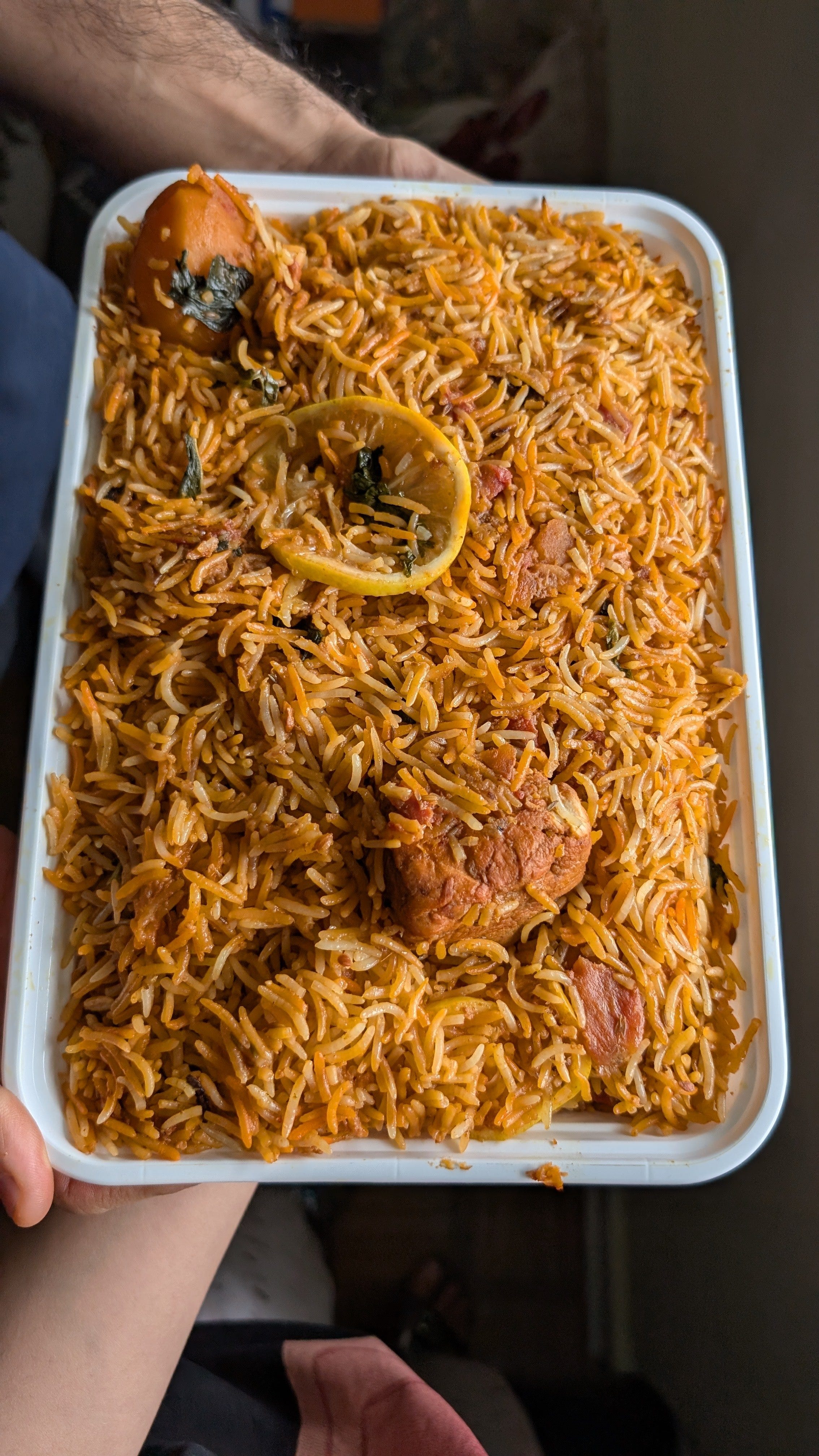
To understand how biryani became what it is today, we need to trace back not to a single moment of invention, but to the slow accumulation of ingredients, techniques, and people across thousands of years, argues Maryam Ahmad.
In South Asia, Lucknowi, Hyderabadi, Sindhi, among many others, expanded their repertoire to welcome fruits, vegetables, nuts and even sweets.
With the onset of the British East India Company, Biryani’s popularity only grew. Qanoon-e-Islam detailed at least 25 varieties of pulao, as the Crown continued to employ Indian cooks. Colonial influence also helped globalise Biryani in Burma, part of British India until 1948, creating the Burmese biryani. Similar traces of globalised biryanis are found in Thailand, Indonesia, Cambodia and Vietnam.
Read more about the origins of biryani here.
#GoodThings Some of our favourite brands from around India are going to be at SALT!
Raukadella: Increasingly the chocolate brand of choice for discerning bakers, Raukadella’s 80% dark from Idukki is what dreams are made of. Find them here.
Shillar House ghee: Sure a cheese pantry is great, but do you have a ghee pantry? This delicious pahadi ghee is a staple in our kitchen. Find it here.
Three-One Farms: We could listen to Anushka Neyol talk about grain all day. Lucky for us, she’s going to be at SALT, sharing stories of life on a farm and retailing heirloom varieties of wheat. Shop them here.
Until next week,
bon appetit.
No posts
Comments
Nothing yet. Say the first thing.
Sign in to join the conversation.