
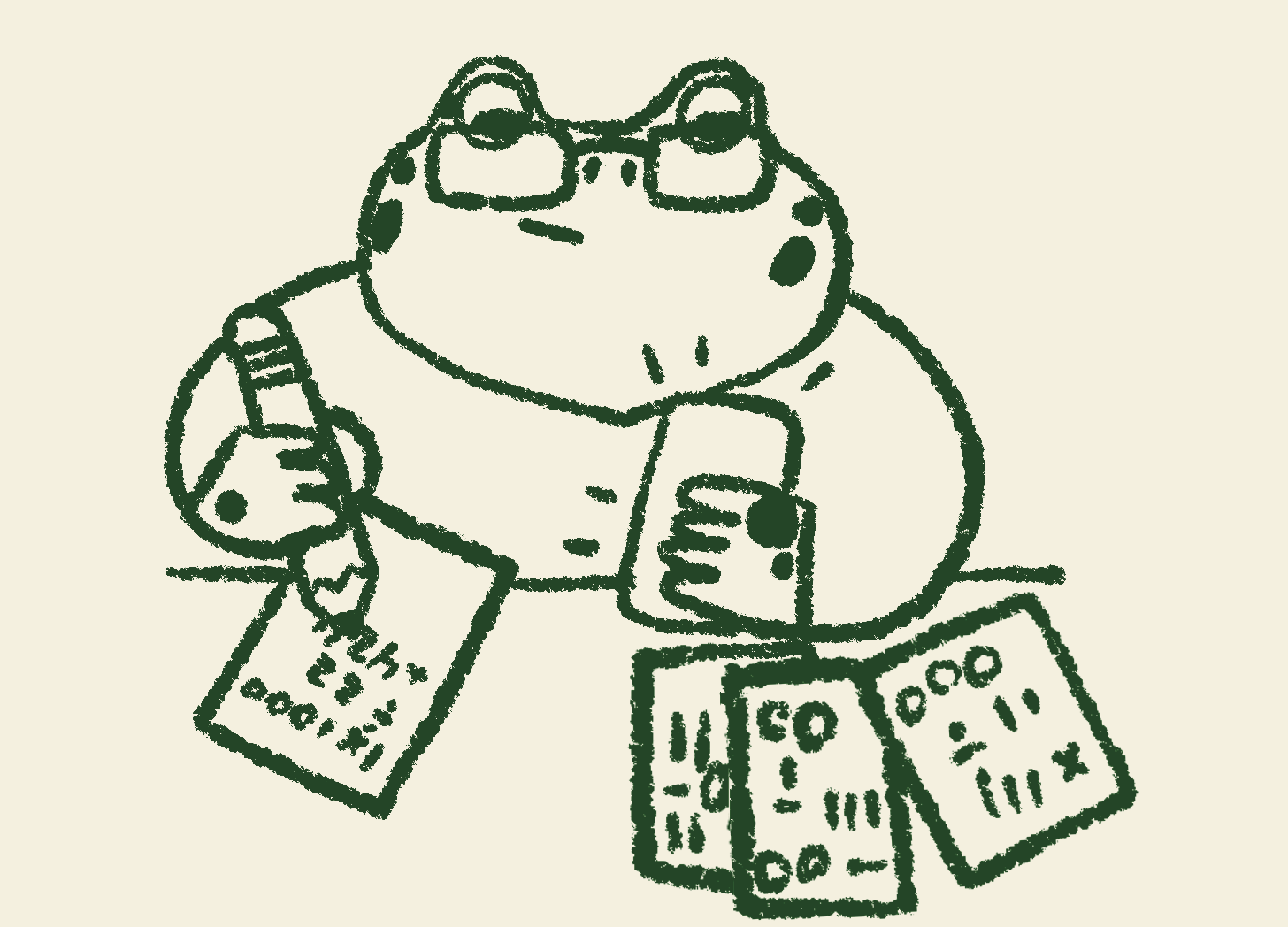
The other day I decided it was time once again for me to “get my finances together,” an epiphany I have had about twice a year for two decades. These days “getting my finances together” usually involves downloading some new app that promises to help me get organized and make a plan for a happy, secure future that somehow dodges all financial turmoil and millennial money challenges. This time I decided to try Boldin, a product that promised to “give me a complete overview of my finances” as well as ways to “reach my goals”— my goal has always been to work as little as possible so I have space and time to focus on making art, so I was eager to see what magic Boldin would work that would enable me to work less and/or retire early (because that’s how it works, right? You just enter the numbers and more money magically appears?).
** A NOTE: I actually think I am generally on top of my finances and am pro everyone having a handle on their money. I’m privileged to have been planning for retirement since I started working and am thoughtful with spending and saving, so want to make it clear that the planning exercise I’ll be describing in this essay is not the normal, responsible sort that I think it’s good for every person to practice. What I’m describing here is the anxious, hopeless sort of planning you do when you’re burnt out at your job and the world in general and wish a pile of money would appear that would allow you to retire immediately and magically escape the woes of the world. Just wanted to clarify early— I am in no way advocating for not being smart with money and believe everyone should have a savings plan if possible! Ok I will continue. **
As I began to set up my Boldin account, I was asked for lots of numbers— my salary, the amounts in my retirement accounts, how much I plan to spend monthly for the rest of my life— and then I was asked me for my estimated age at death. I have always thoughtlessly typed in 95 or 100 when faced with a question like this in the past, but this time Boldin let me know that if I wasn’t sure, I was welcome to check the Social Security Administration’s official Life Expectancy Calculator. Curious, I entered my sex and birthdate and clicked submit, where I found that based purely on these two demographics I had approximately 47.3 years left to live for a life expectancy of 85.6.
This figure didn’t phase me as I entered it into Boldin to learn how the money I planned to save could be optimized until my timely death, but as the days passed I found myself fixating on the 47.3 years that remained in my life. I’m currently 38 so my estimated life isn’t even half over yet, which made it feel long. But then I thought of my father, who is already in his mid-70’s, and suddenly the number felt way too low.
The results that Boldin produced in response to my data also lingered in my mind and evoked more questions than answers. Boldin, like every financial advisor I’ve ever listened to, wanted me to continue to earn the same amount with annual inflation increases every year until my 60s and then to spend that money modestly throughout retirement, dying with a sizable “estate” leftover. While I agree that this plan is financially “safe” and had come to Boldin for exactly this sense of security, I left feeling even more certain that the only certainty in life is uncertainty and that any sense of security a planner tried to offer me would feel like a lie. Maybe it’s due to being a millennial who graduated college mid financial collapse, or maybe it’s due to my skepticism of capitalism in general, but I realized that no planner or product could give me what I was looking for. I have not yet had a linear career path with continuous salary increases and expect to continue to have a series of financial ups and downs in the future. While I thought the promise of a stable salary and predictable future would bring me comfort and peace, I found that it actually made me feel trapped and uninspired. Where was the adventure? The opportunity for growth and new experiences?
Also, despite the Social Security Administration’s data I had little to no confidence in my 85.6 year life expectancy. Every day I hear news of another healthy celebrity or community member who has faced an untimely death due to an unforeseen illness. This combined with my own mother’s short lifespan of only 57 has caused me to have a shorter expectancy of my own life. While I do plan financially for a long life because thats “the smart thing to do,” the way I actually live my life is with the expectation that I may not wake up tomorrow— more of a work-to-live perspective than a live-to-work career plan. As I was in this financial calculation spiral I happened to read the fake buddha quote “You think you have time” — I realized that by spending so much time fixating on money, trying to conduct semi-annual future calculations, and “life planning” I had been putting off the exact same dreams and goals that the money those plans produced was supposed to fund.
This tension between long term “smart” planning and the “wise” path of living in the moment has always been a struggle for me, but moments like these where that tension is spotlit give me clarity. I thought that looking at my finances again would magically make a hidden pile of money appear that would somehow enable me the time and space to create the work I always dreamed of, but really I was just engaging in another form of procrastination that was stopping me from doing the work. This procrastination takes many forms for me, but usually comes back to money— sometimes I’m browsing for new day jobs, sometimes researching some new side hustle that promises to revolutionize my life through passive income, or sometimes, like this time, I’m just staring at numbers I already know wishing they would change. They say that “time is money,” and in many ways it is, but I continue to try to buy more time (impossible) rather than to spend the time I do have wisely.
I keep coming back to my evergreen mantra: just make something. In this world of overconsumption, both materially and digitally, creation is often the solution. The next time I’m sitting at my day job dreaming about all the things I could be doing if I simply had more resources to do so, I’ll stop my pity party and put pen to paper and create something instead— all the resources I need are already sitting right in front of me.
↓
↓
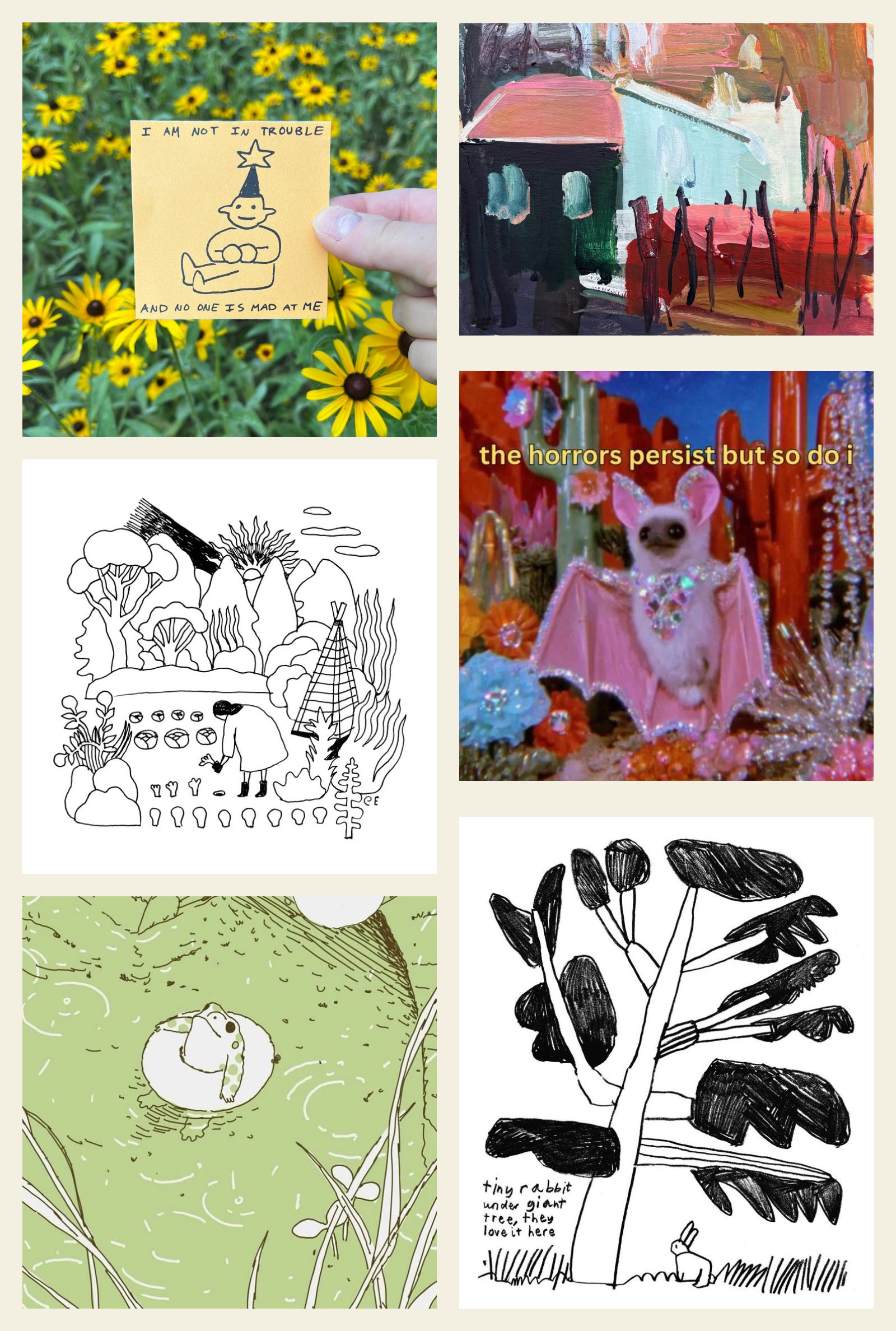
(from top left to bottom right)
Source Unknown which I usually would not but simply had to share this one
↓
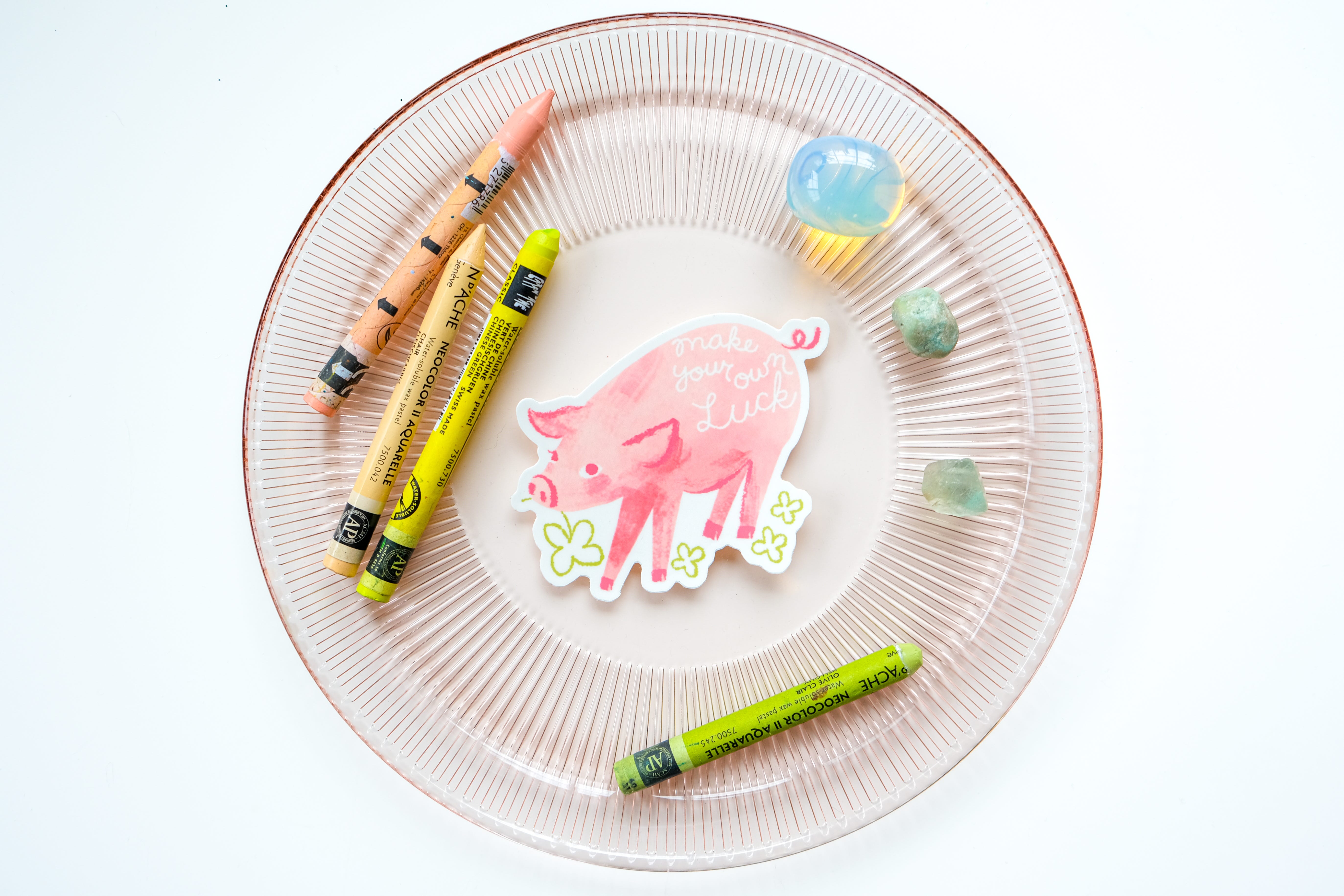
Lately in addition to doing more analog art/things in general I’ve been trying to spend more time doing things purely for fun. Something I’ve always loved to do but rarely make happen is to make stickers and other cute little paper goods. I decided to take the leap and just have one printed even though I didn’t think it was * perfect * and these cute little pigs were born!
I actually made these around January when the phrase “make your own luck” was feeling like a good theme for my year— I do a lot of dreaming and scheming but wanted 2026 to be about more actual doing. Pigs are considered lucky in German traditions (I’ve been trying to tap more into my Swiss-German heritage) so I thought a cute pig frolicking in some lucky clovers would make this sticker extra lucky and help me make good things happen.
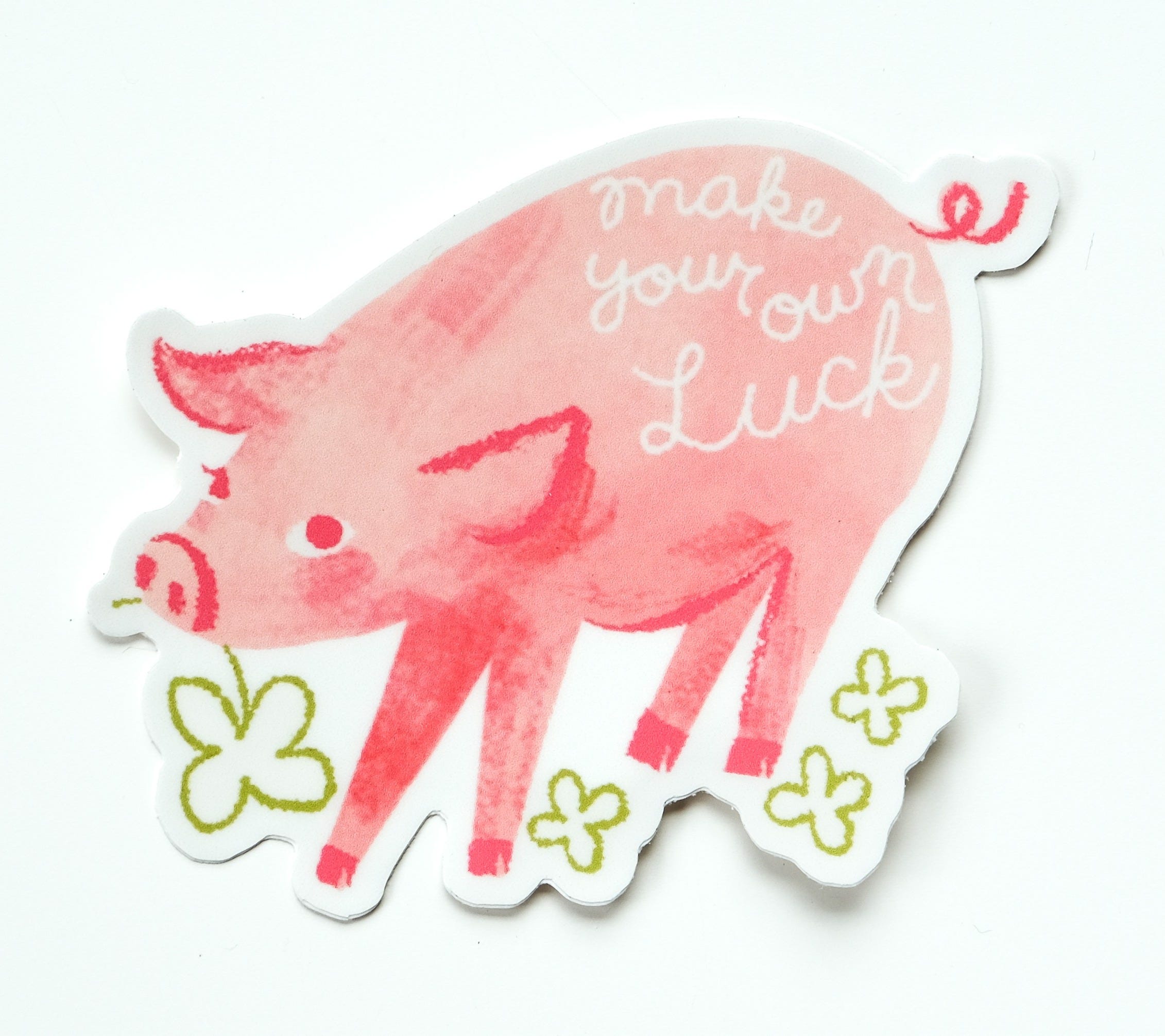
You can buy one from my ko-fi here for $3 <3 hope it brings you luck!
↓
In this section I’ll answer a real life mental health question or offer a practical mental health tip that you can use to add a little more WeLlNeSs to your everyday life.
Whether you identify as an anxious person or not, rumination spirals come for us all. Have you ever left a party and replayed something you said over and over in your head, convinced you must have looked like a dummy? Or have you made a careless mistake at work and worried for the rest of the evening about potential repercussions, even though deep down (or not even that deep down) you knew everything was fine?
There are many evidence-based treatments for stress and anxiety that use various techniques to help folks overcome their anxious cycles, but they all have a few things in common: to manage anxiety (or really any difficult feeling) in the moment, (1) notice & accept the feeling non-judgmentally (2) identify any triggers (3) take action to move forward through the feeling. Whether faced with anxious thoughts, feeling low, self doubt, judgement, comparison, or something else rough, most tough feelings can be alleviated by simply acknowledging what you’re feeling without judgement and then taking action.
Here is a breakdown of a few key steps that you can take the next time you’re spiraling:
(1) Notice and accept the feeling. Simply noticing that you are in a rumination spiral is half the battle and the first key to getting out of it. Many people find that simply by noticing and accepting what they are feeling, they have a better handle on it and the feeling reduces significantly. In the ‘biz we call this phenomenon “name it to tame it” (coined by big time brain expert Dan Siegel).
(2) Identify triggers. What happened immediately before you felt what you are feeling now? Did a specific situation cause your distress, or were you reminded of a situation from your past that is bringing up challenging emotions? Again, simply notice your trigger, don’t try to resolve it or rationalize it. Often in this stage we end up telling ourselves that our trigger is not worth it or that we wish we weren’t triggered in that way— resist the urge to criticize yourself and simply notice and be present in the moment.
(3) Take action. Now that you are fully present in the moment, know what you’re feeling, and have an idea of what triggered that emotion, you can decide how you want to move forward. Are you feeling anxious because you actually did say something rude to someone at that party? Maybe you want to send an apology text, or maybe you realize that actually you feel fine about what you said and are just uncomfy when setting boundaries with a friend. Maybe, though, the anxiety is not about something you said or did at all and you just tend to spiral and overthink after any social engagement. In that case, the action you take may be simply to say “thank you, anxiety brain, but you don’t need to worry right now” and then to take action to engage your brain with something else. The physiological lifespan of an emotion is only 90 seconds, but our brains can get stuck in emotions much longer if we keep feeding them with thoughts. Rather than simply distract from the anxious emotion, author Barry McDonagh recommends to “engage with life.” He notes that the difference between distraction and engagement is that distraction involves running away from the anxious feeling temporarily, while engaging in something else is an active choice that shifts your full attention and presence to something else. Whether you decide to cook a delicious meal, go roller skating, read a book, or simply go back to focusing on work/school, choose an activity that you can be fully present in.
And that’s it! I hope these tips help get you un-stuck the next time you find yourself in a challenging loop. Do you have other tools you like to use to stop rumination? Let us know in the comments!
↓

New Yorker Magazine shared a fabulous list of ways to get off your phone more— so many good things in here!
The new season of couples therapy, of course. I’m an Orna stan for life.
Artist Tala Schlossberg wrote the sweetest little illustrated poem “The Night The Moon Went Missing” and shared it on her substack. I hope she prints this into a zine or something so I can give it to all the kids I know!
Currently devouring everything I can read by author Johann Hari (wrapping up Stolen Focus, halfway through Lost Connections and cant wait to start Chasing The Scream). I can’t remember the last time I found nonfiction that I wanted to devour like this— he makes me want to change the world and makes it feel like we actually can.
The phenomenon that is Korean influencers camping or living in inflatable spaces. Take me away!
The Enchanted Cottage, which my cousin Ellis discovered and I have declared the best spot in Bakersfield (and maybe the best metaphysical shop I’ve ever been to??). Come for the crystals, stay for the vibes.
Also from my trip to Bakersfield: the pillows at the Home 2 Suites. Anybody else with me on Hilton hotel pillows?? Reddit is really tearing them apart but I’m sold and TBH not ashamed to say I just ordered two because my neck has never felt so good!

This month’s off-screen question for you to discuss amongst friends or journal about on your own:
What is one strategy you’d like to try this month to reduce your screen time?
🌸 Read past issues of Good Things here
🌞 Shop fun mental health & art items here
👯♀️ Follow me on the internet here
🎳 Peep my pins here
↓
Thanks for reading – see you next month!
✨ the information in this newsletter is for educational purposes only and is not a substitution for therapy. if you or someone you know needs help, reach out to a local mental health provider or contact 988 for immediate support✨
No posts
Comments
Nothing yet. Say the first thing.
Sign in to join the conversation.