
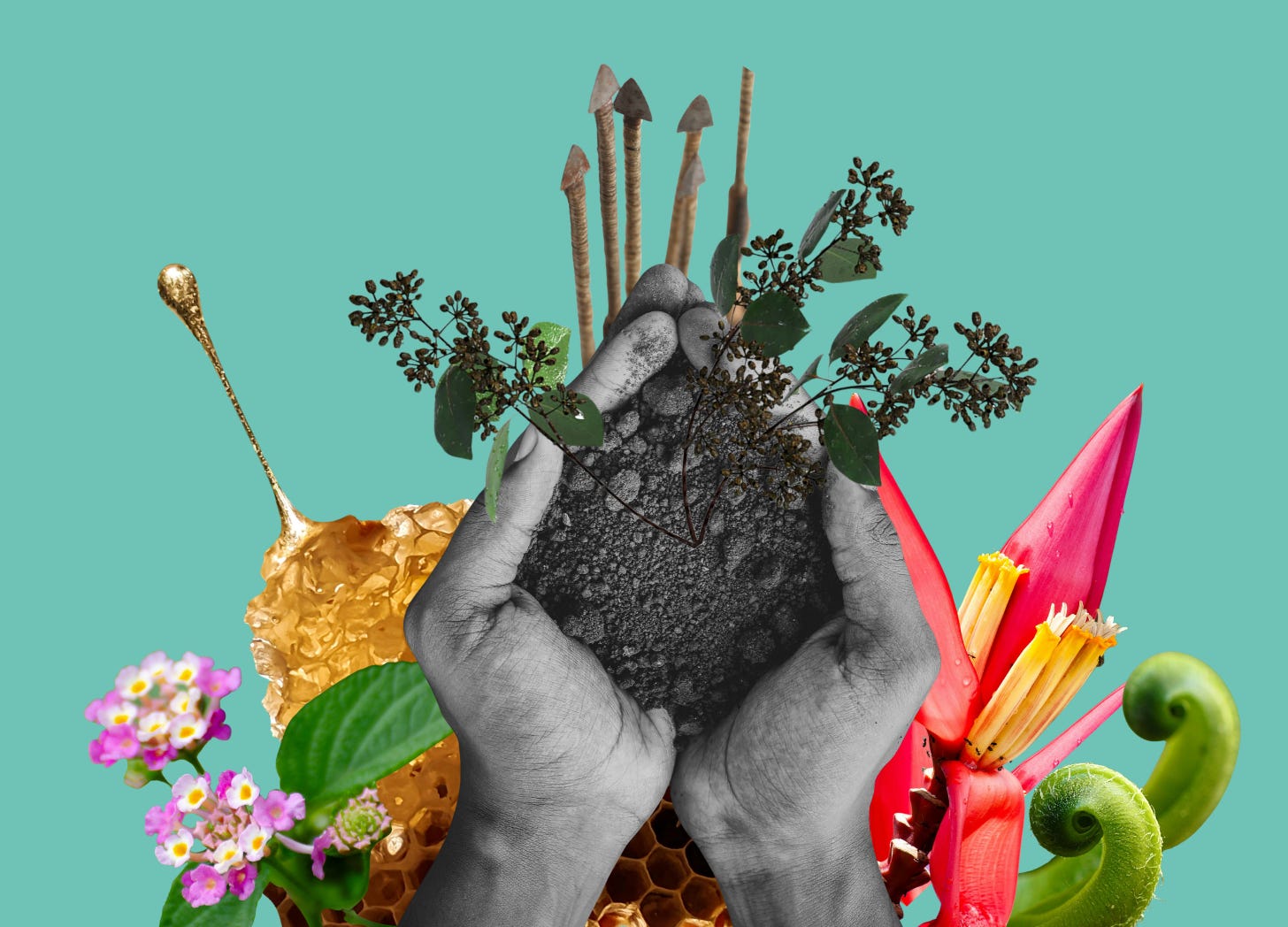
Ask a farmer in Matale what the land needs this season, and there is a good chance she still knows. Ask her son, who moved to Colombo three years ago to work in a call centre, and the answer may be different - the economy made it impossible to stay close enough to keep it.
This is the story we keep returning to at Good Life X - the way the extractive economy quietly prices people out of their relationship with the land, one generation at a time.
And nowhere is that drift more visible, or more urgent, than at its furthest edge: the communities who have held that relationship the longest, and who are now losing it fastest.
There is a spectrum of connection to the land in South Asia, and it runs much deeper than most people realise. At one end, the farmer who still reads the soil. The fisherwoman who knows the tides by feel. The home cook who learned which forest leaves ease a fever before she learned to read. This knowledge lives in the muscle memory of hands that have worked the same land for generations.
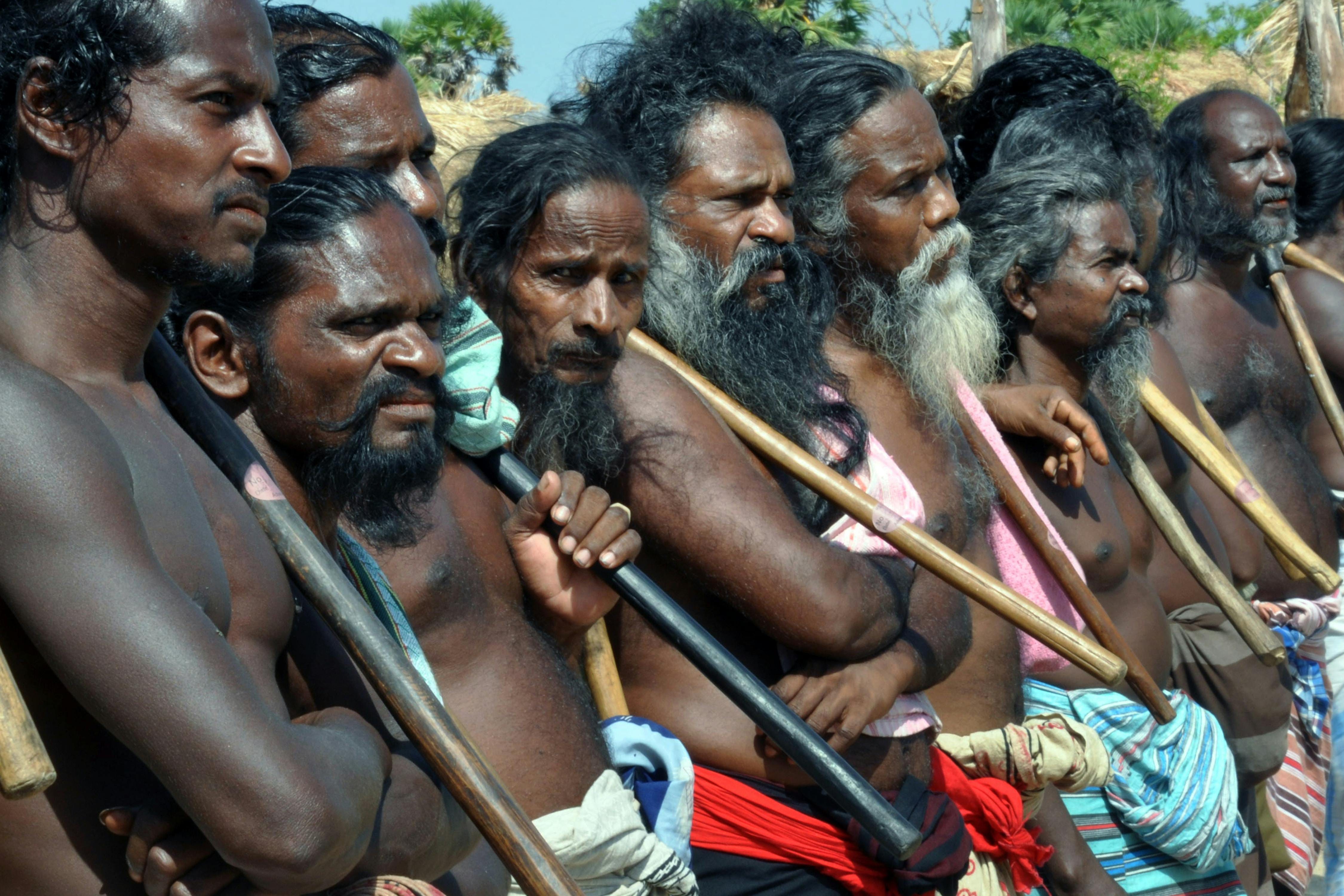
At the other end of that spectrum are communities like the Veddahs of Sri Lanka - whose roots on this island stretch back at least 16,000 years. People whose entire way of life was built on an intimate, reciprocal relationship with the forest. Seasonal foraging that replenishes rather than depletes. Medicinal plant knowledge - plants like Kothala Himbutu - refined over generations of careful application and now being commercialised by wellness companies who had no hand in developing it.
These are not two separate stories. They are the same story, at different stages of the same process.
“We were the custodians of the jungle throughout the generations. Now the jungle is no longer ours and we do not feel responsible for its maintenance.”
— Uruwarige Wannila, UN Working Group on Indigenous Peoples, 1996
But what happens when custodianship is taken away? The severing of responsibility. The ethic that lived in the relationship goes with it.
The severing is not unique to the Veddahs. It is what happens to any community when the economy makes staying - staying close to the land, staying in the village, staying in the knowledge - financially unsustainable.
The youth are leaving. Moving to Colombo. Moving to construction sites and garment factories. And when they go, the knowledge doesn’t get archived or downloaded into a database. It goes with them, untranslated, into a life that has no use for it.
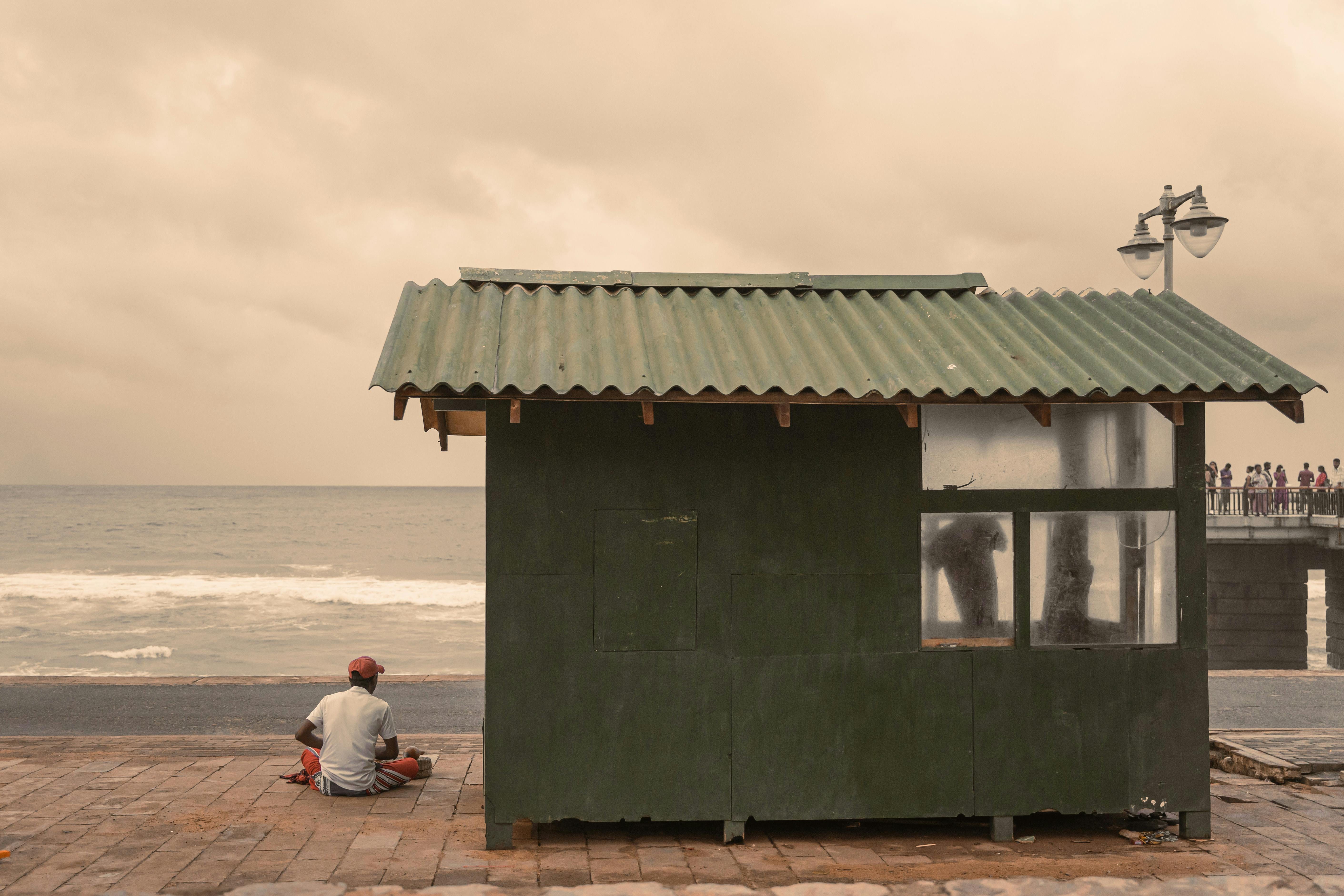
This is happening across South Asia, at every point on that spectrum. Adivasi communities in India. Highland farmers in Nepal. Coastal fishing families in Bangladesh. The UN estimates that indigenous peoples - roughly 5% of the global population - currently protect 80% of the world’s remaining biodiversity. That is not a coincidence. It is the accumulated result of thousands of years of regenerative practice. And it is eroding not because the economy has not found a way to value it.
We have spent years making this argument in corporate boardrooms, purpose and profit are not trade-offs. The same logic applies here, at much higher stakes.
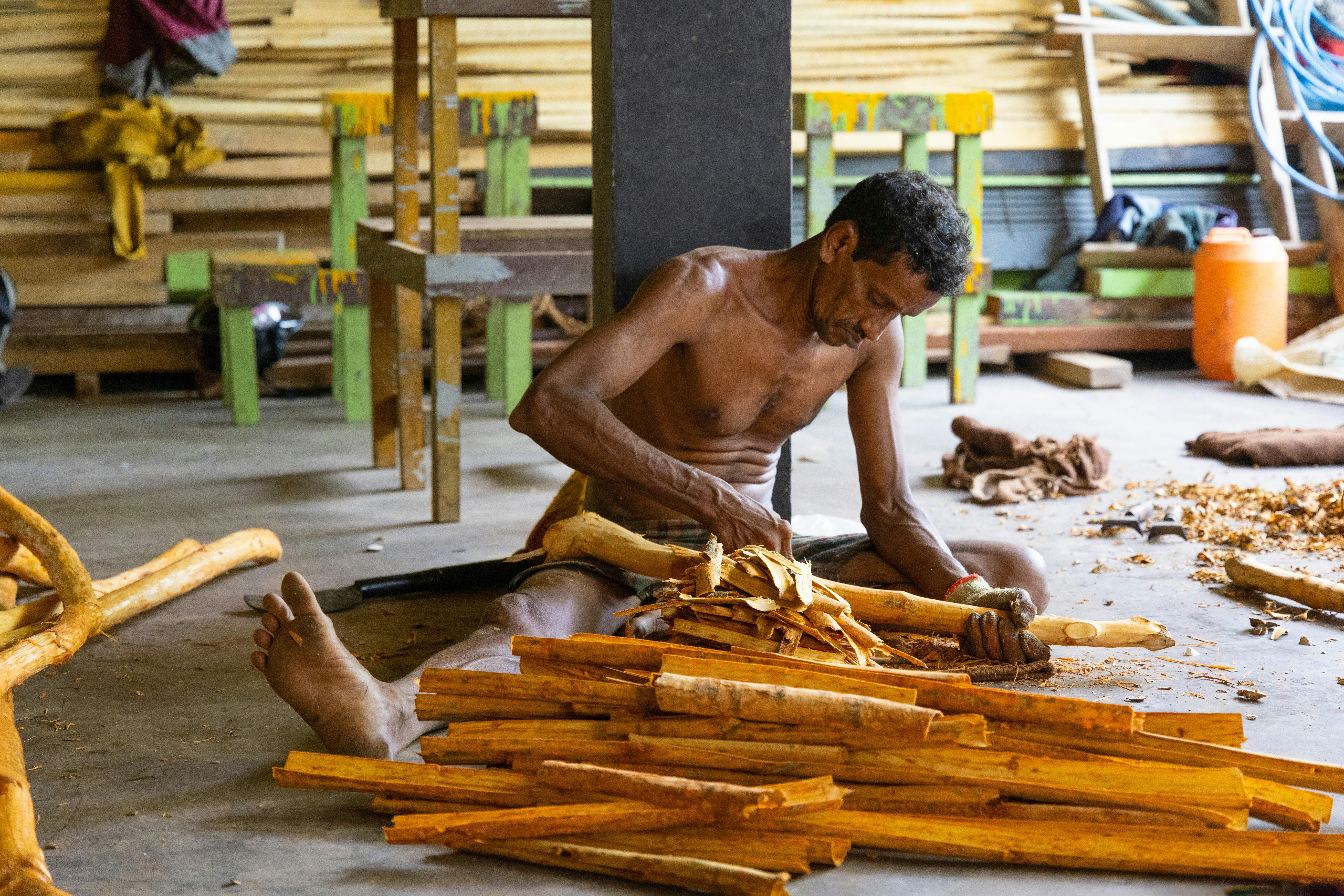
Securing Indigenous Intellectual Property rights means a community that has cultivated a medicinal plant for five hundred years holds legal ownership over the knowledge behind it - so that when a pharmaceutical company comes looking, they negotiate with the source, not around it. It means a hand-loomed textile or a kithul product carries a mark of origin, making it a traceable, premium commodity that a young artisan can build a livelihood around without leaving their village.
What it looks like when we get this right:
Bio-piracy stops - traditional knowledge can no longer be commercialised without credit or compensation to the community that developed it.
Green jobs with dignity emerge - a product with a mark of origin becomes a premium. Staying home becomes economically viable.
Communities gain a seat at the policy table - as rights-holders with standing in decisions about their land.
Restoration, not just conservation - these methods don’t just “save” nature. They actively regenerate it. Healthier soil. Cleaner water. Richer biodiversity.
The Knuckles Range is a living example of everything we have described - the tension, the potential, and the urgency. It holds agroforestry traditions that predate modern conservation science. It is home to medicinal plant knowledge the global nutraceutical industry is increasingly hungry for. And it is under real pressure - from tourism that extracts rather than restores, from monoculture expansion, and from the slow disappearance of the families who know how to keep it alive.
We are currently running the GCF Knuckles Accelerator, implemented in partnership with the National Enterprise Development Authority (NEDA) and the Project Management Unit of the Ministry of Irrigation, funded by the Green Climate Fund.
The accelerator is our attempt to demonstrate one thing: that the communities rooted in this landscape can be the architects of its economic future, not its casualties. That a young person in Kandy or Matale doesn’t have to choose between their heritage and a livelihood. That regenerative business models — built from local wisdom rather than imported frameworks — can make both possible.
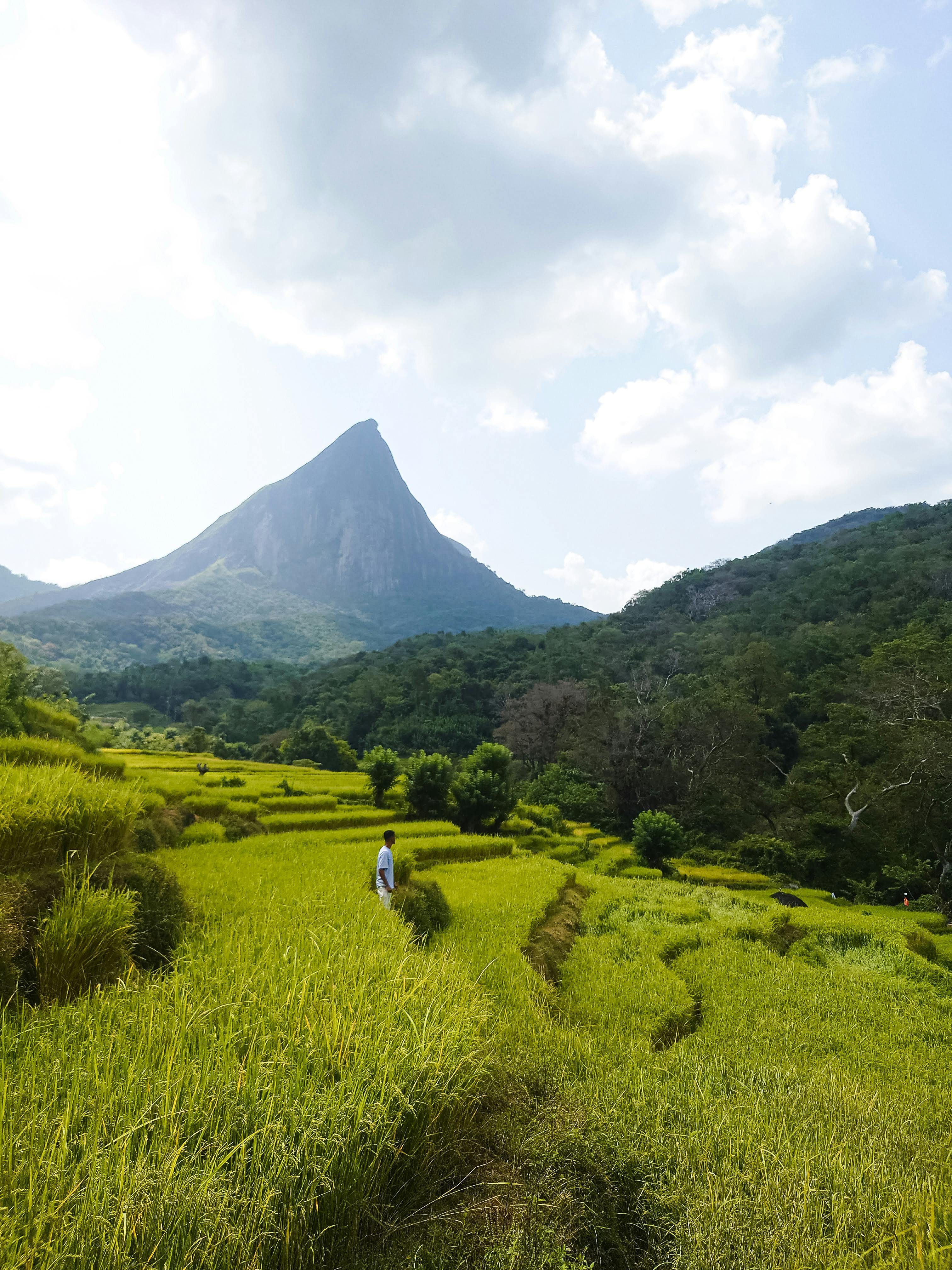
This is what we mean by rooted innovation. Solutions that begin from the soil itself.
The next time you buy a bottle of kithul treacle or reach for a hand-loomed cloth, consider what you are actually holding. When a Sri Lankan elder says “my grandfather taught me how to tap this tree,” they are describing a knowledge system that runs from their hands all the way back through thousands of years of careful, reciprocal relationship with this land — that the modern world has spent billions trying to approximate, and still cannot fully replicate.
We have not lost that thread entirely. It is still here, in kitchens and paddy fields and forest edges across South Asia. The question is whether we build an economy that lets people stay close to it, or one that keeps pulling them away.
Everyone deserves a good life. Including the people who have spent ten thousand years designing one. And including all of us who are still trying to find our way back.
If this found you at the right moment, pass it on. We write about regenerative systems, and what it actually takes to build businesses that give back more than they take - across South Asia and beyond.
Comments
Nothing yet. Say the first thing.
Sign in to join the conversation.