
April was a defining month for the market and for our portfolio. After an intense couple of weeks meeting with family offices and allocators in Hong Kong, and a brief, much-needed long weekend with the family in Malaysia, I am back at the screens. The conversations in Asia only reinforced our core thesis: the old playbooks are failing. Investors are desperately looking for real returns in a world constrained by physical bottlenecks.
In April, the fund returned 11.6%, slightly ahead of the 10.4% jump recorded by the MSCI ACWI (USD). This continued outperformance, in both bull and bear months, allows us to print a ~25% performance year-to-date (as of May 11, 2026), comfortably ahead of the 9.5% returns recorded by the MSCI ACWI.
As we scale our operations, our mandate remains focused on identifying these supply-demand imbalances before they become consensus. Here are the shifts we’re spotting in the markets.
Energy prices are going to stay elevated and volatile for longer. The geopolitical incentive structures for de-escalation between the US and Iran are drying up. With Iran viewing the nuclear threshold as the ultimate leverage, North Korea aggressively testing, and a highly confrontational deal-making style from the Trump administration, an easy diplomatic off-ramp seems unlikely.
The US is uniquely positioned to withstand this. While they face logistical headaches importing light crude for distillates and refined products, they remain an export powerhouse for hydrocarbons. More importantly, the US economic engine is currently running on the AI capex boom, a growth driver that is largely insensitive to higher oil prices. Combine this with stubbornly low domestic gas prices and a dovish Fed, and the US can tolerate this environment far longer than Europe or Asia.
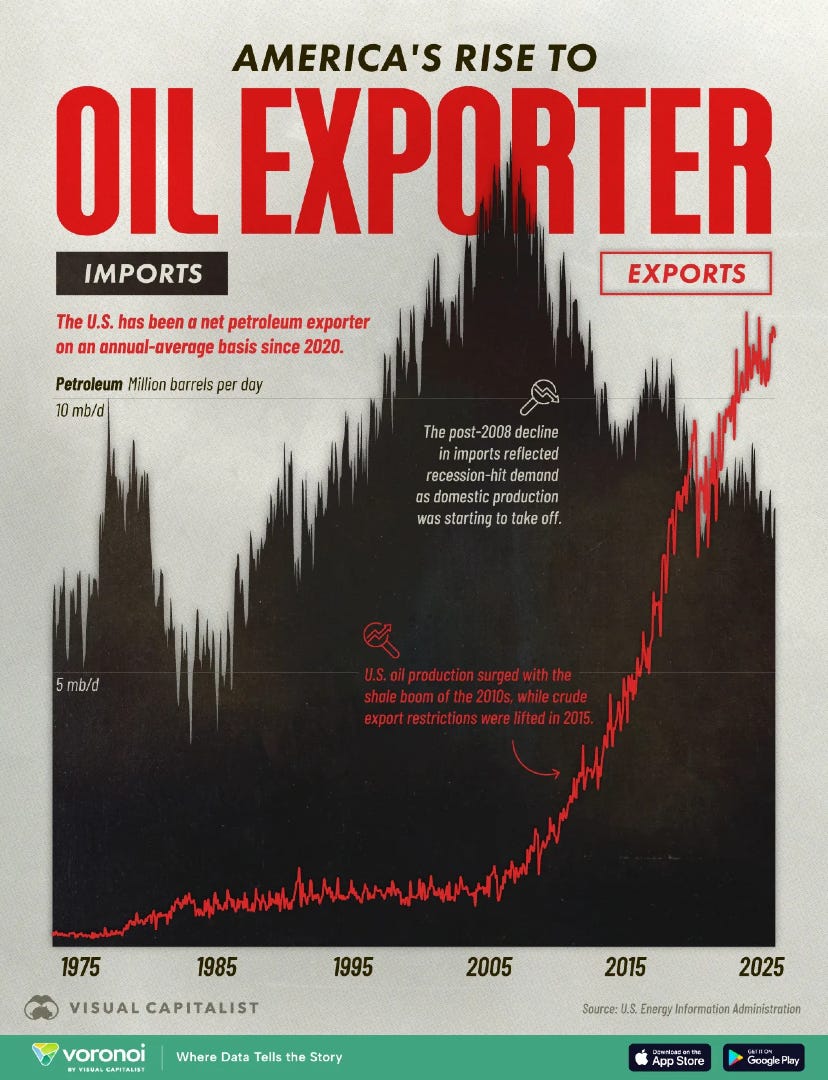
What’s the actionable trade? The post-Hormuz reopening will likely bring 2 to 5 million barrels back online just as global growth cools. The UAE has signaled readiness to bump extraction to 5 million bpd and is increasingly distancing itself from the OPEC “cartel.” Saudi Arabia cannot afford to pump less, and a Trump-friendly Russia will keep the taps open for a hungry China and India.
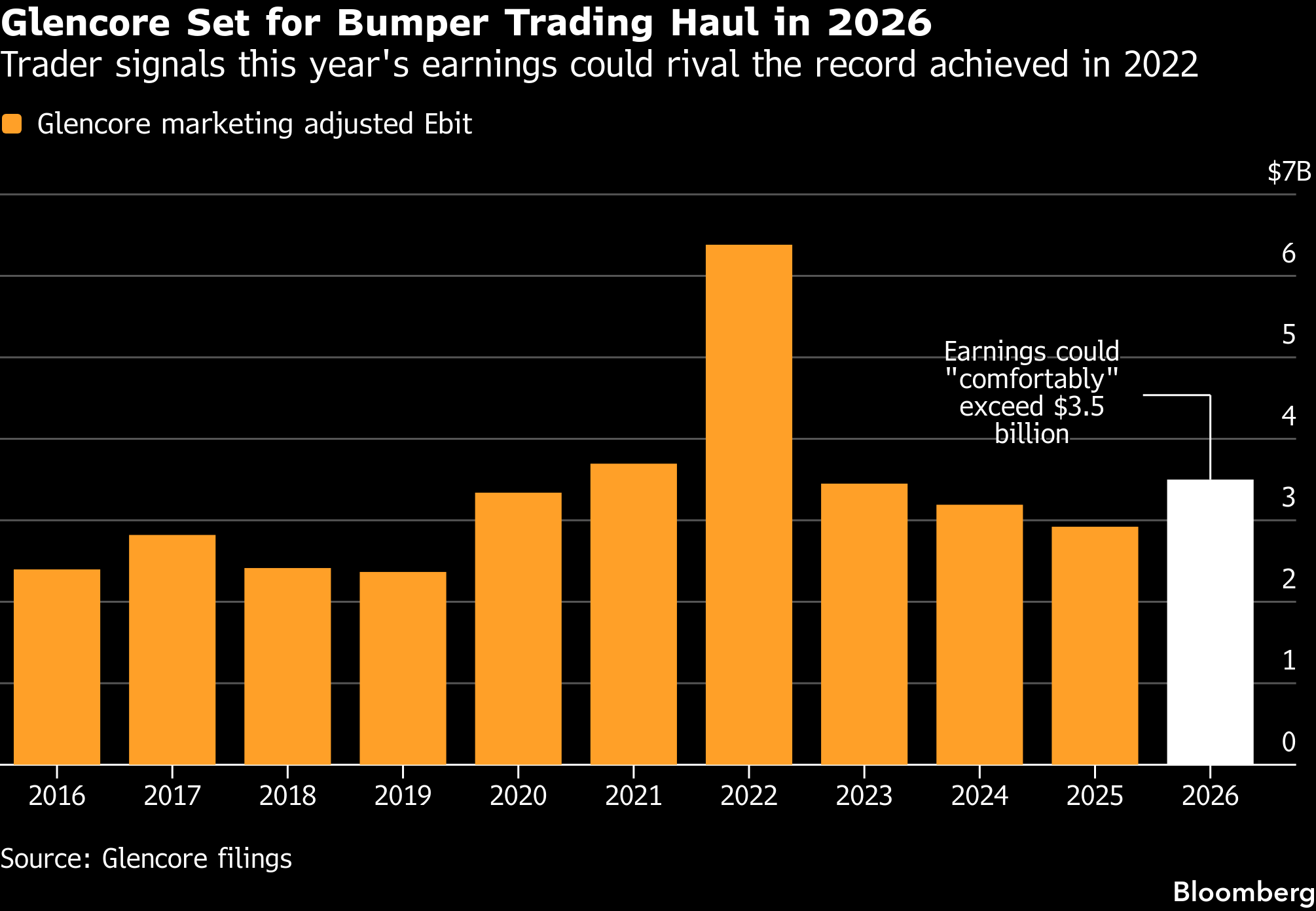
When the only certainty is volatility, the undisputed winners are the commodity trading houses. We expect firms like Trafigura, Glencore, Gunvor, and the flurry of privately held trading shops to post blowout profits as they arbitrage this chaos across both the energy and agricultural complexes.
We are officially entering what I believe will be a decade of outperformance for HALO (Heavy Assets, Low Obsolescence) assets, reminiscent of the 2000–2010 era where Brazil vastly outperformed the US stock market. If proven right, this is massively bullish for Emerging Markets. In a stagflationary environment, net exporters of commodities hold all the cards.
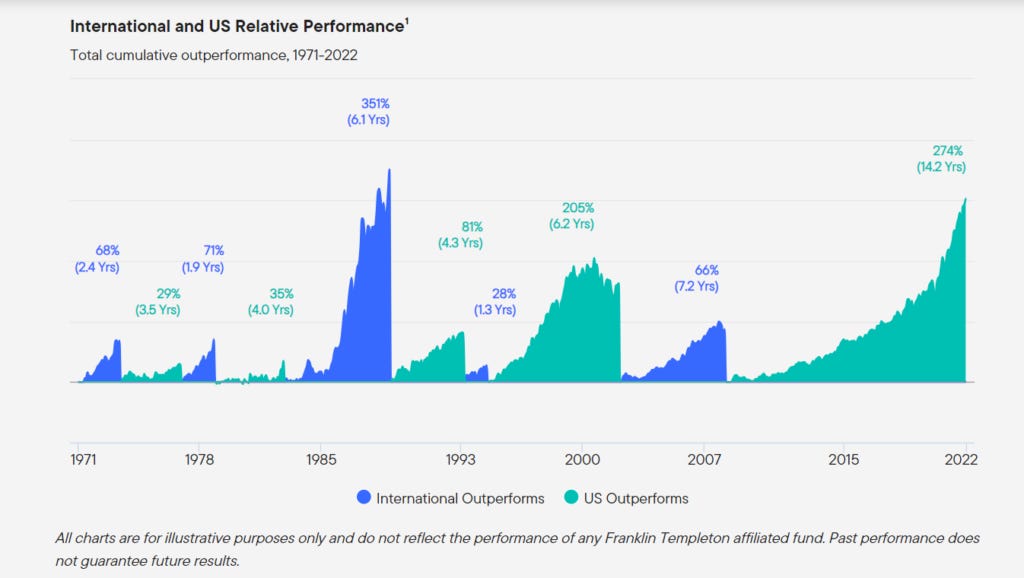
Latin America is highly compelling right now for two critical reasons:
Impactfull Weekly #28 - You don’t own enough LatAm
·
Feb 27

Brazil’s stock market index Bovespa just hit an all time high, up nearly 20% since this year itself. Milei brought Argentina’s inflation to its lowest level in the last 8 years. Chile elected its most pro-business leader since its return to democracy.
The Double Whammy (Price + Volume): Usually, higher prices lead to demand destruction. Not this time. Asian buyers are desperate to diversify away from a transactional US and an unreliable Middle East. Latin America is stepping into its role as the neutral, friendly provider of energy, agriculture, and minerals. These engines are firing simultaneously.
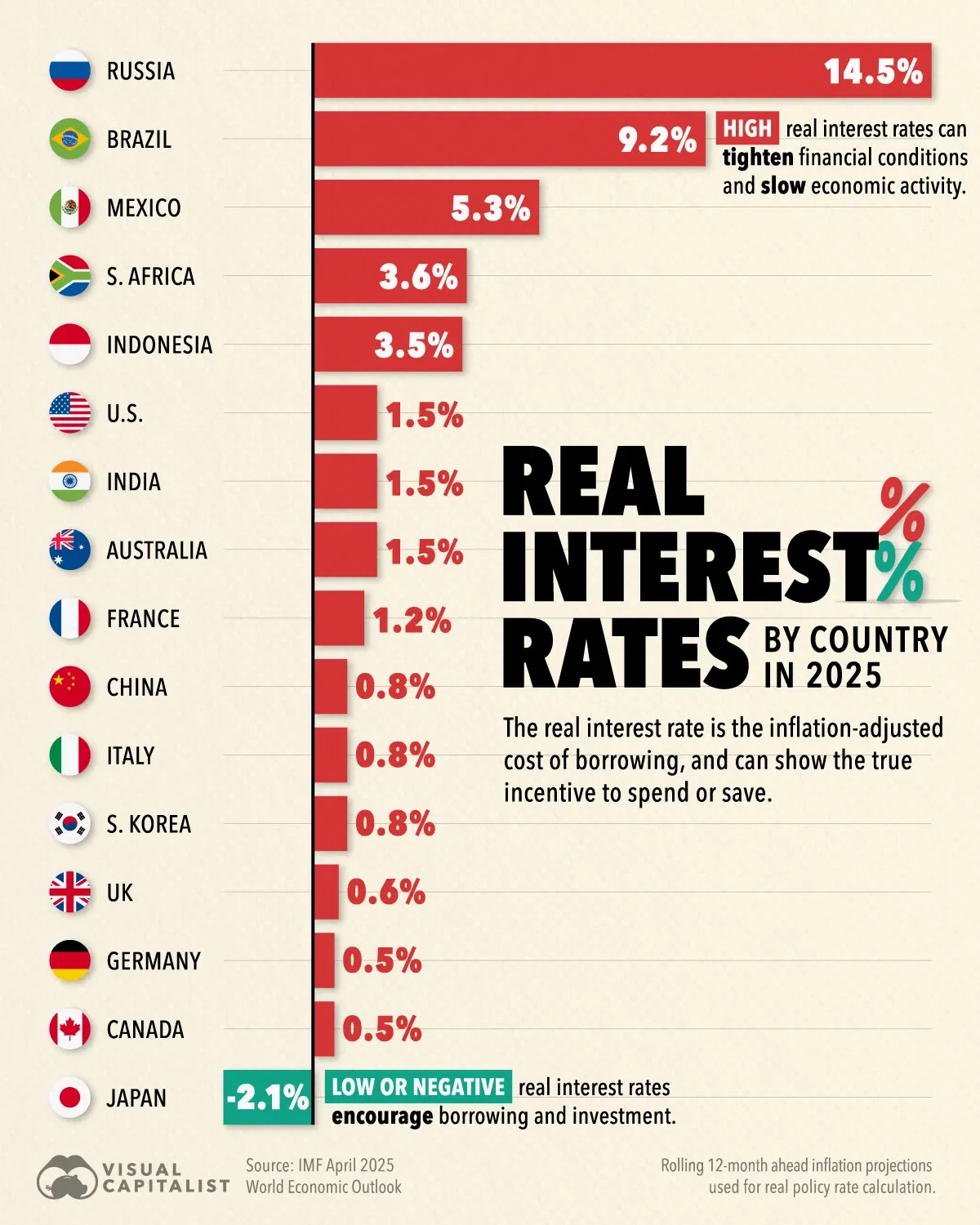
Real Yields and Real Capital: LatAm offers positive real yields while most Western interest rates are still being crushed by inflation. Because they export inflation rather than import it, they can afford to hold rates steady or even ease. We expect a massive surge in Foreign Direct Investment (FDI) to build out their energy infrastructure.
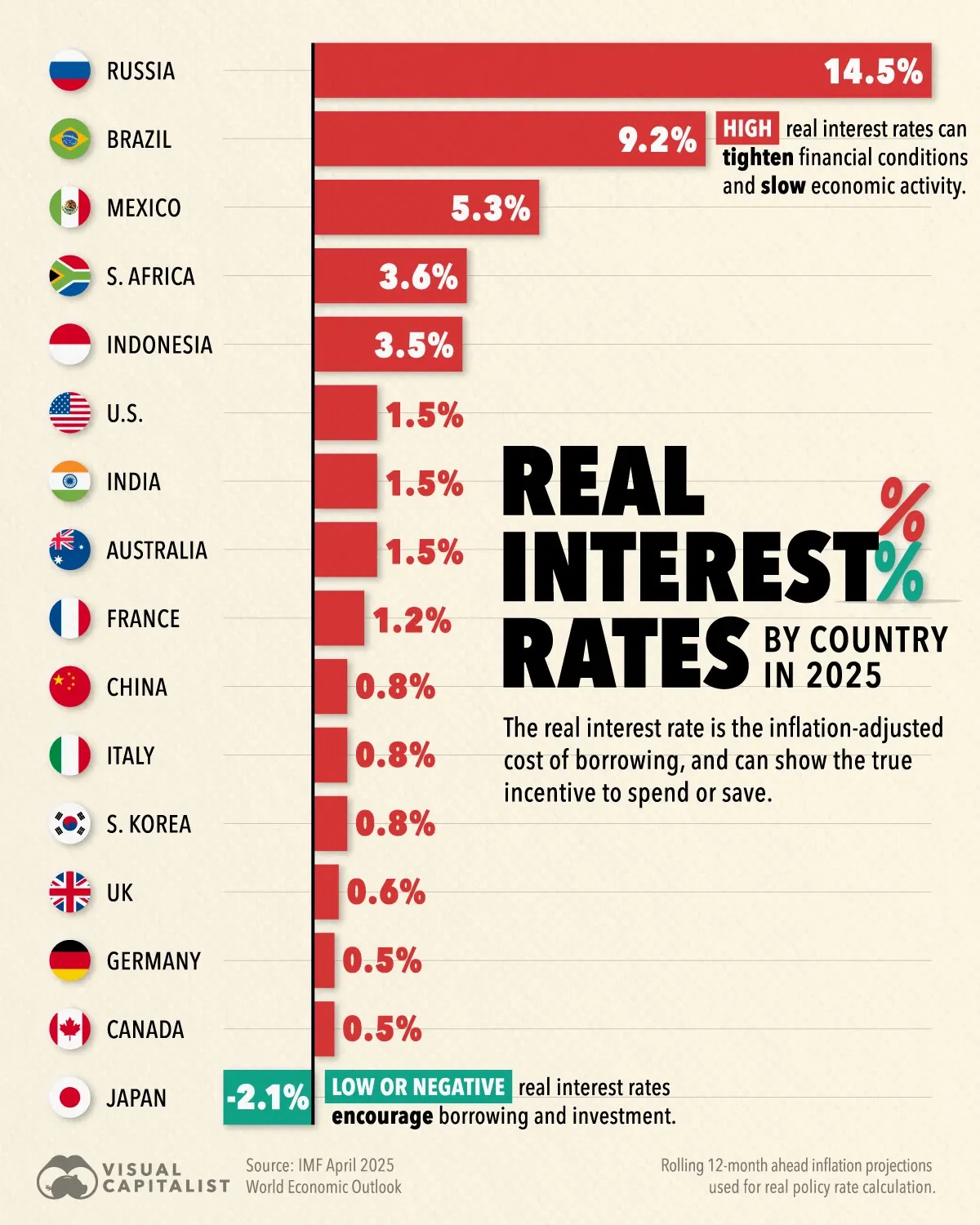
With a wave of pro-business, pro-extraction governments taking power, the regulatory environment is supportive. Even if populist tendencies trigger loose fiscal spending, the sheer scale of trade surpluses and strengthening currencies acts as a massive buffer.
The commodity complex is becoming highly correlated. When agriculture, mining, and energy all fire at once in a region offering real yields, you don’t just buy the dip,you buy the continent.
Last week gave us the most critical earnings data of the year. Meta, Alphabet, Amazon, and Microsoft revealed their cloud growth and capex numbers, capping off a breathtaking 24-month rally. We are unequivocally entering the later stages of this cycle.
The nuance the market is missing: A 50% increase in Capex does not mean they are building 50% more data centers. They are simply building with vastly more expensive equipment. Memory chip prices are up 2x to 3x over the last year, and new architectures require double the cooling capex budget.
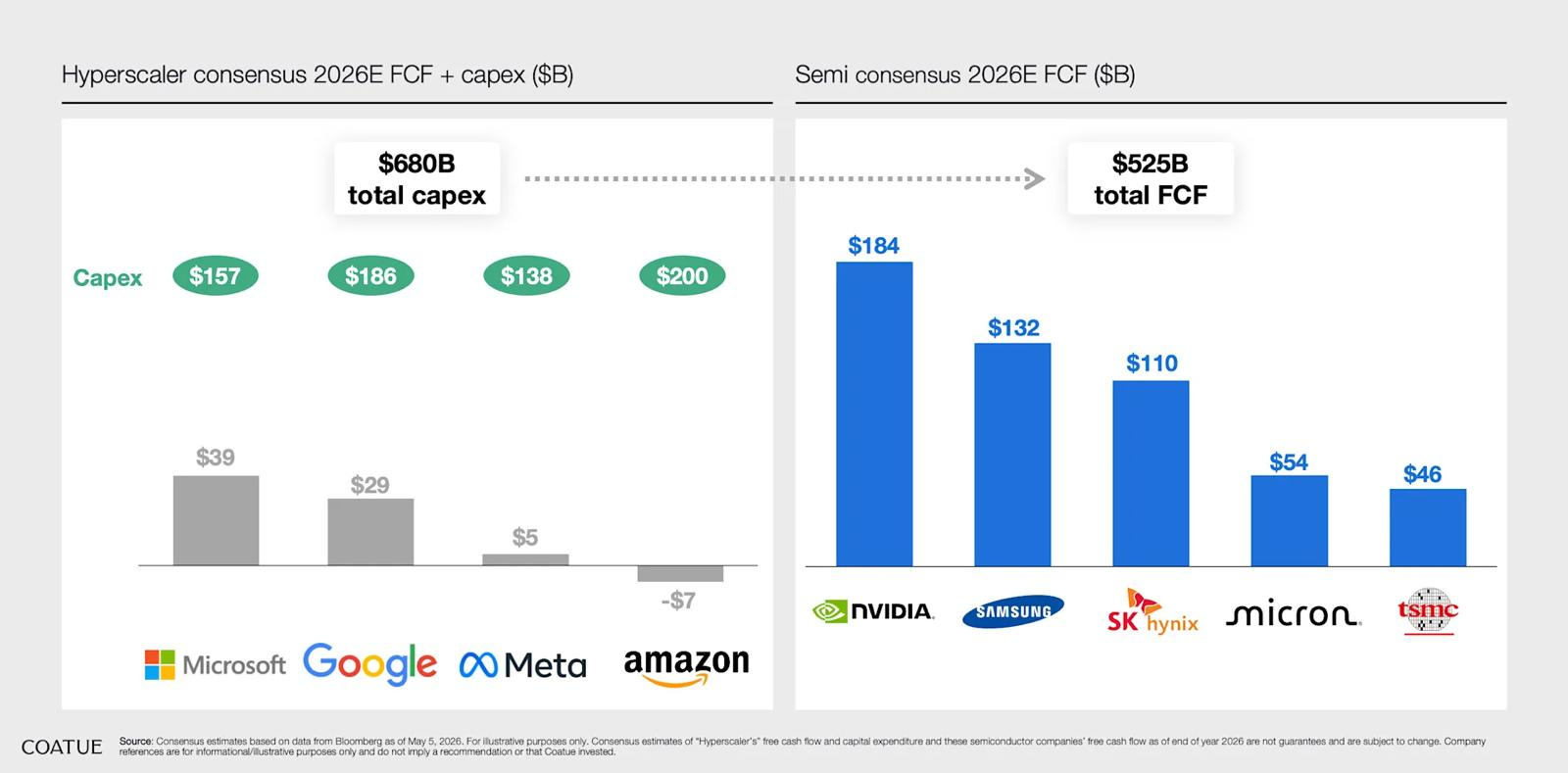
When we look at Alphabet, the impending capex jump for 2026/2027 is well over the $80 billion consensus; it is being driven by the volume of custom silicon required to run these workloads. We are transitioning from the brute-force, power-hungry training era into the power-efficient inference era.
Winners: Own the design houses solving the architectural bottlenecks—moving data faster and keeping it cool. Interconnect players like Marvell and the infrastructure trio of Corning, Sumitomo Electric, and Fujikura are printing money.
Losers: Traditional HVAC companies relying on dry cooling. It is physically impossible to cool these new architectures efficiently with air.
Impactfull Weekly #4 - End of an Era for AI Infra?
·
August 14, 2025

The AI infrastructure gold rush has delivered a $371 billion reality check. What began as a seductively simple narrative: artificial intelligence demands unprecedented computational infrastructure → creating a digital boom that would lift all boats in the data centre ecosystem, has now collided with the immutable laws of physics.
As hyperscalers and Neocloud providers (including OpenAI & Anthropic) demand more efficient chips, we expect to see price deflation in the hardware space by 2027. This means the earnings for many “pick-and-shovel” plays will plateau. The AI capex continuum is orchestrating a soft landing, transforming from a “growth-at-all-costs” sprint into a cyclical infrastructure spend.
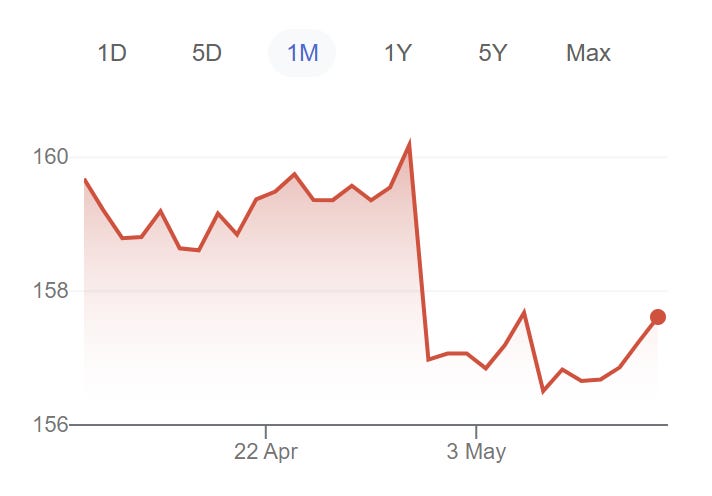
On the last day of the month, we witnessed the largest USD/JPY movement of the year (-2%). Japan has reached the limit of how much currency weakness it will tolerate. Sitting on massive reserves, the BoJ is tightening while the Fed leans dovish. The 10-year yield gap has narrowed dramatically. The decades-old carry trade is slowly fading.
We believe a strong yen might hurt exporters but will provide strength for Japanese financials, domestic businesses that will offset lower lending activity with higher interest rates.
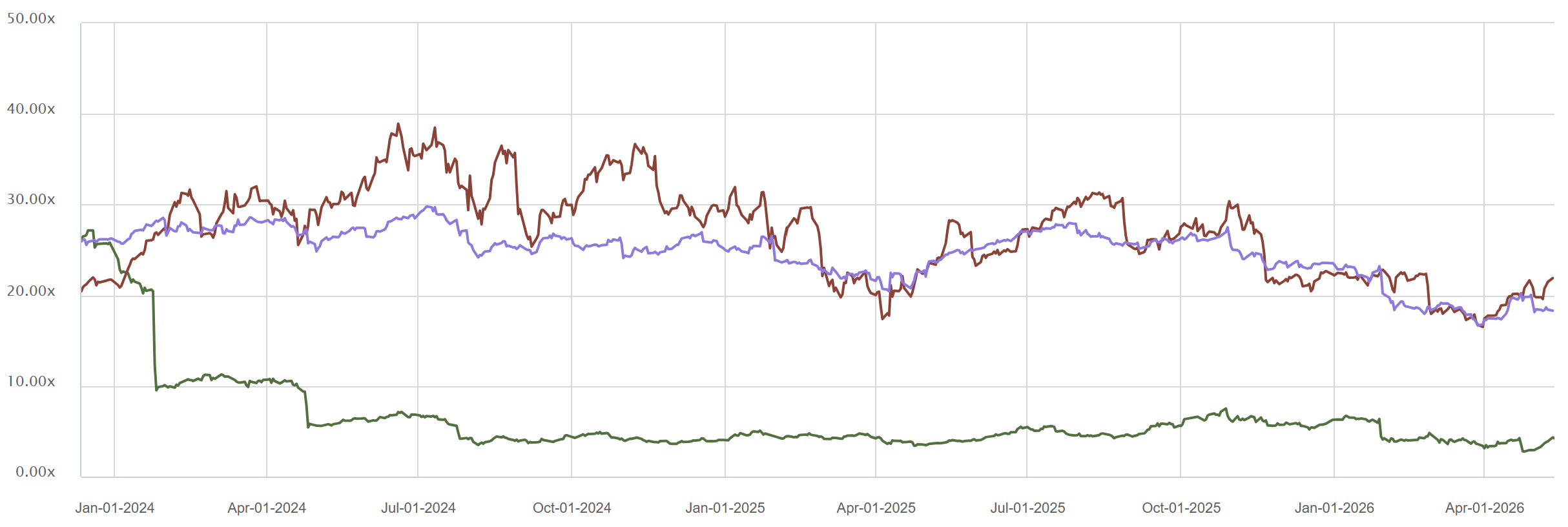
We are entering a world where high valuations driven by excess liquidity are meeting record-high AI capex and energy prices. If monetary conditions tighten or energy prices remain persistently high, we will see continued multiple compression (as witnessed with megacaps). Despite record equity prices, earnings multiples have actually been trending lower recently.
Far more money has been lost by investors preparing for corrections, or trying to anticipate corrections, than has been lost in corrections themselves.
Legendary investor, Peter Lynch
Stay invested, cautiously,
Keith Bortoluzzi
Disclaimer: Thoughts are my own and for informational purposes only. Not investment advice. Does not represent the views or strategies of Impactfull or the IMP Emerging Equity Trends. Not an offer to buy/sell securities or UCITS funds. May hold positions in mentioned assets. Do your own research.
No posts
Comments
Nothing yet. Say the first thing.
Sign in to join the conversation.