
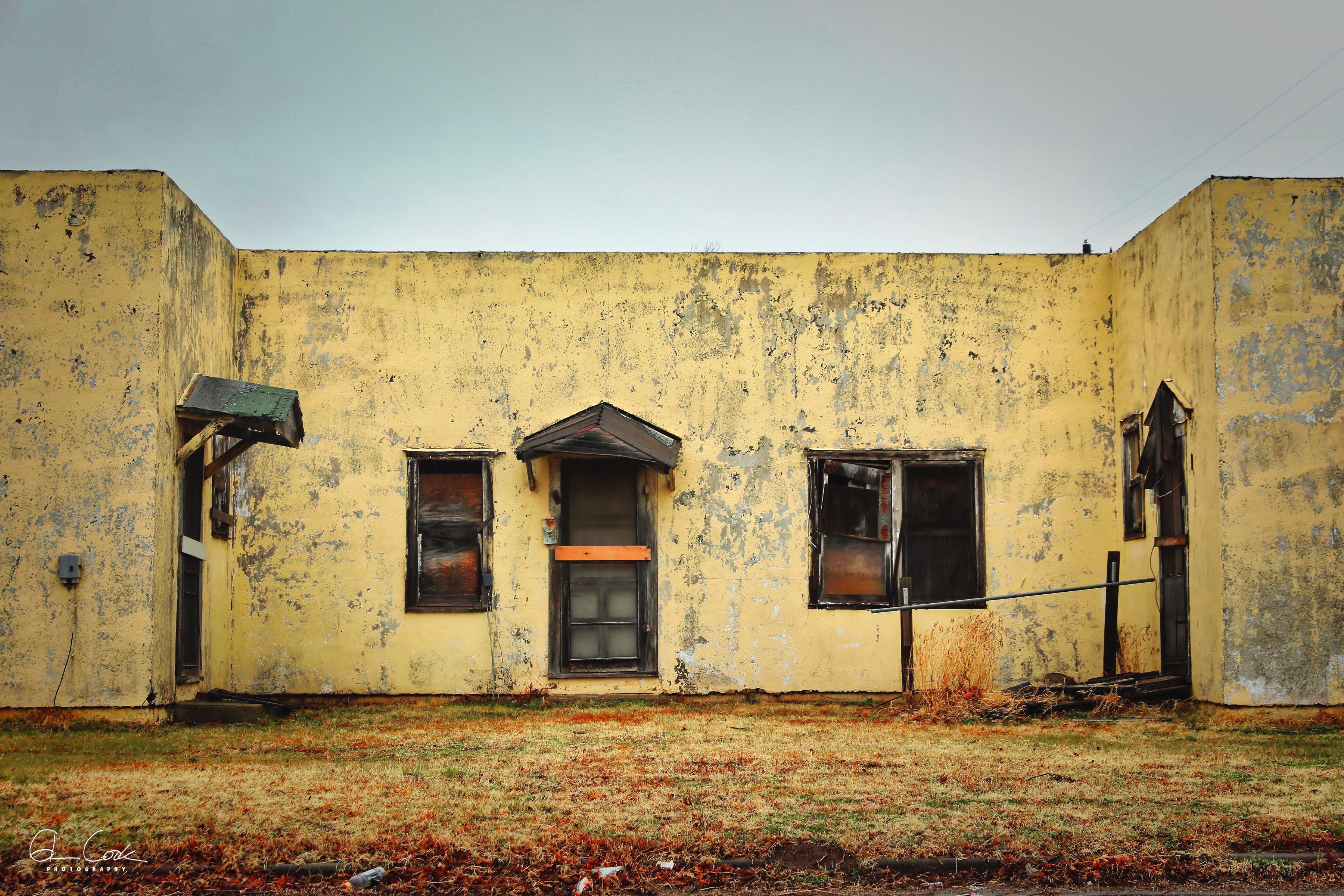
Four years ago, I spent several days driving through small towns in rural Oklahoma for two magazine stories about low-income schools that were struggling to recover after the pandemic.
As all good stories seem to do, this one sparked my interest on both a personal and professional angle. For as long as I can remember, my mom has told stories of how distant family members walked the Trail of Tears during the forced relocation of Native Americans from the southeastern United States to what is now modern-day Oklahoma. Despite being from Texas, I had only been to the adjoining state a couple of times and had never traveled its roads.
On the professional side, I saw the roots of a compelling story, one that had not been told in long form. I also saw the chance to photograph small rural communities in a place I had never been.
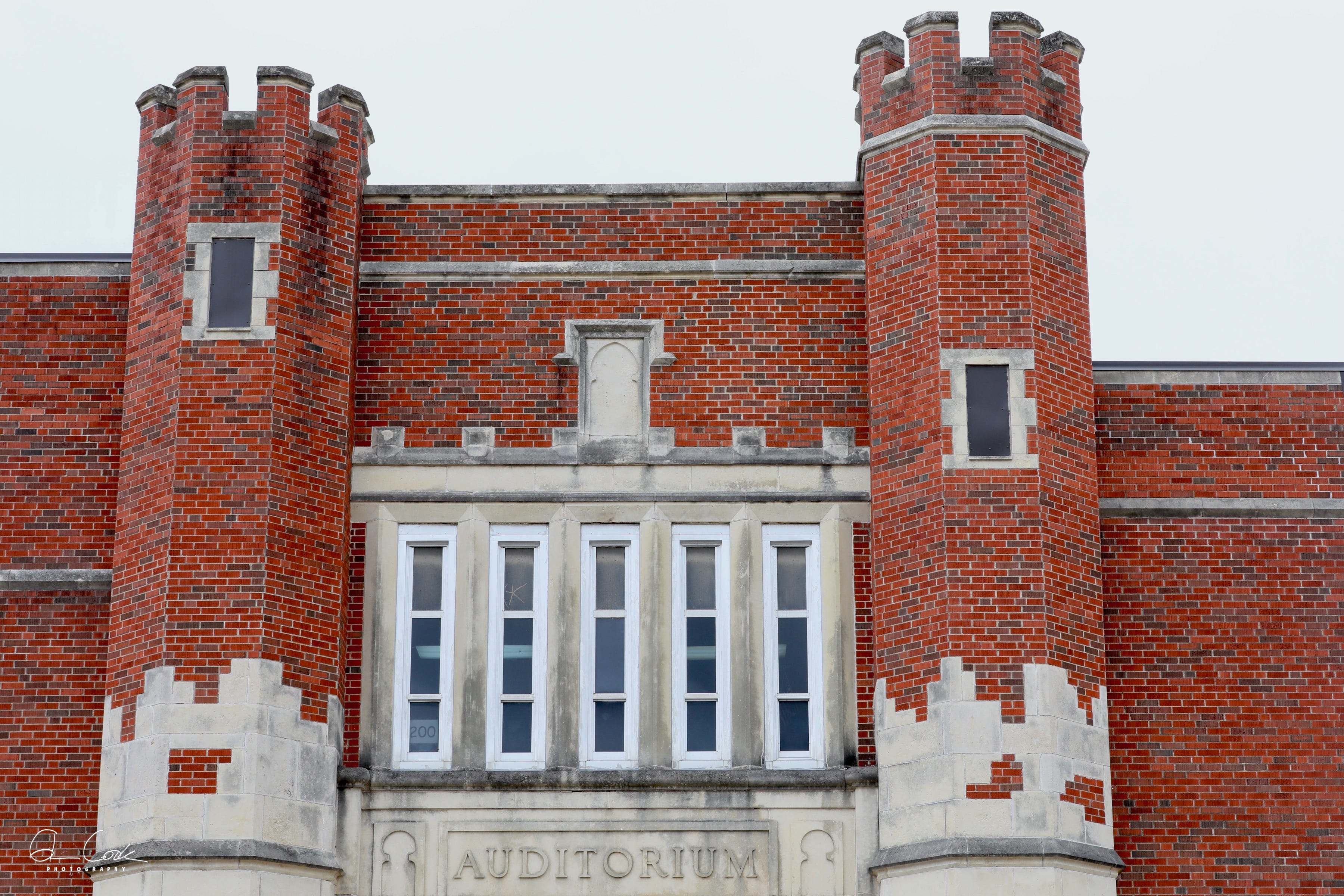
Today, 22.5 percent of Oklahoma’s public school students identify as American Indian/Alaska Native (AI/AN), second only to Alaska in terms of percentage. Thirty-eight of the 39 tribes in the state are federally recognized, and Oklahoma receives the largest percentage of Title VI money in the nation.
Prior to the pandemic, American Indian/Alaska Native (AI/AN) youth already were disproportionately affected by poverty, food insecurity, and ongoing trauma due to a lack of family stability, substance abuse, and domestic violence. The pandemic added months of isolation from their peers as well as tremendous loss.
Oklahoma had one of the highest rates of COVID deaths in the nation, and a 2021 study showed that Native Americans died at a rate 2.8 times higher than whites before vaccines became widely available.
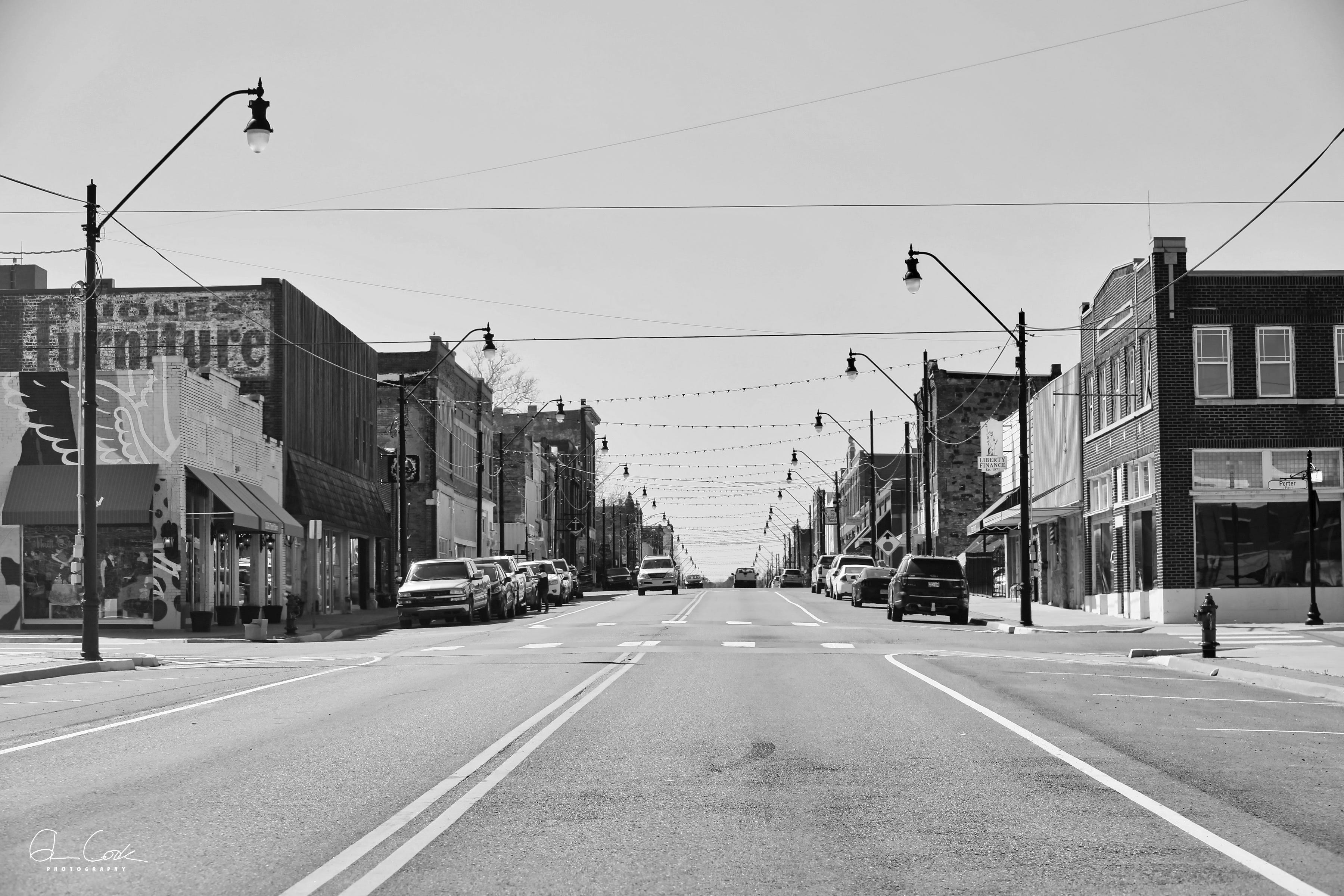
I saw an opportunity to write on this topic when I was asked to look at how low-income rural schools struggled to provide technology access to students who had to remain at home for several months during the pandemic. The story, which included a sidebar on the mental health effects of COVID on students, was for American School Board Journal, a magazine I’ve worked for in various capacities for 25 years.
At the time, ASBJ had a small travel budget — unfortunately that’s no longer the case — that allowed me to go on site three or four times a year. On site reporting provides opportunities for much more diverse and rich content than you can get in phone interviews, and I knew getting a sense of place would be key in writing this story.
I also knew that taking photos would give me a sense of place as well.
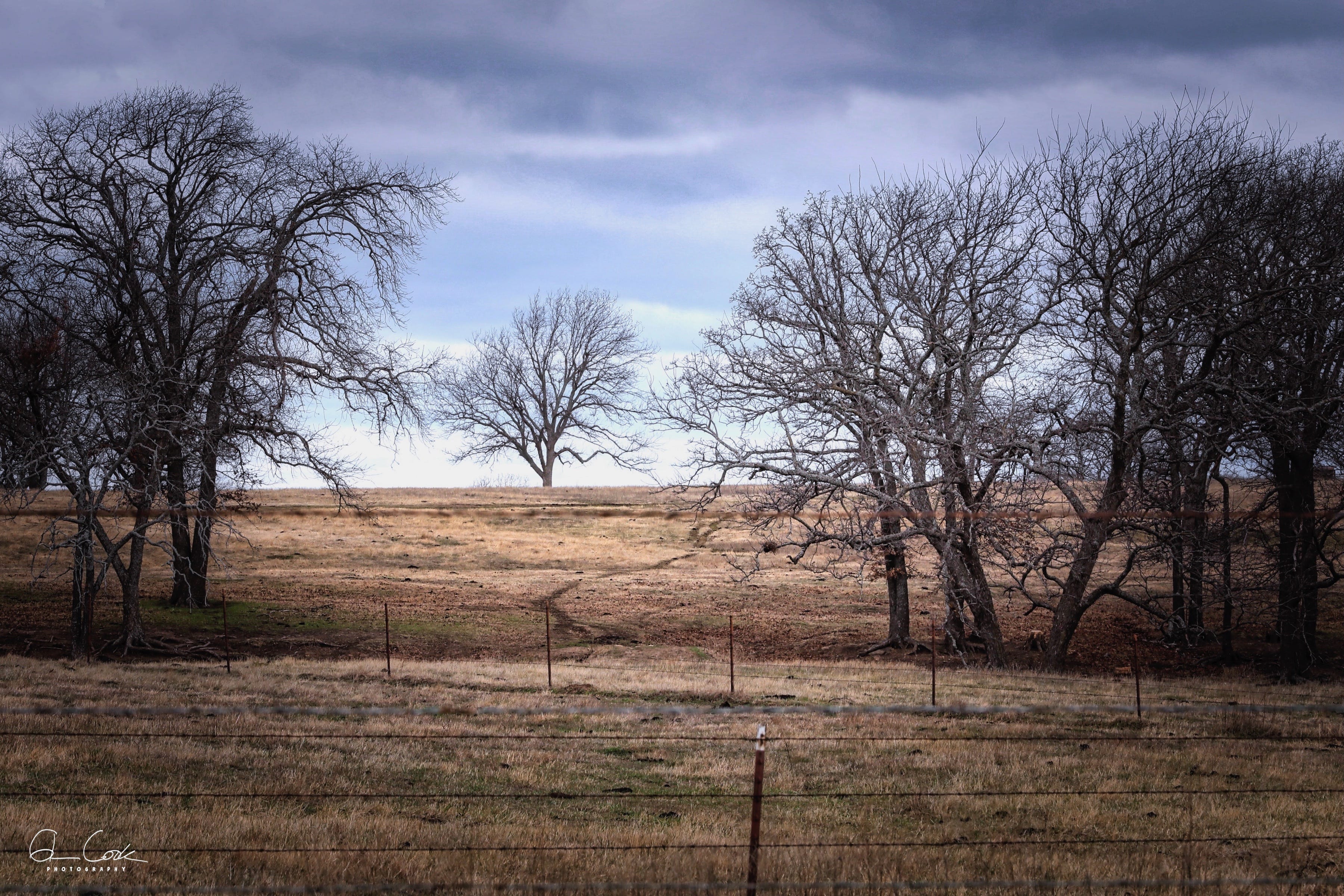
In setting up the story, I found an ally in Jackie White, program director of Oklahoma’s American Indian Education Department. Jackie’s office works to ensure eligible students are accounted for so they — and the districts that serve them — can receive the support they need. She saw my story as a way to create awareness for her efforts.
Jackie set me up with interviews in Ada, Anadarko, and Okmulgee, three small rural communities with a majority AI/AN population. The interviews were scheduled over four days in March 2022, giving me a day to visit and take photos in other small communities between the three towns. In all, I drove about 600 miles around the state.
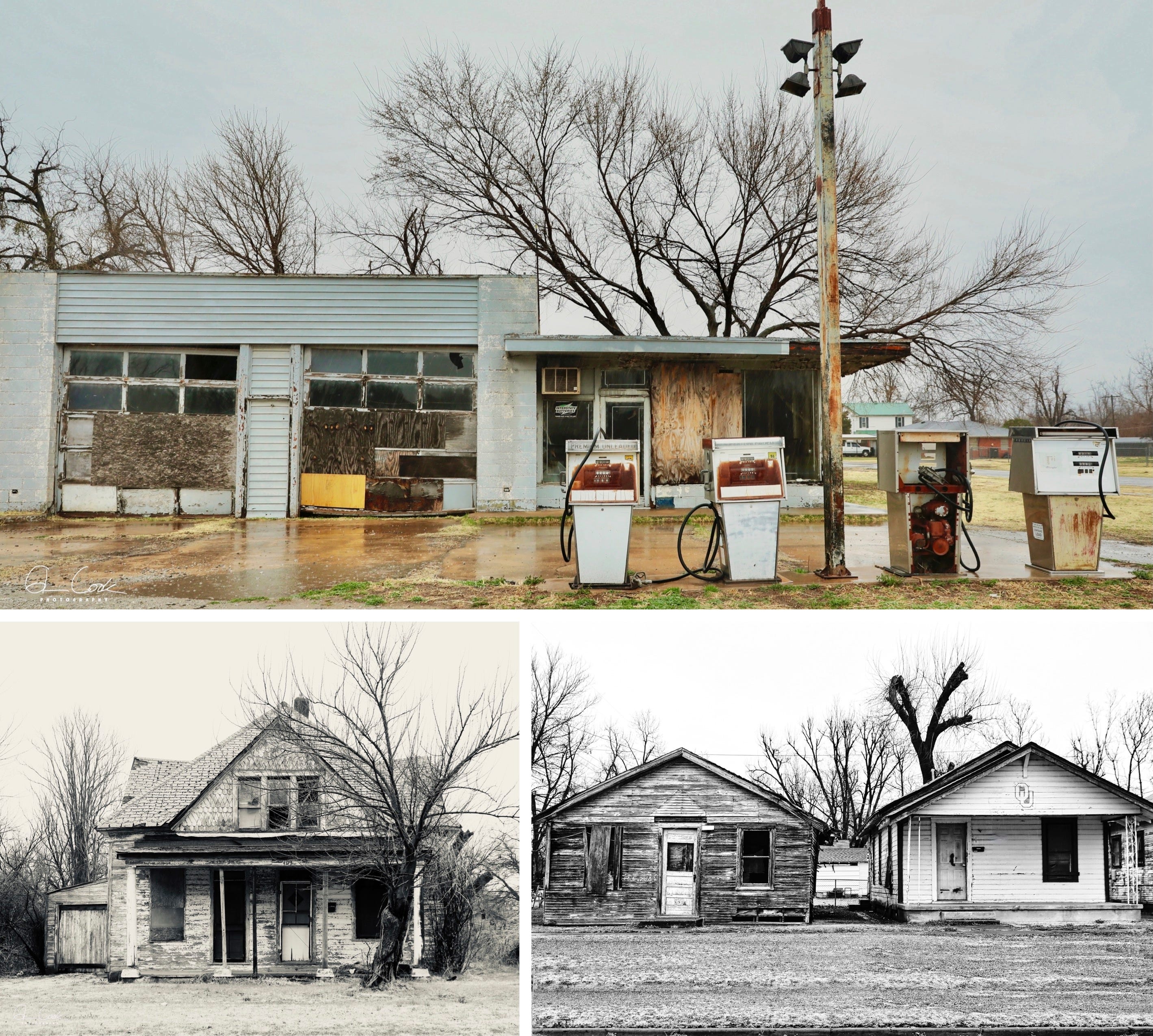
My first stop was Anadarko, a small, extremely low-income town 50 miles southwest of Oklahoma City. The self-titled “Indian Capital of the Nation,” the town has 37 Native American tribes, including seven that are federally recognized.
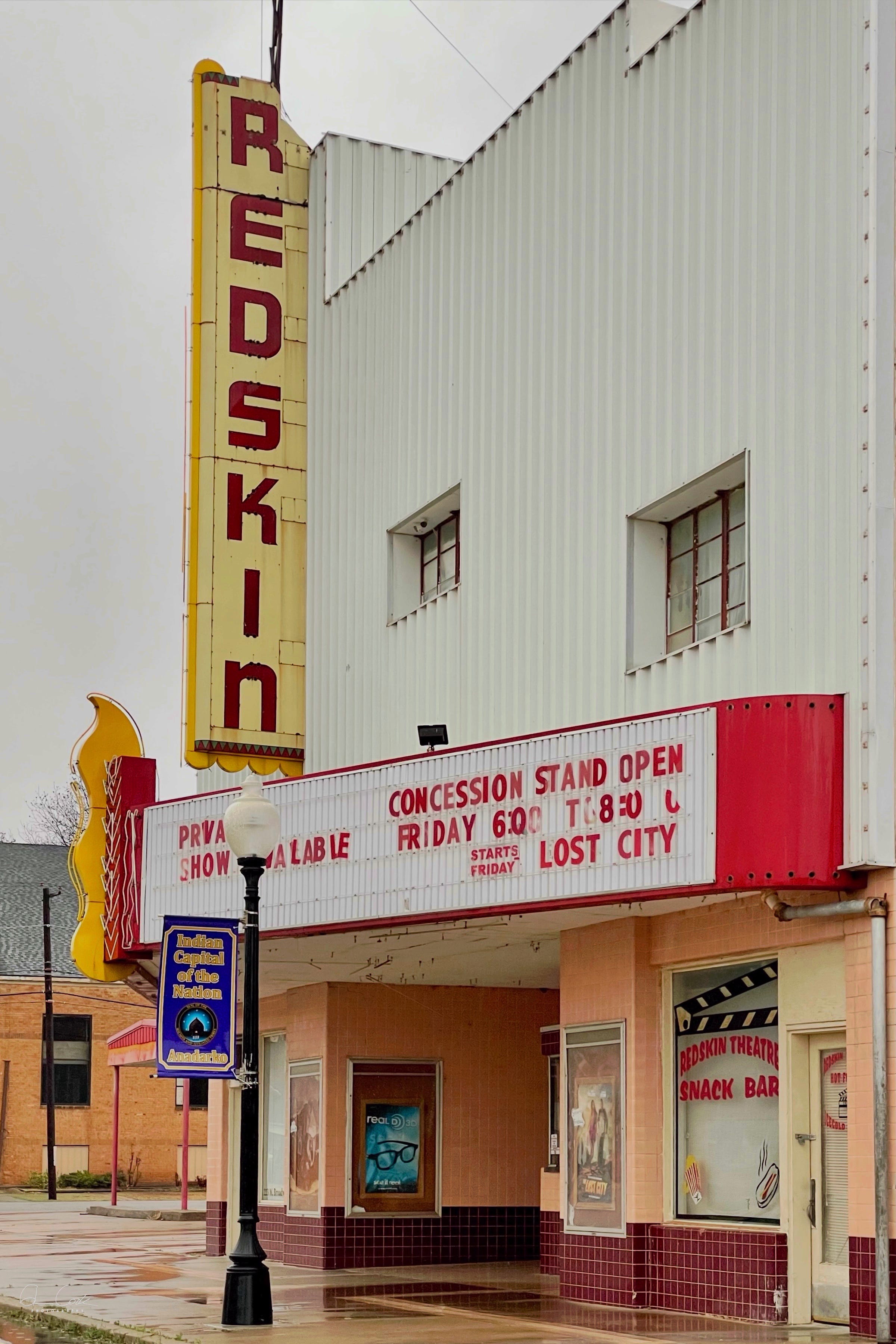
Anadarko also has a single screen movie theater with a name all too familiar to Washington’s NFL football fans. Remarkably, school officials said community members do not want to change the theater’s name.
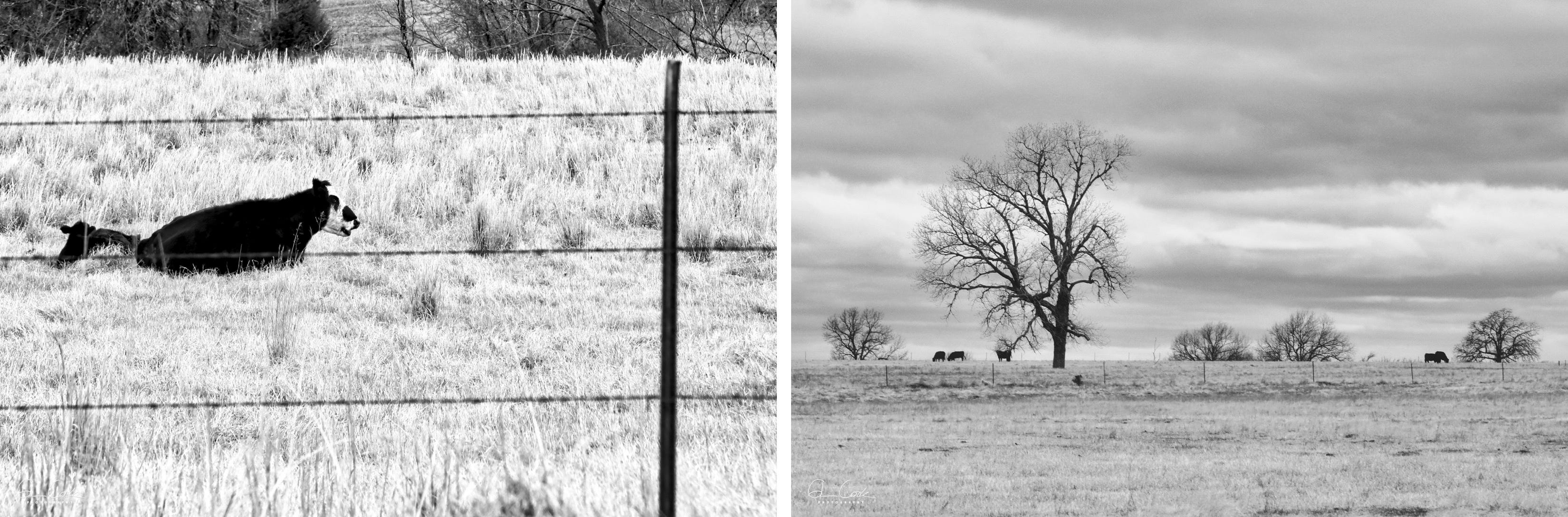
From there, I drove southeast to Ada, the capital of the Chickasaw Nation and the largest of the three communities I visited. I also passed through the tiny Oil City on the way.
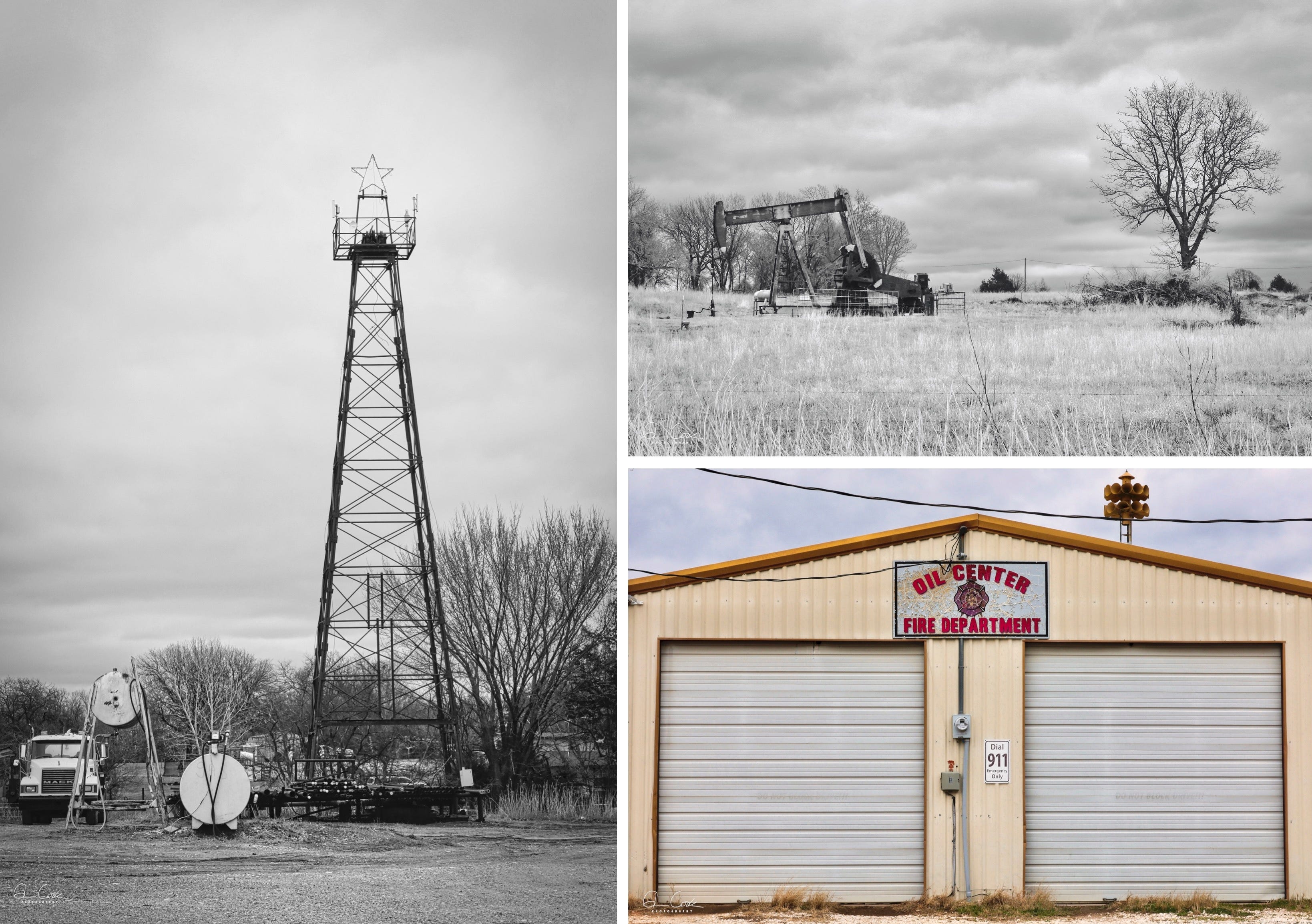
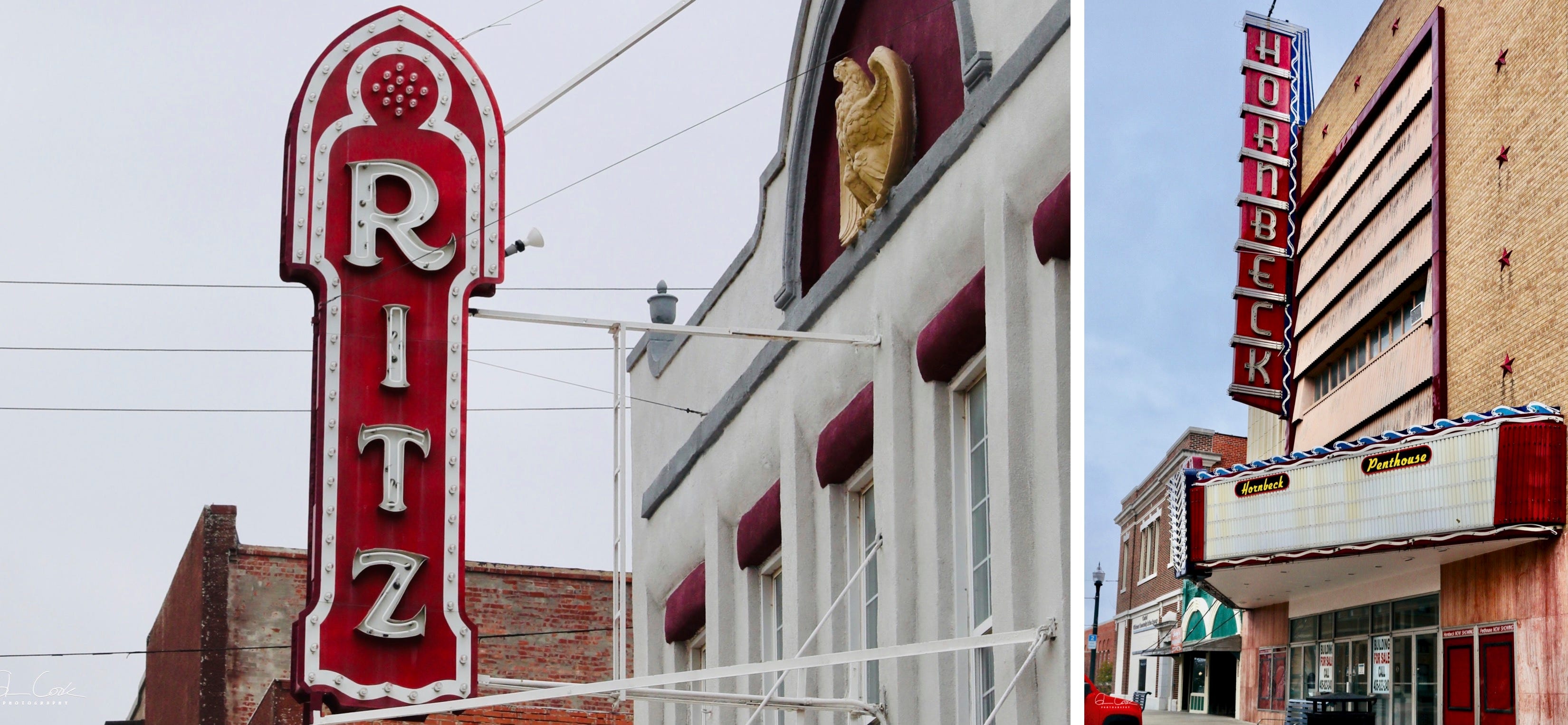
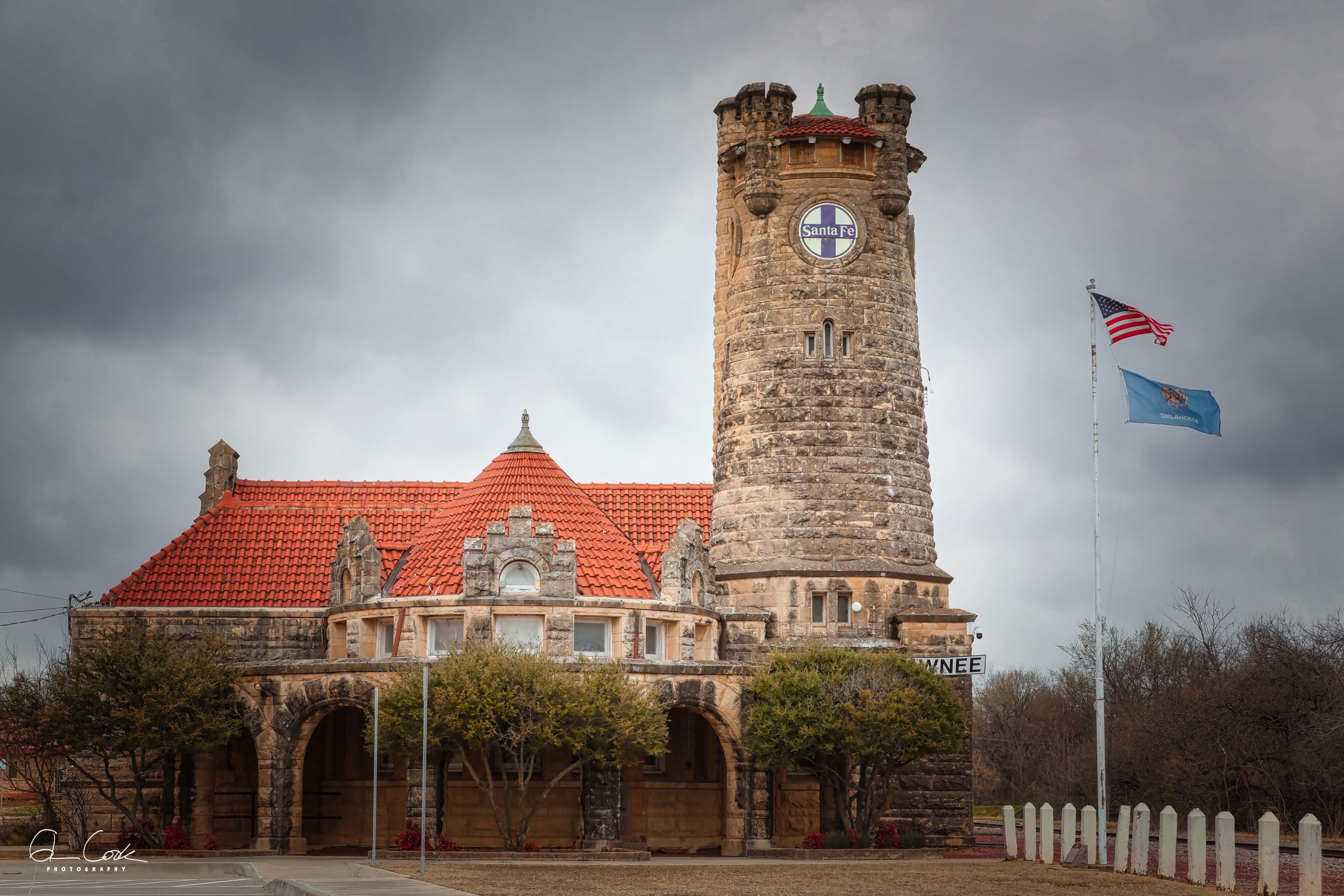
With a day before my final set of interviews, I detoured over to Shawnee, which has 31,300 residents and was the largest town I saw outside Oklahoma City. Given my love for old movie houses, I enjoyed taking photos of two downtown theaters — The Ritz, which hosts live events, and The Hornbeck, which was for sale. The castle-like Santa Fe Depot, now a museum, was another photo highlight, as were other parts of the early 20th century downtown.
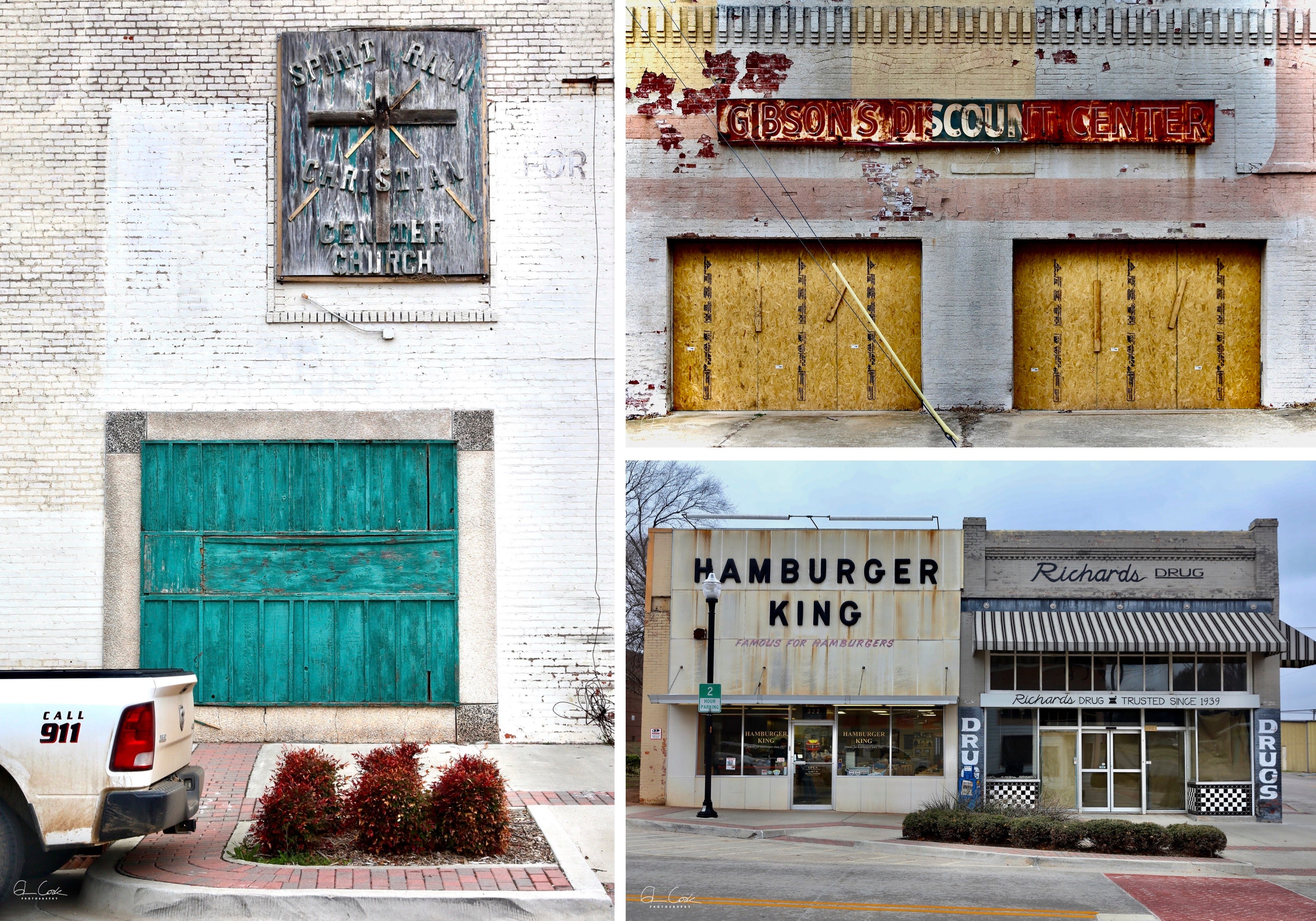
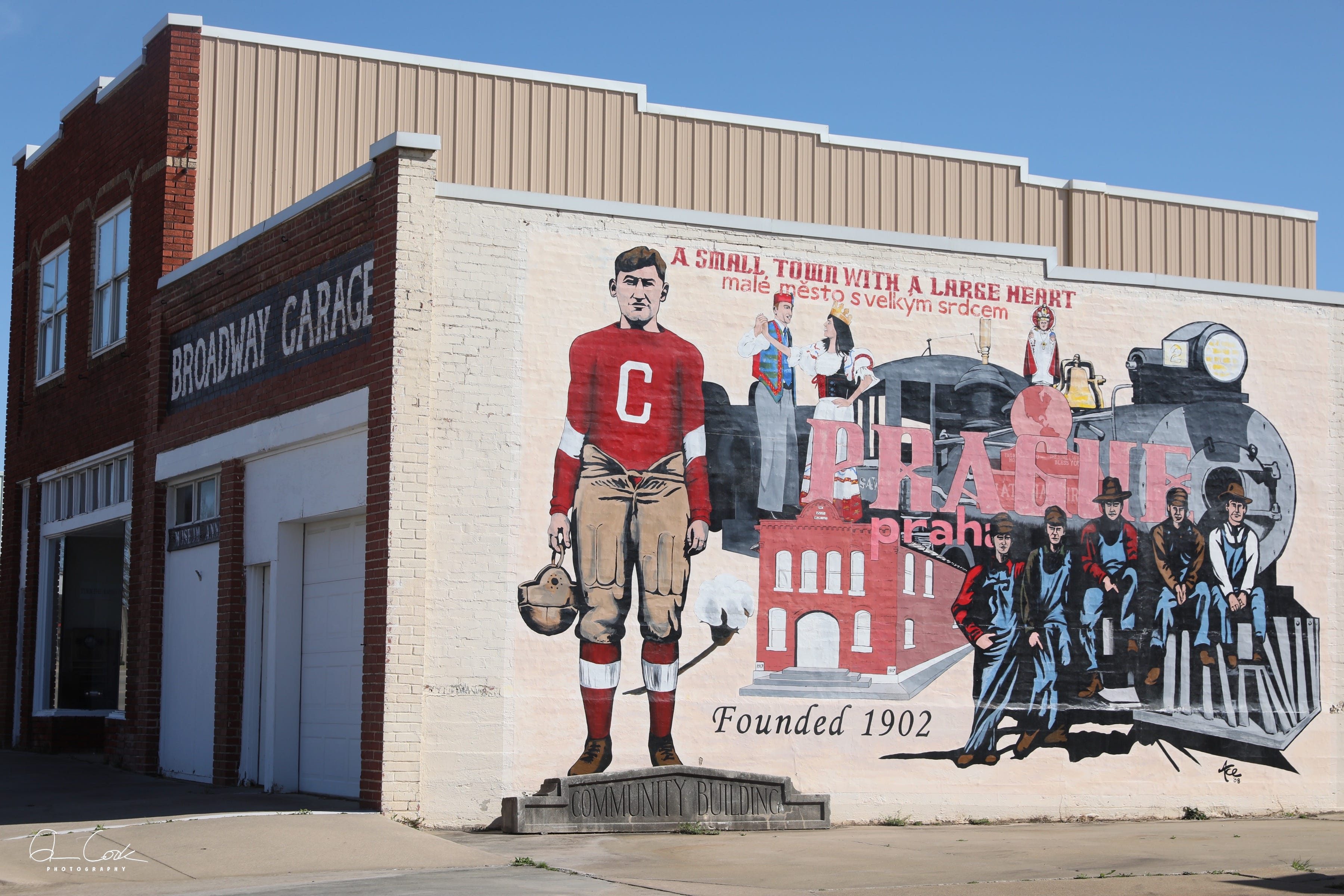
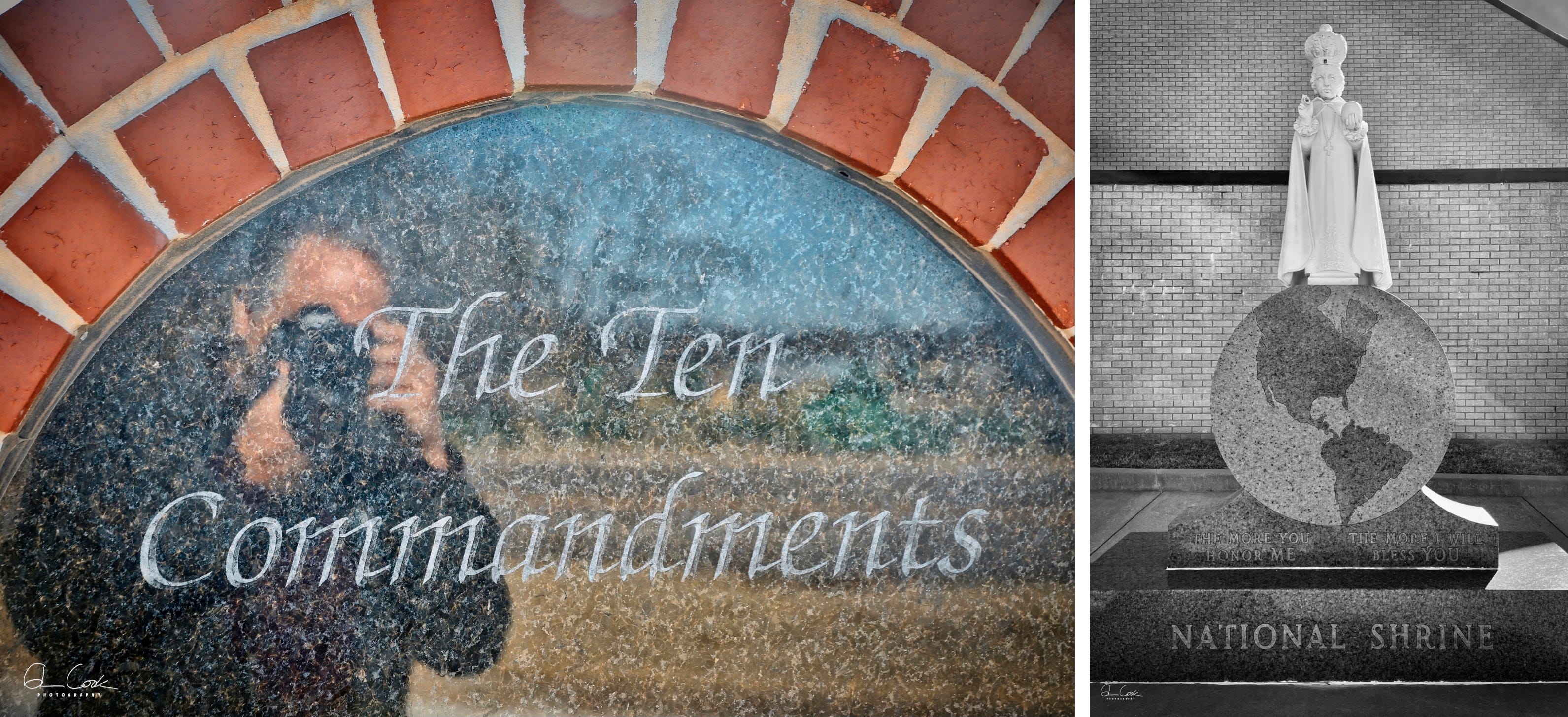
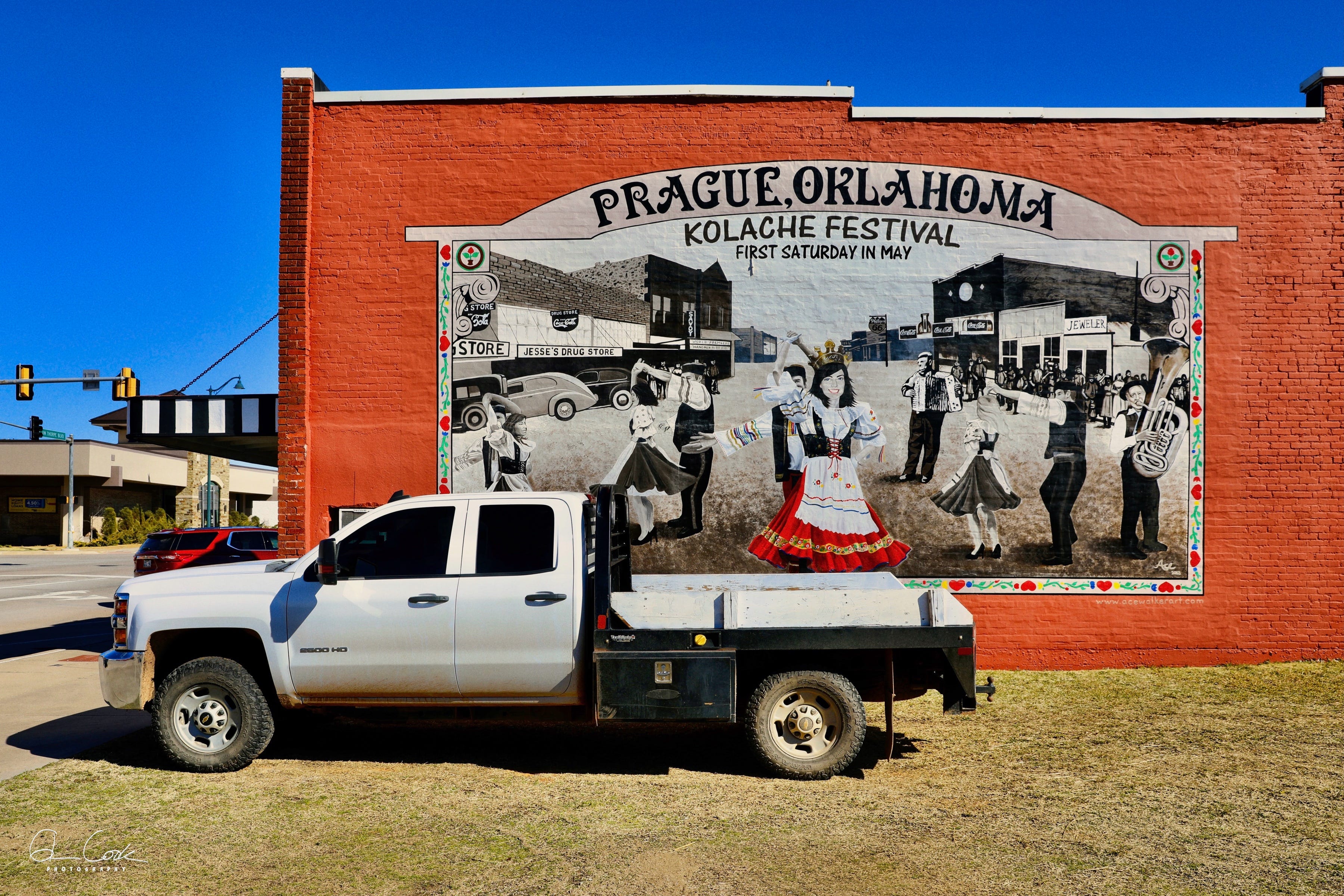
Next up was Prague, which was settled by Czech immigrants in the late 19th century. For such a small community — only about 2,300 residents — Prague also has a rich history. It is the birthplace of Jim Thorpe and the site of the National Shrine of the Infant Jesus, a Papal-authorized copy of the Infant Jesus of Prague. Unfortunately, I missed the annual Kolache Festival.
My final stop was in Okmulgee, which has been the home and capital of the Muscogee (Creek) Nation since it was founded three years after the Civil War ended. About 60 percent of the district’s students are AI/AN, and most were receiving wraparound services from the Muscogee Nation, which also shut down during the early days of pandemic and did not reopen for several months.
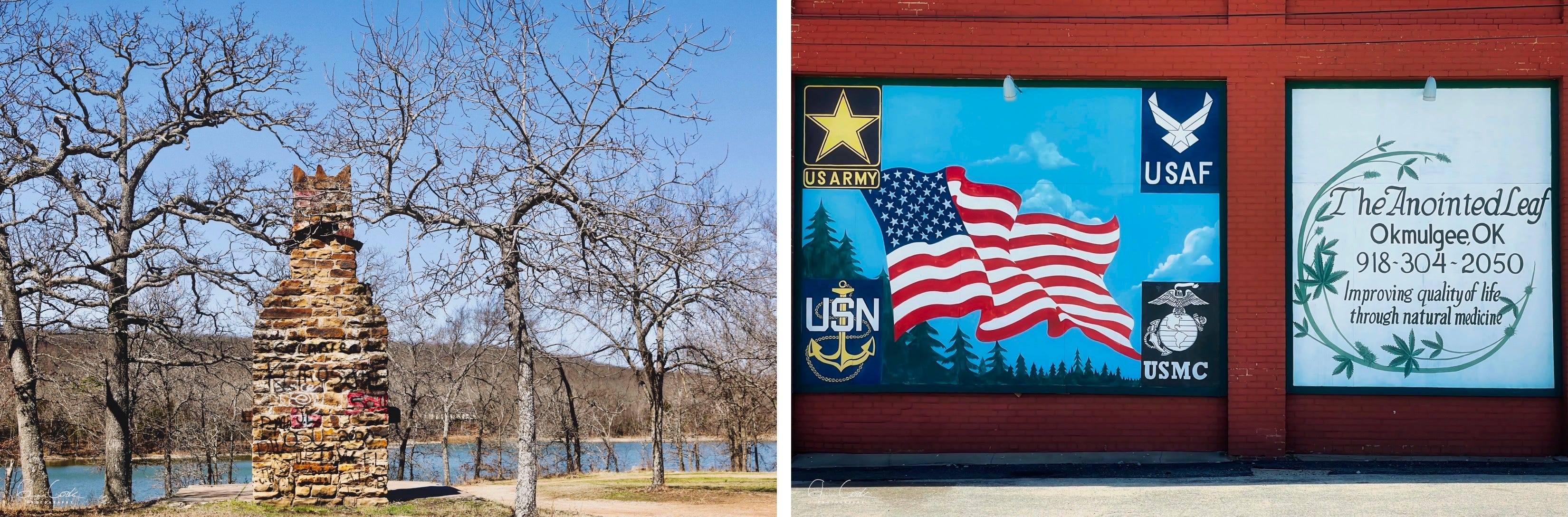
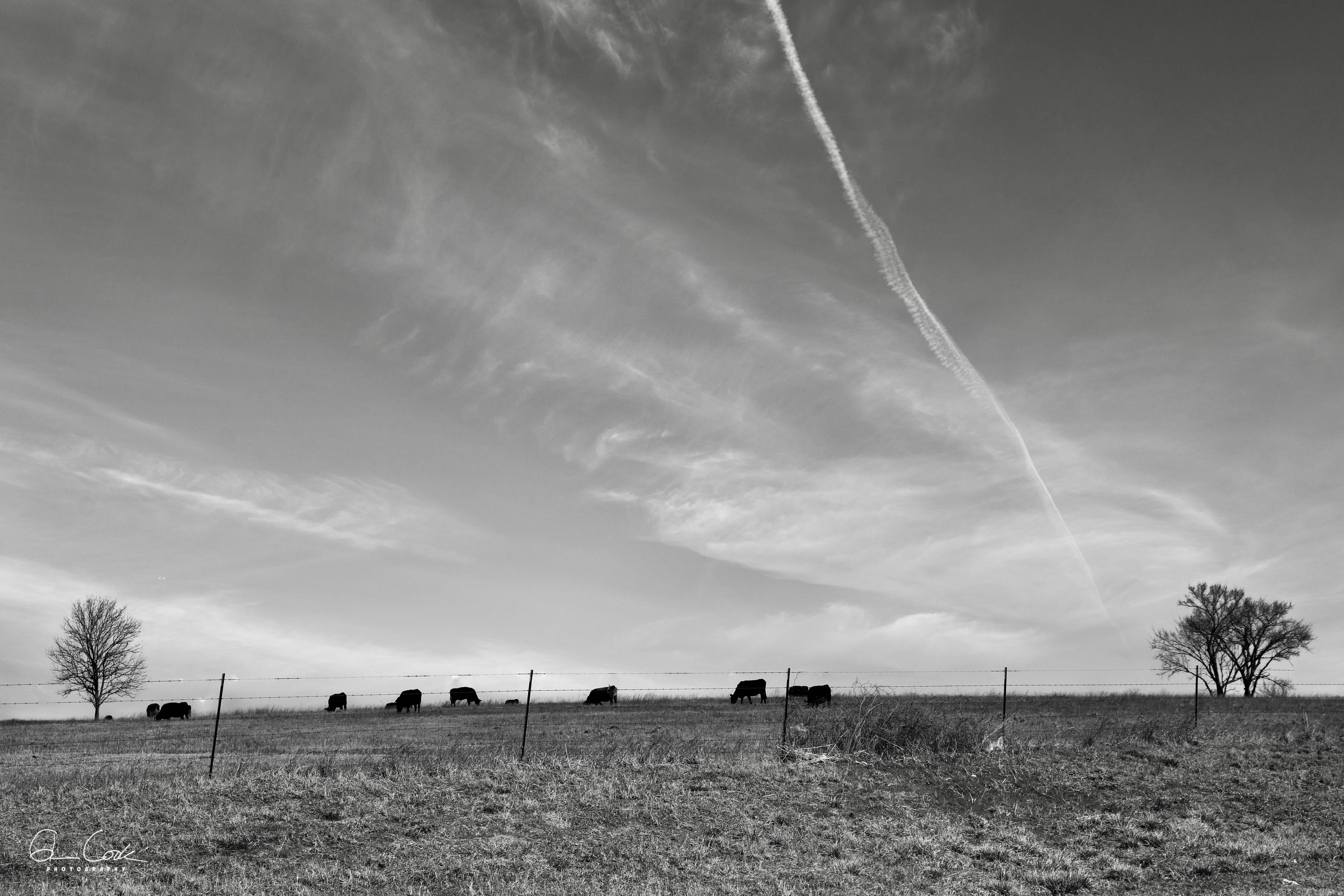
Okmulgee also was where the fantastic series “Reservation Dogs,” the first American TV show to feature all Native American writers and directors, was filmed. If you haven’t seen the show, which won two Peabody Awards in its three seasons, I highly recommend it.
In addition to these photos, the resulting stories from the travel were well received. Published in June 2022, “Vital Connections” and the piece on student mental health received first place awards in feature writing from Association Media and Publishing. You can read the stories here.
Thanks for reading Our Reality Show! This post is public so feel free to share it.
Comments
Nothing yet. Say the first thing.
Sign in to join the conversation.