
I have the sort of life that can be badly misinterpreted with the sound turned off.
I live in a two-hundred-year-old house. I grow vegetables, dry herbs, bake sourdough, preserve enough food to make my pantry groan, decorate for every season, arrange flowers, and spend an unreasonable amount of time turning ordinary moments into tiny rituals.
At first glance, I suppose it could all read a little tradwife.
Then I open my mouth.
Because I may enjoy what the internet has decided are “tradwife hobbies,” but I am far more witch bitch than submissive housewife.
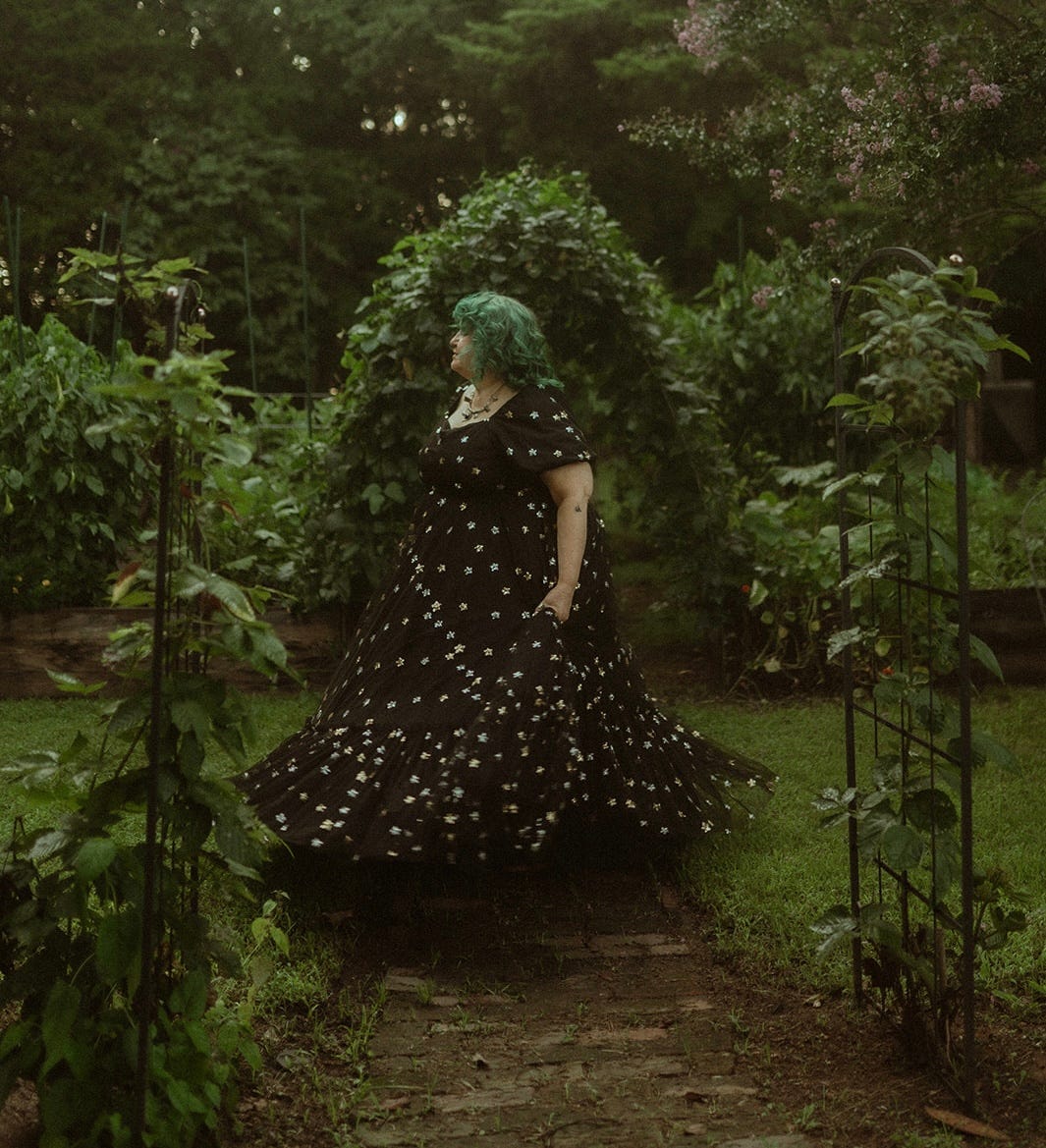
I do not believe women should submit to their husbands. Neither does mine. In fact, we both consider ourselves misandrists. I am the primary breadwinner in our home, while my husband does most of the cleaning, all of the grocery shopping, and probably seventy-five percent of the cooking. He brings me tea in the morning. He builds garden beds, hangs wallpaper, and helps me turn every nook and cranny of our life into the enchanted little dream world I imagined. He just spent two full days building me a greenhouse because I wanted one that looked as though it had been plucked from the set of Practical Magic.
Ask him why he does any of it and he will tell you quite plainly that his job is to make my life happier, easier, and dreamier.
His goal is not to keep me in my place. His goal is to help me build the life of my dreams.
And yet, because I make jelly and wear dresses while wandering through my garden, I occasionally feel obligated to add a disclaimer so nobody mistakes me for a woman who thinks men should be in charge.
It is funny, and it usually gets the point across. But it also pisses me off that I have to say it at all.
Tradwives did not invent sourdough. They did not discover gardening. They did not create homemaking, food preservation, seasonal living, herbalism, sewing, flower arranging, or cooking from scratch. Women have been doing these things for thousands of years as acts of survival, creativity, community, pleasure, resourcefulness, and power.
They simply hijacked the aesthetic and attached a patriarchal sales pitch to it.
They planted a little flag in the middle of the garden and declared that tomatoes, linen dresses, babies, wooden spoons, and freshly baked bread all belonged to women who obey their husbands. Suddenly, every beautiful kitchen became evidence that feminism had failed. Every loaf of sourdough became a testimonial for traditional gender roles. Every woman who enjoyed making a home was treated as though she must secretly yearn to hand over her bank account and call some mediocre man the head of the household.
And most of it is propaganda veiled as marketing.
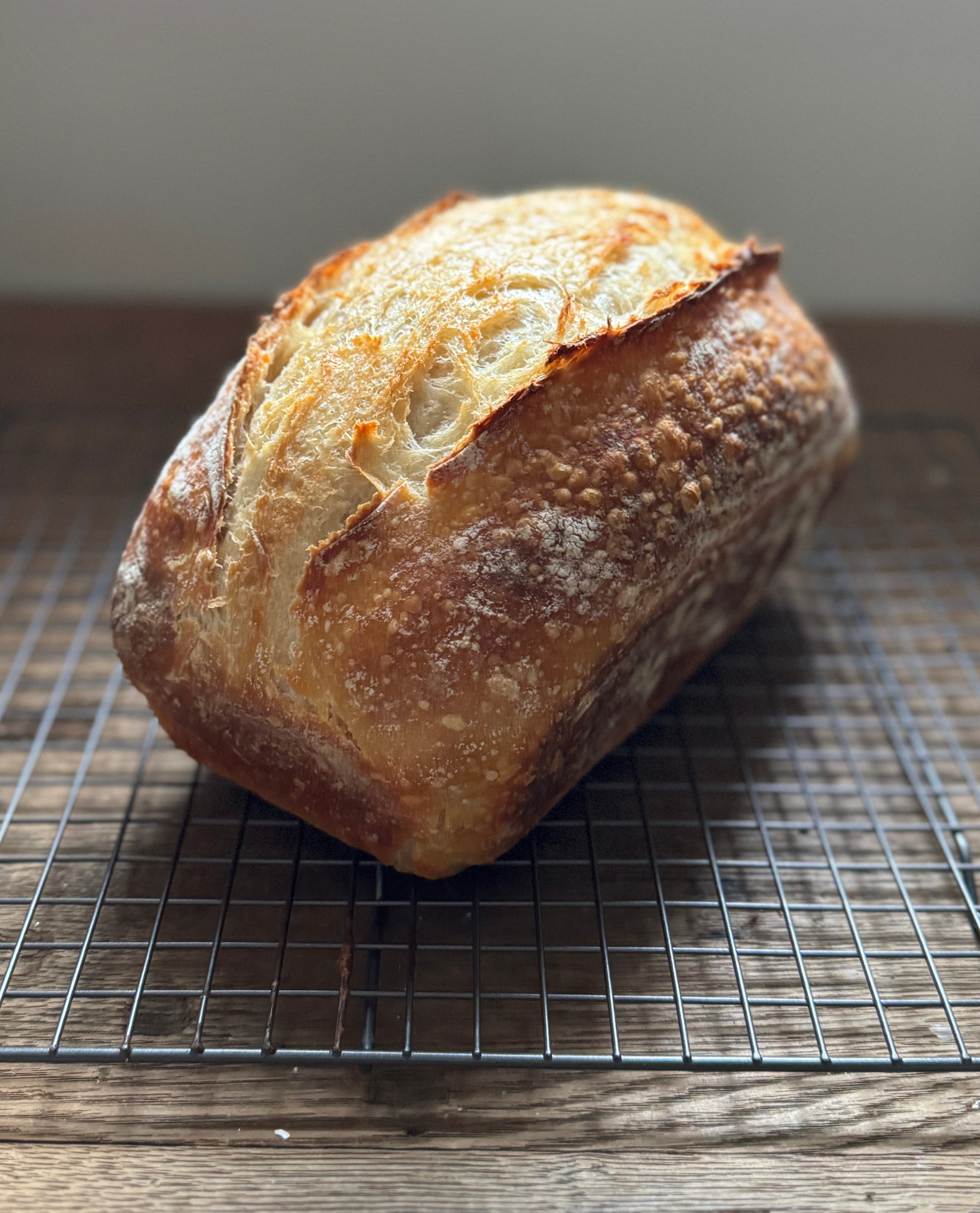
The internet’s most influential domestic goddesses are not ordinary women who abandoned ambition to quietly serve their husbands. They are professional models, entrepreneurs, content creators, and co-CEOs running enormous digital media businesses.
Nara Smith does not merely wander into her kitchen and decide to make chewing gum from scratch while wearing a couture gown. She creates highly polished entertainment as part of a lucrative career. Hannah Neeleman is not simply a farmer’s wife baking bread between homeschool lessons. She co-owns Ballerina Farm, a sprawling lifestyle company with employees, retail operations, millions of followers, and an entire commercial ecosystem built around the family’s image. And that’s not evening mentioning her father-in-law who owns an airline, so her husband is the epitome of nepo-baby.
Both women now resist being called tradwives. But they spent years creating some of the most effective propaganda the tradwife movement could ever have purchased.
They made extreme domestic labor look sensual, luxurious, serene, and effortless.
They sold a world in which a beautiful woman spends her days making every morsel from scratch, raising a flock of rosy-cheeked children, tending animals, maintaining a lovely home, staying thin, looking polished, and remaining endlessly available to her husband. She never appears to be furious that somebody left a wet towel on the floor. She never seems to be calculating whether the electric bill will clear before payday. She is not sitting in a school pickup line eating stale crackers for lunch because she spent the morning washing everyone else’s clothes.
The fantasy works because the machinery stays outside the frame.
You see the bread, but not the business infrastructure.
You see the children, but not the paid help.
You see the beautiful dress, but not the wealth required to wear Schiaparelli while grating tomatoes.
You see the homemade meal, but not the income generated every time millions of people watch it being made.
And then an ordinary woman watches this content after working all day, driving home, picking up the children, making dinner, washing dishes, scheduling appointments, answering school emails, folding laundry, and carrying the invisible mental load of the entire household.
She is already drowning, but the algorithm whispers that the problem is feminism.
It tells her she would feel more fulfilled if she made the bread herself. Grew the vegetables herself. Homeschooled the children herself. Sewed the dresses herself. Kept the house immaculate. Remained sexually available. Looked beautiful doing it. Deferred to her husband. Trusted him with the money. And somehow cultivated a peaceful nervous system while performing the unpaid labor of six people.
So she tries to recreate a lifestyle produced with money and support systems she does not have. Of course she ends up miserable.
The fantasy was never being sustained by feminine energy and a cheerful attitude. It was sustained by wealth, employees, flexible schedules, commercial sponsorships, expensive equipment, and an audience that turns domestic labor into income.
The influencer gets paid to make the sourdough. The woman copying her gets another chore.
Worse, the influencer is building a personal brand, a business, a following, professional connections, and independent earning power while selling financial dependence to other women. That is the part that makes my eye twitch.
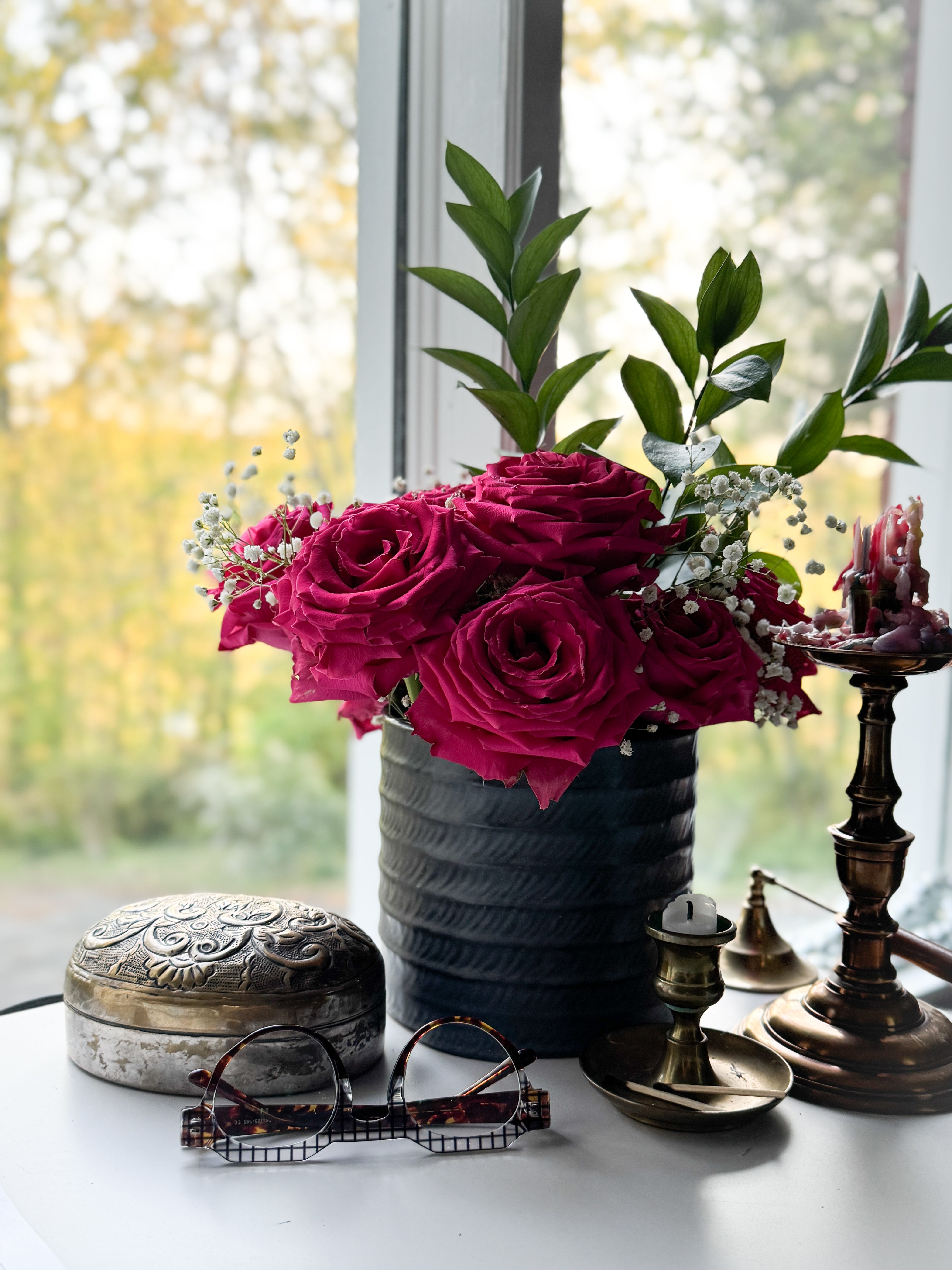
Because when a wealthy content creator tells women that stepping away from financial independence is the secret to a beautiful life, she is not taking the same risk she is romanticizing. She has an audience. She has a company. She has name recognition. She has opportunities. Should her marriage collapse tomorrow, she does not have a ten-year crater in her résumé and twenty-seven dollars in a checking account her husband monitors.
The woman who followed her advice might.
She may have spent years helping her husband build his career while her own earning power withered. She may have no independent savings, little retirement, no recent work history, and no idea what assets are even held in their names. She may have devoted her entire adult life to making herself useful to a man who can still wake up one morning and abandon her like an overgrown zucchini he forgot beneath the leaves.
Men leave. Men die. Men become disabled. Men hide money. Men change.
Even perfectly lovely men are still human beings, not financial plans.
And I refuse to pretend that encouraging women to surrender their economic agency is romantic simply because the sales pitch is filmed in a sun-drenched kitchen.
But here is where I part ways with people who think the solution is to reject domesticity altogether.
I am not giving up my garden because conservative women planted tomatoes. I am not abandoning sourdough because somebody used it as a gateway drug to patriarchy. I am not surrendering beautiful dresses, old houses, seasonal rituals, handwritten recipes, flower-filled rooms, or shelves lined with jewel-toned jars of food I grew and preserved myself.
They do not get to claim every pleasure once associated with traditional womanhood and declare it proof that women secretly want to be ruled by men. And feminism should never require us to despise anything women were historically expected to do.
The freedom was never in rejecting the kitchen. The freedom is in choosing what happens there, why we do it, who benefits from it, and whether we are allowed to leave.
When I preserve food, I am not performing obedience. I am practicing abundance magic. I take something fleeting and ripened by the summer sun, pour intention into it, seal it beneath a lid, and save that sweetness for a colder day.
When I make sourdough, I am working with a living thing. Flour, water, wild yeast, warmth, patience, and time become something entirely new beneath my hands. That is transformation magic in its most delicious form.
When I garden, I am not cosplaying a simpler era when women knew their place. I am collaborating with the land, feeding myself, strengthening my relationship with the seasons, and proving that life can be coaxed from a handful of seeds and a patch of stubborn Alabama dirt.
When I decorate my home, I am not creating a showroom for male approval. I am shaping the atmosphere in which I live. I am surrounding myself with color, beauty, memory, pleasure, and objects that make my nervous system exhale.
My kitchen is not the room where I serve the patriarchy. It is an altar, an apothecary, a laboratory, and occasionally the headquarters of a small jelly-making empire.
The difference between my life and tradwife propaganda is not visible in a silent fifteen-second clip. It lives in the architecture beneath it.
I make the money. My husband makes the tea. I dream up the enchanted world, and he happily helps me build it. The garden, greenhouse, canning jars, old house, flowers, bread, business, marriage, pleasure, and magic all belong to a life organized around female sovereignty.
No posts
Comments
Nothing yet. Say the first thing.
Sign in to join the conversation.