
There was a time in my life when I had much bigger plans for myself. I wanted to change the world in some historic way.
But then reality hit.
My youthful idealism ran up against the three-headed Cerberus of ignorance, greed and fear that motivates many people.
And my own limitations.
I learned over the years that I’m simply not designed for the national political scene, being deficient in the very particular qualities necessary to seek higher office. I’m not the remember-everyone’s-parent’s-names, back-slapping deal maker type.
Further, I didn’t feel good about the compromises that I saw so many of my contemporaries making.
Come to think of it, my father served as an model to me in this regard —though he never knew that I noticed. I saw him forego a higher rank in the Air Force because he did not want to subject his family to a posting at the Pentagon, which he felt would have been detrimental for us. He retired quietly and honorably in Southern Arizona.
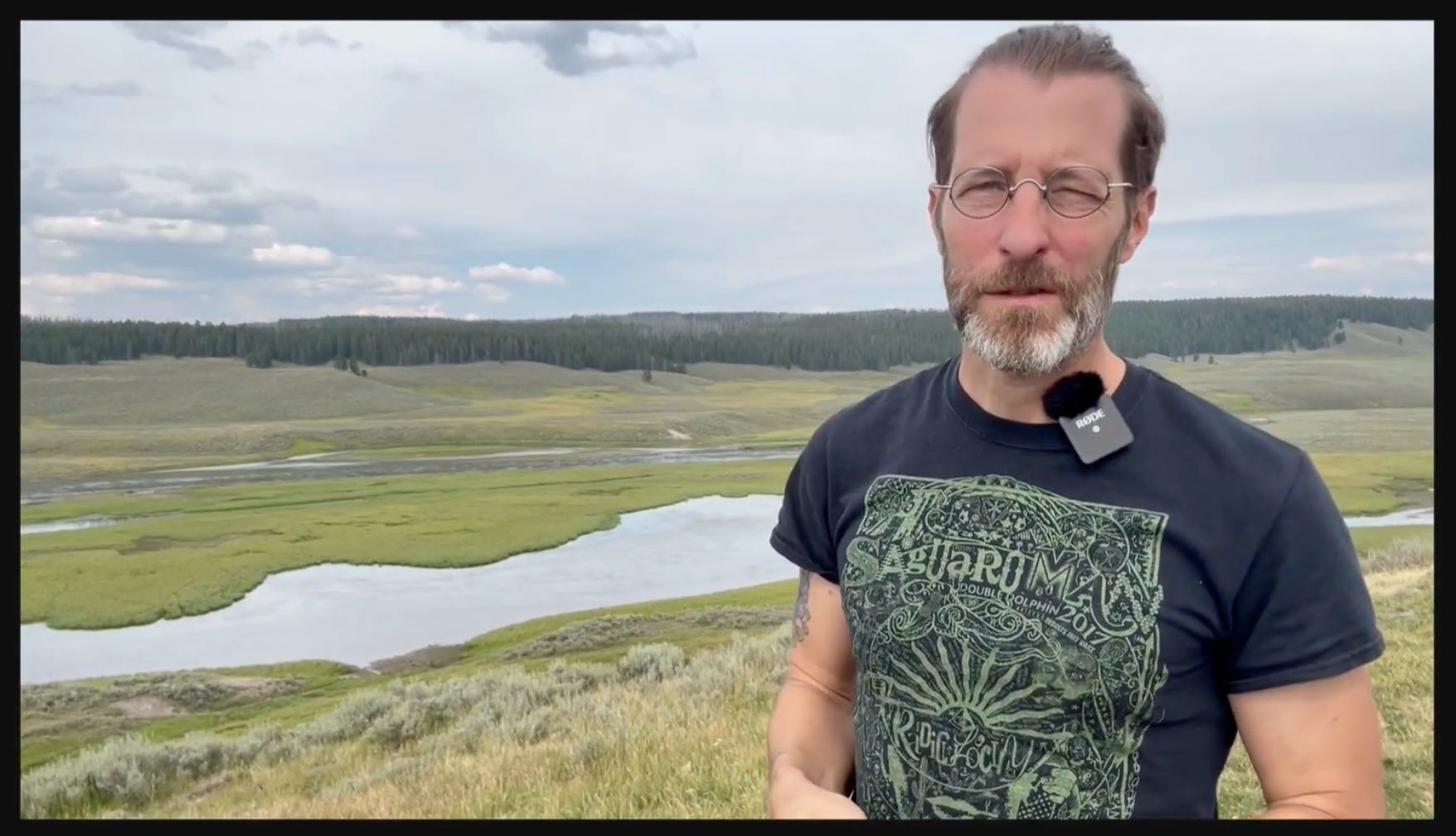
After my election loss in 2018, I spent a few years confronting how the cancer of nihilism derailed even many of my remaining career hopes. Luckily, I’ve come out the other end of those years with a much healthier and realistic definition of positive change.
If you follow this blog and my SRP campaign website postings, you know that I did not run for the SRP Board out of a desire to gain power or to redeem my past political missteps.
Rather, that I saw that I had a duty to try to solve a specific problem, given my relative privilege, my nerdy interest in clean energy and my remaining name ID in Central Phoenix.
I came to learn that changing the world simply feels better when I’m part of a well-functioning machine. I leaned more in to being “of service”, rather than taking the lead as a candidate. I focused on solving a specific problem, rather than being a generalist.
I find myself steering clear of people who are in public service without a clear idea of why they are there, versus those who got pulled in to it to solve a specific problem in their community. The latter make better leaders.
Warhol’s 15 minutes of fame has been shaved down to 15 seconds by algorithms and the ubiquity of social media. Still, we still chase it like some digital golden ring.
And, while I never had a drive to be a social influencer, I have always wanted to find ways to help people understand how shit actually works in the crafting of public policy.
I’ve been compelled by the idea that, if people can wrap their heads around fantasy football, they can understand how state government is structured, or even how redistricting works. I’ve thought for years that Arizona needs a local John Oliver to guide people through comedy in to understanding the policy world that affects them so deeply.
“It’s not that complicated, folks. Just spend a little time with it and empower yourself,” I’d say.
I did a whole video series in this spirit back in 2024. I tried to launch an Instagram series about how Phoenix works back in 2019.
As it turns out, I don’t have the flame under me to generate that much content. Plus, I want to feel confident that I’ve taken enough time to research what I’m mouthing off about.
In addition, I ran in to a dilemma. Most of my favorite topics are already being written about by other very competent commenters. However, what I know a lot about attracts too small an audience to make a living from.
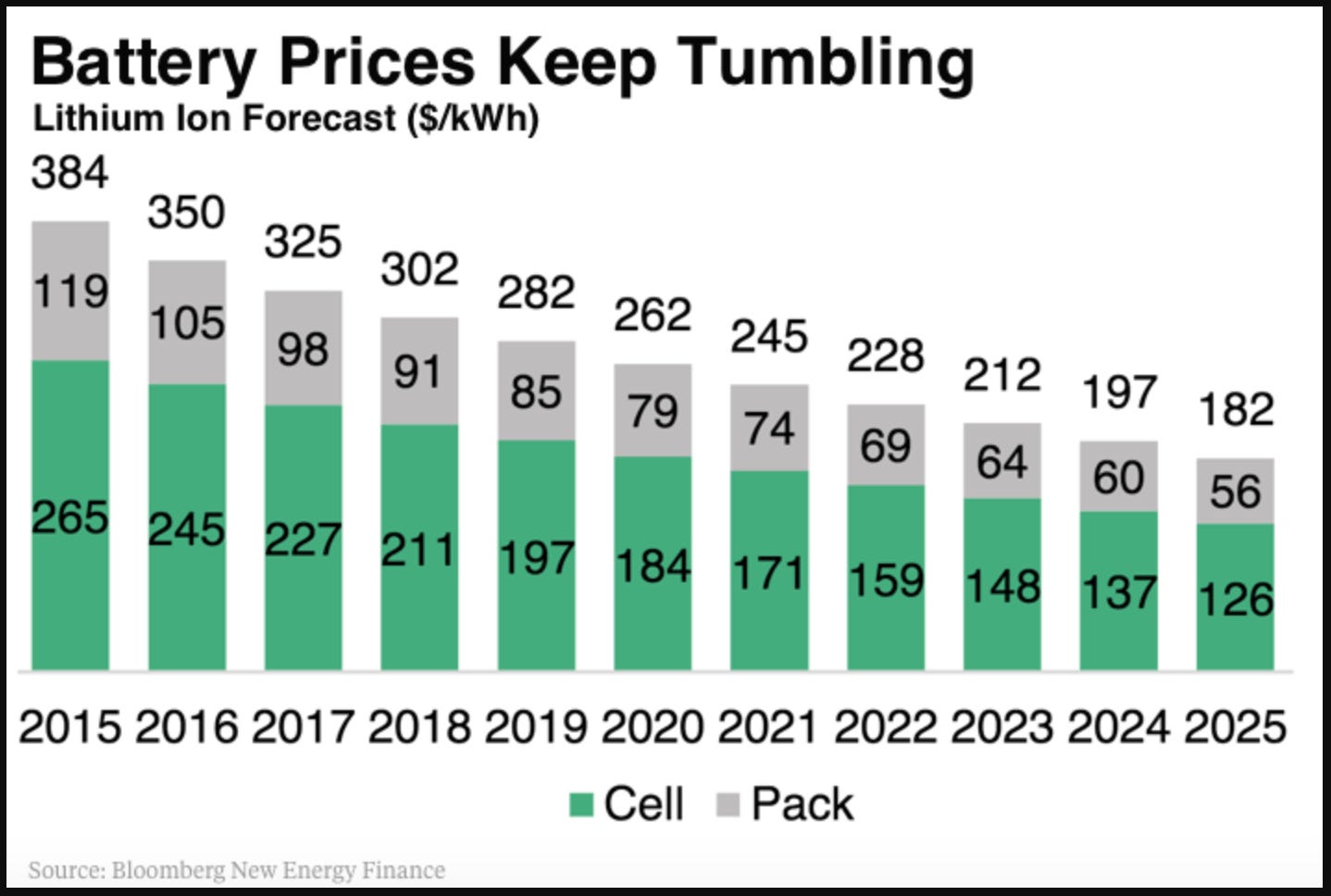
You probably won’t read a comparison of lithium-ion and sodium-ion batteries.
Through those efforts I’ve come to realize something incredibly important.
If there is anything that the April success in the SRP board election taught me it’s that smaller is actually bigger.
Small groups of people inspired many other small groups of people to fight TPUSA.
While most well-known politicians stayed away from our efforts because they seemed to be afraid to piss off the then-SRP board or PAC, a small number of them stepped up without being asked.
We are seeing a deepening internalization on the left that the Democratic establishment had forsaken down ballot races and local problems in pursuit of bigger dollars from corporate interests. Not only that, but people have seen how the investments that the radical right made in down-ballot candidates in the 1980s and 1990s paid off in huge power gains over the last decade.
By spending more time on grass roots development it feels like I’m spending my limited time more wisely. It’s about having deep and narrow influence, rather than shallow and broad influence.
As a social media influencer I could spend my time scraping coins off of the floor of the Social Media Bar and Grill in hopes of being one of the one percent of influencers with a significant following. Or I can focus on influencing more deeply, locally.
The social media companies would like me to spend my life chasing trends and coins while generating content which will be relevant for 15 seconds. If I’m doing that, then I’m not organizing my community.
It’s an act of resistance to do things differently than what the power structure wants.
It’s also why local Indivisible chapters are more effective than local Democratic party chapters. We fly low like Ukrainian drones crossing the boarder in to Russia under radar level and in great numbers.
Rebuilding a broken system happens best when lot of local leaders foster very local influence, then share notes with each other.
Success is not measured by volumes content creation or rank, rather by outcomes. And changing the world for the better is such a more fulfilling experience with this perspective in mind.
No posts
Comments
Nothing yet. Say the first thing.
Sign in to join the conversation.