
Nine years ago, I was eighteen, and I wanted to tell stories. I didn’t know what that meant yet, not really, but I knew I wanted to build something. So I did what most people in my position do. I figured it out alone. Web design, graphic design, CMS management, social media, editorial, strategy. I taught myself everything I thought I needed, and I carried it all by myself. The lone wolf. The solo grind. The self-made version of the dream.
I wasn’t unusual. I was simply doing what the culture had taught me to do. Somewhere between the rise of hustle content and the glorification of the self-made story, a particular idea got very deeply embedded in how young creatives think about success. That the highest form of achievement is the one you built entirely by yourself. That asking for help is a weakness. That sharing knowledge or opportunity is giving something away that you can’t get back. That the person who does it alone did it better, even when the evidence suggests otherwise.
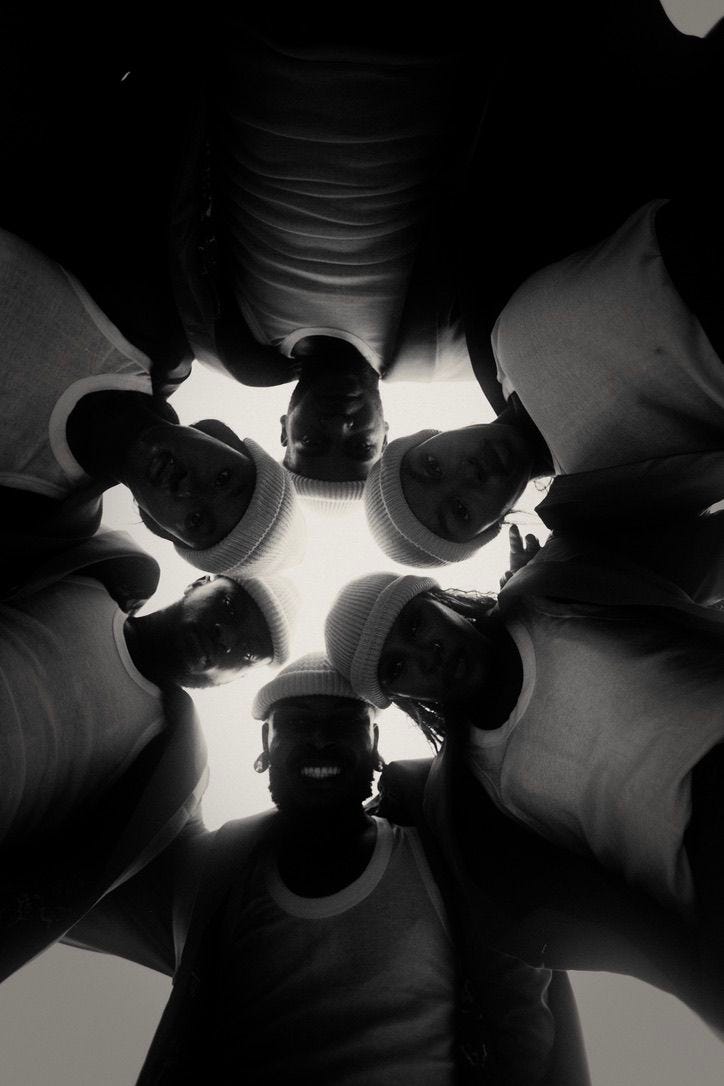
The problem is that this is not just emotionally isolating; it is economically expensive. In a creative industry that is already operating under significant structural pressure, it is a luxury we simply cannot afford.
I know this because I lived the cost of it. For years, I was building Unruly in relative isolation, accumulating skills because I didn’t trust the process of building with other people, or perhaps because I hadn’t met the right ones yet. What I was building had a ceiling I couldn’t see until I started bumping against it. The work was good, and the vision was real. But some things simply cannot happen when one person is doing everything, and I was doing everything.
What changed the trajectory of what Unruly is today was not a new skill I acquired or a strategy I implemented alone. It was people. People who saw the same thing I saw, who wanted to build something that mattered, who committed to the dream before it had fully proven itself. Dropping the lone wolf act and learning to build with other people is one of the best things I have done for this platform. Not just emotionally, economically, strategically, creatively, in every way that actually matters.
A TikTok video making this exact argument recently stopped me mid-scroll. The creator’s point was simple: individualism doesn’t just isolate us emotionally; it isolates us economically. The comments, predictably, were split. But one in particular stuck with me. “Individualism works best when collectivism fails,” someone wrote. “Many of us would choose community any day over anything else. However, it sometimes makes life ten times harder than it should be. Community, instead of creating opportunities for support and success, can sometimes create barriers that would otherwise not exist.”
That statement is not wrong. I want to be honest about why individualism is so seductive, especially here. Because the argument against it only holds if the community is actually functioning the way it should, and in many Nigerian creative spaces, it is not. Community here can mean obligation without reciprocity. It can mean gatekeeping dressed as mentorship. It can mean the person who made it before you pulling the ladder up rather than leaving it down. It can mean sharing your rates with a “friend” who uses it to undercut you at the next opportunity. These are real experiences, and they explain a significant portion of why so many talented people decided it was safer to go alone.
The answer to that, though, is not more isolation. It is a better community. An intentional community. The kind you have to build rather than inherit, because the inherited version is sometimes the one that hurts you.
Over the past three years of running Unruly, I’ve had the privilege of sitting with some of the most compelling creatives working today. One of the things they’ve returned to, almost without exception, is the importance of their community and their team. More than that, a number of them are genuinely, actively paying it forward, sharing opportunities, opening doors, making introductions. Not reluctantly, but freely.
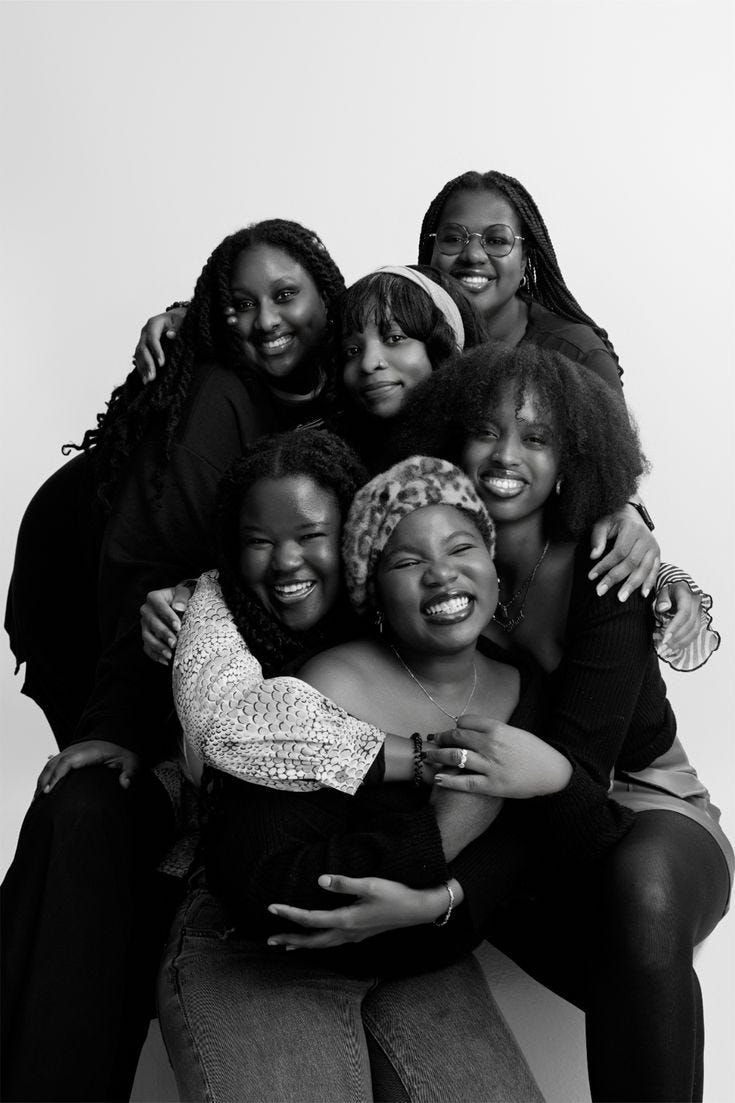
This might read as surprising, because the prevailing assumption about successful people in African creative spaces is that access gets hoarded, that once you’re in, you protect your position by keeping others at a careful distance. While that assumption is not without basis, it is not the whole story. The people who are actually building something lasting seem to understand, often from hard experience, that generosity is not a threat to what they’ve built. It is part of how they built it.
That is the community worth building toward. Not the inherited version that sometimes comes with conditions and quiet competition, but the intentional one, made of people who understand that what they share does not diminish them.
Ignorance is expensive. That is not a motivational phrase, but a material fact. The right piece of information at the right time, the kind that comes from someone who has already been where you are going and is willing to tell you what they found there, can change the entire economics of a career. Most people are not hoarding that information because it is precious. They are hoarding it because they were never taught that sharing it costs them nothing. Because the culture told them that what they know is what protects them, and giving it away is giving themselves away.
It is not. Opportunity does not work that way, and neither does knowledge. The person whose career you help build with a referral, a conversation, or an honest answer to a question is not your competition. They are your community, and community, when it works, is the only thing that builds something that lasts.
None of us were meant to do this alone. The most compelling evidence for that is not a philosophy. It is what I found on the other side of doing everything by myself.
No posts
Comments
Nothing yet. Say the first thing.
Sign in to join the conversation.