
Hi everyone -
I’m changing up the format of the weekly newsletter a bit - or, well, more accurately, I’m formalizing a format going forward.
The tagline for Genetic Lifehacks is Learn. Experiment. Optimize. That’s been my personal operating system - learn about a topic, experiment with how it applies to me, and then dial it in by tweaking the experiments to what works best. I’m changing the weekly newsletter to reflect this idea: a short bit of interesting science (Learn), covering some of the ways you could apply this as example scenarios (Experiment), and then looking at ways you can track and make changes (Optimize). The newsletter will still end with links to new research studies that are impactful or just interesting to me.
This newsletter reaches a wide audience, full of people with expertise on a range of topics. If the weekly topic is something in your wheelhouse, I would love it if you would help other readers out by leaving a substantive comment - add a link to a research paper, give a source for testing, share an experience. You do have to have a free Substack account to comment, but if you want to share without an account, just reply to the newsletter email, and I’ll compile and share the responses.
~ Debbie
Plasmalogens are a special type of lipid that is concentrated in cell membranes, mainly in the brain, heart, and immune cells. They not only keep the cell membrane fluid, but they can also be brought into the cell as a lipid antioxidant.
In the brain, plasmalogens play an important role in neutralizing oxidative stress. This makes them an integral part of brain health, both in aging and in situations of neuroinflammation.
Plasmalogen levels decline with age (about a 40% drop from age 40 to 70), and the levels are even lower in people with Alzheimer’s or other neurodegenerative diseases. Genetic variants (full Genetic Lifehacks article here) can also influence your plasmalogen levels.
What is new here is a 2026 study that ties together low plasmalogen levels in Alzheimer’s patients and the APOE4 allele. (APOE4 is the genetic variant that increases Alzheimer’s risk significantly.) APOE is an apolipoprotein that transports lipids and cholesterol in the brain and throughout the body. While the role of cholesterol transport in the brain has been a focus of APOE research, this lipoprotein also carries phospholipids, including plasmalogens.
A number of studies have shown that circulating plasmalogen levels are significantly decreased in patients with dementia, and clinical trials show that in the early stages of memory loss, supplemental plasmalogens may help. Plasmalogens reduce oxidative stress in the neurons and reduce the activity of an enzyme needed for the formation of amyloid-beta plaque.
The new study showed that APOE4 particles carry substantially less ethanolamine plasmalogen than APOE3 particles. This makes the lower plasmalogen levels in APOE4 carriers a plausible mechanistic link between APOE4 and higher Alzheimer’s disease risk.
Ok, so what can you do about it if you have APOE4 - or if you have neuroinflammation such as in long Covid, ME/CFS, or long-term depression?
There are supplements that directly provide plasmalogens. The drawback is that they are expensive - like $100-$200/month or more for the supplements that are high quality. (There are cheap options on Amazon that likely don’t do anything… read reviews and do your due diligence.) I personally haven’t tried the high-quality plasmalogen supplements and can’t give you personal experience here. But for someone in early memory decline or with neuroinflammation, it may be worth considering even if costly. Leave a comment below if you’ve used any of the plasmalogen supplements.
Foods that have higher levels of plasmalogens include shellfish, fish, chicken, and beef. Interestingly, a recent study also showed that eating more unprocessed red meat and poultry was beneficial for Alzheimer’s prevention in people with the APOE4 allele. (study, Longevity Lifehacks article with more references) There are also cooking methods that can help to preserve more plasmalogens in meat (see the Lifehacks section of the GL plasmalogens article).
Increasing olive oil consumption and increasing DHA (omega-3 oil) also helps to increase plasmalogens. Other studies show that increasing alkylglycerols can help to boost plasmalogen levels. Shark liver oil is one natural source of alkylglycerols.
When it comes to Alzheimer’s disease prevention, studies show that things like a healthy diet with whole foods, fish consumption (DHA), and even olive oil consumption are likely to help reduce risk. But it doesn’t reduce the risk to zero…
Keeping oxidative stress low with antioxidants may pair well with increasing dietary DHA and plasmalogens. Perhaps supplementing DHA from fish or krill oil along with antioxidants plus using olive oil… you get the idea.
This is where each of you is unique and needs to set your own path. For example, if you’re middle-aged and want to prevent Alzheimer’s (with an APOE4 allele), you may want to just dial in your diet. If you’re older, say mid-60s to 70s, you may want to seriously look at plasmalogen supplements or alkylglycerol supplements along with cognitive testing to see where your baseline is before supplementing. You could also talk with your doctor about plasmalogen level blood tests. There used to be a blood test for this through Prodrome Science, but I’m not seeing how to order it now on their site.
Here’s where you come in —
If you have experience with plasmalogen supplements that you want to share, post it below as a comment (substack) or reply to this email, and I’ll share it as a comment here for you. If you know of a testing source, post that as well. Or if you have seen any high-quality research studies on the topic that I’ve missed in the plasmalogen article, please send those my way also.
Thanks for reading Genetic Lifehacks! This post is public so feel free to share it.
Oral bacteria and HPV in head and neck cancer
This new study used a bean lectin (from the Lablab bean) in a chewing gum form to trap the bacteria and HPV virus associated with oropharyngeal cancer. This is an interesting study.
P&G buys supplements maker Thorne
Proctor & Gamble bought out Thorne supplements for $3.8 billion. Also in the article is a mention that Unilever bought out the supplement brand Gruns in April (I had missed that).
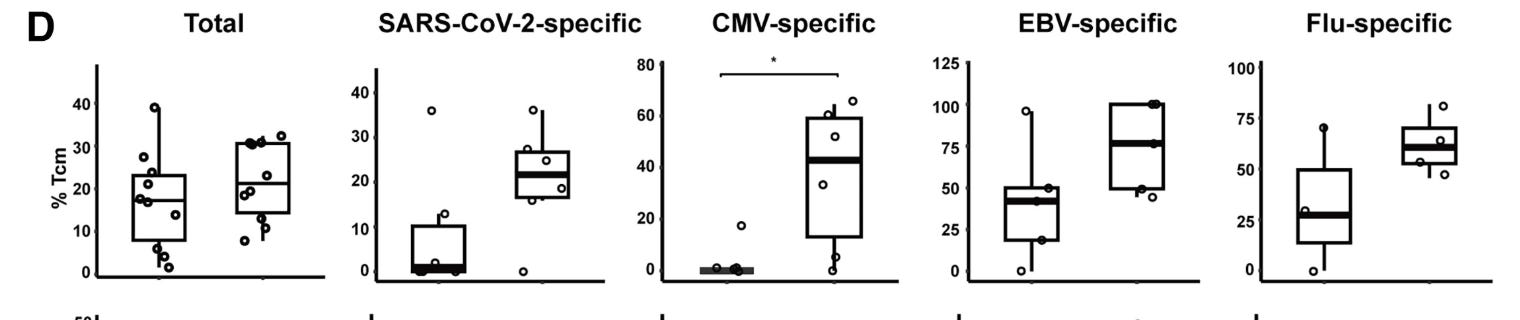
Overlapping Persistent Virus-Specific T cell Responses in Long COVID
A new study shows that many long Covid patients have ongoing immune responses to reactivation of latent viral infections. The researchers found that long Covid patients have CD8+ T cells directed against SARS-CoV-2 and also Epstein-Barr virus (EBV) or cytomegalovirus (CMV).
Comments
Nothing yet. Say the first thing.
Sign in to join the conversation.